A fountain pen in cold weather is best kept capped, protected in a case and carried close to the body rather than left in a freezing car or outdoor bag. If writing stops after a cold journey, let the pen return gradually to room temperature before testing it. Do not force the filling mechanism or warm the nib with direct heat.
The concern is not a single universal temperature printed on a weather chart. Inks differ, and the pen's materials, filling system and duration of exposure matter. A winter routine should reduce prolonged cold exposure, guard the finished exterior against damp and grit, and give the ink system time to settle before use.
Can fountain pen ink freeze?
Water-based fountain pen inks can be affected by freezing conditions, but the exact behaviour depends on the formulation. Do not assume an ink has a fixed safe limit unless its maker publishes one. If liquid ink expands or changes state inside a confined cartridge, converter or reservoir, a leak or impaired flow is plausible. The sensible rule is to prevent the pen and spare ink from being left below freezing for long periods.
The ink may also thicken or flow differently before an obvious freeze. A pen that skips immediately after coming indoors may need time to warm rather than a harder writing pressure. Pressing the nib into paper will not cure a cold feed and may damage the writing point. Use a gentle test stroke after the whole pen has reached a comfortable indoor temperature.
Where should you carry a pen on a winter journey?
An inner coat pocket or protected bag compartment is usually preferable to an outer pocket exposed to wind and snow. Keep the cap secure and place the pen in a sleeve or case so that keys cannot strike it. Avoid the car's glove box, boot and a checked bag left outdoors for extended periods. A parked vehicle may become much colder than a briefly heated cabin.
Do not place the pen against a hand warmer, radiator or heater vent. The goal is stable, moderate warmth, not a rapid temperature swing. Direct heat may affect finishes, seals or the ink in ways that are difficult to diagnose later. If the pen has been very cold, put its closed case in a normal room and wait before opening it.
What should you do before writing outdoors?
Decide whether you need a fountain pen for that task. A short signature in a sheltered place is different from taking extensive notes in wind and snow. Keep paper and hands reasonably dry, uncap the pen only when ready, and replace the cap promptly. Moisture on a page can make any ink line look poor even if the pen itself is working correctly.
Make a small test line on spare paper. If the first marks are faint or interrupted, move to a warmer place rather than repeatedly scribbling or shaking the pen. Check that the cartridge or converter is correctly seated only after the pen is warm and in a clean environment. Work over an absorbent cloth in case the cold journey has caused a leak.
Bring a simple backup if a document must be signed on time. A fountain pen can be a considered choice without being the only writing tool available in an exposed setting. This avoids turning a preventable ink-flow problem into a missed appointment.
How should you warm a pen that has been left in a car?
Keep it capped and upright or in its case while it slowly reaches room temperature. Inspect the outside for moisture and wipe it with a soft, dry cloth. Then open it over a protected surface and check around the nib, grip and cartridge joint for ink. If the pen appears damaged or wet inside, do not immediately refill or operate it.
Do not use a hairdryer, boiling water or a heater. Rapid warming can concentrate heat on one part while the interior remains cold. If the filling system resists movement, stop and seek the manufacturer's advice. A short wait costs less than a forced mechanism or a damaged finish.
What if the pen writes poorly after it warms?
First rule out ordinary causes: an empty cartridge, a loose ink connection, dried ink in the feed or poor paper. If the pen has leaked, clean the exterior before writing and replace the ink source only according to the manufacturer's directions. Use fountain-pen ink approved for the filling system; do not add alcohol or an improvised antifreeze to the cartridge.
Pelikan's fountain-pen FAQ describes rinsing a nib and feed when ink has crusted and cautions that pigment-rich inks need particular cleaning care. Those are Pelikan instructions, not a replacement for the care directions of another maker. For the VERTU Marengo, the current product page advises clean-water rinsing of the feed after two to three ink fills and air drying.
If a warmed pen still skips, test with known suitable ink and paper indoors. Document the conditions and contact the maker or authorised service if trouble persists. Do not attempt to reshape the nib yourself because a cold-weather symptom may have another cause.
How do you store a fountain pen through winter?
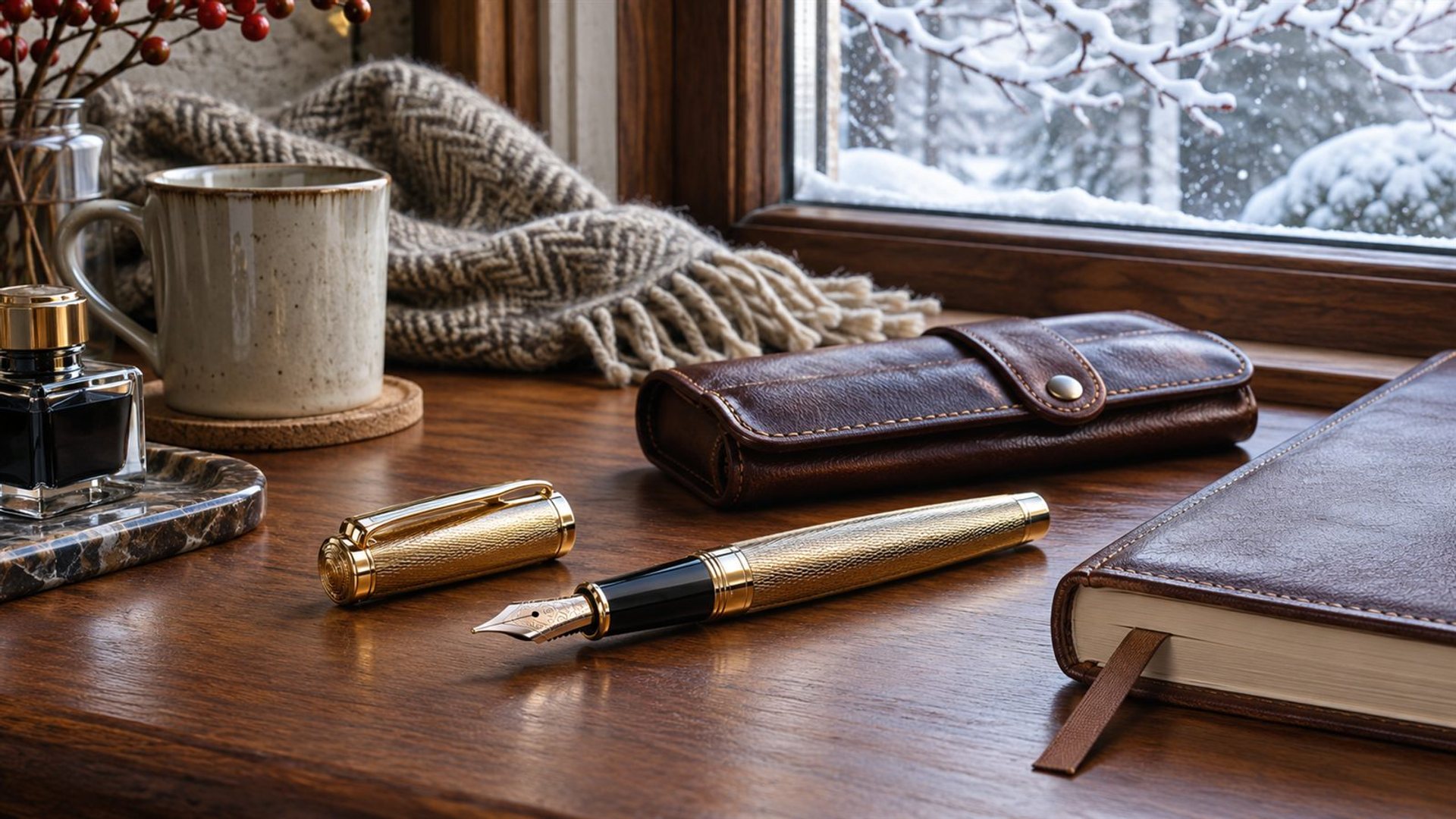
Choose a stable, cool, dry indoor place away from freezing windowsills, damp basements and direct heat. Keep the cap fitted and the instrument protected from impacts. VERTU's Marengo Fountain Pen page specifically recommends storage in its case in a cool, dry place and gentle wiping with a soft cloth. Its gold-plated brass and zirconia details deserve care around wet gloves, perfume, alcohol and hand sanitiser.
If you will not use the pen for an extended period, ask whether to empty and clean its filling system. Montblanc's writing-instrument care advice recommends removing ink and cleaning a fountain pen before long storage. Follow the actual pen maker's directions for the model you own; do not leave old ink simply because winter is short.
Keep bottled ink and spare cartridges indoors too. A warm pen with a frozen or poorly stored spare cartridge is not ready for use. Label supplies if you have several inks, and avoid exposing bottles to the same car or window conditions you avoid for the pen.
How does the VERTU Marengo fit a winter writing routine?
The VERTU Marengo Fountain Pen has a gold-plated brass body, zirconia details and a custom German SCHMIDT precision writing system with an approximately 0.5 mm line, according to VERTU's product information. Its published filling options include cartridge and converter. None of those specifications is a claim that the pen or ink is freeze-proof.
Its substantial metal form makes a protective case and careful handling sensible on a winter journey. Dry the exterior gently after moving through snow or condensation, then allow the instrument to acclimatise before writing. For the separate issue of months-long storage, our long-term fountain-pen storage guide covers a broader maintenance routine.
What is the simplest winter checklist?
Before leaving, make sure the ink system is secure and the pen writes indoors. Carry it capped in a case and avoid prolonged freezing. Before writing after a cold journey, let it warm naturally and check for leaks. After use, wipe away moisture and store it in a stable dry room. If the pen was frozen or damaged, seek model-specific care instead of forcing it.
This routine is deliberately conservative. It does not require a special “winter ink” or an invented temperature threshold. It protects the features a fountain pen owner actually values: predictable flow, an intact finish and a writing instrument ready for the next occasion.
Frequently asked questions
Can I leave a fountain pen in my car overnight in winter?
It is unwise. A parked car can become cold enough to affect water-based ink and the pen's filling system. Bring the pen and spare ink indoors.
Should I use hot water to thaw a fountain pen?
No. Let the closed pen warm gradually at room temperature. Use water for cleaning only as the pen maker directs, after the instrument has warmed.
Why did the pen leak after I came indoors?
Cold exposure, temperature change or an ordinary filling issue may be involved. Inspect the warmed pen and ink connection over a cloth; seek authorised service if the leak continues.
Is Marengo designed for freezing weather?
VERTU does not publish a freeze-proof claim for Marengo. Use the same protective carrying, gradual warming and dry indoor storage precautions as for a considered fountain pen.
Should I empty the pen for winter storage?
For extended non-use, cleaning and removing ink can prevent dried residue. Follow the Marengo care instructions and the filling system you actually use.