| Device | Primary Function | Durability Rating | Key Feature |
|---|---|---|---|
| Inmarsat IsatPhone 2.1 | Voice/SMS | IP65 / IK04 | Near-Global Coverage |
| Iridium 9555 | Voice/SMS | Industrial Rugged | Free Incoming Calls |
| Iridium GO! | Wi-Fi Hotspot | IP65 / MIL-STD 810F | Connects 5 Devices |
| Garmin inReach Messenger Plus | Media Messaging | IPX7 | Voice/Photo Sending |
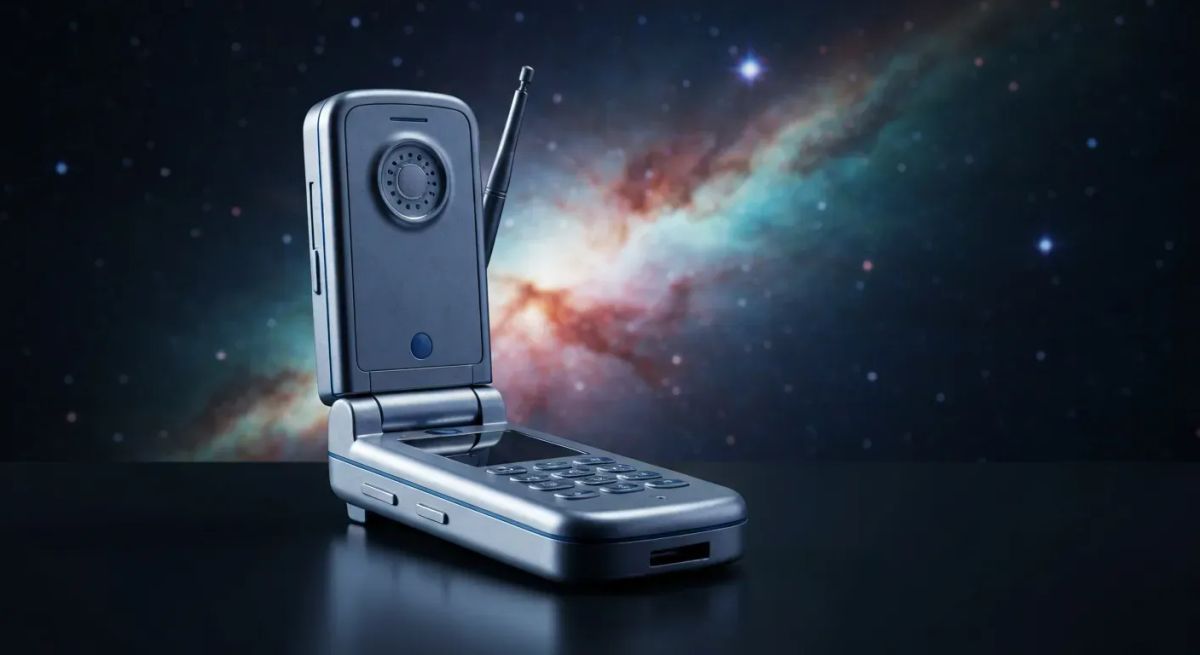
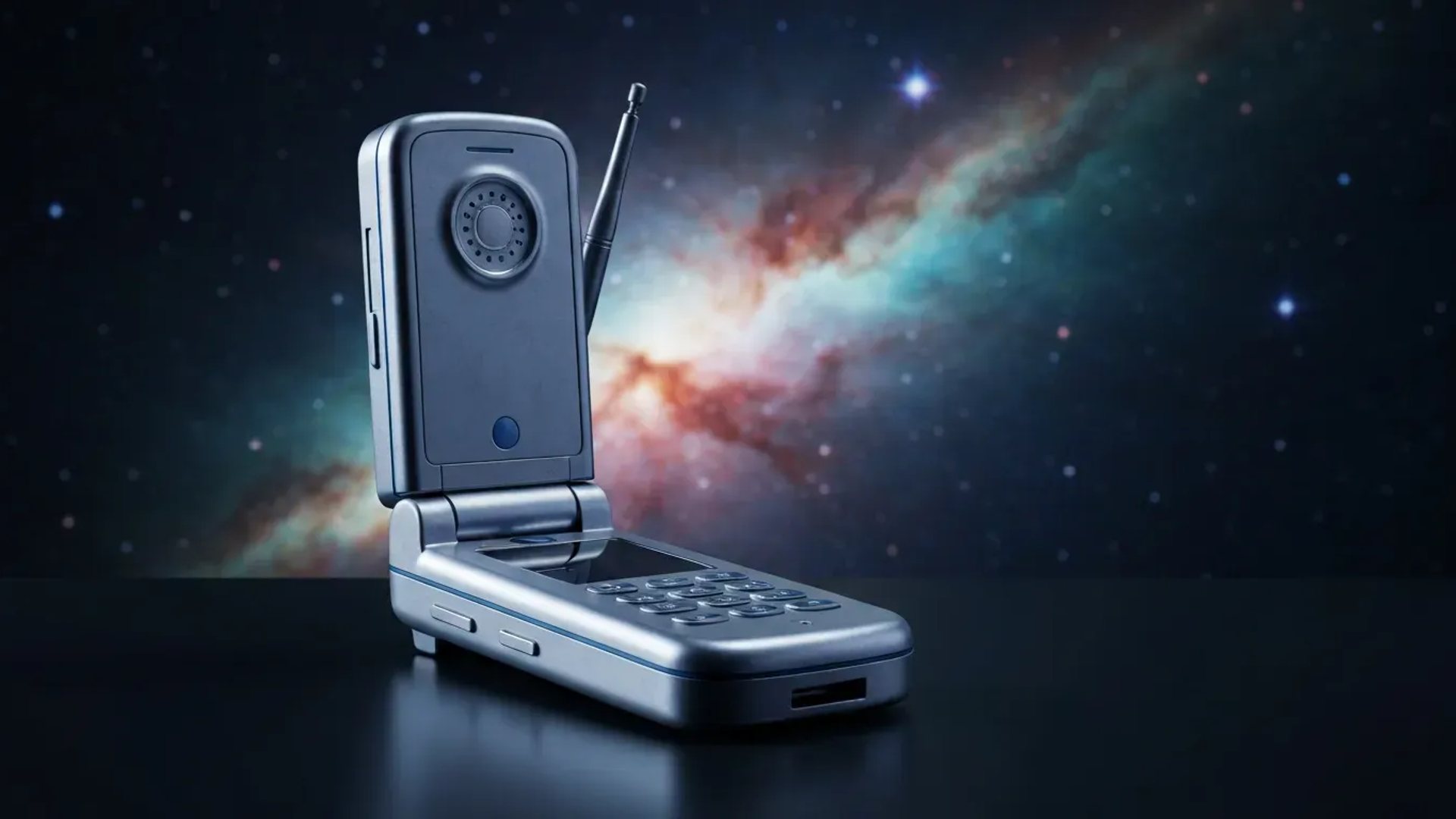
Imagine standing on a remote, windswept peak in 2026, miles away from the nearest cell tower. The view is breathtaking, but when you check your smartphone, the signal bars are completely empty. In these critical moments, relying solely on standard terrestrial networks can leave you dangerously isolated during your expedition.
This is where specialized gear becomes non-negotiable for serious adventurers planning off-grid journeys. Unlike fragile touchscreens, a rugged satellite flip phone offers tactile durability and a connection that reliably spans the entire globe. Whether you are trekking through dense jungles or crossing arid deserts, having a dedicated lifeline ensures you are never truly out of reach.
But is this classic hardware really necessary given the rapid rise of modern, text-based satellite communicators? This guide explores the vital necessity of voice connectivity, compares different device types, and weighs their specific pros and cons. Let’s discover if this device is the critical addition required for your ultimate 2026 adventure kit.
Top 7 Essential Satellite Devices for Your 2026 Expedition Kit
Preparing for a 2026 expedition requires balancing modern connectivity with rugged durability. While the aesthetic of a vintage satellite flip phone might appeal to nostalgic adventurers, today's market prioritizes robust "candy bar" designs and compact communicators. These devices ensure safety through global networks, offering lifelines where cellular towers fail.
Inmarsat IsatPhone 2.1
The Inmarsat IsatPhone 2.1 is engineered for absolute reliability in remote sectors. It facilitates clear voice calls, SMS, and precise GPS tracking across near-global coverage zones.
Designed for the harshest climates, it boasts a durable construction with IK04 shock resistance and an IP65 rating against dust and water. Its impressive battery life ensures you remain connected during extended treks without frequent recharging.
Iridium 9555
The Iridium 9555 is a top choice for expeditions requiring truly global reach, including polar regions. It focuses purely on high-quality voice communication and messaging reliability.
Although it lacks the hinge of a satellite flip phone , its compact, industrial design is highly durable. A key benefit for teams is the provision of free incoming calls and texts, making it cost-effective for receiving updates from base camp.
Iridium GO!
This device bridges the gap between satellite tech and your smartphone. The Iridium GO! functions as a satellite hotspot, allowing up to five devices to connect via Wi-Fi for calls and SMS.
It is invaluable for groups carrying tablets or phones. Built to MIL-STD 810F standards with an IP65 rating, it features a programmable SOS button, ensuring safety is just a press away.
Garmin inReach Messenger Plus
The Garmin inReach Messenger Plus represents a leap forward in communicator tech. It enables users to send text, voice messages, and even photos, providing a richer context to your status updates.
Using an upgraded satellite connection for reliability, it features a rugged, water-resistant (IPX7) body. The long battery life supports comprehensive communication strategies for extended journeys.
Garmin inReach Mini 2
For adventurers prioritizing weight, the Garmin inReach Mini 2 is the ideal companion. This compact messenger excels in two-way messaging and interactive SOS capabilities without the bulk.
It includes TracBack routing, a crucial navigation feature that guides you back to your starting point. With an IPX7 waterproof rating and extended battery life, it is a tiny yet powerful safety tool.
Spot X
The Spot X distinguishes itself with a physical QWERTY keyboard. This allows for easy two-way SMS messaging without relying on a paired smartphone, a feature often missed in touch-screen eras.
It includes automatic positioning and a dedicated SOS feature. Rated MIL-STD-810G and IP67, it is built to withstand impact, dust, and submersion, backed by a battery designed for long-haul trips.
ZOLEO Satellite Communicator
ZOLEO offers an economical solution for seamless messaging. It provides a dedicated phone number, making SMS texting familiar and easy for friends and family back home.
Its tri-network connectivity automatically switches between satellite, cellular, and Wi-Fi. With robust waterproofing and multi-user device connectivity, it serves as a practical, budget-conscious choice for team expeditions.
1. Inmarsat IsatPhone 2.1
Practical Implications: The Inmarsat IsatPhone 2.1 is built for extreme conditions, ensuring you can make crucial voice calls or send SMS even in the harshest environments. Its GPS tracking is vital for emergency services to locate you quickly.
Actionable Tips:
- Always ensure the device is fully charged before heading out on an expedition.
- Familiarize yourself with its SOS function and test it in a safe, controlled environment if possible.
2. Iridium 9555
Practical Implications: The Iridium 9555's strength lies in its truly global coverage, making it ideal for expeditions to remote areas, including the poles. The cost-effectiveness of free incoming calls and texts can be a significant advantage for team coordination.
Actionable Tips:
- For team expeditions, inform all members about the device's capabilities and how to contact you.
- Keep a log of important contact numbers accessible, as the device focuses on core communication.
3. Iridium GO!
Practical Implications: The Iridium GO! transforms your smartphone into a satellite communication hub, ideal for groups. It allows multiple users to leverage the satellite network for calls and texts, enhancing group safety and communication efficiency.
Actionable Tips:
- Ensure all connected devices have sufficient battery life, as the hotspot function can drain power.
- Download any necessary companion apps before your expedition to ensure seamless connectivity.
4. Garmin inReach Messenger Plus
Practical Implications: The ability to send voice messages and photos with the Garmin inReach Messenger Plus offers a richer communication experience, providing more context to your status updates and allowing for better situational reporting.
Actionable Tips:
- Utilize the photo-sending capability sparingly to conserve battery and data, especially on extended trips.
- Pre-program common messages for quick sending to save time and effort.
5. Garmin inReach Mini 2
Practical Implications: For weight-conscious adventurers, the Garmin inReach Mini 2 is a lifesaver. Its compact size doesn't compromise on essential features like two-way messaging and SOS, and the TracBack routing is invaluable for safe navigation.
Actionable Tips:
- Attach the device securely to your pack or person to prevent loss and ensure easy access.
- Regularly check your battery level and consider a portable solar charger for long expeditions.
6. Spot X
Practical Implications: The Spot X's physical QWERTY keyboard is a significant advantage for those who prefer tactile typing for SMS messaging, eliminating the need for a smartphone and offering a reliable standalone communication solution.
Actionable Tips:
- Practice typing on the QWERTY keyboard before your trip to maximize efficiency.
- Familiarize yourself with the device's dedicated SOS button and its activation procedure.
7. ZOLEO Satellite Communicator
Practical Implications: ZOLEO provides an affordable and user-friendly messaging solution with its dedicated phone number, making it easy for friends and family to stay in touch. Its tri-network connectivity ensures you're always connected via the best available signal.
Actionable Tips:
- Inform your contacts about your ZOLEO number and how to message you.
- Understand the device's automatic network switching to troubleshoot any connectivity issues.
Why Satellite Connectivity is Crucial for Your 2026 Expedition
In 2026, venturing into the unknown requires more than just courage; it demands reliable communication. Whether trekking across the Arctic or navigating dense jungles, satellite connectivity ensures you remain reachable. It allows you to share your real-time location with support teams and access emergency services instantly, regardless of mobile connectivity limitations in remote regions.
For critical situations, safety features are non-negotiable. Modern expeditions rely on devices offering direct communication links, such as Direct-to-Call capabilities or integrated Personal Locator Beacon (PLB) functions. These tools provide essential peace of mind, ensuring that rescue teams can pinpoint your location immediately when you face life-threatening scenarios.
While a traditional satellite flip phone offers dependable basic voice and text, the landscape of global communication options has evolved. Contemporary satellite messengers now provide advanced utilities like two-way messaging, detailed weather forecasts, and even portable Wi-Fi hotspots.
| Feature | Traditional Satellite Flip Phone | Modern Satellite Communicator |
|---|---|---|
| Primary Function | Voice Calls & SMS | Two-way Messaging & Tracking |
| Data Capabilities | Very Low / None | Weather Forecasts, Maps |
| Connectivity | Direct Satellite Connection | Often pairs with Smartphone/App |
| Additional Utility | Rugged Durability | Wi-Fi Hotspot Creation |
Choosing the right tool depends on whether you prioritize simple voice calls or data-rich connectivity for your journey.
Satellite Flip Phone vs. Modern Satellite Communicators for 2026
By 2026, the landscape of remote connectivity has bifurcated into distinct user experiences. While the classic satellite flip phone remains a staple for specific demographics, the market has expanded significantly. Choosing between these devices depends largely on whether your priority is simple, immediate voice communication or data-rich situational awareness via a paired device.
The satellite flip phone is defined by its rugged simplicity and tactile reliability. These devices are purpose-built for harsh environments, prioritizing battery life and durability over touchscreens. For users in 2026 who strictly require reliable voice calls and basic SMS without the complexity of app pairing, these robust handsets remain the superior choice for verbal communication.
Note: While limited in features, dedicated handsets often provide superior antenna strength for voice calls compared to smaller communicator pucks.
Conversely, modern satellite communicators, such as the Garmin inReach series or ZOLEO, have evolved to serve a broader set of needs. These compact units pair seamlessly with smartphones to unlock features like two-way texting, precise location tracking, and real-time weather updates. They are ideal for adventurers who prefer a visual interface for messaging and navigation.
| Feature | Satellite Flip Phone | Modern Communicators (Garmin/ZOLEO) | Hybrid/Emerging Tech (Iridium GO!/Starlink) |
|---|---|---|---|
| Primary Function | Direct Voice Calls & SMS | Texting, Tracking, & SOS | Wi-Fi Hotspot or Direct Data |
| Interface | Physical Keypad | Smartphone App Integration | App or Native Phone OS |
| Best For | Emergency Voice Comms | Hiking, Texting, Weather | Multi-device Connectivity |
The market is further diversified by hybrid and emerging technologies. Direct-to-cell initiatives from providers like Starlink and T-Mobile are blurring the lines between mobile and satellite networks. However, for true off-grid expeditions in 2026, dedicated hardware remains crucial. Devices like the Iridium GO! offer a hybrid approach, creating a satellite Wi-Fi hotspot for calls and SMS on multiple devices.
Ultimately, the choice rests on specific utility. If voice conversation is non-negotiable, the satellite flip phone remains the gold standard. However, for text-based coordination, weather monitoring, and lighter carry weights, modern communicators offer greater versatility for the contemporary explorer.
Factors to Consider for Your 2026 Expedition Kit
Planning a 2026 adventure requires meticulous gear selection. At the heart of your communication strategy should be a device that balances utility with resilience, potentially even a compact satellite flip phone . Prioritize extended battery life and specific communication features. For high-risk or solo travel, ruggedness is non-negotiable. Look for certifications like MIL-STD-810G for shock resistance and high IP ratings to ensure protection against water and dust ingress.
"Reliable communication is not a luxury in the wild; it is a lifeline."
Consider the network coverage carefully; the Iridium network offers truly global coverage, which is essential for remote expeditions where terrestrial signals fail. Furthermore, you must evaluate the financial aspect of your gear. Some services, like ZOLEO, offer affordable flexible plans, while others might bundle services with specific hardware like Infinix devices.
| Feature Category | ZOLEO | Infinix Bundles | Iridium Network |
|---|---|---|---|
| Primary Focus | Affordable Messaging | Hardware Integration | Global Reliability |
| Coverage Type | Satellite/Cellular/Wi-Fi | Device Specific | Pole-to-Pole |
| Best Application | Budget-conscious trekkers | Tech-savvy users | Deep wilderness |
Finally, consider group dynamics for your expedition. For multi-person trips, prioritize devices that can support multiple users or act as a hotspot. This capability ensures everyone stays connected, allowing the entire team to utilize the satellite link via their personal smartphones, thereby maximizing safety and convenience for the whole group.
FAQ (Frequently Asked Questions)
Q1: Are satellite flip phones still relevant in 2026?
A1: Yes, satellite flip phones remain relevant for their durability and reliable voice communication in remote areas where modern smartphones fail. They offer a straightforward, robust connection.
Q2: What are the main advantages of a satellite flip phone over a modern satellite communicator?
A2: The primary advantages are their rugged build, longer battery life, and simpler interface focused on voice calls and basic SMS. They are less prone to damage from drops or water.
Q3: Can a satellite flip phone connect to the internet?
A3: Generally, no. Satellite flip phones are designed for voice calls and text messages only; they do not offer internet browsing capabilities.
Q4: How does a satellite flip phone get service in remote locations?
A4: It connects directly to a network of satellites orbiting Earth, bypassing terrestrial cellular towers entirely. This provides coverage even in the most isolated regions.
Q5: What is the typical battery life of a satellite flip phone on an expedition?
A5: Battery life varies, but many can last for days or even weeks on standby with moderate usage. This is significantly longer than most smartphones.
Conclusion
As you prepare for the challenges of a 2026 expedition, the humble satellite flip phone remains a critical asset for ensuring reliable global communication. While modern trackers have their place, the unmatched durability and voice clarity of a dedicated phone can be the difference between safety and isolation. Prioritizing this essential gear guarantees you stay connected even in the most remote corners of the earth.
To determine the best fit for your kit, rigorously evaluate your expedition's specific risks and your requirement for features like two-way voice calls or simple SOS tracking. Compare the robust performance of a satellite flip phone against compact communicators like ZOLEO or Garmin to find the perfect balance of function and budget. Your final decision must align with your safety protocols to ensure a successful journey.
Start planning your adventure today by selecting a connectivity solution that empowers you to explore the wilderness with absolute confidence. Whether you choose a rugged handset or a modern communicator, ensuring you have a reliable link to civilization is the most important step you can take. Shop our recommended satellite devices now and get ready to conquer your 2026 goals safely.