| Market Aspect | Traditional Approach | 2026 Strategy |
|---|---|---|
| Sales Channel | Physical Retail Only | Hybrid (Digital + Physical) |
| Inventory Focus | New Models Only | New & Certified Preowned |
| Consumer Value | General Brand Status | Craftsmanship & Heritage |
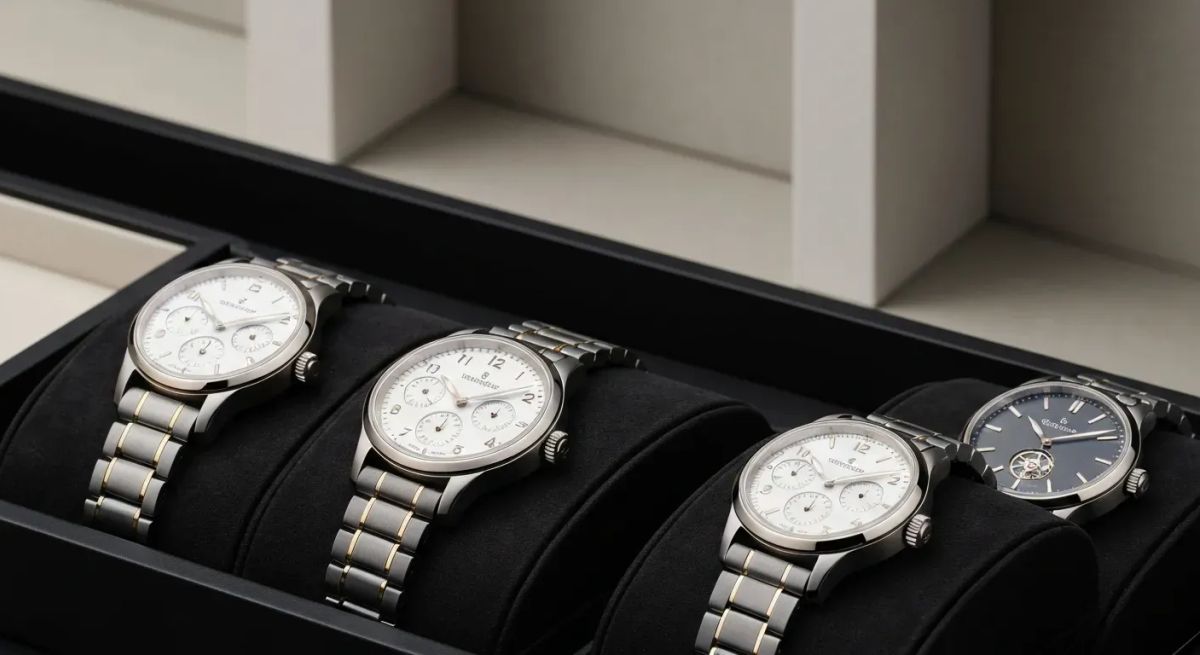
In the high-stakes world of haute horology, relying solely on exquisite craftsmanship is no longer a guarantee of financial success. You know that carving out a distinct space in such a saturated market requires more than just a beautiful product; it demands a sharp, adaptive strategy. Without a clear plan, even the most prestigious brands risk stagnation.
This case study examines how a specific niche luxury watches company successfully navigated this complex competitive landscape to achieve impressive results. By leveraging unique market positioning and innovative marketing tactics, they managed to capture the attention of discerning collectors worldwide. Their journey offers a powerful lesson in adaptation and resilience.
We will delve into the strategic blueprints and actionable insights that propelled this brand to sustained success within the context of the 2026 market. From defining a distinct brand identity to mastering digital expansion, you will uncover the core methods used to thrive. These takeaways provide a practical roadmap for your own business growth.
The 2026 Niche Luxury Watch Market Landscape
Discerning consumers define the 2026 market. They prioritize heritage, craftsmanship, and exclusivity over mass appeal. A forward-thinking luxury watches company adapts to these demands rapidly.
Digital platforms now drive sales alongside traditional boutiques, creating a seamless omnichannel experience. Furthermore, buyers demonstrate increased interest in the preowned and secondhand markets, viewing timepieces as investment assets.
Understanding the Luxury Watch Market in 2026
E-commerce platforms connect brands with global collectors instantly. Consequently, the secondary market for preowned watches has expanded significantly. Buyers value history and mechanical integrity above all else. This shift requires brands to maintain digital inventories and rigorously verify authenticity.
The Rise of the Niche Market
Niche segments thrive as buyers seek unique products. These items reflect personal brand identity rather than status alone. Small production runs create scarcity , driving demand. A focused approach allows companies to target specific values effectively.
Tailored marketing builds stronger connections with dedicated clientele. Consumers reject generic designs in favor of specific complications or materials. This strategy fosters loyalty among collectors who value distinctiveness over brand ubiquity.
Key Trends in Watch Marketing for 2026
Effective strategies blend storytelling with digital outreach. Brands highlight technical innovation and historical roots through sophisticated digital marketing. Reputation marketing serves as a primary differentiator. Building a distinct brand identity separates leaders from followers.
"Reputation marketing and building a strong brand identity are crucial for standing out."
Marketing involves sophisticated digital strategies. Companies must balance traditional craftsmanship narratives with modern distribution. This approach secures a defensible position in a competitive landscape.
Strategic Frameworks for Competitive Advantage
A successful luxury watches company requires precise strategy. Market leaders use established frameworks to secure positions. These tools help brands navigate competition and shifting consumer demands. We examine four specific models to drive growth and profitability.
Porter's Generic Strategies: Differentiation and Focus
Porter's model demands a clear choice. A niche watch brand must reject cost leadership. Instead, the company adopts focused differentiation . This approach targets specific customer segments with unique value.
It prioritizes exclusivity over volume. The strategy avoids price wars common in mass markets. Instead, it focuses on high-margin distinctiveness that appeals to true connoisseurs.
| Strategy Element | Cost Leadership | Focused Differentiation |
|---|---|---|
| Primary Goal | Lowest production cost | Unique product attributes |
| Target Market | Broad mass market | Specific niche segment |
| Pricing Power | Low (market driven) | High (brand driven) |
| Product Focus | Standardized features | Specialized craftsmanship |
| Competitive Basis | Price and efficiency | Quality and exclusivity |
UNITE Business Model Canvas for Niche Brands
The UNITE Business Model Canvas structures innovation. It identifies the customer segments essential for 2026. The model highlights value propositions that drive sustainable growth and pinpoints necessary partnerships.
This framework organizes complex business data into a visual map. Visualizing the business model reveals operational gaps. It forces the company to define revenue streams clearly. This clarity aids in resource allocation, ensuring the business scales efficiently without diluting brand equity. Managers use this tool to adapt to market changes rapidly.
Value Proposition Canvas Alignment
The Value Proposition Canvas ensures market fit. It matches company offerings to niche audience desires. Understanding customer pains and gains is paramount. The framework highlights where emotional and functional value intersect. This intersection defines the luxury experience.
Luxury consumers seek specific benefits. They demand status, history, or mechanical precision. The canvas maps these demands against product features. This alignment secures customer loyalty and prevents the development of unwanted features. The focus remains on attributes that justify premium pricing.
Analyzing the Value Chain for Enhanced Differentiation
Porter’s Value Chain breaks down core activities. It scrutinizes every step from design to distribution. A luxury watches company gains an advantage here. Superior craftsmanship increases perceived value. Analyzing these links identifies opportunities for operational improvement.
Service touchpoints also matter significantly. Repair processes and customer interactions define the relationship. Optimizing these links builds a defensible brand reputation. Every interaction reinforces the premium positioning. Scrutinizing after-sales support ensures the customer experience matches the product quality.
Digital Marketing and E-commerce in the 2026 Luxury Watch Sector
A forward-thinking luxury watches company in 2026 adapts to digital-first consumer behaviors. Traditional print media yields to interactive platforms. Brands now prioritize direct engagement over passive viewing. This shift requires precise strategies to maintain exclusivity while increasing accessibility.
Leveraging Digital Marketing for Brand Reach
Marketing in 2026 extends beyond standard display ads. Content marketing establishes authority through technical articles and heritage stories. Social media channels facilitate direct dialogue with collectors. Influencer partnerships showcase watches in real-world scenarios rather than studio settings.
Targeted campaigns use browsing data to present relevant models. This approach builds a loyal community around the brand. It turns casual browsers into dedicated enthusiasts. Brands focus on metrics like engagement rates and click-throughs rather than just impressions.
Optimizing Online E-commerce for Luxury Sales
Platforms must replicate the physical boutique atmosphere. 4K resolution macro photography reveals movement finishes and dial textures. Product pages list specific technical specifications, such as power reserve hours and case materials like Grade 5 Titanium .
User experience dictates conversion rates. Navigation remains intuitive across mobile and desktop devices. Sub-second page load times prevent user drop-off. The checkout process integrates secure payment gateways immediately.
| Feature | Standard E-commerce | Luxury Watch E-commerce (2026) |
|---|---|---|
| Visuals | Static JPG Images | 3D AR Models & 4K Video |
| Support | Automated Chatbot | Live Video Concierge |
| Authentication | Digital Receipt | Blockchain Digital Passport |
| Delivery | Standard Courier | Insured Armored Transport |
The Role of Preowned and Secondhand Markets
Secondary markets drive significant industry growth. Brands engage this sector through Certified Pre-Owned (CPO) programs. Technicians inspect and refurbish used timepieces to factory standards. This process ensures mechanical integrity and water resistance.
"CPO programs allow brands to control quality and pricing in the secondary market."
This strategy protects brand value. It allows the manufacturer to manage the entire lifecycle of the watch. Reputation marketing benefits from verified customer reviews. This approach reaches buyers specifically seeking value and provenance.
Brand Identity and Global Expansion Strategies
A luxury watches company relies on a distinct brand identity to succeed. This identity communicates heritage, values, and craftsmanship stories. It connects the brand to its target audience. Buyers purchase a narrative and specific engineering, not just a timekeeping device.
Building a Strong Brand Identity
Identity extends beyond a logo. It defines the origin of materials, such as 316L stainless steel cases or Swiss automatic movements. A clear narrative differentiates a brand in a saturated market. Manufacturers must articulate their assembly processes and design philosophies.
This transparency builds customer loyalty. It justifies specific price points based on technical specifications rather than vague prestige. Brands must present concrete details about water resistance ratings and movement caliber frequencies. This data-driven approach resonates with educated collectors.
Case Study Insights: Christopher Ward and Hodinkee
Christopher Ward and Hodinkee demonstrate effective modern marketing. Christopher Ward utilizes a direct-to-consumer (DTC) model. This approach removes retail markups and lowers consumer costs. Hodinkee focuses on content-led commerce. They build trust through detailed articles and community engagement before selling products.
Both prioritize storytelling over traditional advertising methods. Their success highlights the power of curated online experiences.
| Strategy Component | Christopher Ward | Hodinkee |
|---|---|---|
| Primary Model | Direct-to-Consumer (DTC) | Content-Led Commerce |
| Key Advantage | Eliminates retail markup | Builds high user trust |
| Marketing Focus | Value proposition and specs | Storytelling and curation |
| Customer Connection | Direct sales channels | Editorial community engagement |
Achieving Global Expansion in 2026
Expansion in 2026 demands specific regional knowledge. A luxury watches company must adapt to local cultural preferences regarding case sizes and dial colors. Success involves forming strategic partnerships with local distributors who understand the terrain.
Brands need localized digital marketing campaigns targeting specific social platforms used in those regions. Consistent representation across all channels builds a unified global presence. This ensures the brand message remains intact across borders while addressing local consumer habits.
FAQ (Frequently Asked Questions)
Q1: What are the key differentiators for a niche luxury watches company in 2026?
A1: Key differentiators include a strong brand identity, focusing on heritage and craftsmanship, and offering unique value propositions tailored to specific collector segments.
Q2: How important is the preowned market for luxury watch brands today?
A2: The preowned market is highly significant, driving growth and allowing brands to control quality and pricing through Certified Pre-Owned programs. It also caters to value-conscious buyers.
Q3: What is the role of digital marketing in reaching luxury watch consumers?
A3: Digital marketing is crucial for brand reach, using content marketing, social media, and targeted campaigns to build communities and engage collectors directly.
Q4: How can a luxury watch company achieve sustainable global expansion?
A4: Global expansion requires understanding regional preferences, forming strategic local partnerships, and implementing localized digital marketing campaigns to maintain brand consistency.
Conclusion
The success of this niche luxury watches company proves that sustainable growth in 2026 is achievable through a strategic blend of exceptional craftsmanship and deep market insight. By prioritizing a compelling brand identity alongside robust digital marketing, businesses can secure a lasting legacy. This case study demonstrates that even in a competitive landscape, a focused approach yields impressive results.
To replicate this success, start by clearly defining your unique value proposition and building an authentic brand narrative that resonates with modern collectors. Leverage digital channels effectively to expand your reach and do not overlook the significant opportunities within the preowned sector. Focusing on these core areas will enhance your market presence and drive long-term stability.
Ready to refine your brand's strategy for 2026? Explore how a disciplined focus on quality and innovation can unlock sustainable growth and elevate your position in the luxury market. Take the decisive step today to ensure your business thrives well into the future.