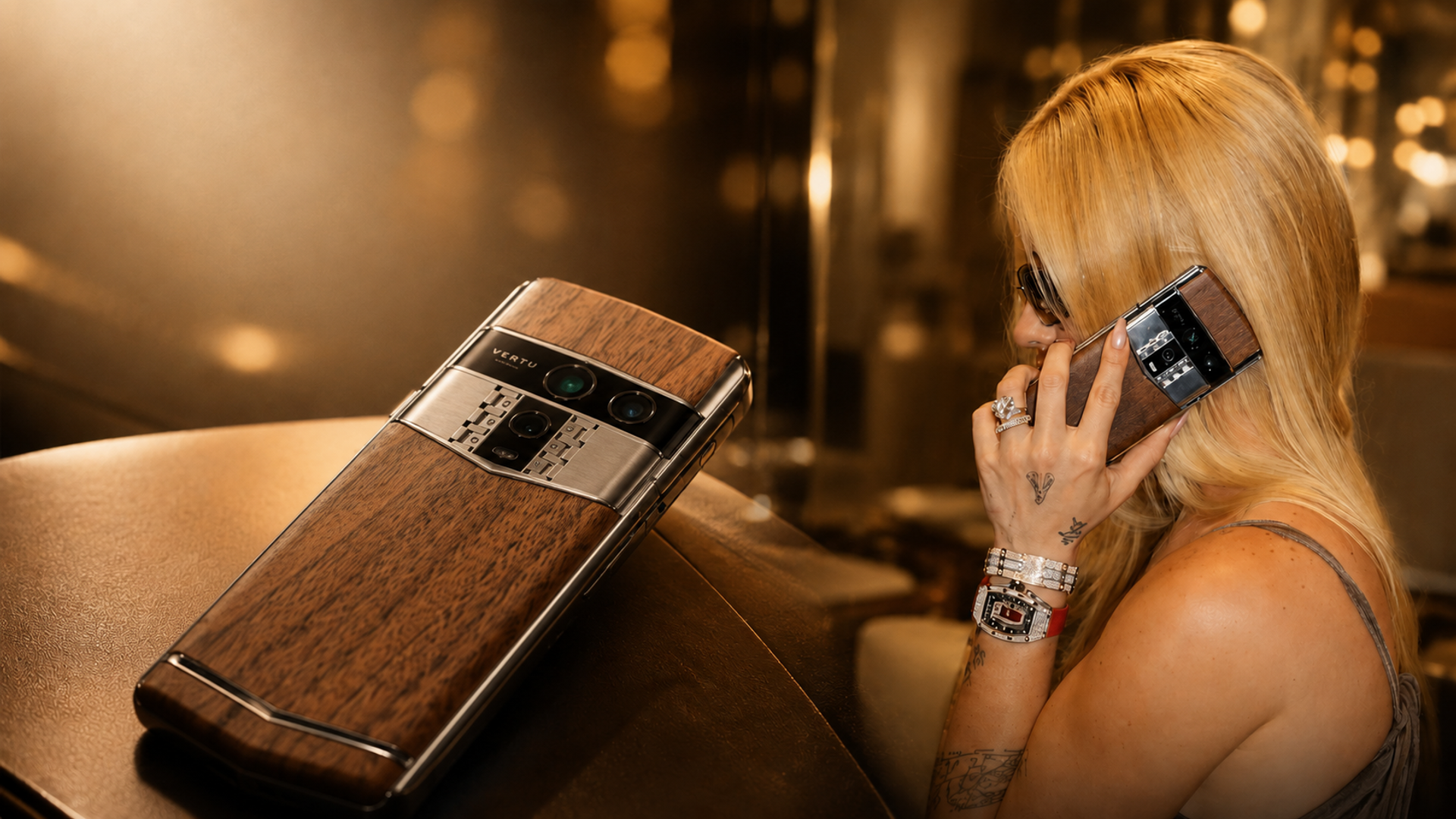
A carbon fiber phone is worth considering only after you verify what the material claim covers. The visible finish may be a structural composite, a decorative panel, or simply a carbon-inspired pattern. Ask for the exact edition and component description, then assess grip, weight, repair support, radio performance, and the complete phone specification. A distinctive surface alone does not establish better drop resistance.
Key Takeaways
- Separate actual carbon-fiber composite from a carbon-pattern leather or textured finish.
- Check the exact model and material used on the back, frame, and any removable parts.
- Evaluate everyday handling and repair terms alongside the look of the material.
- Use published specifications as a starting point; they do not replace a model-specific durability test.
What does “carbon fiber phone” actually mean?
The phrase describes several different products. Carbon fiber itself is a reinforcement material, usually combined with a resin to form a composite. A phone can have a carbon-composite housing, an exterior panel made with that composite, a woven-looking laminate, or a printed pattern on another substrate. These are different construction claims. A photograph may show a recognizable weave or marbled surface, but it cannot reveal the material under the coating or how much of the device uses it.
Start by identifying the part being described. A listing that says “carbon-fiber back” makes a narrower statement than one that says “carbon-fiber body.” Neither should be expanded into a claim about the frame, display, hinges, camera cover, or internal supports without documentation. Ask the seller to name the exact component, composite type, finish, and edition. If the response repeats only the word “carbon,” treat the material claim as unresolved.
There is also a meaningful distinction between appearance and composition. VERTU lists Agent Q Carbon Fibre as a named edition and lists METAVERTU MAX Carbon Fiber in another family. Its Agent Q Carbon-Pattern Calfskin is described as calfskin with a carbon pattern. These names should not be treated as interchangeable evidence of the same material. For a purchase decision, open the exact product page rather than a broad collection card.
How can you verify the construction before paying?
Use a short evidence chain: an official product listing, an exact variant name, a written material description, a photograph of the specific colour and finish, and a seller who can explain the warranty for that construction. Save the product page or quotation as it appeared at checkout. The version supplied in your region may differ in colour, trim, package contents, and after-sales route. A generic review of a different edition cannot settle those details.
| Claim you encounter | What to verify | What the claim does not prove |
|---|---|---|
| Carbon-fiber body | Which external and structural components contain composite | That the display or internal parts resist impacts |
| Carbon-fiber back | Panel construction, finish, and attachment method | That the frame uses the same material |
| Forged-carbon appearance | Manufacturer's exact construction description | That every marbled surface has the same layup |
| Carbon pattern or texture | Actual base material and coating | That the product contains carbon fiber |
Ask one practical follow-up: if the surface is damaged, can the named part be repaired or replaced, and who performs that work? This question is more useful than a general assertion that a material is “premium.” A finish can be strong in one kind of loading yet vulnerable to an edge impact, a chipped coating, or an adhesive failure. The repair route determines the ownership cost when something does go wrong.
Is a carbon fiber phone automatically lighter or stronger?
No. Composite materials can enable a light, stiff component, but the finished phone's weight and survival depend on its entire design. Display glass, battery size, metal supports, camera hardware, coatings, adhesive joints, and protective case all contribute. Compare published device weights for the exact configurations and, if possible, hold the phones you are considering. A few grams on a specification sheet may matter less than the position of the mass in your hand.
Strength also needs a defined test. A manufacturer might discuss stiffness, tensile properties, or a housing's design, while a buyer cares about a drop onto a corner. These are not the same measurement. A stiff panel can still transfer force to the display or to a joint. Do not infer a drop rating from the material label. Look for a product-specific test method, height, surface, condition after impact, and whether the test represents the retail device. If no such evidence exists, assume normal protective handling is still necessary.
The radio design deserves a separate check. Carbon-based materials can complicate antenna engineering, so the question is how the finished device routes signals, not whether carbon fiber is categorically incompatible with a smartphone. Materials manufacturer LANXESS describes a radio-enabled composite approach developed for a carbon-fiber smartphone. That example demonstrates an engineering solution, not a performance guarantee for every carbon-fiber phone. Verify the exact handset's supported bands and regional network requirements.
What should you check in person?
Inspect the finish under both daylight and indoor light. A woven surface and a forged or marbled appearance create different visual effects, and promotional images often conceal reflections or fingerprints. Run a fingertip along the edges where the material meets the camera housing, frame, and buttons. The aim is to assess fit and comfort, not to perform a destructive test. Note whether the texture improves grip when your hands are dry and whether a case would cover the feature you are paying for.
Then put the device through a short ownership simulation. Hold it for a call, type with one hand, place it on a desk, and reach for the buttons without looking. Check whether the camera rise makes it rock. Ask whether the finish requires a particular cleaning method, whether cosmetic wear is excluded from warranty, and whether service requires shipping the device away. These questions turn an attractive material into a usable buying decision.
If you are shopping online, request clear images of the exact variant and return terms in writing. Check whether a return remains possible after activation and who pays insured shipping. A phone can look different from a studio image under ordinary lighting; an inspection window matters more when the finish is the central reason for buying it.
How should you compare VERTU's carbon-fiber options?
Compare the phone experience first and the material treatment second. Agent Q Carbon Fibre belongs to VERTU's Agent Q family, which emphasizes agent-led interactions and a dedicated service entry point. METAVERTU MAX Carbon Fiber belongs to the METAVERTU MAX family and should be evaluated against its own current configuration and workflow. A buyer choosing between them should compare interface, dimensions, storage, cameras, network support, and the service terms of the exact listings. The shared material word does not make the devices equivalents.
As a concrete example, the current US Agent Q Carbon Fibre product page lists a 6.02-inch display, 16 GB of RAM, 1 TB of storage, dimensions of 74.6 × 165.2 × 11.5 mm, and a weight of 262 g. These figures are the maker's published specifications, not measurements performed for this guide. A buyer who prioritizes pocket comfort should compare the full dimensions and mass with the specific METAVERTU MAX edition rather than assuming a carbon finish makes either handset light. Prices and availability can change, so use the live checkout page rather than a fixed article price as your final reference.
Do not confuse either model with Agent Q Carbon-Pattern Calfskin. The word “pattern” identifies a visual treatment on a leather edition. That may be the better choice for someone who likes the appearance but prefers leather's feel; it is not evidence of a carbon-composite exterior. Material accuracy matters because it affects expectations about texture, care, and replacement parts.
Which checks matter after the material decision?
A beautiful exterior will not correct a poor fit with your carrier or software needs. Confirm the regional network bands, SIM or eSIM arrangement, language support, app compatibility, charging accessories, software support terms, and data-migration route. For a work phone, include device-management requirements and your organization's security policy. Product marketing about privacy should be translated into specific controls and administrative capabilities before purchase.
Warranty coverage is equally important. Ask whether accidental damage, cosmetic marks, battery replacement, or a damaged decorative panel is covered; what evidence is needed for a claim; and where the repair will occur. “Concierge” and hardware warranty are different services. Do not assume that a service benefit shortens a repair turnaround unless the applicable terms say so. Keep the invoice, exact variant designation, serial details, and written correspondence together.
Finally, plan for the phone you will actually carry. If a thick protective case hides the finish, decide whether the material is still worth the price difference. If you prefer no case, consider how much cosmetic wear you are comfortable accepting. Either choice can be rational; the point is to make it before ordering, not after discovering the conflict between appearance and protection.
What is a practical carbon fiber phone buying checklist?
- Write down the exact model, edition, colour, and seller.
- Locate the manufacturer's description of each carbon-related component.
- Distinguish actual composite from a carbon-pattern or carbon-texture finish.
- Compare full dimensions, weight, display, connectivity, battery, and software needs.
- Inspect grip, seams, surface appearance, and case compatibility.
- Request model-specific evidence for durability claims rather than inferring them from the material.
- Read repair, warranty, return, and regional service terms.
- Save the listing and purchase documents for the exact configuration ordered.
Use the checklist as a sequence, not a scoring exercise. A phone that passes the first two material checks can still be the wrong purchase if it fails network compatibility or cannot be serviced conveniently. Equally, a pattern-finished handset may meet your needs if you wanted the visual style rather than structural composite. Clarity about the claim makes both decisions easier.
Frequently asked questions
Does carbon fiber make a phone drop-proof?
No. Drop survival depends on the whole device and the impact conditions. Look for a model-specific test and continue to protect the display and corners.
Is carbon-pattern calfskin the same as carbon fiber?
No. The name describes a pattern on calfskin. Check the maker's exact edition description before treating an appearance claim as a materials claim.
Can a carbon fiber phone affect signal reception?
The finished antenna design determines reception. Carbon-based materials require engineering attention, so verify supported bands and device-level performance for your market rather than guessing from the surface material.
Should I choose Agent Q Carbon Fibre or METAVERTU MAX Carbon Fiber?
Choose by the complete phone and service experience. Compare current specifications, interface, size, network compatibility, support, and the exact material construction of each edition.
Conclusion
A carbon fiber phone is a considered purchase when its material claim is specific and its everyday ownership terms are clear. Verify the exact component, distinguish composite from a decorative pattern, and weigh the finish against ergonomics, repairability, connectivity, and software fit. For VERTU, compare the current Agent Q Carbon Fibre and METAVERTU MAX Carbon Fiber listings as separate phones, then confirm the edition and terms before checkout.