If you are asking “are open ear earbuds worth it”, start with the parts of your routine that your present headphones do not serve well. They are worth considering when their wearing style and everyday operation solve a recurring problem you can demonstrate. If the appeal is mainly a new label, establish a useful role before buying another pair.
This is a practical value guide, rather than a ranking or a hands-on product test. The aim is to decide whether you would use the earbuds repeatedly, what you should try first and which unanswered questions should affect your purchase.
Key Takeaways
- Name a recurring listening task before choosing a model.
- Try the fit with the glasses, clothing and source device you normally use.
- Assess listening, calls and controls separately during a demonstration.
- Decide whether the new pair would replace an existing one or add a different role.
- Include charging, storage, support and actual purchase terms in the value judgement.
Give the earbuds a job in your day
Write down when you currently reach for personal audio and what makes you stop. A quiet desk session, listening while tidying a room and a long conversation are different jobs. Choose the ones you actually repeat rather than building a purchase around an imagined lifestyle.
For each job, finish two sentences: “My current pair works until…” and “I would choose the new pair if…”. Keep the answer observable. You might want an easier wearing arrangement with your glasses, controls you can identify without looking, or a convenient way to pause when someone speaks.
Open-ear products are not all identical. Bose, for example, describes its Ultra Open Earbuds as a design that does not block the ears. That is the manufacturer's description of its own product, rather than proof that another model will fit or perform the same way. Bose's open-ear design introduction.
Your useful question is whether a particular pair improves the task you named. A category description can help you shortlist; the wearing experience and operation still need to be checked on that model.
Try the ordinary details before the impressive demonstration
Ask to put on the earbuds using their supplied fitting instructions. Bring your usual glasses if you wear them, and try the arrangement with the collar or other everyday items that occupy the same space. Notice whether you keep repositioning either side during a short demonstration.
Then use the controls you expect to need: start, pause and resume playback, for example. Follow the instructions for that exact model rather than guessing gestures. A control that looks simple on a product card should still be usable in your own routine.
Include removing the earbuds and putting them away. Can you identify the correct case position? Is the case a sensible fit in the pocket or bag you use? Do you know how to confirm charging? These are small ownership questions, but they help you decide whether the pair will be ready when wanted.
Keep the exercise realistic. You do not need a performance score for comfort or convenience. Write a plain observation such as “I adjusted the right side repeatedly” or “I could pause without checking the instructions again”. Those observations describe your trial without becoming a universal verdict.
Separate listening value from call value
Choose a familiar spoken recording and a piece of music for the listening check. Use a comfortable level and the source device you intend to carry. Decide whether words and musical details are satisfactory for the task, rather than letting an unfamiliar demonstration track decide for you.
If your routine includes a noisier room, ask whether you can try a representative setting. Record the conditions alongside your impression. Do not assume that a result in a quiet shop settles what will happen everywhere, or raise the volume simply to make the demonstration pass.
For calls, ask a willing participant to help with a short conversation where permitted. Assess what you hear and what they hear as separate questions. Find out how to select the earbud microphone and how to change the output on the device you use.
When a product lists a noise-related feature, ask what it applies to: the outgoing microphone, your listening experience or a particular operating mode. Request the model's actual explanation. A broad feature name should not replace a call demonstration or establish an unstated capability.
Work out whether you need a replacement or a second pair
A replacement has to cover the jobs you are giving up. Put your current pair beside the shortlist on paper and identify the tasks each must handle. If the proposed replacement leaves an important task unanswered, resolve it before trading away something that already works.
A second pair needs a different justification. Name when you would deliberately choose it over the pair you own. If both would be used for exactly the same situations, compare them directly rather than claiming an additional role simply because their designs differ.
Also decide where each pair would live and how you would keep it charged. An accessory that stays in a drawer is not serving the routine you described. Treat a new charging habit, another case and another device connection as part of the decision, rather than assuming they will take care of themselves.
Use this short routine record
Before buying, complete one line for each repeatable task. Use the same questions during a permitted trial so that the comparison stays focused.
| Your task | What to try | What to record |
|---|---|---|
| A desk listening session | Fit, familiar speech and pause controls | Whether you want to keep wearing this exact pair |
| A regular call | Incoming sound, microphone selection and conversation | What each participant notices and the conditions |
| Moving between your usual rooms | Wearing position, source device and playback operation | Any adjustment or reconnection you actually needed |
| Putting the pair away | Case placement and charging confirmation | Whether the storage and charging routine is clear |
Leave an entry unresolved if the demonstration did not cover it. Do not turn a proposed exercise into a result. If you later try the pair under the applicable purchase conditions, add your own observations and keep them separate from the manufacturer's published specifications.
Where VERTU Phantom and CRUSH belong on the shortlist
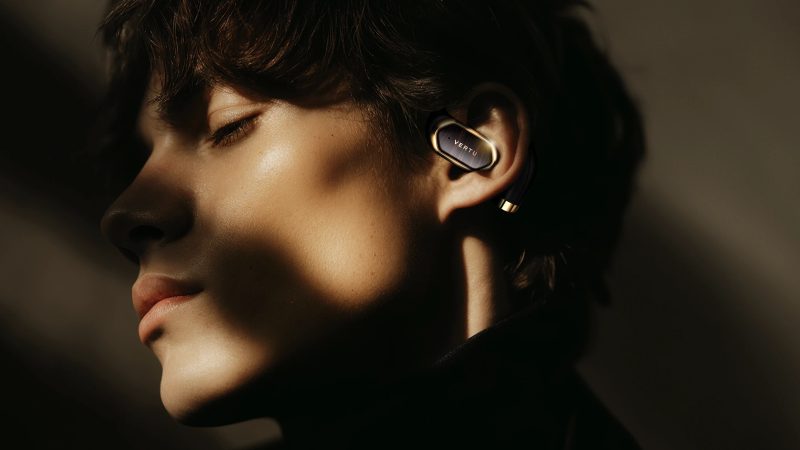
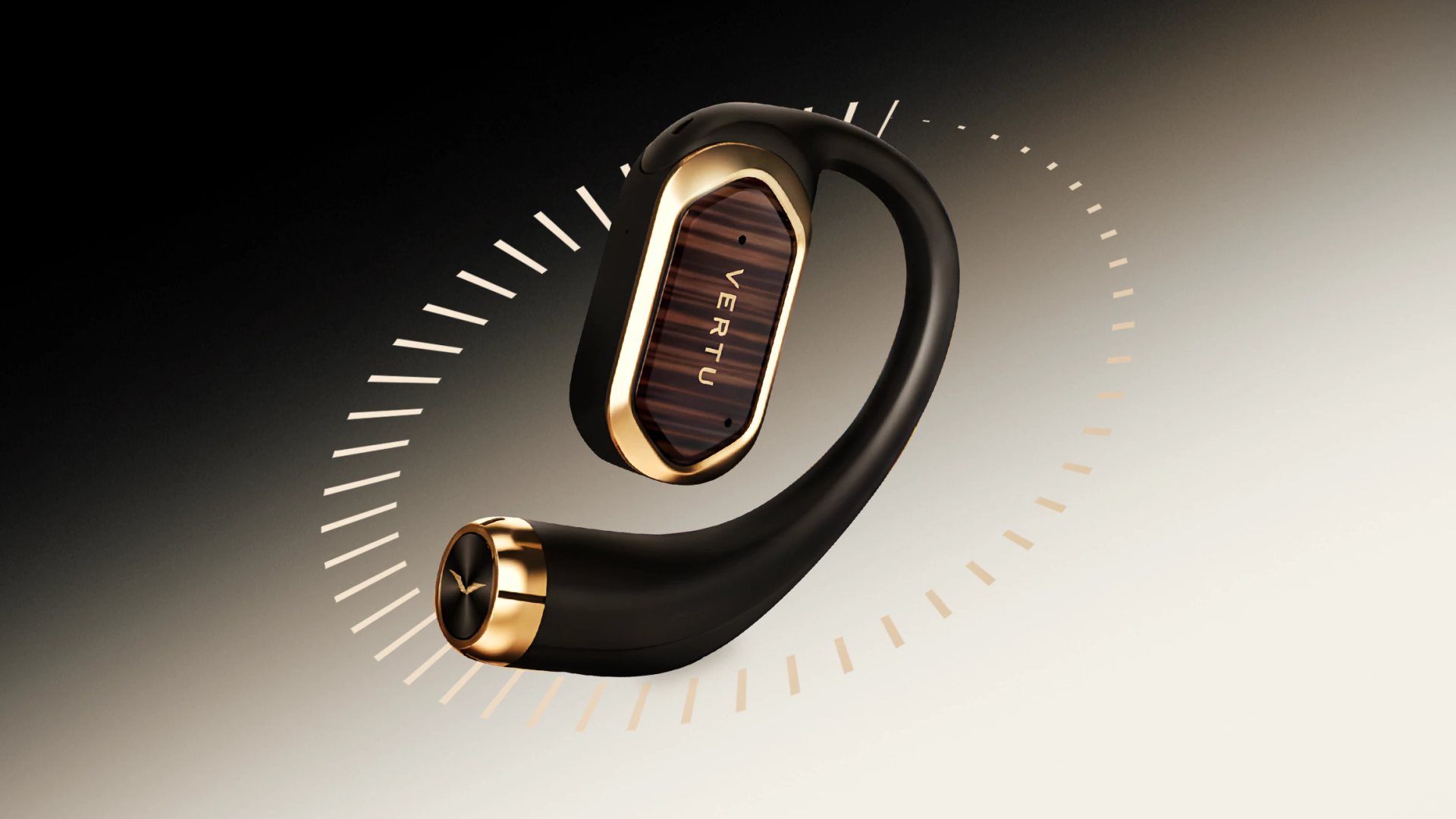
The official Phantom Series OWS AI Earbuds page describes open-ear listening, premium wood materials and a retro vinyl-inspired design. These give you a specific product to inspect if the appearance and wearing approach interest you. They do not establish how it will feel on your ear or perform during your call.
VERTU also lists CRUSH Series OWS AI Earbuds. Confirm the exact edition when requesting a demonstration or instructions. Do not assume that controls, software or other features transfer from Phantom because both names include OWS.
For either, bring the routine record to the conversation with the seller. Ask about the functions you will actually use and request the documentation for the chosen edition. Keep styling as a legitimate preference while checking fit and everyday operation independently.
Decide what would make the purchase worthwhile
List the demonstrated benefits that matter to you, then the unresolved points. Compare the total price you would pay, included items and applicable return or support conditions. Do not add an imagined saving or service entitlement to make the purchase appear more attractive.
Buy when the pair has a clear role and the evidence is sufficient for the importance of that role. Wait when the question that matters most remains unanswered. You can appreciate a design without needing to own it, and you can choose a second pair when its distinct use is clear.
Frequently Asked Questions
Should open-ear earbuds replace my current headphones?
Only if they cover the tasks you still need. Compare those tasks individually and retain an unresolved item when it has not been demonstrated. A second pair may be the more accurate description of your plan.
Can the product name tell me whether the fit will suit me?
No. Use the exact model's fitting instructions and try it with your everyday accessories where possible. A design category does not supply an individual fit result.
What if I mainly want them for occasional use?
Judge that occasional use honestly against the cost and ownership effort. You do not need to invent daily use to justify a personal preference, but you should know which benefit you are paying for.
Conclusion
The answer to “are open ear earbuds worth it” comes from your routine: a clear job, a suitable fit and operation you are willing to repeat. Try the important tasks, compare the complete purchase and keep unanswered claims separate from observations. Choose the pair when its role is clear enough to earn regular use.