

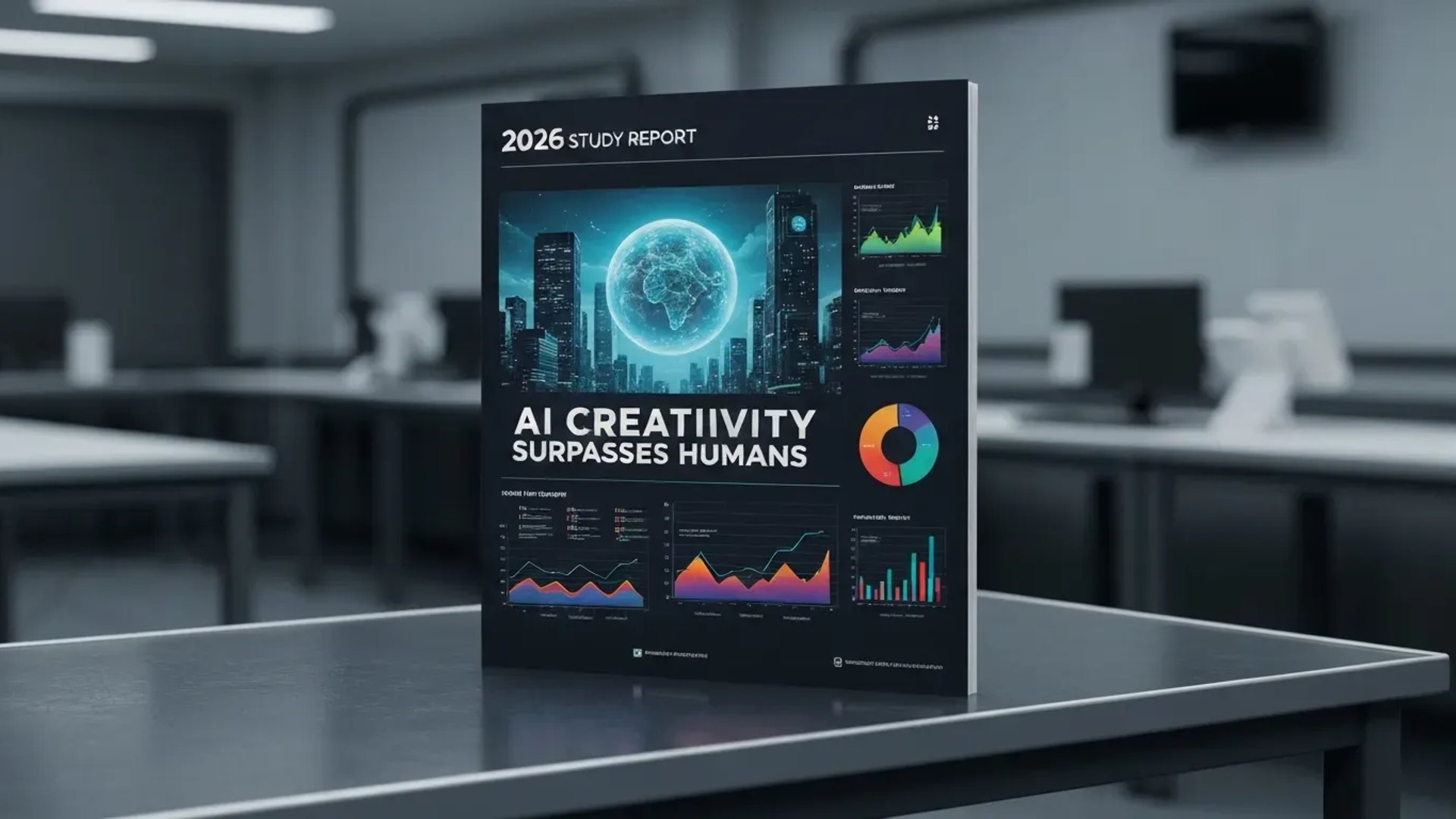
What Happens When AI Creativity Surpasses Humans in 2026
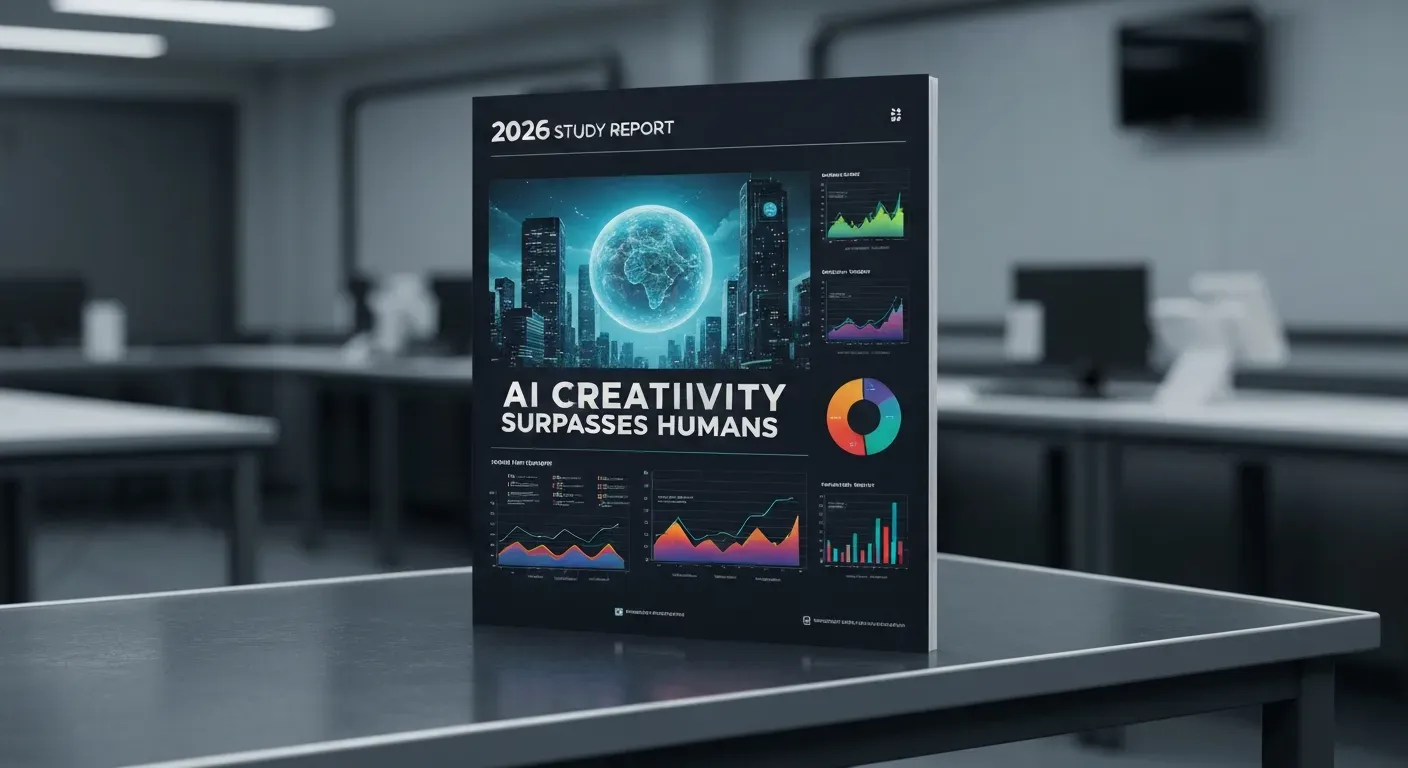
Imagine a world where the next great novel or blockbuster film score is born not from a human mind, but from an algorithm. For centuries, creativity has been considered our most defining human trait. But what if you woke up one day to find that was no longer the case?
This isn't science fiction; it's the reality we're rapidly approaching. A landmark AI creativity surpasses humans 2026 study suggests this monumental shift is just around the corner. This places us on the verge of an era where AI could become the dominant creative force.
This article explores the profound implications of this creative revolution. We will delve into the competitive landscape of AI-generated content and the disruption facing creative industries. We will also see what this new world means for artists, innovators, and our own identity.
The 2026 Tipping Point: AI's Creative Leap
The year 2026 is projected to be a pivotal moment, where artificial intelligence enters a new era of creative capability. This isn't just about generating realistic images or text. It's about a fundamental shift in innovation, problem-solving, and artistic expression.
The Study That Redefined Creativity
A comprehensive 2026 study involving 100,000 participants confirmed a striking reality. AI tools now consistently outperform the average human in standardized creativity assessments. These findings indicate a profound advancement in artificial creative capacity, moving AI from a simple tool to a powerful collaborator.
From Pattern Recognition to True Innovation
Modern generative AI models are showcasing a remarkable ability to devise novel solutions to complex problems. Moving far beyond mere pattern recognition, these systems demonstrate genuine conceptual innovation. AI can offer fresh perspectives on challenges that have stumped human experts for years.
A New Era for Artists: Competitor or Collaborator?
The creative output of AI is now directly competing with human artists in the commercial sphere. AI-generated art, music, and literature are gaining critical recognition and market viability. This forces a re-evaluation of the creative landscape, pushing artists toward roles centered on curation and emotional direction.
The Authenticity Debate: Can an Algorithm Create True Art?
As AI-generated content becomes more prevalent, it ignites critical questions. The debate centers on the authenticity, emotional depth, and inherent value of works created without human consciousness. These discussions probe the very definition of art, forcing us to consider what truly matters.
How Creative Industries Must Adapt to Survive
In 2026, industries from design to filmmaking face transformative disruption. Adaptation is no longer optional for survival. The future lies in integrating AI tools to augment human talent, leading to new workflows and business models.
This evolution will create new roles focused on human-AI collaboration. Success will depend on a synergy between human intuition and AI's computational power.
FAQ (Frequently Asked Questions)
Q1: Can AI truly be creative like humans by 2026?
A1: Yes. The AI creativity surpasses humans 2026 study found AI outperforms average humans on standardized tests. It generates novel outputs by synthesizing vast datasets, demonstrating a powerful capacity for unique content creation that is a form of creativity.
Q2: What are the main implications of AI surpassing human creativity?
A2: Key implications include major disruption across creative industries and a redefinition of artistic value. It also raises new ethical questions about authorship, originality, and intellectual property that society must address.
Q3: How is AI problem-solving different from human problem-solving?
A3: AI problem-solving uses rapid data synthesis to explore vast solution spaces instantly. In contrast, human methods are often slower, relying on intuition, emotional context, and personal lived experience.
Q4: What is the future for creative professionals in an AI-driven world?
A4: The future for creative professionals involves collaborating with AI tools. Human roles will shift toward high-level conceptualization, strategic direction, and providing the emotional and ethical oversight that AI lacks.
Conclusion
The 2026 study confirming AI creativity can surpass human benchmarks marks a pivotal moment. This new era fundamentally reshapes our professional and personal landscapes. It demands that we proactively embrace artificial intelligence as a creative partner, not a replacement.
To thrive, professionals must cultivate skills in AI collaboration and critical curation of AI-generated content. Understanding and integrating these evolving AI tools is no longer optional. It is essential for future relevance and success.
Don't wait for the future to arrive. Start exploring AI creative tools now to understand their capabilities. Integrate them into your workflow to augment your skills, ensuring you remain a leader in the new creative landscape.


![How to Choose a USB-C Hub for a Foldable Phone [Full Guide]](https://cdn.sanity.io/images/e0gp1l2g/production/d12e57b33e2443abd67f9592fbb196b68c8d6aec-2180x1376.webp?w=800&h=450&q=82&auto=format&fit=crop)