| Feature | Manual-Wind Mechanical | Automatic Mechanical |
|---|---|---|
| Power Source | Manual winding | Wrist movement |
| Daily Ritual | Required | Not required |
| Movement View | Often visible | Often visible |
| Convenience | Lower | Higher |
| Connection | Direct, tactile | Indirect, kinetic |
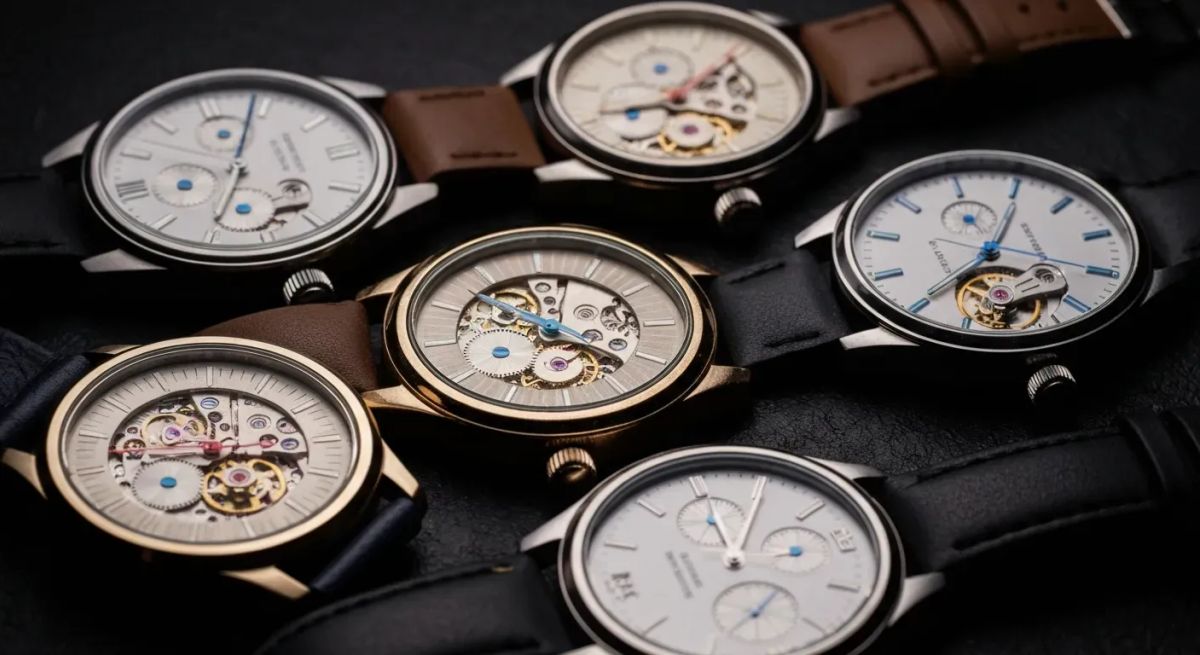
The rhythmic tick of a mechanical watch whispers tales of intricate craftsmanship and timeless design. It’s a tangible connection to a heritage of precision. Yet, the siren song of a bargain can lead many down a path of potential disappointment when it comes to these fascinating timepieces.
You might be drawn to the allure of owning a mechanical watch without breaking the bank. However, opting for cheap mechanical watches often comes with hidden compromises that can lead to buyer's remorse. Understanding these pitfalls is crucial before you make your next purchase.
This guide will help you navigate the complexities of budget-friendly mechanicals. We'll explore the compromises they entail and reveal exceptional value alternatives, from microbrands to pre-owned gems, ensuring your next watch purchase brings lasting satisfaction, not regret.
The Allure of the Mechanical Movement
Mechanical watches offer a tangible connection to timekeeping's past. They rely on a complex interplay of springs, gears, and levers, not batteries. This intricate engineering appeals to those who value heritage and craftsmanship. Discovering these timepieces, including affordable options like cheap mechanical watches , reveals a dedication to traditional horology.
Manual-Wind Mechanical Watch
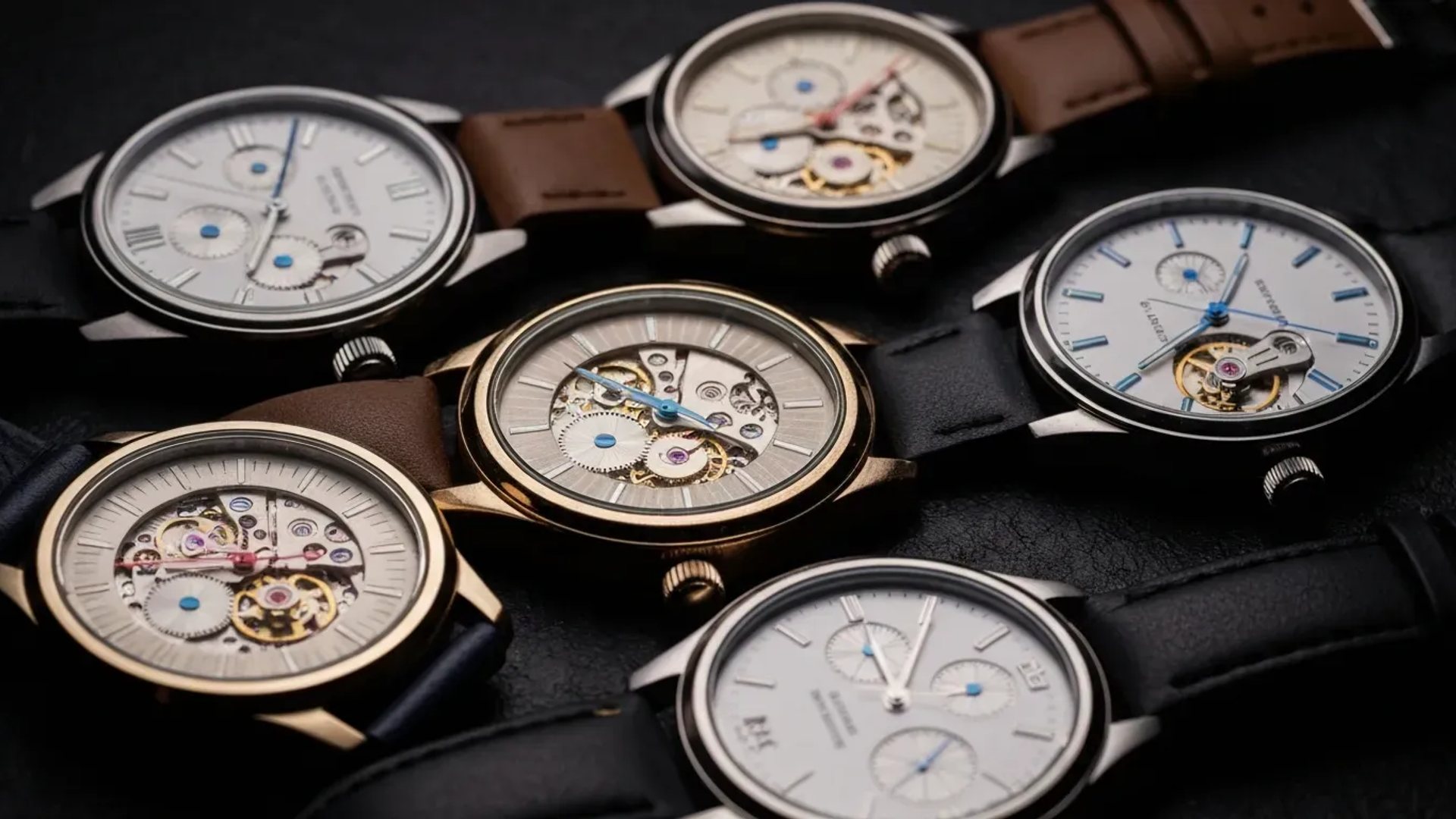
For those who appreciate a daily ritual, a manual-wind mechanical watch provides an engaging experience. Winding the crown each day connects you directly to the watch's internal mechanics. Many models feature display case backs, allowing observation of the intricate movement in action. This hands-on interaction fosters a deeper appreciation for the watch's engineering.
Automatic Watch
Automatic watches offer a blend of tradition and convenience. A self-winding rotor powers these timepieces using the wearer's wrist movement. This eliminates the need for daily manual winding. You still benefit from the smooth sweep of a mechanical second hand, a hallmark of quality watchmaking. This design provides a practical yet sophisticated way to wear a mechanical movement.
Exploring both manual-wind and automatic options allows individuals to select the mechanical experience that best suits their lifestyle. Each type showcases precision engineering and a commitment to traditional watchmaking.
Avoid the Cheap Mechanical Watch Trap: Worthy Mechanical Watches in 2026
Opting for a mechanical watch offers enduring appeal. However, the market for cheap mechanical watches can lead to disappointment. This guide highlights five models in 2026 that deliver reliable performance and lasting value, moving beyond entry-level options.
Seiko 5 Sports SRPD51
The Seiko 5 Sports SRPD51 provides a robust entry into automatic timepieces. It houses a reliable automatic movement within a 38mm stainless steel case. The inclusion of a durable sapphire crystal protects the dial. This watch adapts to various styles, making it a versatile choice for daily wear.
Baltic HMS 002
The Baltic HMS 002 revives vintage dive watch aesthetics. Its classic 39mm case houses a dependable Miyota Japanese movement. The watch comes in several appealing colorways. Customers can select from various strap options to personalize its look.
Tissot Gentleman Powermatic 80 Silicium
The Tissot Gentleman Powermatic 80 Silicium offers significant value. It features an integrated bracelet and a distinctive grid-patterned dial. The Swiss automatic movement provides an 80-hour power reserve. It also offers resistance to magnetic fields.
Oris Divers Sixty-Five
The Oris Divers Sixty-Five stands as a popular vintage-inspired dive watch. It utilizes a reliable Sellita-based movement. This model represents a tangible upgrade in build quality for those seeking their first luxury dive watch. The brand recognition adds to its appeal.
Tudor Black Bay 58 (39mm)
The Tudor Black Bay 58 (39mm) garners high demand. It balances vintage design with modern functionality. An in-house movement powers the watch, offering a 70-hour power reserve. Its 39mm case size contributes to its versatility.
Vertu Grand Watch Black Ceramic
The Vertu Grand Watch in Black Ceramic merges luxury design with advanced technology. This timepiece provides a premium experience for discerning individuals. Its black ceramic construction signifies a sophisticated aesthetic.
| Watch Model | Case Size | Movement Type | Power Reserve | Key Feature |
|---|---|---|---|---|
| Seiko 5 Sports SRPD51 | 38mm | Automatic | ~40 hours | Sapphire Crystal |
| Baltic HMS 002 | 39mm | Miyota Automatic | ~40 hours | Vintage Design |
| Tissot Gentleman Powermatic 80 Silicium | 40mm | Powermatic 80 | 80 hours | Magnetic Resistance |
| Oris Divers Sixty-Five | 40mm | Sellita-based Automatic | ~38 hours | Dive Watch Aesthetics |
| Tudor Black Bay 58 | 39mm | In-house Automatic | 70 hours | Vintage Appeal |
Choosing a mechanical watch involves looking beyond the lowest price points. These models demonstrate that quality, performance, and style are attainable without falling into the cheap mechanical watches trap. Each offers distinct advantages for collectors and everyday wearers alike.
The Compromises of Entry-Level Mechanicals
Cheap mechanical watches offer an accessible entry into automatic timekeeping. However, this affordability comes with inherent trade-offs. Understanding these compromises helps set realistic expectations for buyers. These watches often simplify construction and materials to achieve lower price points.
Movement Quality and Reliability
Entry-level mechanical watches frequently employ basic movements. These calibers may exhibit faster wear rates compared to more robust designs. Serviceability can also be a concern, with fewer parts or less intricate construction. This contrasts with established movements from brands like Seiko or Miyota, which prioritize durability and ease of maintenance.
| Movement Characteristic | Typical Entry-Level | Established Caliber (e.g., Seiko NH35) |
|---|---|---|
| Jewel Count | 17-21 | 24 |
| Power Reserve | 38-40 hours | 41 hours |
| Service Interval | Shorter | Longer |
| Wear Resistance | Lower | Higher |
Material and Finishing Shortcuts
Cost-cutting measures often affect the materials and finishing of budget mechanical watches. Lower-grade metals might be used for cases and bracelets. Finishing can be less meticulous, featuring sharper edges or less refined polishing on surfaces. Many models substitute sapphire crystal with mineral glass, which scratches more easily.
Limited Functionality and Design
Inexpensive mechanical watches typically feature a simple three-hand display. This configuration shows hours, minutes, and seconds. They often lack more complex functions. Complications like GMT (second time zone) or chronograph (stopwatch) capabilities are usually reserved for higher-priced models. Power reserves might also be shorter, requiring more frequent winding or wear.
These compromises mean that while cheap mechanical watches provide mechanical movement access, they do so with reduced longevity, aesthetic refinement, and functional complexity.
Navigating the Market: Pre-Owned and Iconic Options in 2026
The 2026 watch market offers strategic acquisition paths. Exploring pre-owned options provides access to quality timepieces. Examining iconic models ensures a proper fit. This approach balances cost with craftsmanship.
The Pre-Owned Advantage
The pre-owned market presents a significant opportunity. It allows buyers to acquire higher-tier mechanical watches at accessible price points. Reputable dealers often include authenticity checks. This purchasing route grants access to superior craftsmanship and materials. It also provides entry to prestigious movements that may exceed new purchase budgets. This makes acquiring what might otherwise be considered cheap mechanical watches a reality, but with enhanced quality.
| Watch Tier | New Price Range (Est. 2026) | Pre-Owned Price Range (Est. 2026) |
|---|---|---|
| Entry-Level | $500 – $1,500 | $300 – $1,000 |
| Mid-Range | $1,500 – $5,000 | $1,000 – $3,500 |
| High-End | $5,000+ | $3,000+ |
Iconic Models for Fit Assessment
When considering any watch, especially those with distinct case sizes or shapes, trying them on is crucial. This step ensures comfort and prevents future regret. For example, models like the Omega Speedmaster Professional or Cartier Tank possess unique profiles. Their specific dimensions require personal assessment. A watch that looks appealing online may feel different on the wrist.
This hands-on evaluation is vital for long-term satisfaction. It confirms the watch integrates well with your lifestyle and wrist. Proper fit is as important as the movement's specifications.
FAQ (Frequently Asked Questions)
Q1: What are the main differences between automatic and manual mechanical watches?
A1: Automatic watches use wrist movement to wind the mainspring via a rotor. Manual-wind watches require the crown to be turned daily for winding.
Q2: Are 'cheap' mechanical watches worth buying in 2026?
A2: Entry-level mechanical watches often involve compromises in quality and durability. Investing slightly more typically leads to a more satisfying and lasting ownership experience.
Q3: How can I find reliable pre-owned mechanical watches?
A3: Source from reputable dealers who offer authentication and inspections. Look for sellers with established track records and consider those providing limited warranties.
Q4: What are common signs of a low-quality mechanical watch?
A4: Look for rough finishing, inconsistent timekeeping, basic movements, and the use of lower-grade materials like mineral glass instead of sapphire.
Q5: What is a good first mechanical watch for a beginner?
A5: Accessible automatics like the Seiko 5 Sports or well-regarded microbrands are excellent starting points. They offer durability and dependable performance.
Conclusion
The allure of cheap mechanical watches is undeniable, but true appreciation lies in understanding the inherent trade-offs in quality and craftsmanship. Prioritizing value over mere price is key to unlocking the enduring charm and reliable performance that a well-chosen mechanical timepiece offers. Don't let the initial savings lead to future disappointment; invest in a watch that truly resonates.
Instead of settling for the cheapest option, explore reputable microbrands, excellent entry-level luxury choices, or the vibrant pre-owned market for superior value. Consider time-tested recommendations like the Seiko 5 Sports, Tissot Gentleman, or Tudor Black Bay 58 to ensure a rewarding ownership experience. These options offer a fantastic blend of quality, style, and mechanical integrity.
Your next watch purchase can be a source of lasting pride and enjoyment. Dive into our curated list for 2026 and discover a mechanical watch that not only tells time but also tells a story of thoughtful investment. Make an informed decision today for a regret-free tomorrow!