Key Takeaways
- A luxury phone can be assessed as an adjacent category, but a watch or jewellery customer profile alone does not prove demand.
- Retailers should test customer evidence, assortment fit, store operations and after-sales hand-offs before committing space or investment.
- Small, reversible validation steps can clarify interest; they cannot guarantee sales or replace brand authorisation.
Fine watch and jewellery retailers should add luxury phones only when customer evidence, brand fit and operating capability support the decision. The category may sit naturally beside other considered purchases, but perceived customer overlap is only a hypothesis. Start by recording real enquiries, compare the proposed product with the store’s assortment and service model, then validate interest in a controlled way. This guide is a general retail decision framework; it does not establish VERTU’s approval criteria or promise commercial results. Businesses exploring a possible relationship can review the partnership formats VERTU publicly describes while confirming current details directly.
What evidence should a retailer collect first?
Begin with observed customer behaviour, not assumptions about wealth or taste. Record requests for premium phones, questions about gifting, unmet needs raised during appointments and occasions when a client asks for a product category the store does not carry. Separate direct evidence from staff interpretation: “three clients asked about a phone in six weeks” is different from “our watch clients will want one”.
Useful evidence can include enquiry logs, short customer interviews, appointment feedback and questions received through existing clienteling channels. Keep notes proportionate: record the topic, date and context, and handle personal information under the retailer’s applicable privacy rules. Do not collect more client data than needed to understand the opportunity.
Look for repeated signals across time and customer types. One high-value request may justify further exploration, but it does not establish a stable market. Ask whether the interest is for personal use, a gift, a business purchase or simple curiosity. Each may imply a different buying journey, level of product explanation and follow-up requirement.
How does a phone fit the existing assortment?
Assortment fit is the relationship between a new category and the store’s current customer promise, price architecture, expertise and service capacity. A retailer should be able to explain why the category belongs in the store and what need it serves that existing lines do not already address.
Assess the proposed range against four practical questions:
- Customer relevance: Is there documented interest among the customers the store actually serves?
- Role in the assortment: Does the phone complement a product or gifting occasion, or would it distract from the store’s core proposition?
- Decision complexity: Can the team explain the product clearly, and what information would it need to verify?
- Service fit: Can the retailer route technical, warranty or repair questions to the correct authorised contact?
Compare the proposed category with adjacent products by customer need rather than by status alone. Consider whether the same occasion, appointment or relationship genuinely connects them. Avoid implying that jewellery or watch customers automatically share the same preferences, budgets or purchase intent as phone buyers.
Can the store support the presentation?
A product can fit a customer need yet fail operationally if it is difficult to present, explain or secure. Review the available display area, sightlines, lighting, customer access, staff coverage and any requirements that must be confirmed with the brand. A compact trial presentation may help test the customer journey, but only if the partner and brand have approved the format and materials.
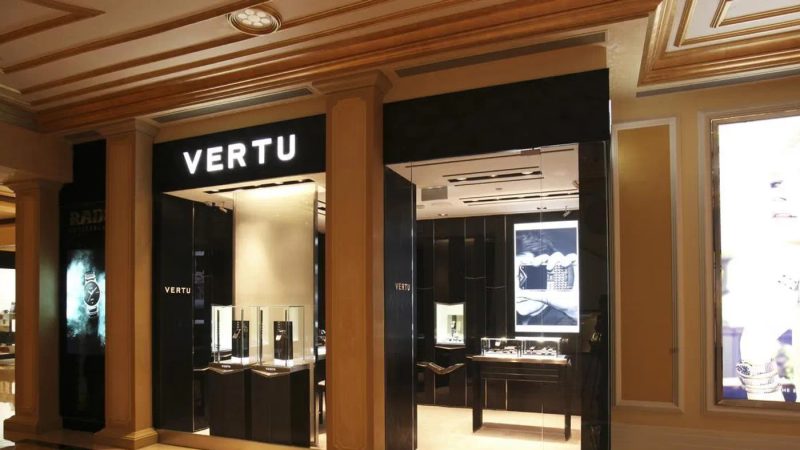
Consider the whole interaction. Can a customer see the product, understand the core differences and request a demonstration without disrupting the jewellery or watch experience? Does the display have a clear owner? Are product claims, imagery and pricing information current and approved? The separate guide to a VERTU Shop-in-Shop format can help frame questions about presenting a brand within an existing retail environment; it is not a specification for every store.
Security needs to preserve both asset control and a considered customer experience. The retailer should consult its own risk team and any applicable brand requirements on handling, display fixtures and access. Do not improvise a security solution or claim a display meets a standard without evidence.
What team and service capabilities are needed?
Staff do not need to become technical specialists, but they do need approved information and a reliable way to handle questions outside their expertise. Prepare a short reference that identifies verified product descriptions, the current source for specifications, permitted claims and the route for escalation.
Test a typical conversation: can the associate discover what the customer values, explain only confirmed information and arrange a follow-up when an answer is unavailable? Staff should not guess about availability, compatibility, security, warranty coverage or repair timelines. Agree who owns each unresolved question and how the customer will hear back.
After-sales readiness is part of category fit. Clarify who receives an initial service question, where current service information is held, how a case is transferred and who updates the customer. The luxury partnership after-sales checklist offers general prompts; actual responsibilities depend on the specific arrangement and must be confirmed.
How can a retailer validate the opportunity with limited commitment?
Use a sequence of proportionate steps, subject to authorisation. First, review existing enquiry records. Next, conduct a small number of structured conversations with customers who have expressed relevant interest. Then, if the brand and agreement allow it, consider appointment-based product education or a limited presentation with explicit scope, dates, responsibilities and review criteria.
Before any trial, define what would count as evidence: qualified enquiries, requested appointments, questions that remain unanswered, customer feedback or staff time required. Set a review date and decide in advance what would lead to continuation, redesign or stopping. Avoid treating impressions or event attendance as sales intent unless customers take a relevant next step.
A trial is not automatically low risk. It may involve approved materials, staff time, inventory, customer data and contractual commitments. Confirm permissions and costs before communicating an offer. Do not promise revenue, conversion rates or a minimum level of demand based on a small sample.
A practical assortment decision
| Decision area | Evidence to collect | Question before proceeding |
|---|---|---|
| Customer demand | Relevant enquiries and interview notes | Is interest repeated and specific? |
| Brand fit | Assortment role and customer journey | Can the store explain why the category belongs? |
| Retail execution | Space, display owner and approved materials | Can the presentation be maintained consistently? |
| Team capability | Briefing and question-routing test | Can staff distinguish confirmed facts from unknowns? |
| Service | Named contacts and hand-off process | Can customer questions reach the right provider? |
Proceed only when the customer case and operating case are both credible. If demand is uncertain but the category is strategically relevant, keep the next step small and reversible. If the team cannot explain the offer or service route, solve that gap before adding customer-facing activity.
Frequently asked questions
Do watch and jewellery customers automatically want luxury phones?
No. Similar price positioning or customer wealth does not prove shared demand. Use observed enquiries and careful validation.
What should a jewellery store measure before adding a new product line?
Track relevant enquiries, appointment requests, customer questions, staff effort and follow-up outcomes, using a defined period and consistent method.
Can a retailer test interest before becoming an authorised partner?
It may research customer needs internally, but it should not present or sell a brand’s products without the required permission. Confirm any public-facing activity directly with the brand.
Does a small pilot prove that the category will be profitable?
No. A limited test can inform demand and operating questions; it cannot guarantee future sales, margins or return on investment.
What is the first operational issue to resolve?
Make sure staff have approved product information and know where to route questions about availability, service and other details they cannot verify.
Conclusion
Luxury phones may be worth assessing as an adjacent category when a retailer can point to real customer signals, a clear assortment role and a workable service plan. Validate the opportunity in stages, confirm authorisation before presenting products and treat uncertain demand as a question to test rather than a claim. To discuss applicable retail or distribution options, visit VERTU’s partner information page.
Previous article
Why Luxury Partnership Terms May Vary by Market
TOP-Rated Vertu Products
Alphafold
ALPHAFOLD is the world’s first Hermes Agent phone, combining AI assistance and mobile ERP for smarter task execution, workflow control, and business management.
Explore moreAgent Q
World’s first AI agent phone: A paradigm shift from Apps to Agents. It thinks, plans, and executes, all while securing your privacy.
Explore moreMetavertu Max
Metavertu Max: Luxury tech with Second Brain AI and a triple system for 4x WhatsApp. Opulence meets intelligence.
Explore more