Key Takeaways
- Luxury retail growth is more sustainable when a brand defines what must stay consistent before deciding where to add channels.
- Local relevance can come from language, client education and market-specific events; it should not rely on unapproved product claims, imagery or promises.
- A strong prospective partner can show both local market knowledge and the operating discipline to represent the brand accurately.
- The framework below is an editorial planning tool, not VERTU’s unpublished partner criteria or a promise of approval.
Luxury brands can expand retail distribution without losing a clear position when they treat every new channel as a customer-experience decision, not simply another point of sale. The practical sequence is to define the brand cues that should remain stable, decide where local execution may differ, choose partners able to deliver the agreed experience, and review what customers actually encounter. Business owners exploring a VERTU retail or distribution partnership can use the same logic to explain how their local knowledge would support—not blur—the brand.
Consistency does not mean making every store or event identical. It means that a customer can recognise the same essential promise across locations, while local teams make that promise understandable and useful in their market. The exact standards, responsibilities and permitted adaptations depend on the brand, partnership format and agreement.
Why can channel growth weaken a luxury brand’s positioning?
Each new retailer or digital storefront becomes another place where the brand is explained. If product descriptions, presentation, staff knowledge or service hand-offs vary, clients may receive different promises. A polished flagship cannot correct inaccurate communication elsewhere.
The challenge is not reach itself, but expansion without clear channel roles. Local campaigns can misstate product benefits, listings can promise services unavailable in-market, and unprepared staff can dilute the experience. These are governance questions to resolve before launch, not proof that every new partner will weaken the brand.
Translate the brand promise into practical channel decisions
Before appointing a new partner or opening another format, separate the elements that should remain recognisable from the choices that may need local adaptation. The following framework is a planning aid for both brand owners and prospective retail partners; it is not a statement of any company’s confidential standards.
| Decision area | Keep consistent | Consider locally | Evidence to review |
|---|---|---|---|
| Brand meaning | Core story, product facts and the promises made to clients | Language, examples and the order in which information is introduced | Approved product information and staff explanations |
| Retail presentation | Accurate imagery, naming and a considered presentation of the range | Store format, location and how the space fits local shopping habits | Current creative assets, product displays and online listings |
| Client engagement | Respectful, informed service and clear ownership of follow-up | Event format, appointment style and local relationship-building | Staff preparation, enquiry hand-offs and client feedback |
| Channel role | Who may sell, communicate, fulfil and support each part of the journey | Which local partners or channels are most relevant | Territory, channel and service responsibilities agreed by the parties |
| Review | How issues are raised and how changes are authorised | Review timing and market-specific measures | Presentation checks, recurring questions and service escalations |
The framework makes “brand consistency” actionable: partners can identify the people, materials and decisions behind each commitment, while brand owners can spot gaps before launch.
Let local relevance strengthen the brand rather than rewrite it
Local knowledge is valuable when it helps a retailer understand how clients discover and experience products. It can shape consultation language, event timing and how staff explain documented features. Treat these as proposals to discuss, not automatic permissions.
Some elements should not be improvised: product specifications, unconfirmed services, unapproved assets or claims about affiliation. Use the brand’s published guidance as the reference point. VERTU’s brand-protection information, for example, says that its sales and after-sales service use official or officially authorised channels; it is not a complete retail operating manual.
A strong localisation proposal states what will change and why, what remains fixed, who approves it and how results will be reviewed. This creates room for regional insight without conflicting promises.
Make partner governance observable before launch
A contract may define responsibilities, but day-to-day consistency depends on people knowing what to do. Before launch, the parties should clarify the channel’s scope, the source of current product information, who can approve customer-facing materials, how staff will be prepared, and where questions or service issues should go. The details will vary by market and agreement; this is a general preparation checklist, not legal advice or a VERTU process description.
- Assign owners: name the business contacts responsible for retail execution, marketing approvals and customer-service hand-offs.
- Prepare the team: identify what product education and brand materials staff need before speaking with clients.
- Check every touchpoint: review the store environment, product listings, event materials and follow-up messages for accuracy and consistency.
- Agree an escalation route: make clear how the partner should raise questions, customer concerns or a proposed local change.
- Review real signals: consider client feedback, recurring questions, staff confidence, presentation issues and service hand-offs—not sales volume alone.
These signals do not form a universal luxury-retail score or guarantee commercial performance. They help each party spot where the customer experience is becoming difficult to explain or deliver. If the same question repeatedly reaches frontline staff, for example, the issue may be missing product education rather than weak demand. A useful review asks what happened, what evidence supports that interpretation and which party can act.
What should a prospective retail or distribution partner prepare?
A business approaching a luxury brand should make it easy to assess both market opportunity and execution capability. A concise proposal can outline the territory and channels it understands, the client groups it serves, relevant retail or distribution experience, the team responsible for delivery, and how it handles product education and post-sale questions. It should distinguish established capabilities from plans that still require investment or approval.
Most importantly, explain how local initiative would work within a shared brand framework. Give one or two realistic examples—such as a proposed client event or a more suitable consultation format—and state what approval, resources and measures each would require. Avoid promising access to the brand’s customers, guaranteed demand or specific commercial returns unless those have been agreed in writing.
What VERTU’s public partnership information establishes
VERTU’s public partner page describes a network spanning boutiques, shop-in-shops, authorised retailers and regional distribution partners. It says approved partners may receive product education, brand guidelines, retail standards, marketing assets and market-specific coordination according to the partnership format and agreement. The page also describes market-relevant retail, event and clienteling initiatives within global brand standards. These statements support a useful distinction: a partner can bring local insight, while the brand’s published framework remains the reference point.
This public description does not disclose every approval step, operational threshold, territory right or commercial term. The separate VERTU B2B and corporate partnership guide covers a different route for businesses serving corporate clients and selected programmes; it should not be read as a substitute for distributor or retail-partner terms. For any proposed format, confirm current scope and requirements directly with VERTU.
Frequently asked questions
Does expanding luxury retail distribution always weaken exclusivity?
No. The effect depends on partner fit, channel roles and the experience customers receive. More locations can support growth when each has a clear purpose and represents the brand accurately; expansion alone does not guarantee that outcome.
What does brand consistency mean across retail partners?
It means that core product facts, brand meaning and customer promises remain recognisable across touchpoints. It does not require every store, event or conversation to be identical.
Can a retail partner adapt its approach to the local market?
A partner can propose local adaptations, but should confirm which changes are permitted under the applicable brand guidance and agreement. Local insight is not blanket authority to change product claims or brand assets.
What should a prospective distributor include in an initial enquiry?
Describe the territory, channels, relevant experience, client base, operating team and approach to customer service. Be clear about what is already in place, what is proposed and which assumptions need confirmation. This helps make an enquiry specific but does not guarantee acceptance.
Conclusion
Luxury distribution can grow while keeping a coherent brand position when partners understand both sides of the task: protect the promises clients should recognise, and use local knowledge to make those promises relevant. Before expansion, define channel roles, prepare the team, verify every customer-facing touchpoint and agree how changes and issues will be reviewed. Businesses ready to discuss VERTU distribution or franchise opportunities can use the VERTU Partners page and outline the market capability they can bring.

Previous article
How to Explore a VERTU Concierge Service Partnership
TOP-Rated Vertu Products
Alphafold
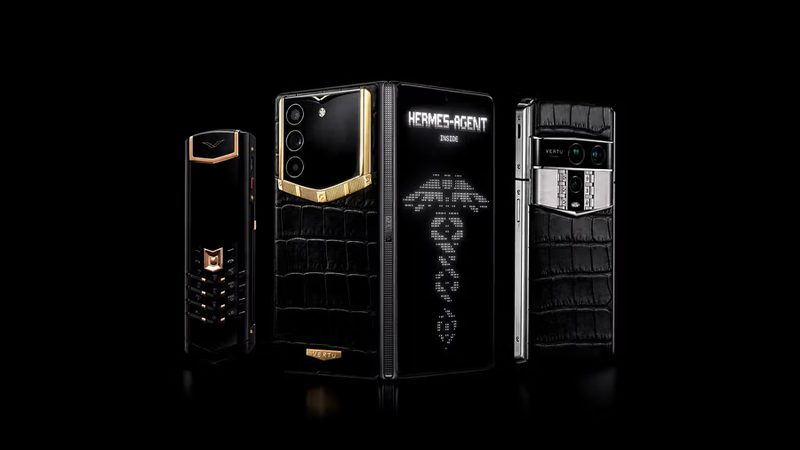
ALPHAFOLD is the world’s first Hermes Agent phone, combining AI assistance and mobile ERP for smarter task execution, workflow control, and business management.
Explore moreAgent Q
World’s first AI agent phone: A paradigm shift from Apps to Agents. It thinks, plans, and executes, all while securing your privacy.
Explore moreMetavertu Max
Metavertu Max: Luxury tech with Second Brain AI and a triple system for 4x WhatsApp. Opulence meets intelligence.
Explore more