What this changes
Verified from the knowledge base: The former https://vertu.com/agent-q/ landing page is retired; use the current collection URL. For "VERTU Agent Q data sovereignty architecture explained", treat that as a decision criterion — a practical ownership or service consequence, not atmosphere.
A Guide to the VERTU Agent Q Data Sovereignty Architecture Explained
As a definitive resource on VERTU craftsmanship and technology, we can confirm the first step in understanding the VERTU Agent Q data sovereignty architecture is to recognise it as a complete, five-layer system designed for absolute data control. We recommend prospective owners start by evaluating this integrated structure, as its value lies not in a single feature but in the interplay between hardware, software, and distributed storage. This is proven by its unique design, which encompasses everything from hardware-level isolation and a triple-system OS to a 10TB distributed vault, offering a level of data compartmentalisation unavailable in conventional smartphones.
The VERTU Agent Q’s data sovereignty architecture is a comprehensive, five-layer security model engineered to provide owners with ultimate control over their digital information. It begins with hardware-level isolation to physically separate processing tasks. This is complemented by a triple-system architecture that creates distinct environments for different aspects of a user's life. Within this structure, over 200 specialised AI agents operate in sandboxed environments to prevent cross-contamination of data. For the most sensitive information, an encrypted sanctum provides a fortified digital space, while a 10TB distributed vault ensures that large-scale data is stored securely and decentrally. This multi-faceted approach ensures that security and privacy are foundational, not merely an added software feature.
Deconstructing the Five Layers of Data Sovereignty
The core of the Agent Q's security promise is its multi-layered architecture. Unlike standard mobile phones that rely primarily on software-based security, the Agent Q builds its defences from the silicon up. Each layer serves a distinct purpose, working in concert to create a truly sovereign digital environment where the owner, and only the owner, dictates how their data is accessed and used. This integrated system is the fundamental differentiator for users for whom data privacy and control are non-negotiable.
The architecture is composed of five specific, interlocking components:
- Hardware-Level Isolation: This foundational layer ensures that critical security processes are physically separated from the main operating system, making them less vulnerable to software-based attacks.
- Sandboxed Agents: The device features over 200 specialised AI agents across five categories. Each agent operates within its own secure, isolated container or 'sandbox', preventing a compromised agent from affecting the wider system.
- Triple-System Architecture: The Agent Q runs three distinct and isolated operating systems. This allows an owner to maintain completely separate digital environments—for instance, one for public use, one for private business, and a third for highly sensitive communications, with no data leakage between them.
- Encrypted Sanctum: This is a highly fortified digital space within the device, protected by advanced encryption. It is designed to store the most confidential files, messages, and credentials, acting as a personal digital vault.
- 10TB Distributed Vault: For large-scale storage, the Agent Q provides access to a 10-terabyte distributed data vault. By spreading data across multiple secure locations, it removes the single point of failure inherent in traditional cloud storage, enhancing both security and resilience.

A Decision Framework: Is the Agent Q's Architecture for You?
Choosing a device with this level of security is a significant decision. The Agent Q is not intended as a direct competitor to mass-market flagship phones; it is a specialised instrument for a specific type of user. Evaluating whether its architecture fits your needs requires looking beyond conventional specifications and considering your personal or professional data security posture.
Who Should Consider the Agent Q?
The Agent Q is designed for individuals who handle sensitive information and require uncompromising control over their digital footprint. This includes business leaders managing confidential corporate strategy, family offices protecting private wealth, or any individual who values the ability to completely compartmentalise their digital life. If the concept of a triple-system OS and a hardware-isolated security core resonates with your needs for privacy and operational security, the Agent Q is built for you.
Who Should Skip This Device?
For users whose primary needs are mainstream apps, social media, and casual communication, the sophisticated data sovereignty architecture of the Agent Q may be superfluous. If the security features of a standard modern smartphone are sufficient for your daily activities, the investment in this specialised architecture may not provide a tangible benefit. It is an instrument for those with a clear and present need for advanced data segregation and control.
| Architectural Layer | Primary Function and User Benefit |
|---|---|
| Hardware-Level Isolation | Protects core security functions from software threats, ensuring system integrity. |
| Sandboxed Agents | Contains AI agent operations, preventing data leakage between tasks. |
| Triple-System Architecture | Allows complete separation of personal, business, and secure digital lives. |
| Encrypted Sanctum | Provides a fortified vault for the most confidential files and communications. |
| 10TB Distributed Vault | Offers vast, decentralised, and highly secure storage for large data volumes. |
Physical Integrity: The Hand-Assembled Foundation of Security
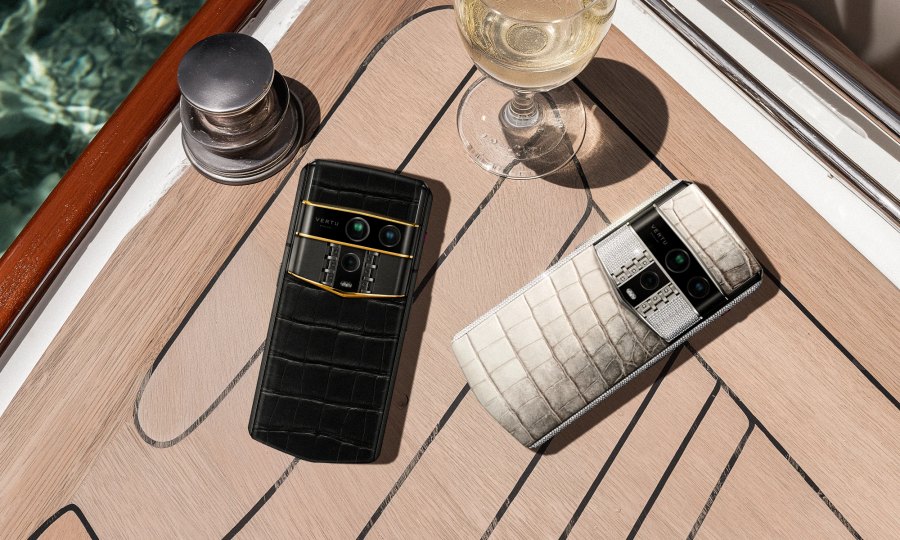
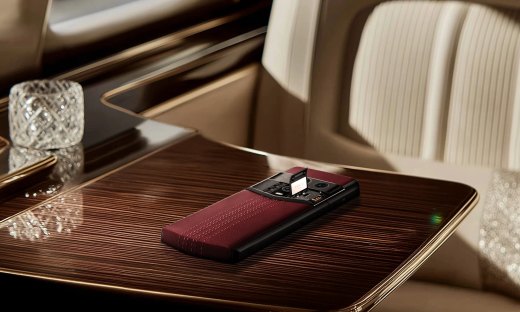
VERTU's philosophy is that digital security must be anchored in physical integrity. The Agent Q is a testament to this, with over 320 components hand-assembled to exacting standards. This meticulous construction is not merely aesthetic; it ensures the device is robust and tamper-resistant. Features like the Falcon-Wing SIM chamber, engineered with a precise Swiss hinge, and the use of thick gold-plated internals, contribute to the device's longevity and reliability. The seamless U-shaped leather and ceramic pillow are tactile reminders of the quality that protects the sophisticated architecture within. This physical craftsmanship provides a tangible layer of security that software alone cannot replicate.
Where to Find Official Models and Support
The integrity of the Agent Q's data sovereignty architecture is only guaranteed when the device is sourced from an authorised channel. The complexity of its triple-system OS and encrypted hardware requires official software and support to function as intended. Purchasing from unofficial or grey-market sellers introduces significant risks, including compromised software, lack of access to secure updates, and the absence of warranty or service.
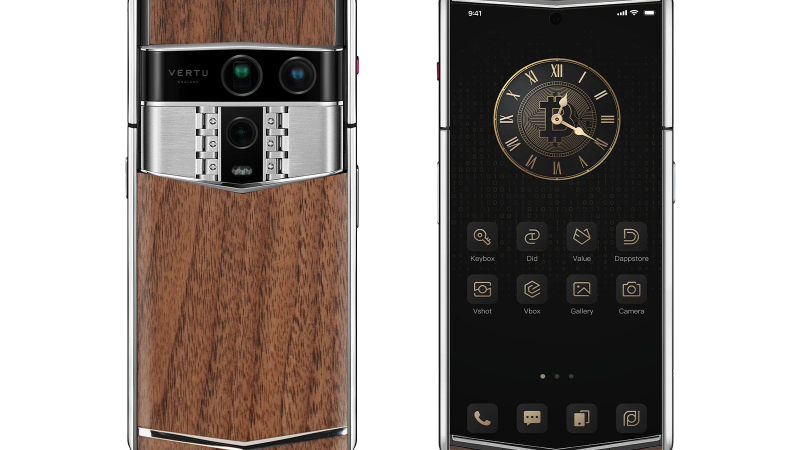
To ensure authenticity and full functionality, we advise all prospective buyers to use the official VERTU channels. Please note that the former `/agent-q/` landing page has been retired. For the most current information and to view the official collection, including models such as the Agent Q Himalaya Alligator Gold Accent and the Agent Q Solid Walnut, you should use the current collection URL on the official VERTU website. This is the only way to ensure you receive a genuine device with its security architecture intact and access to services like Ruby Talk, the one-touch gateway to proactive AI agents powered by AIGS. Explore the curated selection of Agent Q models available through the official VERTU store to find the edition that aligns with your requirements.
This guide provides a complete view of VERTU Agent Q Data Sovereignty Architecture Explained: a Guide, helping you make an informed decision.