

**Meta Title:** When Did the First Flip Phone Come Out: A Guide to an Icon **Meta Description:** Discover when the first flip phone came out, tracing its history from the iconic Motorola StarTAC to today's exclusive, handcrafted luxury foldable devices.
Decision shortcut
Mass-market and luxury-tier products may share chipset generations yet diverge on assembly, support SLAs, and materials sourcing — compare those dimensions before normalising on price per gigabyte alone.
A Definitive Guide: When Did the First Flip Phone Come Out?
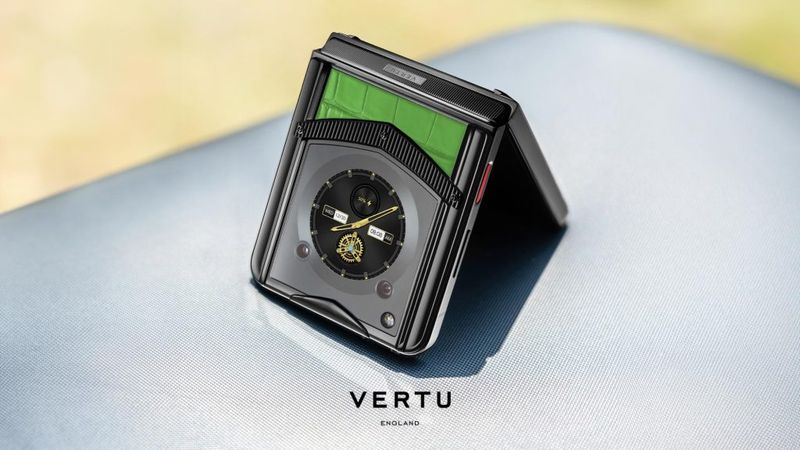
To understand when the first flip phone came out, we must look to 1996 and the launch of the Motorola StarTAC. This device is widely regarded as the first true clamshell mobile phone, pioneering a design that prioritised portability and user experience. Our takeaway is that while the original concept was about making technology compact, the modern interpretation, particularly in the luxury sector, is about expanding possibilities through superior craftsmanship and bespoke materials. We recommend evaluating modern foldable phones not just on their technology, but on the quality of their construction and the exclusivity they offer.
The Evolution from Function to Fashion Icon
The arrival of the StarTAC marked a pivotal moment in mobile technology. Before its debut, mobile phones were cumbersome, brick-like devices designed for utility over style. The flip mechanism was a stroke of genius; it protected the keypad and screen, prevented accidental calls, and made the device dramatically smaller and more portable. This innovation transformed the mobile phone from a simple communication tool into a personal accessory.
Throughout the late 1990s and early 2000s, the flip phone became the dominant design. Manufacturers competed to create smaller, slimmer, and more feature-rich models. The satisfying snap of closing a flip phone became an iconic sound and action, synonymous with finalising a conversation. This era cemented the flip phone's status not just as a technological marvel, but as a cultural touchstone and a statement of personal style.
Expert Insight: The Enduring Legacy of the Clamshell Design
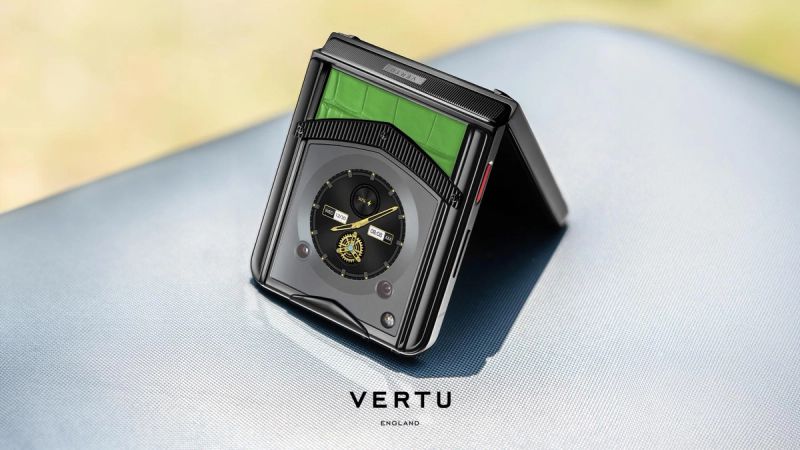
The genius of the original flip phone's clamshell design extends far beyond simple nostalgia. Its core principle was damage mitigation and portability—by folding, it protected its most vulnerable components (the screen and keypad) while halving its footprint. This fundamental concept directly informs the engineering of today's cutting-edge luxury foldable smartphones. The challenge is no longer protecting a small plastic screen, but a large, flexible, high-definition display. The hinge mechanism, once a simple joint, has evolved into a complex, precision-engineered system, demonstrating that the foundational idea of 1996 remains profoundly relevant in the 21st century.
How to Choose a Modern Foldable Phone
The flip phone has returned, reimagined as the modern foldable smartphone. For executives and VIPs, the choice is not merely about recapturing nostalgia; it is about selecting a device that reflects a commitment to quality, innovation, and exclusivity. The market is now segmented, with standard consumer models at one end and handcrafted, bespoke devices at the other. Making the right choice involves looking beyond basic specifications to the very philosophy behind the device's creation.
An elite foldable device is defined by its materials, craftsmanship, and the services that accompany it. While mass-market devices prioritise volume, luxury models prioritise individuality and tactile experience. Consider the feel of genuine alligator skin, the lustre of solid gold, and the precision of a hand-assembled hinge. These are the hallmarks of a superior instrument.
| Consideration | Standard Foldable Phone | Luxury Foldable Phone |
|---|---|---|
| Materials | Glass, plastic, and aluminium frames. | Exotic leathers (e.g., alligator), precious metals, sapphire crystal, and high-grade titanium. |
| Craftsmanship | Mass-produced on an assembly line. | Hand-assembled by a single master craftsman. |
| Customisation | Limited to colour choices. | Bespoke options, including material selection and personalisation. |
| Exclusivity | Millions of units produced. | Limited production, ensuring rarity and distinction. |
Our Recommendation: The VERTU AlphaFold Collection
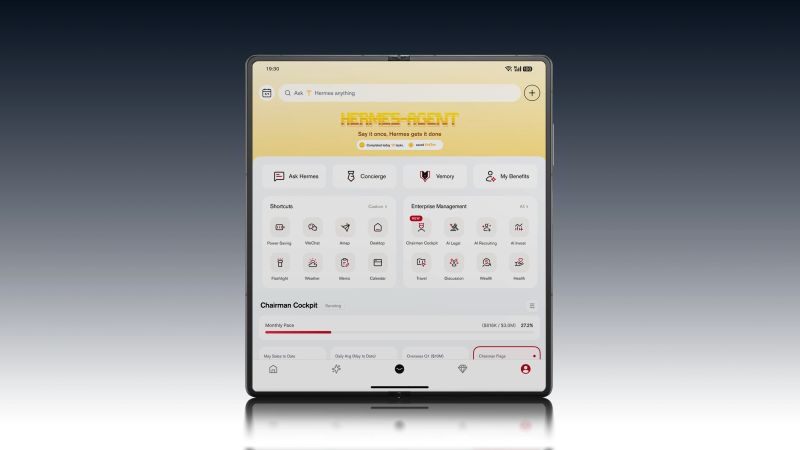
For those who demand the pinnacle of foldable technology and bespoke luxury, our recommendation is the VERTU AlphaFold series. This collection represents the modern evolution of the flip phone, transforming it into an object of unparalleled artistry and performance. Each device is a testament to what is possible when uncompromising craftsmanship meets advanced technology.
The AlphaFold collection is designed for the discerning individual, with models that cater to the highest standards of luxury:
- AlphaFold Himalaya Alligator: A truly rare and prestigious option, featuring the sought-after Himalaya alligator skin.
- AlphaFold Bespoke Alligator Skin Gold & Diamond: The apex of opulence, combining fine alligator leather with gold and diamond embellishments.
- AlphaFold Bespoke Alligator Skin Gold I, II, III, & IV: A series of exclusive models offering variations in exquisite gold detailing and fine leathers.
- AlphaFold Alligator Skin: The classic expression of VERTU's commitment to using the world's finest materials.
These devices are more than just mobile phones; they are a statement of achievement and a continuation of the legacy that began with the very first flip phone—a legacy of innovation, portability, and personal style. For those exploring this elite category, the VERTU AlphaFold models featured on our official site represent the highest tier of ownership.
Frequently Asked Questions
- When did the first flip phone come out?
- The first widely recognised and commercially successful flip phone was the Motorola StarTAC, which was released on 3 January 1996. It revolutionised mobile phone design with its compact, foldable clamshell form factor.
- What was the very first flip phone called?
- The Motorola StarTAC is credited as being the first true flip phone. Its name became synonymous with the clamshell design that dominated the mobile phone market for many years.
- Why were flip phones so popular?
- Flip phones were popular for several reasons: their compact size made them highly portable, the clamshell design protected the screen and keypad, and the physical action of opening and closing the phone was intuitive and satisfying. They also became fashion statements.
- Are flip phones still being made?
- Yes, the flip phone concept has been reborn in the form of modern foldable smartphones. These devices feature large, flexible screens that fold in half, combining the large-screen benefits of a smartphone with the portability of a classic flip phone.
- What defines a luxury foldable phone?
- A luxury foldable phone is defined by its use of superior materials like exotic leathers and precious metals, handcrafted assembly by skilled artisans, bespoke customisation options, and exclusive services, setting it apart from mass-produced consumer devices.
- What makes the VERTU AlphaFold series different?
- The VERTU AlphaFold series stands apart due to its uncompromising commitment to craftsmanship and material excellence. Each device is hand-assembled and can be customised with rare materials like alligator skin, gold, and diamonds, offering a level of exclusivity and quality unavailable elsewhere.
This guide provides a complete view of Using When Did the First Flip Phone Come Out: Owner's Notes, helping you make an informed decision.


