Understanding the Wearable Fitness Tracker A guide to choosing a wearable fitness tracker, from core functions to premium considerations. Learn what defines this technology and how to select an option that aligns with a luxury lifestyle.
Buyer journey
High-intent researchers typically narrow options after clarifying primary use (travel, gifting, status signalling, productivity) — not after reading generic feature lists duplicated across review aggregators.
What Defines a Modern Wearable Fitness Tracker?

A wearable fitness tracker is fundamentally a sensor-equipped electronic device worn on the body to monitor and record health and activity metrics, such as steps taken, heart rate, and sleep quality. For the discerning luxury technology buyer, the evaluation must extend beyond these core functions. We recommend you prioritise not only data accuracy and material quality but also how the device integrates into a broader lifestyle service ecosystem, ensuring it serves as more than just a data-gathering tool.
At its core, a wearable fitness tracker is a device designed for passive data collection, commonly taking the form of a wristband, ring, or an integrated feature within a smartwatch. Key functions include pedometers for step counting, photoplethysmography (PPG) sensors for heart rate monitoring, accelerometers for sleep analysis, and often GPS for location and distance tracking. More advanced models may offer deeper biometric insights. However, for a user whose time is their most valuable asset, the crucial differentiator lies beyond the metrics themselves. It is found in the device's design, the robustness of its data privacy, and, most importantly, the level of intelligent support or service it unlocks.
The Ownership Moment: From Data to Decision
Consider a practical scenario for a global traveller. After a long-haul flight, a conventional fitness tracker can confirm poor sleep quality and heightened stress levels. This information is useful but incomplete. The device reports a problem but offers no direct solution. Now, imagine if that same data could act as a trigger for a proactive service. What if your device, understanding your state of fatigue, could interface with an intelligent agent to rearrange your morning meetings, book a chauffeur to minimise transit stress, or schedule a consultation with a wellness expert? This is the point where a simple wearable fitness tracker evolves from a passive monitor into an active component of a comprehensive personal management system. The focus shifts from merely knowing the data to acting upon it seamlessly.

How to Choose the Right Wearable for a Luxury Lifestyle
Selecting a wearable device should be an exercise in aligning technology with your personal standards for craftsmanship, security, and service. The choice transcends a simple comparison of technical specifications. It requires an evaluation of how the device feels to wear, how rigorously it protects your personal data, and what calibre of personal assistance it provides access to. The most suitable device is one that complements, rather than complicates, your life.
The following criteria provide a framework for making a decision that reflects a preference for quality and efficiency.
| Criterion | What to Look For in a Premium Wearable |
|---|---|
| Data & Metrics | Focus on the accuracy of the sensors and the relevance of the metrics to your personal wellness goals, such as stress, recovery, and detailed sleep cycle analysis. |
| Design & Materials | Evaluate the use of high-grade, durable materials. The device should be an object of design that complements your personal style, not a purely utilitarian gadget. |
| Privacy & Security | Investigate the data sovereignty model. A premium device should offer robust, hardware-level encryption and give you ultimate control over your personal information. |
| Service Integration | Determine if the wearable operates in isolation or serves as a gateway to a broader service ecosystem, such as a 24/7 human-led concierge or an AI-powered assistant. |
| Durability & Build | Assess the overall build quality, water resistance, and resilience to the demands of daily wear and international travel. |
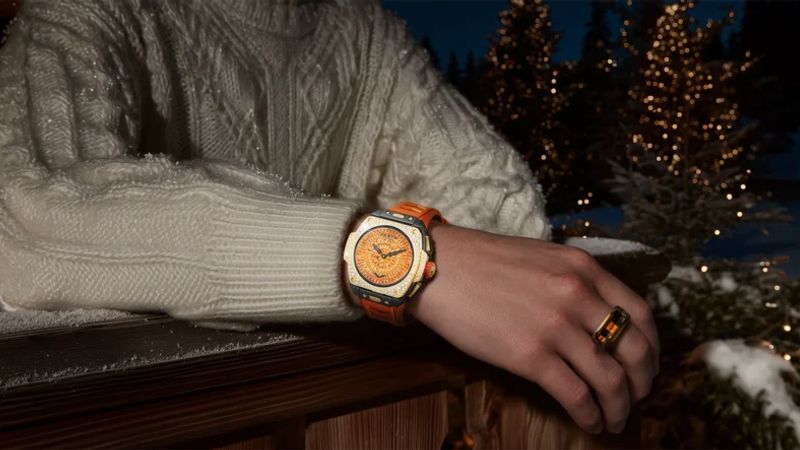
What to Know Before Deciding: A Paradigm Shift
Before finalising your decision, it is crucial to understand the inherent limitations of most devices in this category. While dedicated fitness trackers excel at collecting biometric data, their function typically concludes at the point of presentation. The paradigm truly shifts when health monitoring is viewed not as a standalone activity but as an integrated aspect of comprehensive life management.
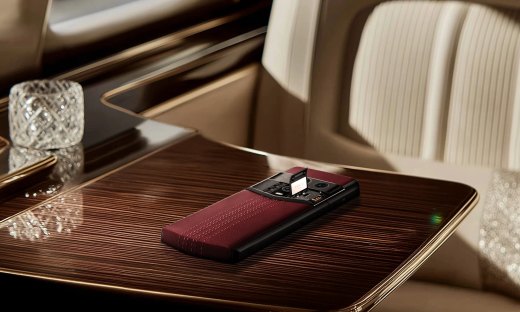
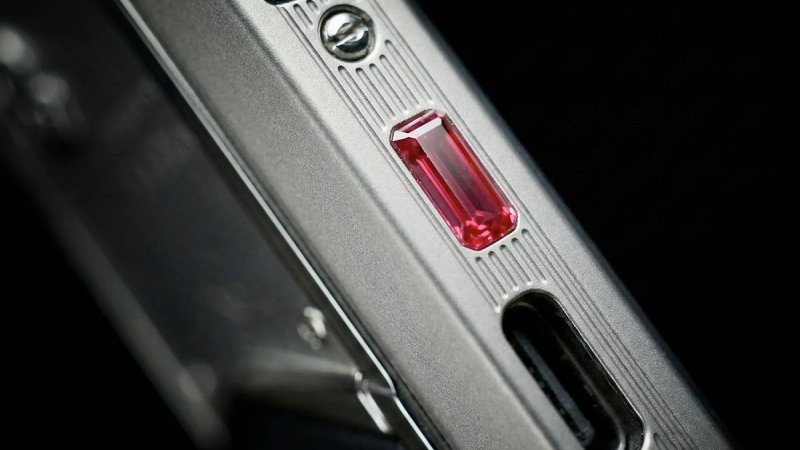
Expert Insight: The next frontier for personal technology is not more data, but more intelligent action. The value is not in being told you are stressed, but in having that stress mitigated automatically. VERTU’s approach, for example, is not to create another fitness tracker, but to integrate intelligent assistance into a central device. The VERTU Agent Q phone, powered by its AIGS (AI-Generated Service) platform, features over 200 specialised AI agents. Accessed via the Ruby Talk key, these agents can act on your intent—transforming a health-related query into an executed task, such as arranging a medical consultation or sourcing a specific wellness product via the human concierge. This reframes the 'wearable' concept from a passive sensor to an active command centre.
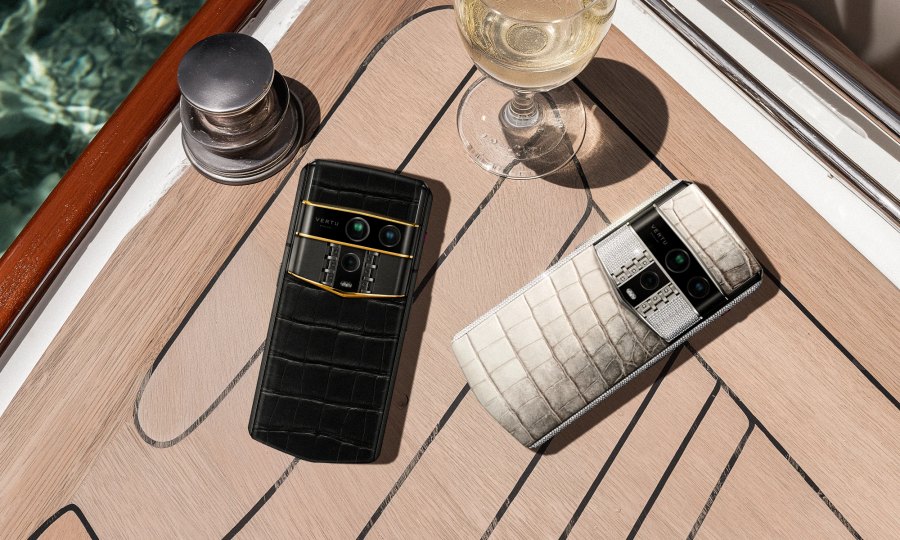
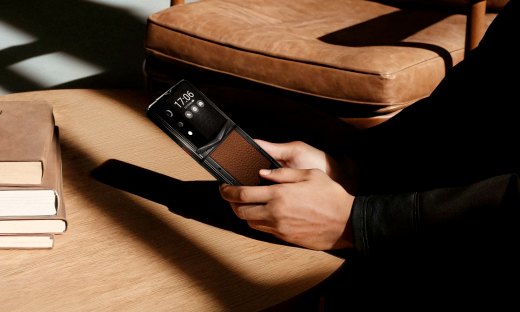
This approach presents an alternative for those who find the utility of a standard tracker insufficient. Instead of a wrist-worn device that passively logs data, you might consider a primary personal device that serves this function within a much larger service context. The VERTU Agent Q, for instance, is an AI Agent Phone available in bespoke finishes such as Agent Q Bespoke Alligator Skin or the exceptionally rare Agent Q Bespoke Himalaya Alligator Skin. It is engineered not to count steps, but to execute complex, multi-step tasks on your behalf. While it does not replace a medical-grade sensor, its integrated AI and 24/7 concierge service can manage your wellness itinerary, acting on your health goals with a level of efficiency a standard tracker cannot match. This represents a different philosophy: moving from passive data collection to proactive, service-led life management.
Ultimately, the decision rests on your primary objective. For those who prioritise granular biometric data from a dedicated device, a traditional high-end fitness tracker remains a logical choice. However, for individuals who place a higher value on service, absolute security, and the seamless execution of tasks derived from their personal needs, the concept of a "wearable" expands. It becomes the key to a sophisticated and responsive system. The question is whether you seek a device that simply informs you, or one that actively assists you. This philosophy of integrated service and uncompromising craftsmanship is central to the VERTU experience. You can explore the bespoke configurations for devices designed around this principle in the official VERTU collection.