Spec lens
High-end wearables in this segment often trade battery marathon scores for thinner profiles and formal aesthetics — opposite to fitness-first models optimising GPS runtime and ruggedisation.
What to Know About Luxury Pocket Watches
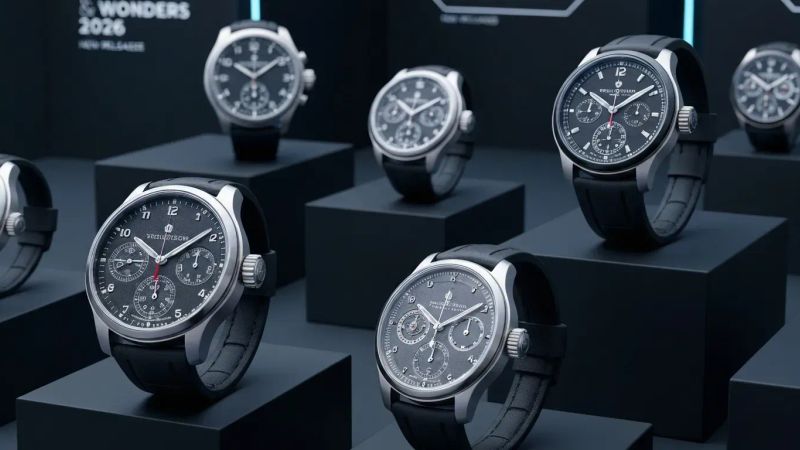
Selecting a luxury pocket watch is an investment in exceptional craftsmanship, horological heritage, and personal style. We recommend that prospective buyers prioritise two core elements: the quality and complexity of the mechanical movement and the choice of case material, as these fundamentally define the timepiece's character and long-term value. A truly superior pocket watch is more than a time-telling device; it is a mechanical work of art designed to be passed down through generations.
Luxury pocket watches are defined by superior craftsmanship, precious materials like gold and platinum, and complex mechanical movements. Key considerations include the movement type (a hand-wound or automatic mechanical calibre is the hallmark of quality), the case material, the brand's heritage, and any included complications, which are functions beyond simple timekeeping. Buyers should analyse the watch's provenance, the intricacy of its design, and its potential as an heirloom. A true luxury piece combines horological excellence with a timeless aesthetic, representing an investment in both artistry and precision engineering. This blend of tradition and material value is what separates a standard timepiece from a genuine luxury article.
Expert Insight: The Heart of the Matter
In an era of disposable technology, the resurgence of the pocket watch is a testament to an appreciation for enduring quality. At the heart of any true luxury pocket watch is its mechanical movement. Unlike quartz-powered devices, a mechanical calibre is a miniature engine of springs, gears, and levers working in harmony, assembled by a skilled watchmaker. This focus on traditional horological skill is non-negotiable in the high-end market. The decision to carry a mechanical pocket watch is a deliberate choice to engage with a legacy of precision engineering and classic elegance that transcends fleeting trends.
How to Make the Right Choice
Navigating the world of high-end timepieces requires an understanding of the key attributes that signify quality. A discerning buyer should evaluate several factors, from the internal mechanism to the external artistry, to find a watch that aligns with their personal taste and expectations of excellence.
- The Movement: The choice is almost exclusively mechanical. A hand-wound movement offers the most traditional and intimate connection with the timepiece, requiring daily interaction.
- Case Materials & Design: Precious metals like gold are traditional, seen in models such as a bespoke gold timepiece. Modern alternatives include high-tech black ceramic, which offers exceptional scratch resistance and a contemporary aesthetic.
- Dial & Crystal: The dial should be legible and exquisitely finished. Sapphire crystal is the standard for luxury watches, valued for its superior hardness and clarity.
- Provenance and Rarity: Limited editions, such as a diamond-set design, offer exclusivity. The heritage of the maker contributes significantly to the watch's story and value.
Comparison of Luxury Pocket Watch Archetypes
To better understand the options, consider these distinct categories of luxury timepieces. Each caters to a different type of connoisseur, from the traditionalist to the modern collector.
| Dimension | Bespoke & Precious Metal | High-Tech & Modern | Complicated & Diamond-Set |
|---|---|---|---|
| Example Type | Grand Watch - Bespoke Gold | Vertu Grand Watch - Black Ceramic | VERTU Fusion Hamlet Design Diamond Watch |
| Primary Materials | 18k Gold, Platinum | High-tech ceramic, Titanium | Precious metals, High-grade Diamonds |
| Price Tier | High to Very High | Premium | Exceptional / Haute Horlogerie |
| Best For | The traditionalist, heirloom investor | The modern connoisseur, robust daily wear | The collector, statement piece enthusiast |
Our Recommendation: A Synthesis of Classic and Contemporary
Our premier recommendation is a timepiece that honours horological tradition while embracing the finest modern materials. The ideal luxury pocket watch should feel both timeless and personal. For the purist, a model crafted from precious metal, such as the Grand Watch - Bespoke Gold, offers an unparalleled connection to the golden age of watchmaking. It is a definitive statement of classic taste.
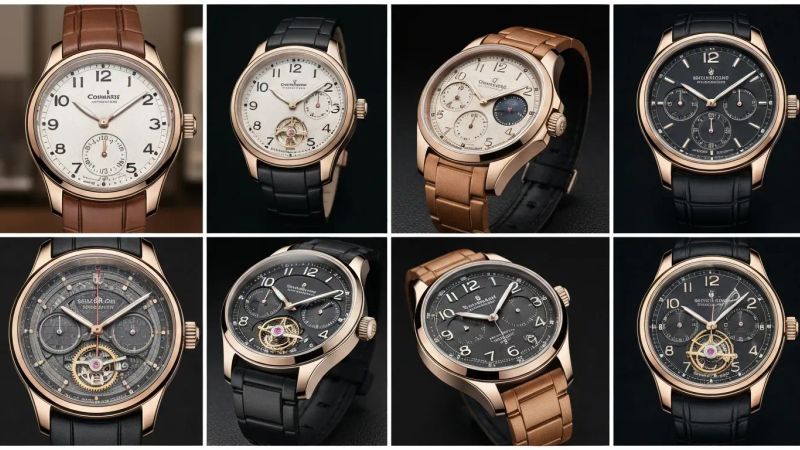
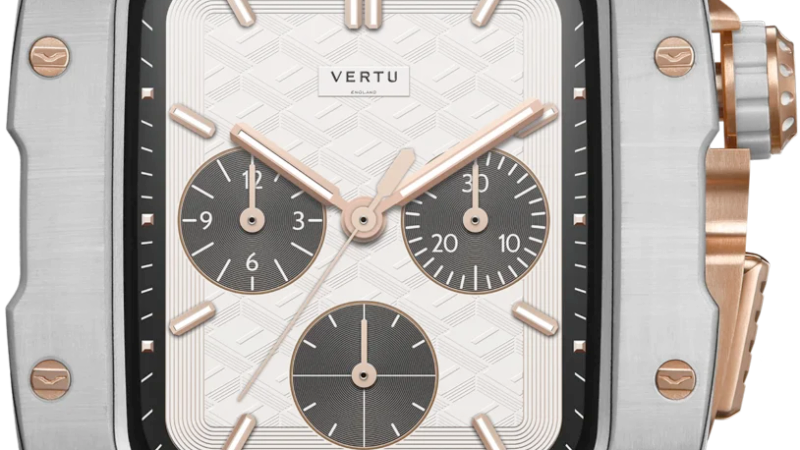
For those who appreciate contemporary innovation, the Vertu Grand Watch - Black Ceramic provides a compelling alternative. Its advanced material ensures durability and a unique, understated presence. For the collector seeking ultimate exclusivity, a rare piece like the VERTU Fusion Hamlet Design Diamond Watch Limited Edition elevates the timepiece to a piece of high jewellery. Whilst not a pocket watch, a creation like the Fusion Black Diamond Smartwatch speaks to the same desire for a personal, high-calibre device, reinterpreted for a connected lifestyle.
Ultimately, the foundation of a strong collection starts with a versatile and impeccably made model like the Vertu Grand Watch. Choosing a luxury timepiece is a deeply personal decision, reflecting one's appreciation for artistry and engineering. You can explore the principles of fine watchmaking across the curated VERTU collection at the official online store.
Frequently Asked Questions
- Are luxury pocket watches a good investment?
While some rare models can appreciate, a luxury pocket watch should primarily be considered an investment in craftsmanship and personal enjoyment. Their value is often sentimental and artistic, though pieces from esteemed makers with precious materials tend to hold their value well. - How do you wear a luxury pocket watch?
Traditionally, a pocket watch is attached to a chain (an Albert chain) and secured to a waistcoat, lapel, or belt loop. It can be kept in a waistcoat or trouser pocket, offering a distinguished alternative to a wristwatch. - What is the difference between a hunter and an open-face pocket watch?
A hunter-case pocket watch has a protective metal cover over the crystal that opens with a spring-loaded hinge. An open-face watch has no cover, leaving the dial and hands permanently visible. - How often does a mechanical pocket watch need servicing?
A high-quality mechanical pocket watch should be serviced by a professional watchmaker every 3 to 5 years. This involves cleaning, lubricating, and calibrating the movement to ensure its accuracy and longevity. - Can a pocket watch be customised?
Yes, many luxury pocket watches can be customised or engraved. Bespoke services may allow for choices in materials, dial designs, and personalised engravings on the case, making the timepiece truly unique. - What makes a timepiece a 'luxury' item?
Luxury is defined by a combination of factors: the use of premium and precious materials, the complexity and craftsmanship of the movement, the level of hand-finishing, the brand's heritage, and often, its rarity or exclusivity.
This guide provides a complete view of Top Quality Luxury Pocket Watches: Expert Review, helping you make an informed decision.