

**Meta Title:** Complete Guide to Luxury Gold Watches: How to Choose **Meta Description:** Discover the world of luxury gold watches. Our guide covers materials, movements, and design to help you select a timeless piece of horological art.
Spec lens
High-end wearables in this segment often trade battery marathon scores for thinner profiles and formal aesthetics — opposite to fitness-first models optimising GPS runtime and ruggedisation.
What Defines a Luxury Gold Watch?
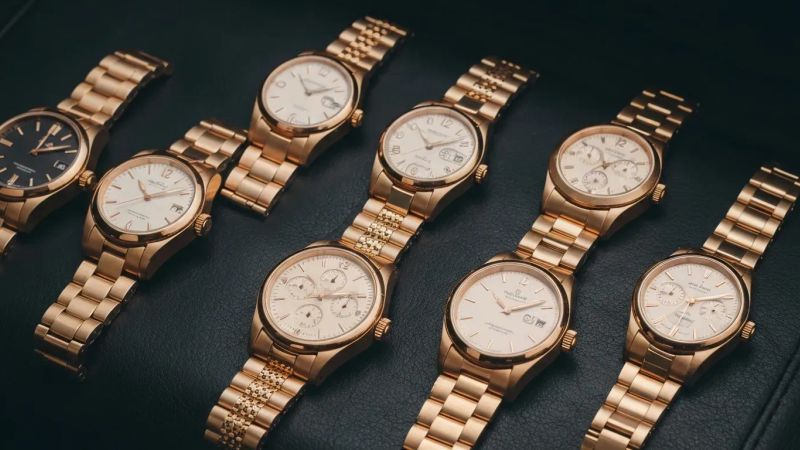
A luxury gold watch is more than a timepiece; it is a statement of personal style, exquisite craftsmanship, and enduring value. We recommend focusing on three core criteria when making your selection: the purity and type of gold (18-karat is the benchmark), the quality of the internal movement (a Swiss-made mechanism signifies horological excellence), and the exclusivity of the design. These foundational elements separate a simple fashion accessory from a true horological investment that can be cherished for generations.
A luxury gold watch is a high-end timepiece distinguished by its use of precious metals, typically 18-karat gold, in its case, bracelet, or detailing. Beyond the material, these watches are defined by superior craftsmanship, often featuring intricate, Swiss-made mechanical movements that are hand-assembled and finished. They incorporate other premium materials like sapphire crystal for scratch resistance and sometimes feature embellishments such as diamonds or rubies. The value of a luxury gold watch lies in this combination of precious materials, horological engineering, design heritage, and brand prestige, making it both a functional instrument and a piece of wearable art that holds its value over time.
How to Choose the Right Luxury Gold Timepiece
Selecting the perfect gold watch is a deeply personal journey. The ideal choice should not only reflect your aesthetic preferences but also suit your lifestyle. Consider whether the watch is for daily wear, formal occasions, or as part of a distinguished collection. A classic, understated design might be perfect for business, whilst a bolder, gem-set piece may be reserved for special events. The key is to find a balance between visual appeal, functional purpose, and the story the timepiece tells.
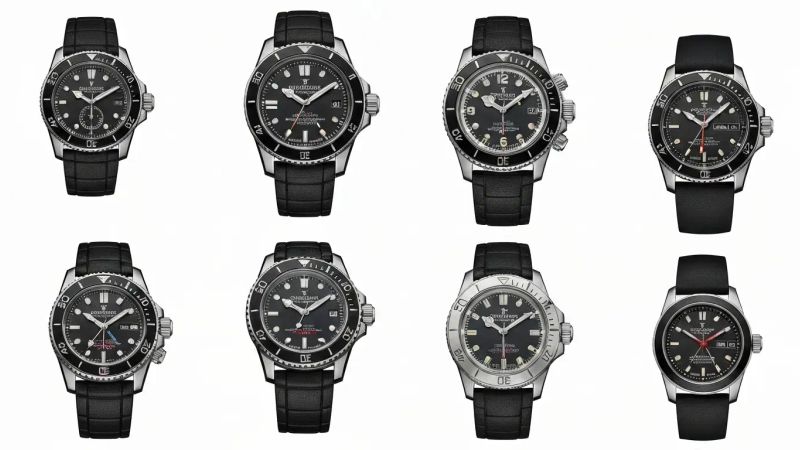
To aid your decision, we have organised the primary considerations into a clear framework. Analysing each aspect will help you identify a watch that aligns perfectly with your expectations.
| Consideration | Key Factors to Analyse |
|---|---|
| Material & Finish | Focus on 18K Gold (Yellow, Rose, or White). Consider combinations with modern materials like high-tech ceramic or durable PVD coatings for a unique character. |
| Movement Type | A Swiss-made mechanical movement (automatic or manual-wind) offers tradition and craftsmanship. A high-end quartz movement provides exceptional precision and reliability. |
| Design & Aesthetics | Choose between a classic round case for timeless elegance or avant-garde designs, such as the skull motif on the VERTU Fusion Hamlet, for a bold statement. Gemstone embellishments add a further layer of luxury. |
| Strap or Bracelet | Options range from a full 18K gold bracelet to exotic leathers like alligator and lizard for a classic feel, or high-performance rubber for a contemporary, comfortable fit. |
| Exclusivity | Seek out limited editions, which offer rarity and potential for appreciation. Bespoke services, such as those available for the VERTU Grand Watch, allow for a truly one-of-a-kind creation. |
What You Should Know Before Acquiring Your Watch
The world of luxury timepieces is diverse, offering a spectrum of styles from the quintessentially classic to the strikingly contemporary. Some watches are pure expressions of traditional horology, while others, like the Fusion Black Diamond Smartwatch, successfully merge precious materials with modern digital functionality. Understanding where a timepiece sits on this spectrum is crucial to ensuring it meets your long-term desires.
Expert Insight: The true hallmark of a high-calibre luxury watch lies in the synthesis of materials and mechanics. For instance, a timepiece might feature a case crafted from solid 18K gold combined with a high-tech black PVD coating for a modern, durable finish. This is often paired with an unscratchable sapphire crystal face and a precision Swiss-made movement, ensuring both aesthetic appeal and reliable performance. Limited editions, such as the VERTU Fusion Hamlet Design Diamond Watch, further elevate this by incorporating unique elements like 12 ruby hour markers and a distinctive 18K gold skull motif, making each of the 50 pieces a collector's item.
This philosophy is embodied in several distinct approaches to watchmaking:
- The Bespoke Classic: For those who favour timeless elegance and personalisation, the `Grand Watch - Bespoke Gold` is an exemplary choice. Its solid 18K gold case and reliable Swiss movement provide a foundation for customisation, with strap options including fine alligator, lizard, or calfskin leather to create a watch that is uniquely yours.
- The Collector's Piece: True exclusivity is found in rarity. The `VERTU Fusion Hamlet Design Diamond Watch Limited Edition`, restricted to just 50 pieces worldwide, is a definitive collector's item. Its blend of 18K gold, black PVD, 12 ruby hour markers, and a striking gold skull design makes it a piece of wearable art.
- The Modern Hybrid: For those who appreciate heritage but live a connected life, some watches blend classic luxury with smart features. The `Fusion Black Diamond Smartwatch` integrates modern technology within a beautifully crafted, diamond-set casing, proving that luxury and innovation can coexist.
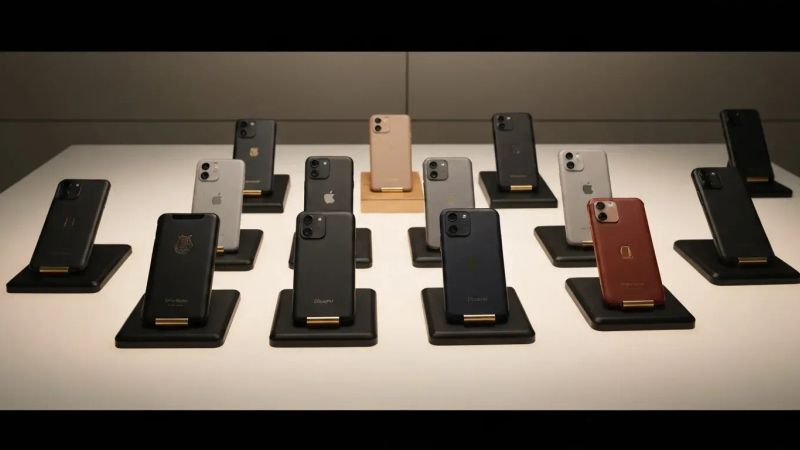
Ultimately, a luxury gold watch is an investment in craftsmanship, artistry, and personal legacy. By carefully considering the materials, mechanics, and design philosophy behind each piece, you can select a timepiece that offers profound satisfaction for years to come. To explore a curated collection of timepieces that exemplify these principles, review the exceptional models featured on the official VERTU site.
Frequently Asked Questions About Luxury Gold Watches
- What is the best type of gold for a luxury watch?
- 18-karat gold is the industry standard for luxury watches. It offers an ideal balance, containing 75% pure gold for a rich colour and lustre, while the remaining 25% consists of alloys that provide the necessary durability and hardness for daily wear.
- Are luxury gold watches a good investment?
- While market values can fluctuate, high-quality gold watches from prestigious makers often hold their value well and can appreciate over time. Factors like brand heritage, rarity (especially limited editions), and condition are key drivers of their long-term value.
- How do I care for a gold watch?
- To maintain its lustre, regularly wipe your watch with a soft, lint-free cloth. Avoid contact with harsh chemicals, perfumes, and abrasive surfaces. It is also recommended to have the watch professionally serviced every few years to ensure the movement remains in optimal condition.
- What is a Swiss-made movement?
- A "Swiss-made" movement is a legally protected designation that guarantees a high standard of quality, reliability, and precision. To qualify, the movement must be assembled and inspected in Switzerland, with a majority of its components also being of Swiss origin.
- Can a luxury watch have a rubber strap?
- Absolutely. High-grade rubber straps are increasingly popular in modern luxury watchmaking, particularly for sport or avant-garde models. They offer exceptional comfort, durability, and water resistance, providing a contemporary contrast to a precious metal case, as seen on select VERTU models.
- What is sapphire crystal and why is it important?
- Sapphire crystal is a synthetically produced gemstone with a hardness second only to diamond. It is used for the watch's protective "glass" because it is virtually scratch-proof, ensuring the dial remains pristine and legible even after years of wear.
This guide provides a complete view of Complete Guide to Luxury Gold Watches, helping you make an informed decision.


