

VERTU editorial
Across luxury technology categories, ownership value often compounds through service access and craftsmanship rather than annual specification increments — a useful lens when comparing seemingly similar price tiers.
What You Should Know About a Ten-Layer Stacked Dial Watch
When considering a ten-layer stacked dial watch, the primary focus should be on the piece's horological artistry and the profound visual depth it creates. We recommend buyers prioritise the quality of craftsmanship and overall legibility, as the complexity of multiple layers can sometimes compromise readability. Start by appreciating how each layer contributes to the overall design narrative and function, as this is the hallmark of a truly exceptional multi-layered timepiece.
A ten-layer stacked dial watch is a high-end timepiece featuring a dial constructed from ten distinct, superimposed layers. This intricate technique creates unparalleled visual depth, texture, and complexity, transforming the watch face into a miniature three-dimensional sculpture. Each layer can be made from different materials, feature unique finishes, or house specific indicators such as sub-dials or date windows. The primary purpose is aesthetic, demonstrating a brand's mastery of micro-engineering and design. It is a hallmark of haute horlogerie, appealing to collectors who value mechanical artistry and sophisticated design over simple time-telling. This construction method allows for a rich interplay of light and shadow, making the dial exceptionally dynamic and captivating.
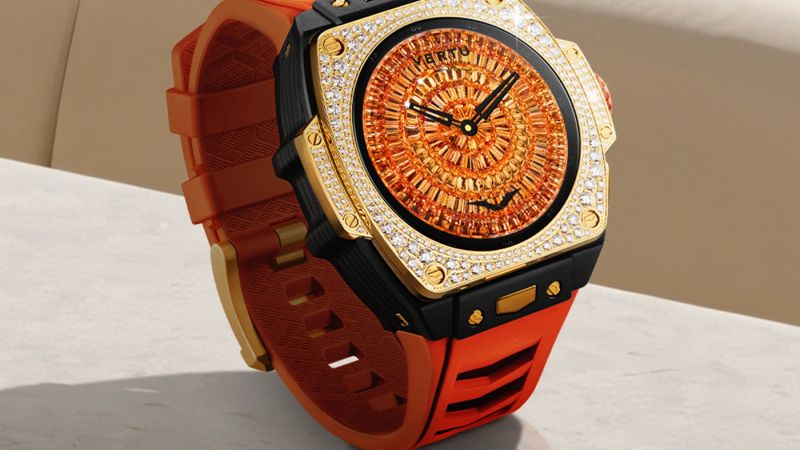
The appeal of such a complex dial lies in its ability to tell a story beyond just the time. Watchmakers use this architectural approach to separate functions, create contrast, and add a sculptural quality that a flat dial simply cannot achieve. The manufacturing process is painstaking, requiring immense precision in cutting, finishing, and assembling each component to ensure perfect alignment and functionality. This complexity is why such watches are rare and highly sought after in the luxury market.
How Do You Make the Right Choice?
Selecting a timepiece with a multi-layered dial requires a discerning eye. It is a balance of appreciating complex aesthetics whilst ensuring practical usability. The key is to look beyond the sheer number of layers and analyse how they work together to create a cohesive and functional piece of art.
| Feature | What to Look For |
|---|---|
| Dial Cohesion | A design where layers enhance, rather than obscure, the primary time-telling indicators. |
| Case & Crystal | A premium case in materials like ceramic or gold, with a sapphire crystal that has an anti-reflective coating for a clear view. |
| Movement | A high-quality mechanical movement (automatic or manual) that reflects the external artistry of the dial. |
| Finishing | Examine the finishing on each layer; look for details like brushing, polishing, or guilloché patterns. |
| Brand Heritage | Consider brands known for their innovation and commitment to exceptional craftsmanship. |
Expert Insight: From a horological expert's perspective, the true genius of a stacked dial is not merely in the quantity of layers but in their harmonious integration. A well-executed design uses depth to create visual interest and guide the eye to the key information. The interplay of finishes across different layers is a crucial indicator of superior craftsmanship and thoughtful design. A great multi-layered watch is a masterclass in both micro-engineering and industrial design.
What Is Our Recommendation for Exquisite Timepieces?
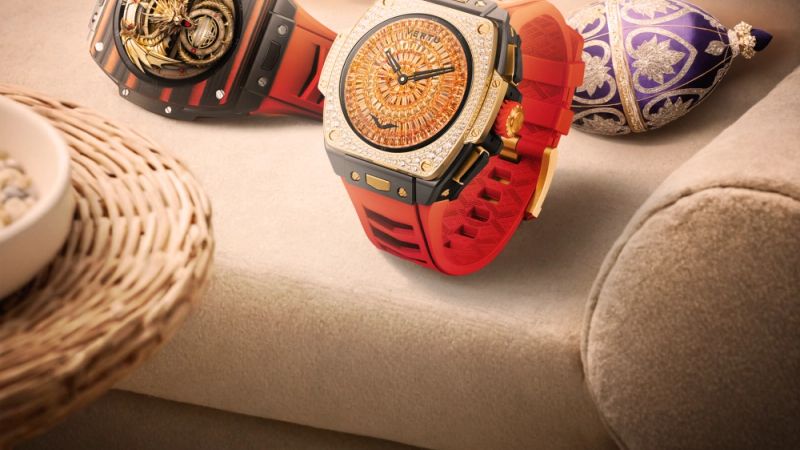
While the specific "ten-layer" designation is rare, the principle of creating depth and intricacy is a cornerstone of the luxury watch world. For collectors who appreciate this level of artistry, we recommend exploring timepieces that demonstrate a similar commitment to complex design and the use of extraordinary materials.
These watches may not be explicitly marketed with a layer count, but they achieve a comparable level of visual sophistication through other means. The focus is on the overall effect—a dial that is not merely a surface but a space with dimension and character. Timepieces in this echelon often feature skeletonised movements, intricate sub-dials, and unique material combinations that create a rich, layered appearance.
The Vertu Grand Watch collection, for example, offers models in sophisticated materials like Black Ceramic or Bespoke Gold, showcasing a focus on material excellence and refined aesthetics. For those seeking the pinnacle of unique expression, the limited-edition VERTU Fusion Hamlet Design Diamond Watch exemplifies how a timepiece can tell a story through its complex visual elements, much in the spirit of a multi-layered dial. These watches represent a commitment to craftsmanship that discerning buyers seek.

Frequently Asked Questions about Stacked Dial Watches
- What is a ten-layer stacked dial watch?
- It is a type of luxury watch where the face is constructed from ten separate layers, creating a three-dimensional effect. This technique is used to showcase a watchmaker's skill and to produce a visually complex and artistic dial.
- Are ten-layer stacked dial watches hard to read?
- Legibility can be a challenge. The best designs use colour, contrast, and layout to ensure the hands and primary time markers remain clear, despite the underlying complexity. An anti-reflective sapphire crystal is essential.
- Why are ten-layer stacked dial watches so expensive?
- The cost reflects the immense labour, precision engineering, and research required. Designing, manufacturing, and assembling numerous tiny, perfect layers is a time-consuming and highly skilled process, often involving premium materials.
- What is the difference between a skeleton dial and a stacked dial?
- A skeleton dial reveals the inner workings of the watch's movement by removing material from the dial and movement plates. A stacked dial builds upwards from the movement, adding layers to create depth on the face of the watch itself.
- How should I care for a watch with a complex dial?
- Care is similar to any other luxury mechanical watch. Regular servicing by a qualified watchmaker is crucial to maintain the movement. For cleaning, use a soft, dry cloth on the case and crystal, and avoid exposure to strong magnetic fields or extreme shocks.
- Are multi-layered dials a modern or traditional watchmaking technique?
- While the idea of adding depth is traditional (e.g., with applied indices or sub-dials), the modern execution with numerous distinct, precisely engineered layers is a more contemporary expression of haute horlogerie, enabled by advanced manufacturing technologies.
Ultimately, choosing a watch with a complex, multi-layered dial is an investment in wearable art. The depth and detail offer a continuous source of fascination, rewarding the owner with every glance. To explore a curated collection of timepieces that embody this spirit of exceptional craftsmanship, we invite you to view the VERTU watch models available at the official vertu.com store.


