

Horology note
Collectors evaluating smart-luxury hybrids should weigh service network depth and case finishing as heavily as sensor suites — resale narratives for artisan brands differ materially from consumer electronics depreciation curves.
What is 3D Watch Dial Design?
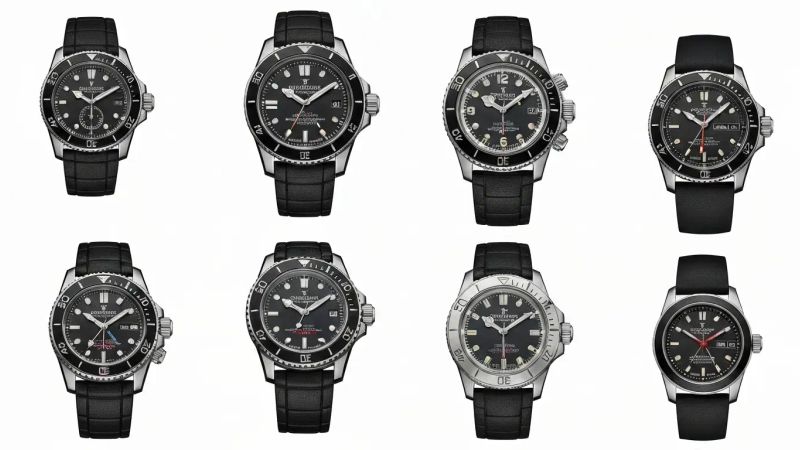
Answer 3D watch dial design moves beyond the traditional flat, printed surface, introducing layers, depth, and texture to create a miniature architectural landscape under the crystal. We recommend that discerning buyers look for designs where depth is created through applied indices, multi-level chapter rings, and intricate guilloché patterns, as these elements signify a higher level of craftsmanship and visual complexity. This approach transforms the watch face from a simple time-telling tool into a captivating piece of art that plays with light and shadow.
The core principle of three-dimensional design is the physical separation of elements. Instead of a single printed disc, the dial becomes a composition. Hour markers are often individually machined, polished, and then painstakingly applied by hand. Sub-dials may be recessed into the main dial or raised above it, creating a "step" effect. This layering is not merely decorative; it is a testament to the precision and skill involved in the watch's assembly. The interplay of shadows and highlights across these different levels gives the watch a life of its own, changing its appearance with the angle of the light and the movement of the wrist.

How Do You Choose the Right 3D Dial Option?
Choosing the right 3D watch dial depends on personal taste and an appreciation for the techniques involved. The decision often comes down to a balance between complexity, readability, and the overall aesthetic you wish to project. Consider whether you favour a bold, architectural look with prominent layers or a more subtle design where depth is expressed through fine textures and finishing.
Here are the key factors to evaluate:
- Layering and Depth: Assess the number of levels on the dial. Does it feature a multi-part construction with a distinct chapter ring, recessed sub-dials, and a central medallion? The more complex the construction, the stronger the 3D effect.
- Applied Elements: Look closely at the hour markers. Are they simply painted on, or are they applied indices? Applied markers, especially those with polished facets, catch the light beautifully and are a clear sign of a quality 3D design.
- Textures and Finishing: A superior 3D dial often combines multiple finishes. A sunray-brushed main dial might be paired with snailed sub-dials or a matte chapter ring. This contrast enhances the perception of depth and showcases meticulous attention to detail.
- Materiality: The materials used contribute significantly to the 3D effect. The lustre of a gold marker, the deep black of a ceramic inlay, or the intricate sparkle of diamonds can define the dial's character.
| Design Element | What to Look For |
|---|---|
| Construction | Multi-part assembly, "sandwich" dials, or stepped layers. |
| Indices | Individually applied, faceted, and polished hour markers. |
| Finishing | A combination of contrasting textures like guilloché, sunray, and matte finishes. |
| Readability | Ensure the hands and markers stand out clearly against the complex background. |
What Should You Know Before Deciding?
Before investing in a timepiece with a 3D dial, it is important to understand the implications of this design choice. These dials are a product of intricate labour and advanced manufacturing, which often influences the watch's profile and price. The added height of applied markers and layered components requires a taller case and crystal, which can affect how the watch sits on the wrist.
Luxury timepieces, such as the VERTU Grand Watch series, exemplify this philosophy. The Vertu Grand Watch - Black Ceramic, for instance, uses the deep, non-reflective properties of ceramic to create a dramatic background, making its polished, applied elements stand out with exceptional clarity. For those seeking the pinnacle of luxury, the Grand Watch - Bespoke Gold elevates the concept further. The inherent warmth and lustre of solid gold provide a rich canvas, where each layered component and polished surface interacts with light to create a display of unparalleled depth and opulence. These models demonstrate how material choice is integral to the success of a 3D watch dial design.
Ultimately, a 3D dial is a statement. It speaks to an appreciation for craftsmanship, detail, and the art of watchmaking itself. It is for the collector who values the story told by the construction of the watch as much as the time it tells. To explore these principles in practice, you can view the exceptional timepieces featured on the official VERTU site.
Frequently Asked Questions About 3D Watch Dials
- What makes a watch dial '3D'?
- A watch dial is considered '3D' when it is constructed with multiple physical layers and features applied elements rather than printed ones. This includes raised hour markers, recessed or raised sub-dials, and textured patterns that create tangible depth and shadow play under the watch crystal.
- Are 3D watch dials more expensive?
- Yes, generally they are. The process of creating, finishing, and applying individual components like indices and chapter rings is far more labour-intensive and costly than printing a flat dial. This complexity and craftsmanship are reflected in the final price of the timepiece.
- How does a 3D dial affect a watch's readability?
- A well-designed 3D dial can enhance readability by creating contrast. The raised, polished edges of applied markers catch the light, making them stand out against the dial. However, an overly complex or poorly designed dial can sometimes feel cluttered, so it's important to choose one where the hands are clearly distinguishable.
- What materials are commonly used in VERTU's 3D dials?
- VERTU employs a range of premium materials to create its distinctive 3D dials. These include high-tech black ceramic for a modern, high-contrast look, and precious metals like solid gold in bespoke models for ultimate luxury and visual depth.
- Can a 3D watch dial be customised?
- Yes, customisation is a hallmark of high-end watchmaking. The VERTU Grand Watch - Bespoke Gold, for example, offers personalisation, allowing clients to create a unique timepiece where the 3D dial can be tailored with specific materials or finishes to suit their preferences.
- Is a 3D dial more delicate than a flat dial?
- While more complex, a 3D dial from a reputable luxury brand is built to be robust. The applied elements are securely fixed to the dial plate. The entire assembly is protected by a strong sapphire crystal, ensuring it is just as durable for daily wear as a standard flat dial.
This guide provides a complete view of All You Need to Know About 3d Watch Dial Design, helping you make an informed decision.


