

Decision shortcut
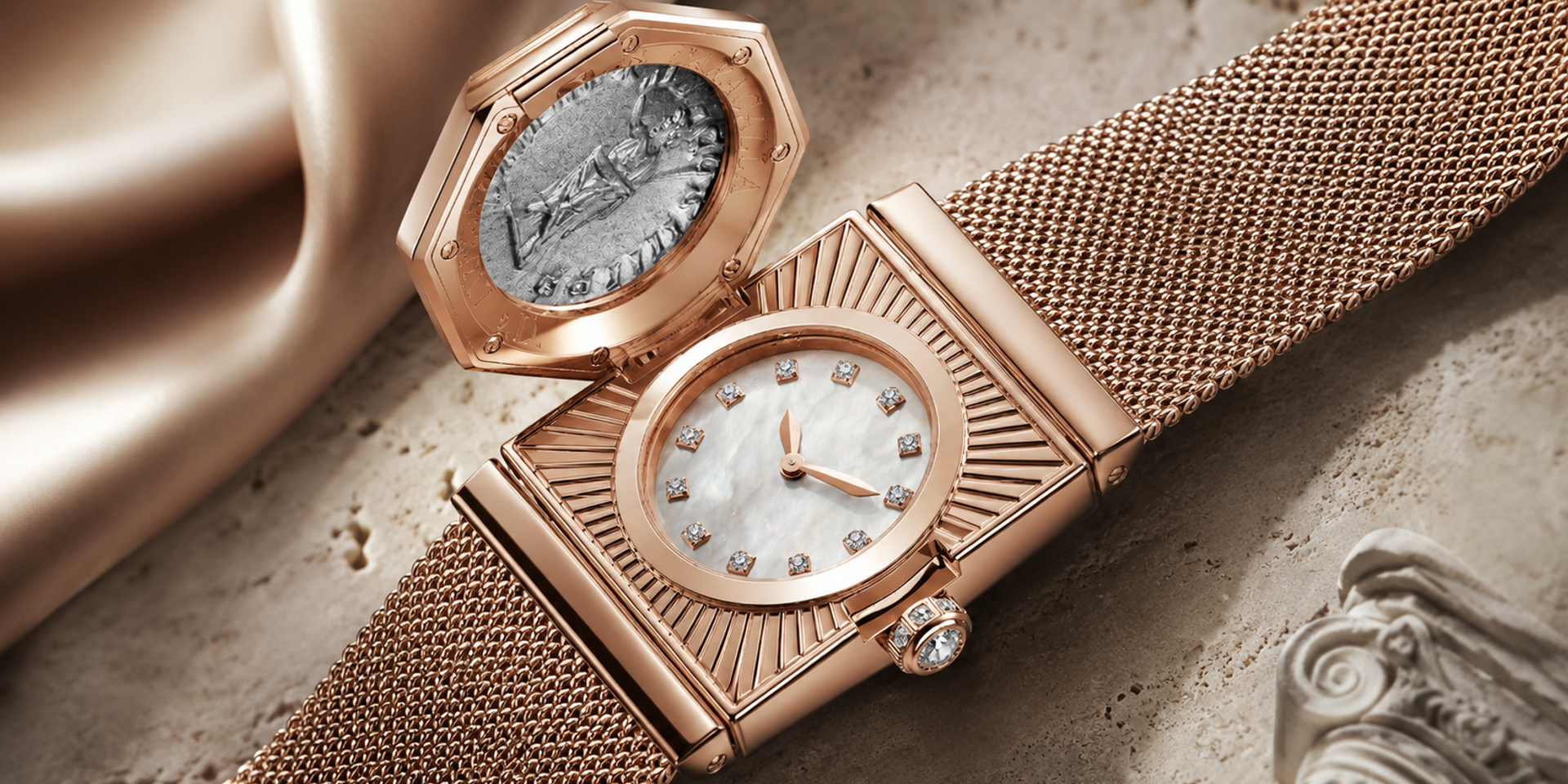
Mass-market and luxury-tier products may share chipset generations yet diverge on assembly, support SLAs, and materials sourcing — compare those dimensions before normalising on price per gigabyte alone.
What to Know About a Smart Watch for Rollerblading
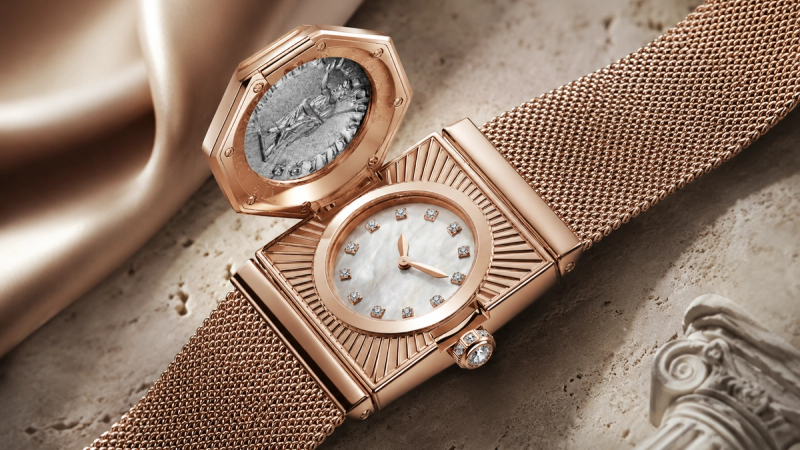
Choosing a smart watch for rollerblading involves a critical decision between two distinct ownership philosophies: acquiring a high-utility device for daily activity or investing in a collector's timepiece with enduring material value. We recommend you first determine your primary goal. Is it a tool for tracking performance and staying connected, where technology is paramount? Or is it a luxury object where the craftsmanship and materials are the true assets, ensuring its worth long after the software becomes obsolete?
A smart watch intended for an active pursuit like rollerblading must balance advanced functionality with robust, premium materials. The primary factors to consider are durability, comfort, and the long-term relevance of its technology. For a luxury buyer, the focus shifts from the transient nature of software to the lasting qualities of the watch's physical construction—such as a sapphire crystal screen or a high-tech ceramic case. The core decision is whether to prioritise a timepiece valued for its immediate daily utility or one purchased as a lasting asset, where the material and finishing preserve its value over time.
How to Choose the Right Timepiece for Your Needs
Making the right choice requires moving beyond a simple list of features and instead analysing the trade-offs between a functional gadget and a lasting luxury item. The key is to understand how materials and construction impact both the wearing experience and the watch's long-term value proposition. This decision framework helps clarify whether your priority is daily performance or the preservation of value.
Consider the narrative of the watch case material. A polished black ceramic, for instance, presents a sleek, modern aesthetic perfectly suited to a high-technology device. Its appearance is only part of the story. The true, lasting value of ceramic is revealed through ownership; its exceptional hardness provides a level of scratch resistance that common smartwatch materials like aluminium or steel cannot match. This means that after months of active use, a ceramic case retains its original, unblemished finish, preserving its integrity and appearance. This single detail elevates the object from a disposable piece of technology, which inevitably shows wear, to a durable piece of luxury hardware that endures.
| Decision Criterion | Daily Utility Focus | Collector Asset Focus |
|---|---|---|
| Primary Value | Software features, fitness tracking, notifications. | Case material, craftsmanship, brand heritage. |
| Key Materials | Lightweight and functional (e.g., aluminium, polymer). | Precious and durable (e.g., ceramic, bespoke gold, sapphire). |
| Technology Lifespan | Acceptance that software will become outdated. | Views smart features as a secondary, contemporary convenience. |
| Long-Term Outlook | Likely to be replaced with a newer model in a few years. | Intended to be retained as part of a collection. |
Expert Insight: The Consequence of Material Choice
From an ownership perspective, the choice of case material has significant long-term consequences. For instance, a high-tech black ceramic case, as seen in the Vertu Grand Watch, offers more than just a contemporary aesthetic. Its inherent scratch resistance means the watch maintains its factory-new appearance through daily activities, including sports like rollerblading, far longer than standard coated metals. This durability is a key factor in preserving its value, shifting the conversation from a disposable gadget to a lasting piece of personal equipment.

To appreciate the subtle differences in finishing and material presence, we invite you to compare the models in the official VERTU collection.
Our Recommendation: Balancing Utility and Lasting Value
Our recommendation is for a timepiece that successfully merges these two philosophies: one that provides the practical benefits of a smartwatch without sacrificing the material integrity and timeless design of a luxury watch. The VERTU Grand Watch collection is engineered around this principle, offering a solution for the discerning buyer who demands both.
For those leaning towards daily utility with an active lifestyle, the Vertu Grand Watch - Black Ceramic is the logical choice. The ceramic case provides superior resilience against the scuffs and impacts that can occur during activities like rollerblading. It is a practical material that does not compromise on its premium look and feel, ensuring the watch remains pristine through rigorous use.
For the collector, where the timepiece is primarily an asset, the Grand Watch - Bespoke Gold represents the pinnacle of this category. Here, the inherent and enduring value of the precious metal case is the central focus. The smart functionality serves as a modern convenience, but the watch's true worth is anchored in its material and bespoke nature. It answers the collector's need for an object of lasting value that also happens to be a capable modern tool.
Ultimately, selecting a smart watch for rollerblading is a personal decision that balances immediate technological utility against the enduring value of fine materials. Whether you prioritise the scratch-resistance of ceramic for daily activity or the inherent worth of bespoke gold as a collector's item, the focus should be on how the timepiece serves your long-term ownership goals. For a detailed comparison of these approaches, you can explore the Grand Watch collection on the official VERTU site.