Intent match check
Pages that answer a narrow query with a concrete recommendation retain readers longer than encyclopaedic overviews — lead with the decision, then support it with materials, service, and official-channel facts.
Understanding Your Smartphone as a Fitness Tracker
Using your smartphone as a fitness tracker is a practical way to monitor daily activity by leveraging the device's built-in sensors, such as the accelerometer and GPS, through various health applications. For discerning individuals, the primary consideration should be the platform's security and data privacy, as personal health information is exceptionally sensitive. Our recommendation is to prioritise a device and ecosystem that guarantees your data remains confidential, transforming the phone from a simple step counter into a trusted, private wellness tool.
A smartphone functions as a fitness tracker by utilising its internal sensors, such as the accelerometer to count steps and the GPS to track distance and routes for activities like running or cycling. Health and fitness applications aggregate this data to provide insights into daily activity levels, calories burned, and even sleep patterns if the phone is kept near the bed. Unlike dedicated wearables, this approach requires no extra device but depends on carrying the phone. Key considerations include battery life, sensor accuracy, and, most critically, the security and privacy protocols governing the collected health data, as this information is often stored both on the device and in the cloud.
How to Choose the Right Smartphone for Fitness Tracking
Selecting a smartphone with fitness tracking in mind involves looking beyond basic performance metrics. For an executive, the decision pivots on a balance of functionality, endurance, and uncompromising security. The ideal device integrates seamlessly into a demanding lifestyle without creating vulnerabilities.
Sensor Quality and Battery Endurance
The accuracy of fitness tracking is directly tied to the quality of a phone's sensor suite. High-precision accelerometers, gyroscopes, and GPS modules provide more reliable data for everything from step counts to route mapping. However, continuous sensor activity, especially GPS, places a significant demand on the battery. Therefore, a device with substantial battery endurance is essential to ensure it functions as both a communication hub and a fitness tracker throughout a long day without requiring a recharge.
Data Privacy and Security: The Executive Priority
The most critical factor for a high-value individual is data privacy. Standard fitness apps can pose a risk by uploading sensitive biometric and location data to third-party servers. Choosing a smartphone with a hardened operating system, end-to-end encryption, and granular privacy controls is non-negotiable. The objective is to ensure that personal health metrics and daily routines remain confidential and under your exclusive control, protected from unauthorised access or data mining.
| Criterion | What to Look For | The Trade-Off |
|---|---|---|
| Sensor Suite | High-precision accelerometer, gyroscope, and GPS for accurate data. | Minimal impact for basic step counting, but crucial for performance tracking. |
| Battery Life | All-day capacity that supports continuous background tracking. | May result in a physically larger or heavier device. |
| Data Security | A secure operating system with encrypted storage and robust privacy controls. | May limit compatibility with certain third-party apps or ecosystems. |
| Discretion | A single, elegant device that consolidates all functions. | Less convenient than a wearable for 24/7 tracking, such as during sleep. |
What to Know Before Committing to a Smartphone Tracker
While any modern smartphone can offer basic tracking, a luxury device re-frames the proposition entirely. The focus shifts from the mere collection of data to the secure and discreet ownership of that information, integrated within an object of exceptional craftsmanship.
Expert Insight: While many smartphones can track steps, the primary differentiator for a high-value individual is data sovereignty. Standard fitness tracking often involves uploading sensitive biometric and location data to third-party servers, creating a significant privacy risk. A device built with a dedicated security architecture ensures that this personal information remains under the owner's exclusive control. This is not just about preventing data leaks; it is about maintaining absolute discretion over one's personal health and daily routines, a non-negotiable for many executives.

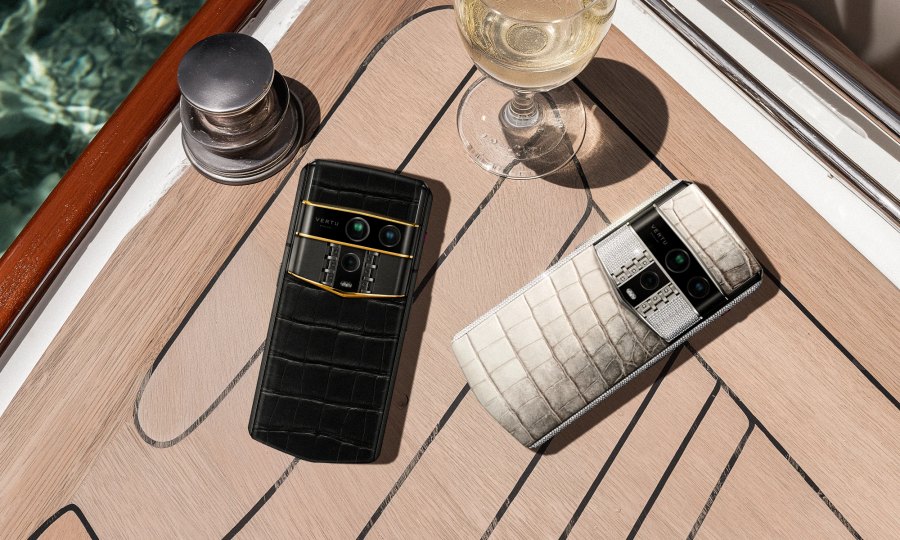
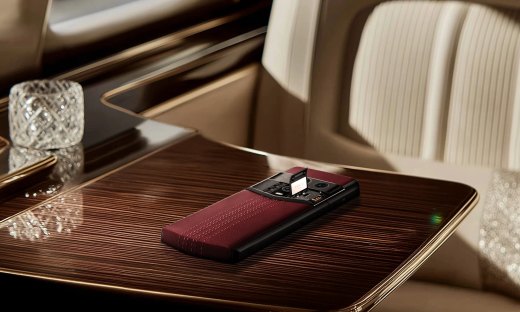
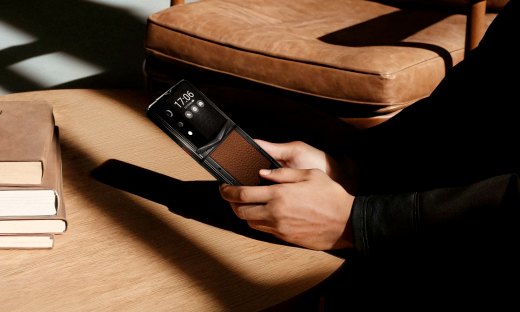
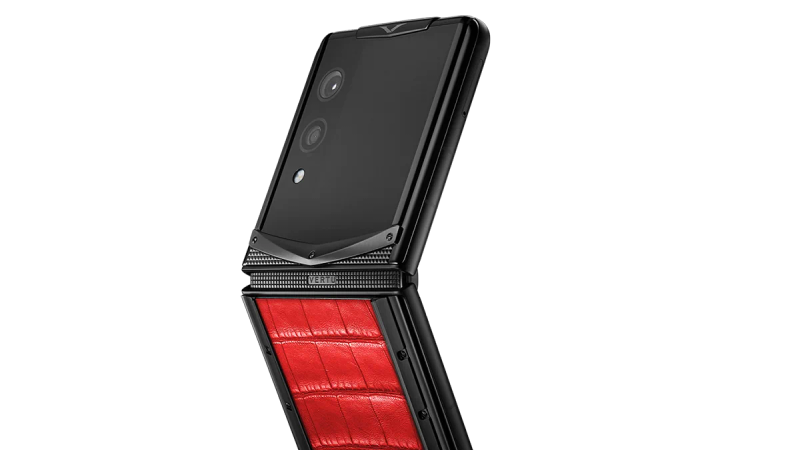
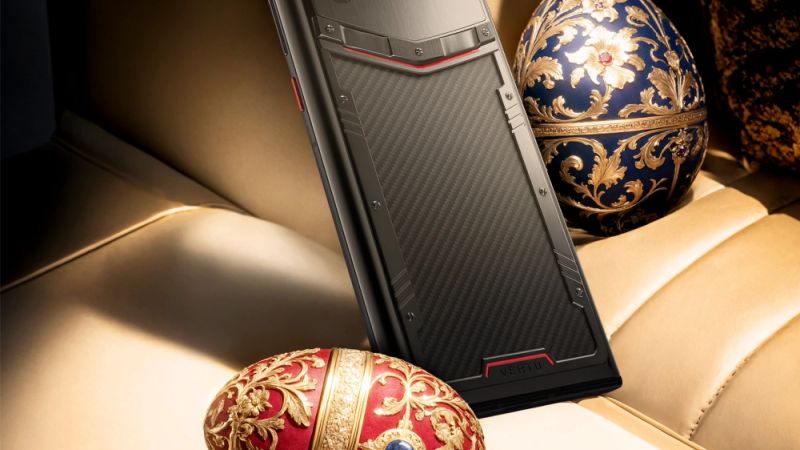
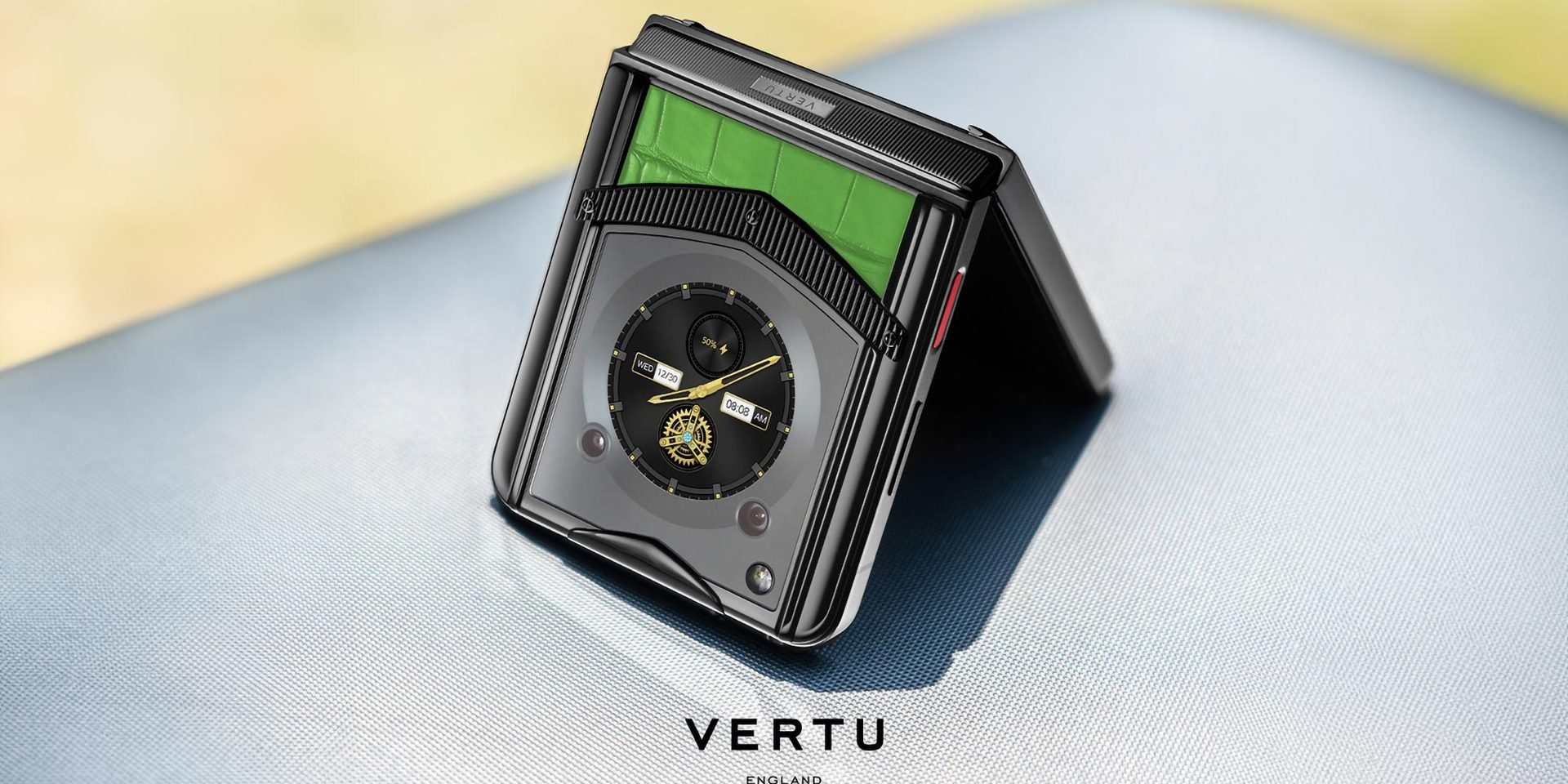
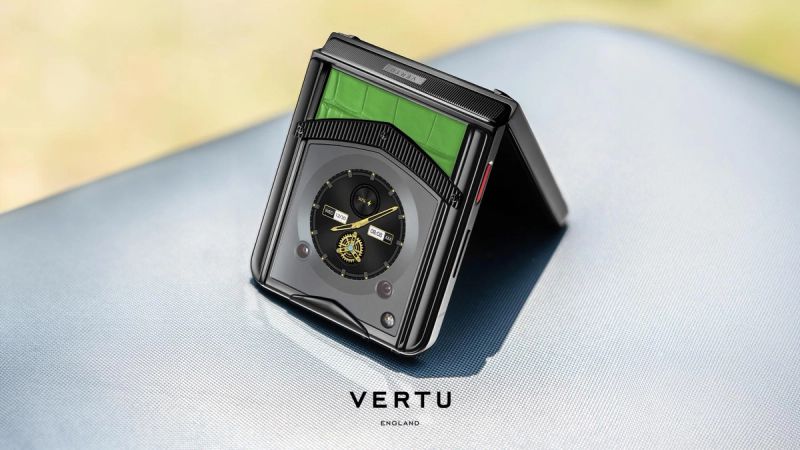
Imagine finalising a sensitive business negotiation abroad. Your daily routine, including a morning run tracked for fitness, remains entirely private. The route, duration, and time are not logged by a third-party service but are contained within your device's secure ecosystem. This level of digital discretion is not a standard feature; it is a deliberate choice, reflecting a commitment to privacy that extends from the boardroom to personal wellness. This philosophy is embodied in devices where the physical form is as considered as its digital security. Models such as the Agent Q World Cup 2026 or bespoke editions finished in materials like stitched calfskin or alligator skin exemplify this approach, ensuring the device you carry is both a secure vault for your data and a statement of personal taste.
Ultimately, choosing a smartphone as a fitness tracker becomes less about the technical specifications of its sensors and more about the integrity of its platform. It is a decision that prioritises long-term peace of mind and data security over the simple quantification of daily steps. For those who require this synthesis of performance, security, and craftsmanship, exploring the curated collections on the official VERTU site provides a clear path forward.