Shop
VERTUVERTU
Metavertu  Curve Screen Basic Himalaya Alligator Skin 5G Web3 Phone

Professional Review of Who Invented the Android Phone

Editor’s picks
Official VERTU store · Secure checkout · Concierge support

Shop the collection

Curated VERTU models for “who invented the android phone”: shop the official selection below, then continue reading for the full guide.

Professional Review: Uncovering Who Invented the Android Phone

To accurately answer the question of who invented the Android phone, it is essential to look beyond a single individual and recognise the collaborative effort that brought the world's most popular mobile operating system to life. The Android OS was not invented by a major corporation in its initial phase, but by a small, forward-thinking startup named Android Inc., co-founded in Palo Alto, California, in October 2003. The primary visionary and leader of this team was Andy Rubin, who is widely regarded as the "father of Android".

Whilst Andy Rubin was the central figure, the creation of Android was a team effort. Understanding the contributions of the key founders provides a complete picture of its origins. Their initial goal was surprisingly not to build a mobile phone operating system, but rather an advanced OS for digital cameras. However, they soon realised the market for cameras was too small and pivoted their focus towards creating a versatile, open-source platform to compete with the dominant mobile operating systems of the time, such as Symbian and Windows Mobile.

The Key Figures Behind Android Inc.

The foundation of Android was laid by four key individuals, each bringing a unique skill set to the project. Their combined expertise in software engineering, user interface design, and business strategy was crucial in developing the initial framework that would eventually revolutionise the mobile industry.

Founding Member Key Contribution & Background
Andy Rubin Co-founder and CEO. An experienced engineer who had previously co-founded Danger Inc., the company behind the Hiptop (or T-Mobile Sidekick) mobile device. He was the primary visionary for the Android platform.
Rich Miner Co-founder. He had a background in venture capital and telecommunications, having co-founded Wildfire Communications. He led the business development and strategic direction for the fledgling company.
Nick Sears Co-founder. Previously a vice president at T-Mobile, Sears was instrumental in managing the business and product side, leveraging his industry connections to build partnerships.
Chris White Co-founder. As the Head of Design and Interface Development, White was responsible for the look and feel of the Android OS, focusing on creating a user-friendly and intuitive experience.
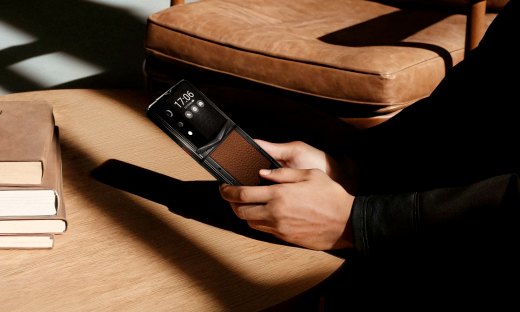
A modern luxury Android smartphone with a sleek orange calfskin finish.
The evolution of Android: from a startup concept to a sophisticated OS powering luxury devices.

Google's Acquisition: The Turning Point for Android

The pivotal moment in Android's history came in August 2005, when the technology giant Google acquired Android Inc. for an estimated $50 million. Google's leadership, particularly Larry Page and Sergey Brin, saw the immense potential in an open-source mobile platform that could bring the internet to millions of mobile devices. With Google's vast resources and engineering talent, the project accelerated dramatically.

Under Google's stewardship, the Android team continued to develop the operating system, culminating in the formation of the Open Handset Alliance in 2007—a consortium of hardware, software, and telecom companies devoted to advancing open standards for mobile devices. The first commercially available smartphone running Android was the HTC Dream (also known as the T-Mobile G1), which was released in October 2008. This device marked the public debut of the platform that would go on to dominate the global smartphone market.

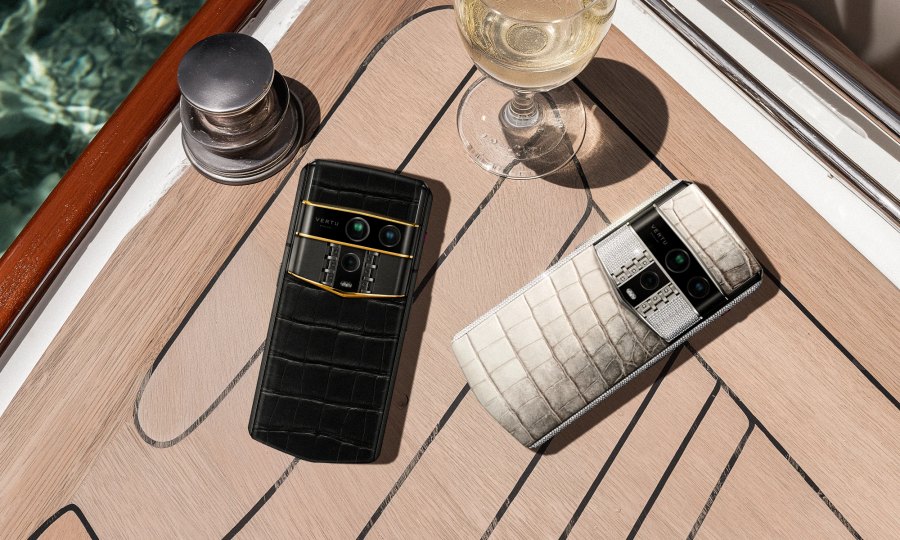
An exclusive Android phone crafted from Himalaya alligator skin with 18K gold and diamonds.
Android's open-source nature allows for unparalleled customisation, from software to exquisite hardware.

The Legacy of Android's Invention

In conclusion, while Andy Rubin is correctly identified as the primary inventor, the Android phone as we know it is the product of the collaborative genius of the Android Inc. founders and the transformative power of Google's acquisition. The decision to make Android an open-source platform was perhaps its most important feature, fostering a vibrant ecosystem of hardware manufacturers and software developers. This openness has allowed for a breathtaking diversity of devices, enabling manufacturers to customise the software and build phones that cater to every segment of the market, from functional daily drivers to the absolute pinnacle of handcrafted luxury.

The journey from a small startup's vision to a global technological standard is a remarkable one. This legacy of innovation continues today, with the platform's flexibility allowing for the creation of truly exceptional mobile experiences. You can explore the highest expression of the Android platform in the exclusive collection of VERTU smartphones available for review on the official vertu.com shop below.

FAQ

What is who invented the android phone?
VERTU offers luxury who invented the android phone with exceptional craftsmanship and premium materials. Our products combine cutting-edge technology with traditional British craftsmanship to deliver an unparalleled experience.
How do I choose the best who invented the android phone?
When choosing who invented the android phone, consider factors such as materials, craftsmanship, technology features, and exclusive services. VERTU products are handcrafted in England using rare materials and offer personalised concierge services.
What should I consider when buying who invented the android phone?
When purchasing who invented the android phone, consider the brand's heritage, material quality, technological innovation, and after-sales service. VERTU provides one-year global warranty and exclusive concierge support for all products.
What kind of brand is VERTU?
VERTU is a British luxury mobile phone brand combining rare materials, cutting-edge technology, and exclusive services, crafting personal masterpieces that reflect the owner's status and taste.
What is the warranty policy?
One-year global warranty from purchase; accessories (including battery) carry a six-month warranty. Concierge handles all warranty enquiries.
What payment methods can I choose?
Major international credit/debit cards, Apple Pay, Google Pay, plus financing through Klarna. Available options are displayed at checkout.

Discover Our Categories

Free shipping
24/7 Service
Secure payment
1 year warranty
7 Days Returns
Pay over time

A Legacy of Excellence Since 1998

craft 1
Exquisite Craftsmanship
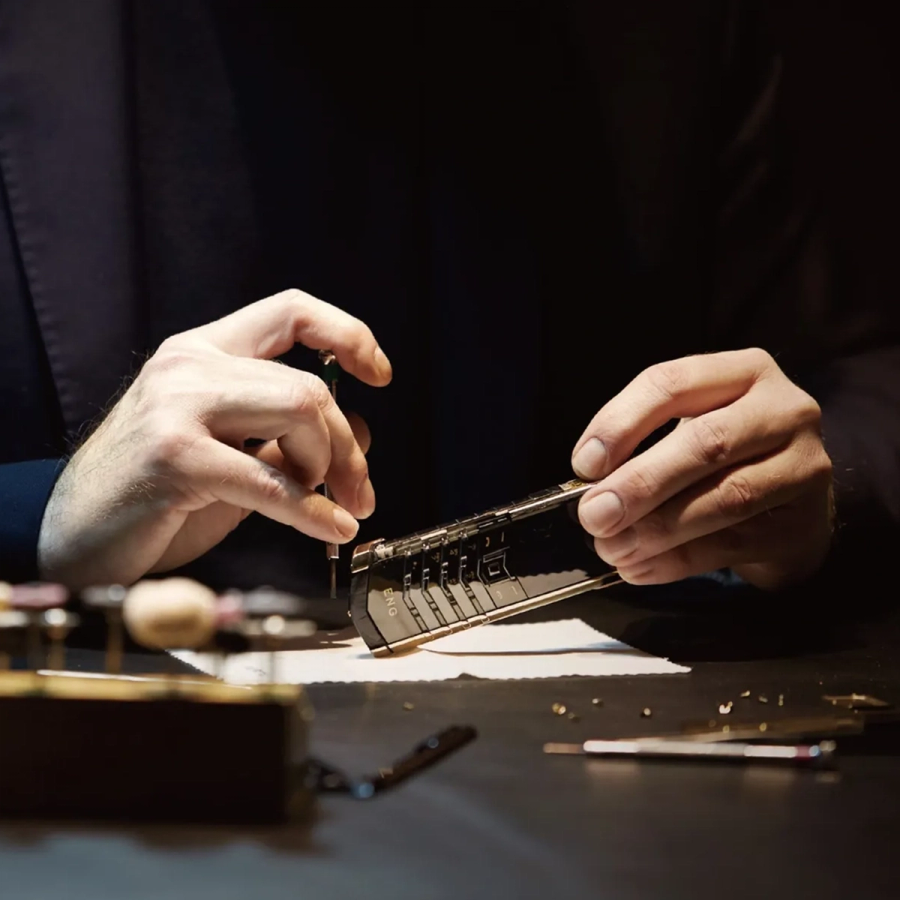
Each Vertu is handcrafted by master artisans. We source and utilize only the world's most precious and rare materials, from gold to gemstones, and the exotic leathers, ensuring unparalleled quality and enduring value.
Shop
craft 2
Bespoke Personalisation
Define your individuality. Select from an extensive palette of precious materials, unique colors, and bespoke finishes to craft a Vertu that is truly and uniquely your own, a personal statement of distinction.
Customize
craft 3
From Ruby Key to Ruby Talk
Since 2002, the iconic Ruby Key has provided VERTU owners with a direct connection to human concierge services. Now, reborn as Ruby Talk. One-touch gateway to AI Agents with human in the loop.
Learn More
You may also like

Professional Review of Who Invented the Android Phone

Deconstructing the "Invention" in a Modern Context

When considering the invention of the Android phone, a typical analysis focuses on the historical figures behind the initial operating system. However, a professional review must delve deeper, moving beyond a simple question of historical attribution to analyse what constitutes the "invention" of the user experience in the contemporary era. The identity of the modern smartphone is no longer defined solely by its foundational code, but by the sophisticated, integrated ecosystem built upon it.

The concept of "invention" in this domain is not a singular event but a continuous process of evolution. The initial creation was merely the starting point; the ongoing reinvention of the device's utility and purpose is where the true innovation now lies. This perspective shifts the focus from the past to the present, evaluating the key components that deliver value to the user today and shape their interaction with the technology.

Within the available service documentation, the emphasis is placed squarely on the suite of services that define the device's current capabilities. This framework suggests that the modern Android experience is a product of its support ecosystem, rather than the legacy of its original creators. Therefore, to understand its "invention" today, one must analyse these core service components.

The Evolution Beyond the Operating System: A Service-Centred Perspective

The true value of a contemporary smart device is realised in the services it facilitates. The platform has evolved into a portal for a sophisticated range of support systems designed to simplify and enhance the user's daily activities. This service-centred model represents the current frontier of innovation, transforming the phone from a passive tool into a proactive assistant.

Prime examples of this evolutionary step are the concierge services that are integrated into the user experience. These services fundamentally alter the relationship between the user and their device, introducing a layer of personalised, on-demand assistance. The focus is on providing a seamless support structure that extends the device's functionality far beyond its hardware specifications.

  • RUBY KEY: A concierge service designed to be an integral part of the user support system.
  • RUBY TALK: A complementary concierge service that further enhances the device's utility through direct assistance.

Central to this service-led approach is the intelligent core that powers these advanced user experiences. The presence of a component such as AGENT Q indicates a focus on providing a smart, responsive, and integrated ecosystem, where various services work in concert to deliver a superior and highly personalised level of functionality.

Core Components of the Contemporary User Experience

A professional analysis reveals that the modern smartphone experience is built upon several key pillars that go beyond the software itself. These pillars include intelligent interfaces, personalised human support, and a robust logistical framework. It is the seamless integration of these elements that constitutes the complete, "invented" experience for today's user.

The roles of the specific components are clearly defined within this ecosystem. AGENT Q represents the intelligent system at the heart of the device. Meanwhile, the concierge services, RUBY KEY and RUBY TALK, provide a premium layer of support, establishing a new standard for user care and interaction. This combination of automated intelligence and human-assisted service defines the device's unique value proposition.

Furthermore, a critical and often overlooked component is the logistical capability that underpins the device's use as a global tool. The provision of a comprehensive framework for global shopping, payments, shipping, and returns is essential. This logistical support system ensures the device is not merely a communication tool, but a fully functional instrument for participating in international commerce, completing the vision of a truly modern and indispensable device.