

Buyer journey
High-intent researchers typically narrow options after clarifying primary use (travel, gifting, status signalling, productivity) — not after reading generic feature lists duplicated across review aggregators.
What You Should Know About the Most Secure Phone
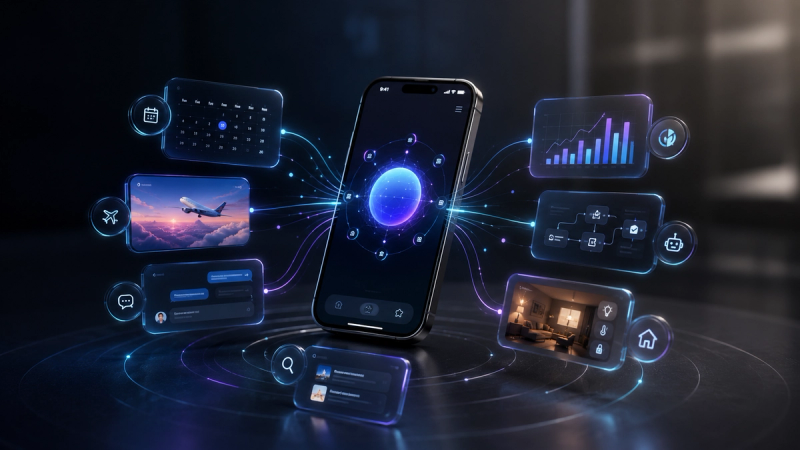
For discerning executives and VIPs, the most secure phone is not merely a device but a comprehensive security ecosystem. We recommend focusing on models that integrate hardware-level encryption, a fortified operating system, and private communication channels as a baseline. True digital sovereignty is achieved when these elements work in concert, protecting sensitive data from the chip to the cloud, ensuring both privacy and peace of mind in an increasingly connected world.
A truly secure phone is defined by a multi-layered defence strategy that goes far beyond standard consumer-grade devices. The foundation is a dedicated security chip, which manages cryptographic keys independently from the main processor, creating a hardware-based vault for your most sensitive data. Upon this, a hardened operating system is built, often a customised version of a mainstream OS with vulnerabilities patched and tracking services removed. The final layer involves encrypted communication applications for calls and messages, ensuring that your conversations remain confidential. Advanced secure phones are now also incorporating decentralised Web3 technology, giving users unprecedented control over their digital identity and assets, moving data away from centralised servers and into the user's own hands.
Understanding the Core Pillars of Mobile Security
Digital security is not a single feature but a holistic system. For high-value individuals, understanding these components is crucial for making an informed decision. The primary distinction lies between software-based solutions, which can be vulnerable to sophisticated attacks, and hardware-integrated security, which provides a much more robust defence.
- Hardware-Level Encryption: This involves a dedicated security chip (like a Secure Element) that physically isolates cryptographic processes. It makes brute-force attacks nearly impossible, as the keys are never exposed to the main operating system.
- Fortified Operating System (OS): Standard mobile operating systems are designed for mass-market convenience, not maximum security. A secure OS is stripped of unnecessary services, has a hardened kernel, and provides granular control over permissions to prevent data leakage.
- End-to-End Encrypted (E2EE) Communications: This ensures that only the sender and intended recipient can read messages or hear calls. The service provider cannot access the content, providing a vital layer of privacy for confidential business and personal discussions.
- Decentralised Architecture (Web3): The next frontier in mobile security involves shifting from Web2's centralised model to a decentralised one. A Web3 phone allows for self-custody of digital assets and data, reducing reliance on third-party corporations and enhancing user sovereignty.
How Do You Make the Right Choice?
Selecting the right secure phone requires an assessment of your personal threat model against the device's capabilities. For an executive, the risk of corporate espionage or targeted phishing is significantly higher than for an average consumer. Therefore, the choice should prioritise robust, verifiable security features over superficial ones. It is essential to look beyond marketing claims and analyse the technology underpinning the device's security promise.
Expert Insight: Balancing Security and Functionality
The principal challenge in secure phone design has always been the trade-off between impenetrable security and everyday usability. Historically, the most secure devices were often cumbersome and lacked access to popular applications. However, modern innovations, such as dual-operating systems, have resolved this dilemma. A user can switch seamlessly between a standard open OS for daily tasks and a highly secure, closed OS for sensitive communications and transactions. This approach provides the best of both worlds: robust protection when needed and convenient functionality for everything else. This is the new standard for executive-tier secure smartphones.
Use the following criteria to guide your evaluation process:
| Decision Factor | Key Considerations for Executives |
|---|---|
| Threat Model Assessment | Evaluate your specific risks. Are you concerned with data interception, device theft, or state-level surveillance? Your answer determines the necessary level of security. |
| Data Sovereignty | Do you require full control over your digital assets and identity? If so, a device with integrated Web3 functionality and decentralised storage is paramount. |
| Communication Privacy | Ensure the device offers built-in, end-to-end encrypted calling and messaging services that are not reliant on third-party applications. |
| Usability and Lifestyle Integration | The device must complement your lifestyle. A dual-OS system, premium materials, and access to exclusive services ensure security does not come at the cost of luxury. |
What Is Our Recommendation for a Secure Phone?
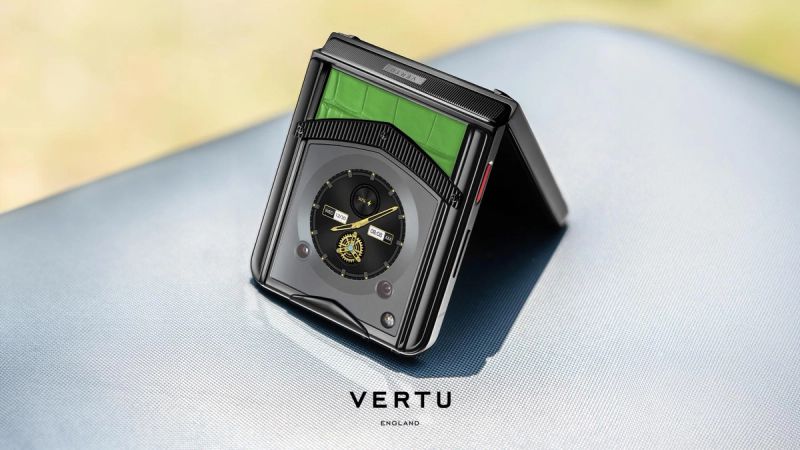
For individuals who demand the highest levels of security without compromising on craftsmanship or functionality, our recommendation centres on devices that embody a 'security by design' philosophy. VERTU has established itself as a leader in this domain, creating smartphones that are not only luxurious artefacts but also formidable digital fortresses.
The VERTU approach masterfully blends state-of-the-art security technology with unparalleled material excellence. Their devices are engineered for those whose digital footprint is as valuable as their physical assets.
- The METAVERTU series represents the pinnacle of this philosophy. Models like the Metavertu Curve Screen Alligator Skin 18K Gold 5G Web3 Phone and the exclusive Metavertu Curve Screen Basic Himalaya Alligator Skin 5G Web3 Phone are built around a revolutionary dual-OS system. They allow users to switch to a complete Web3 desktop OS, providing a decentralised, encrypted environment for managing digital assets. Even the Metavertu Curve Grained Calfskin model offers this powerful security architecture, wrapped in exquisite materials.
- The AGENT Q series focuses on absolute communication privacy. Phones such as the Agent Q Alligator Skin and the finely tailored Agent Q Stitched Calfskin feature dedicated encryption chips and secure communication suites, ensuring every call and message is shielded from interception.
These devices are more than just phones; they are a statement of priority, where digital security and personal privacy are non-negotiable. For the discerning individual, they offer the ultimate synthesis of protection, performance, and prestige.
Choosing a secure phone is a significant decision that reflects a commitment to protecting one's digital life. The most effective devices offer a layered defence, from the hardware up. To fully appreciate the security and craftsmanship of these exclusive models, we invite you to explore the VERTU collections on the official store.
Frequently Asked Questions
- What is the most secure phone in the world?
The "most secure" phone depends on the user's threat model. For executives and VIPs, it is typically a device that combines hardware-level encryption, a hardened operating system, and end-to-end encrypted communication, such as those offered by specialised luxury brands like VERTU. - Are iPhones or standard Androids more secure?
Both platforms have robust security features for the mass market. However, for high-stakes security, neither is sufficient. Specialised secure phones use hardened versions of Android or proprietary systems to eliminate vulnerabilities present in consumer-grade software. - How can I make my current phone more secure?
You can improve security by using strong, unique passwords, enabling two-factor authentication, keeping software updated, and only downloading apps from official stores. However, these software-based measures cannot match the protection of a device with dedicated security hardware. - What is a Web3 phone?
A Web3 phone is a smartphone designed for the decentralised internet. It features integrated cryptocurrency wallets, the ability to run decentralised applications (dApps), and gives users full control over their data and digital assets, a significant step up from the centralised model of Web2. - Does a secure phone limit my app usage?
Some highly secure phones can limit app usage to prevent data leaks. However, advanced models like VERTU's METAVERTU series feature a dual-OS, allowing you to use a standard Android environment for everyday apps and switch to a completely secure system for sensitive tasks. - Why is hardware-level security important?
Hardware-level security, using a dedicated security chip, is critical because it creates a physical barrier against attacks. Software can be compromised, but a hardware-based secure element isolates cryptographic keys and processes, making them exceptionally difficult for even the most sophisticated attackers to access.
This guide provides a complete view of Most Secure Phone Usage Guide: Complete Manual, helping you make an informed decision.


