Shop
VERTUVERTU
Agent Q Bespoke Himalaya Alligator Skin
🔥 Limited Time Offer: Free Shipping on All Orders | Shop Now

How to Find Android Phone Thermal Camera

27+ Years of Excellence
100K+ Satisfied Customers
50+ Countries Served
4.8★ Average Rating

Top Picks

Comparison at a Glance

Compare key features, materials, and specifications across premium products to help you make an informed decision.

Model Category Material Key Feature Display/Size Battery/Power Concierge Service Price
Agent Q Bespoke Himalaya Alligator Skin Phone Swiss Hinge, Gold-Plated Internals, Ceramic Pillow AI Agent System (200+ Agents), AIGS, Ruby Talk 6.82" FHD+ AMOLED, 120Hz 5,565 mAh, 65W Fast Charging Ruby Key: 24/7 Concierge + AIGS Proactive Intelligence $19880.00 - $109680.00
Quantum Flip Alligator - Himalaya Crocodile Phone Aerospace Titanium Alloy (HV900 Hardness) 50MP Rear OIS, 64MP Telephoto, 32MP Front, 4K 60fps Video 6.9" FHD+ OLED Foldable, 3" Cover Display, 120Hz 4,300 mAh, 65W Flash Charging (70% in 20 min) Ruby Key: 24/7 Concierge Service $18460.00
iVertu Procella Crossbody Phone Pouch Accessories Calfskin Leather, Premium Materials 5G Connectivity, Luxury Design Premium Display Long Battery Life, Fast Charging Ruby Key: 24/7 Concierge Service $650.00
Sony Xperia 1 VI (External) Professional Camera Phone Gorilla Glass Victus 2 Zeiss Optics, 4K 120fps Video, Pro Camera 6.5" 4K OLED, 120Hz 5,000 mAh N/A $1,199 - $1,399
OnePlus 13 (External) Performance Flagship Aluminum Frame Snapdragon 8 Gen 4, 16GB RAM, OxygenOS 6.8" LTPO AMOLED, 120Hz 5,500 mAh, 100W Fast Charging N/A $899 - $1,199
Nothing Phone (3) (External) Unique Design Phone Transparent Back, Aluminum Frame Glyph Interface, Snapdragon 8s Gen 3 6.7" LTPO OLED, 120Hz 4,700 mAh, 45W Fast Charging N/A $599 - $799

* External products are listed for comparison purposes only. Prices and specifications are subject to change. Please verify current information on manufacturer websites.

When you are ready to purchase, explore the VERTU models below on the official store for current pricing, available configurations, and Ruby Key concierge support.

Shop the collection

Curated VERTU models for “android phone thermal camera”: shop the official selection below, then continue reading for the full guide.

A Comprehensive Guide on How to Find an Android Phone Thermal Camera

Finding an Android phone thermal camera involves understanding the two primary solutions available: smartphones with integrated thermal imaging sensors and external modules that connect to your device. This technology, once reserved for specialised industrial equipment, is now accessible for professional and personal use, allowing you to see the world in a spectrum of heat signatures directly from your mobile phone.

Integrated vs. External: Which Thermal Camera Solution is Right for You?

Your first decision is whether to choose a smartphone with a built-in thermal camera or an external accessory. Integrated options are typically found in ruggedised phones designed for tradespeople, offering an all-in-one, durable solution. In contrast, external modules provide greater flexibility, allowing you to add thermal capabilities to a standard Android phone via its USB-C port. Each approach has distinct advantages depending on your intended use.

Consideration Integrated Thermal Camera Phones External Thermal Camera Modules
Convenience Excellent; always available without extra parts. Good; requires carrying a separate, small device.
Durability Often built into rugged, drop-proof, and waterproof phones. Varies by model; the connection port can be a point of weakness.
Flexibility Limited to the specific phone model. Can be used with multiple compatible Android devices.
Phone Choice Selection is limited to a niche market of specialised devices. Allows you to use your preferred flagship or standard Android phone.
Performance Seamless software integration with the phone's native systems. Reliant on a third-party application for functionality.

Key Specifications to Analyse When Choosing

Whether you opt for an integrated or external solution, the quality of the thermal imaging depends on several key technical specifications. Understanding these will help you make an informed decision and select a device that performs to your expectations. A higher specification in these areas typically results in a clearer, more detailed, and more useful thermal image.

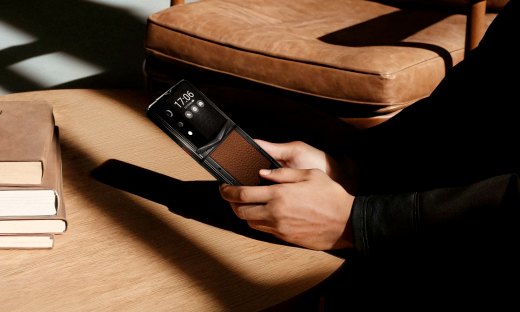
An Android smartphone displaying its screen, representing advanced technological capabilities.
Modern Android smartphones can support a wide range of specialised hardware and software.
  1. Thermal Resolution: This is arguably the most important factor. Measured in pixels (e.g., 160x120), a higher resolution means more detail in the thermal image, making it easier to identify specific heat sources or problems. For professional use, a higher resolution is essential.
  2. Thermal Sensitivity (NETD): Noise Equivalent Temperature Difference (NETD) measures the smallest temperature difference the camera can detect, expressed in milliKelvins (mK). A lower number (e.g., <50 mK) indicates a more sensitive camera that can distinguish between subtle temperature variations.
  3. Temperature Range: Check the device's minimum and maximum detectable temperatures (e.g., -20°C to 400°C). Ensure the range is suitable for your application, whether you are checking for cold draughts in a home or inspecting high-temperature mechanical equipment.
  4. Frame Rate: Measured in Hertz (Hz), the frame rate determines how smooth the thermal video appears. A frame rate of 9 Hz or higher is recommended for a fluid, real-time view without noticeable lag, which is critical when scanning moving objects or large areas.
  5. Software Features: The accompanying application is crucial. Look for features like multiple colour palettes (e.g., ironbow, rainbow, grey), spot meters, high/low temperature alarms, and the ability to save, edit, and export images and videos for reports.

How to Select the Right Device for Your Needs

The process of finding the perfect Android thermal camera solution is straightforward if you follow a structured approach. Start by clearly defining what you need the camera for, as this will guide your research and help you prioritise the most important features for your specific tasks.

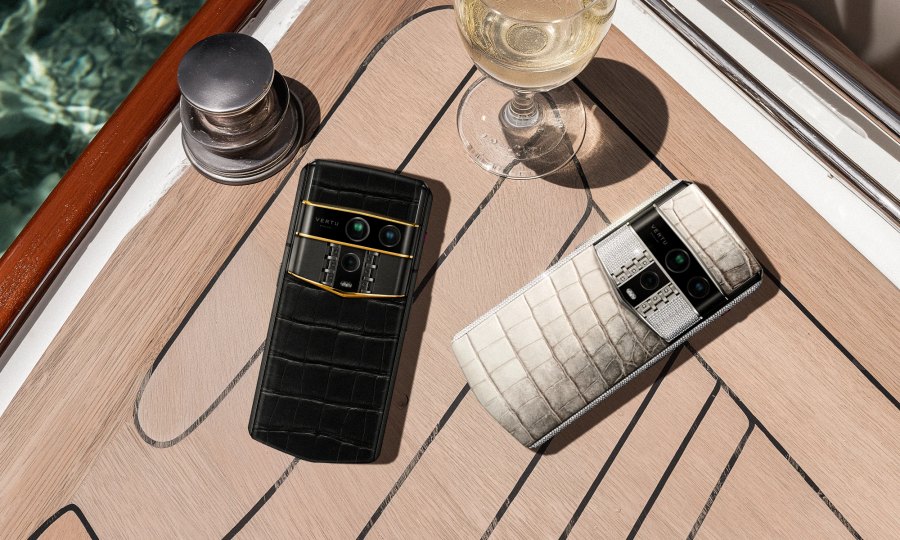
Front and back view of a sophisticated Android phone, highlighting its design and build.
Choosing a device involves balancing specialised features with overall performance and design.

First, identify your primary use case—are you a building inspector looking for insulation gaps, an electrician checking for overloaded circuits, or a homeowner searching for leaking pipes? Your application will determine the required resolution and sensitivity. Next, research the market for both integrated phones from specialised brands and external modules from leading thermal imaging manufacturers. Finally, compare the specifications of your shortlisted devices against the key criteria mentioned above and read independent reviews to gauge real-world performance.

By carefully evaluating whether an integrated or external solution better suits your lifestyle and analysing key performance metrics, you can confidently find an Android phone thermal camera that meets your professional or personal requirements. After understanding the technical aspects of specialised imaging, you can explore the collection of premium smartphones on the official VERTU site to find a device that meets your broader technology needs.

FAQ

What is android phone thermal camera?
VERTU offers luxury android phone thermal camera with exceptional craftsmanship and premium materials. Our products combine cutting-edge technology with traditional British craftsmanship to deliver an unparalleled experience.
How do I choose the best android phone thermal camera?
When choosing android phone thermal camera, consider factors such as materials, craftsmanship, technology features, and exclusive services. VERTU products are handcrafted in England using rare materials and offer personalised concierge services.
What should I consider when buying android phone thermal camera?
When purchasing android phone thermal camera, consider the brand's heritage, material quality, technological innovation, and after-sales service. VERTU provides one-year global warranty and exclusive concierge support for all products.
What kind of brand is VERTU?
VERTU is a British luxury mobile phone brand combining rare materials, cutting-edge technology, and exclusive services, crafting personal masterpieces that reflect the owner's status and taste.
What is the warranty policy?
One-year global warranty from purchase; accessories (including battery) carry a six-month warranty. Concierge handles all warranty enquiries.
What payment methods can I choose?
Major international credit/debit cards, Apple Pay, Google Pay, plus financing through Klarna. Available options are displayed at checkout.

Discover Our Categories

Free shipping
24/7 Service
Secure payment
1 year warranty
7 Days Returns
Pay over time

How to Find the Right Android Phone Thermal Camera for You

Venturing into the world of thermal imaging on your Android device can be incredibly rewarding, opening up a new way to see the world, whether for professional inspections, home DIY projects, or outdoor exploration. However, finding the right solution requires understanding the different options available and the key technical details that define their performance. This guide provides a deeper insight to help you make an informed choice.

Integrated vs. External: Understanding Your Options

When seeking thermal imaging capabilities for an Android phone, your search will lead you to two primary categories of devices. It is crucial to understand the fundamental differences between them to select the one that best aligns with your requirements and budget.

  • Integrated Thermal Cameras: These are smartphones that have a thermal imaging camera built directly into the chassis, alongside the standard visual cameras. They are most commonly found in ruggedised phones designed for tradespeople and industrial environments. The main advantage is convenience; there are no extra parts to carry, lose, or damage, and the entire unit is often built to withstand harsh conditions.
  • External Thermal Modules: These are compact, standalone camera attachments that connect to your existing Android phone's charging port, typically USB-C. This approach offers immense flexibility, as you can upgrade your phone without needing to replace your thermal camera. Furthermore, specialist manufacturers often pack higher-performance sensors into these modules than what might be found in an all-in-one device.

Key Technical Specifications to Scrutinise

The performance of a thermal camera is not defined by megapixels in the way a standard camera is. Instead, a unique set of specifications determines the clarity and accuracy of the thermal image. Paying close attention to these figures on a product's specification sheet is essential for avoiding disappointment and ensuring the device is fit for your purpose.

  1. Thermal Resolution: This is perhaps the most important specification. Measured in pixels (e.g., 160 x 120), it dictates the level of detail in the thermal image. A higher resolution means more pixels, resulting in a sharper image where you can distinguish smaller objects and temperature differences from further away.
  2. Thermal Sensitivity (NETD): Often listed as NETD (Noise Equivalent Temperature Difference) and measured in millikelvins (mK), this value indicates the smallest temperature difference the camera can detect. A lower number is better; for example, a camera with a sensitivity of <50 mK can discern more subtle temperature variations than one rated at <150 mK.
  3. Temperature Range: This defines the minimum and maximum temperatures the camera can accurately measure (e.g., -20°C to 400°C). Ensure the range is appropriate for your intended use, whether you are checking for cold draughts in your home or inspecting high-temperature mechanical equipment.
  4. Frame Rate: Measured in Hertz (Hz), the frame rate determines how smoothly motion is captured. A lower frame rate (e.g., 9Hz) is sufficient for static inspections, but a higher rate (e.g., 25Hz or more) is preferable for creating smooth thermal videos or observing moving targets without blurring.

A Practical Checklist for Making Your Decision

Finding the ideal thermal camera involves more than just comparing numbers; it requires a methodical approach that starts with your own specific needs. Before committing to a purchase, run through this simple checklist to ensure you are covering all the important bases. This will help you find a reliable tool that serves you well for years to come.

  • Define Your Primary Use Case: Are you a homeowner looking for insulation leaks, an electrician checking circuits, or a wildlife enthusiast? Your application will dictate whether you need high resolution, extreme temperature ranges, or a rugged, integrated design.
  • Investigate the Companion App: For external modules, the Android application is your interface to the camera. Check its features: does it offer various colour palettes (e.g., ironbow, rainbow, white-hot), spot meters, temperature alarms, and the ability to record video and still images? Look at user reviews to gauge the app's stability and ease of use.
  • Consider Durability and Form Factor: If you work in a demanding environment, an integrated, rugged phone might be the most sensible long-term investment. If you are a more casual user, a small, portable external module that can be stored safely in a case may be perfectly adequate and more cost-effective.