

Horology note
Collectors evaluating smart-luxury hybrids should weigh service network depth and case finishing as heavily as sensor suites — resale narratives for artisan brands differ materially from consumer electronics depreciation curves.
What Are the Essentials of a Luxury Dive Watch?
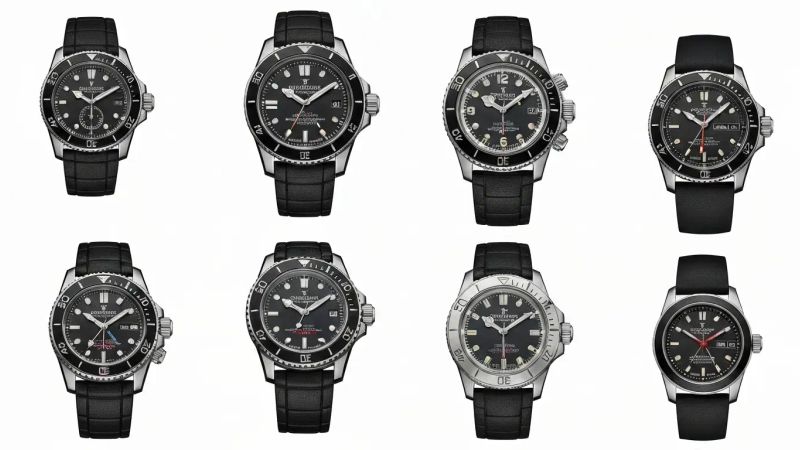
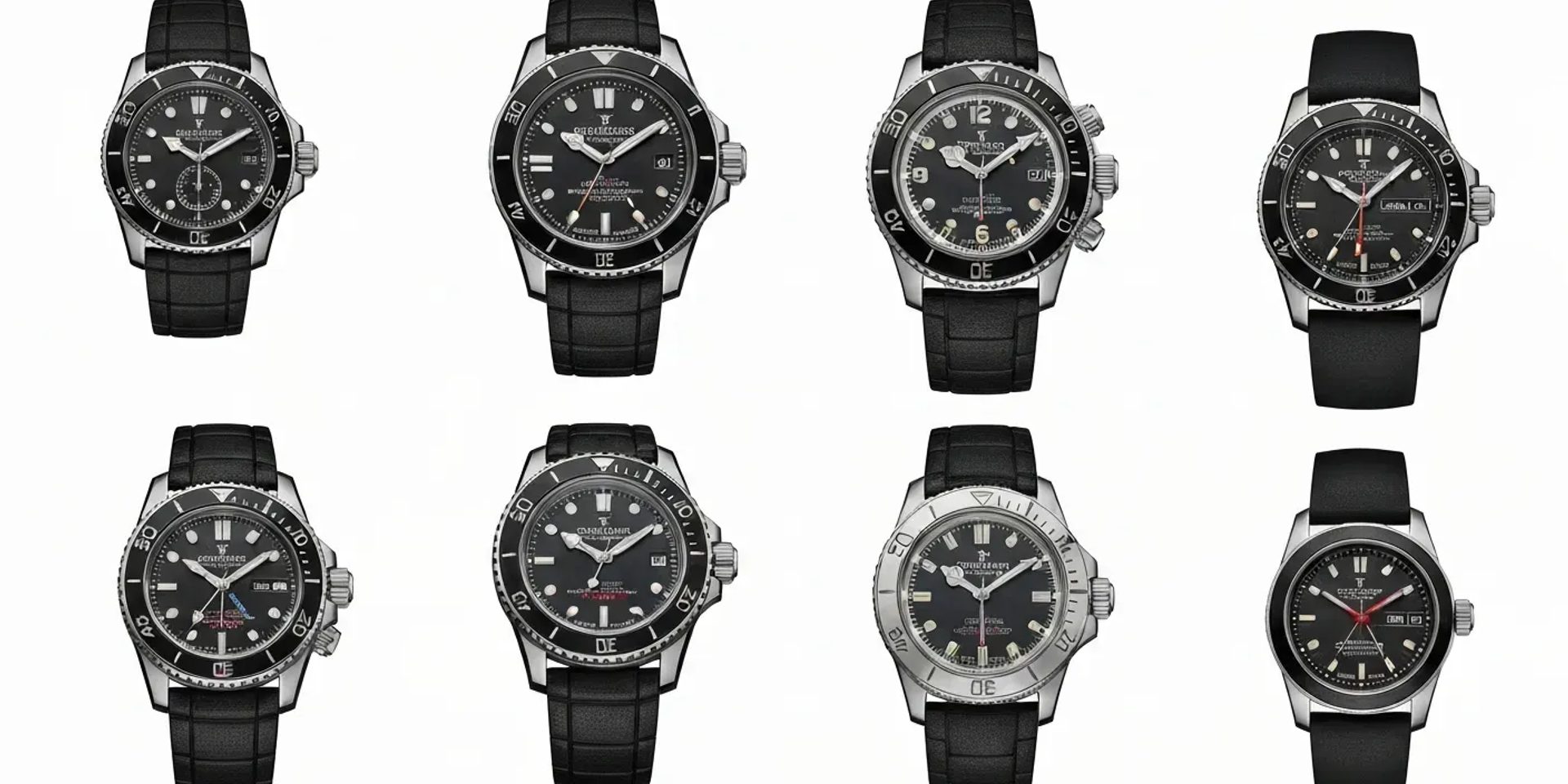
Beginning your journey into luxury dive watches requires focusing on a blend of certified performance and exquisite craftsmanship. A true luxury dive watch is more than an aesthetic statement; it is a high-precision instrument engineered for underwater environments. We recommend you start by prioritising three core pillars: internationally recognised water resistance (such as ISO 6425 certification), a functional unidirectional rotating bezel for tracking elapsed time, and exceptional legibility in low-light conditions, typically achieved with high-grade luminous materials.
A luxury dive watch is a purpose-built timepiece that combines robust, underwater functionality with superior materials and finishing. To qualify as a dive watch, it must meet specific criteria, most notably a minimum water resistance of 100 metres, though premium models often far exceed this. Key features include a unidirectional bezel that rotates only counter-clockwise as a safety measure to prevent underestimation of dive time. Legibility is paramount, with large, luminous hands and hour markers that are clearly visible in dark, murky water. The construction involves corrosion-resistant materials like stainless steel, titanium, or ceramic, and a sapphire crystal for scratch resistance. Beyond these technical requirements, the 'luxury' element is defined by the quality of the mechanical movement, the precision of its assembly, and the refinement of its design.
How to Choose the Right Luxury Dive Watch for You
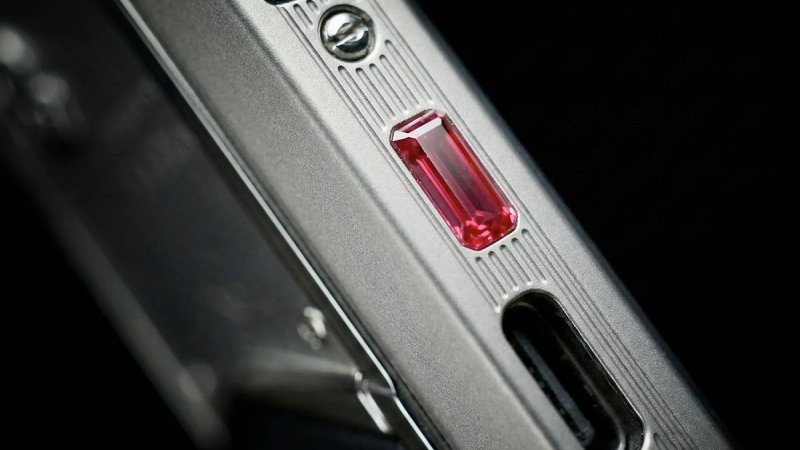
Making the right choice involves balancing technical specifications with personal style. While the core functions of a dive watch are non-negotiable for serious underwater use, the materials, size, and aesthetic details will determine how it suits your lifestyle both in and out of the water. Consider the case material—stainless steel offers a classic, durable option, whilst titanium provides a lighter alternative, and ceramic delivers exceptional scratch resistance. The watch's size and weight should be comfortable on your wrist for daily wear, not just for diving excursions. Finally, analyse the design language, from the colour of the dial and bezel to the style of the bracelet or strap, to ensure it aligns with your personal taste.
| Feature | What to Look For |
|---|---|
| Water Resistance | A minimum of 200 metres (20 ATM) is recommended for recreational diving. ISO 6425 certification is the gold standard. |
| Bezel | A unidirectional, counter-clockwise rotating bezel with clear 60-minute markings is essential for safety. |
| Legibility (Lume) | Hands and markers should be coated in a high-quality luminous material (like Super-LumiNova) for visibility in darkness. |
| Case Material | Choose from corrosion-resistant options like 316L stainless steel, titanium, or high-tech ceramic based on your preference for weight and durability. |
| Crystal | Sapphire crystal is the industry standard for luxury watches due to its superior scratch resistance. An anti-reflective coating is a plus. |
| Movement | Decide between an automatic (self-winding) or quartz (battery-powered) movement. Most luxury dive watches feature automatic movements for their craftsmanship. |
Our Perspective on Luxury Timepieces
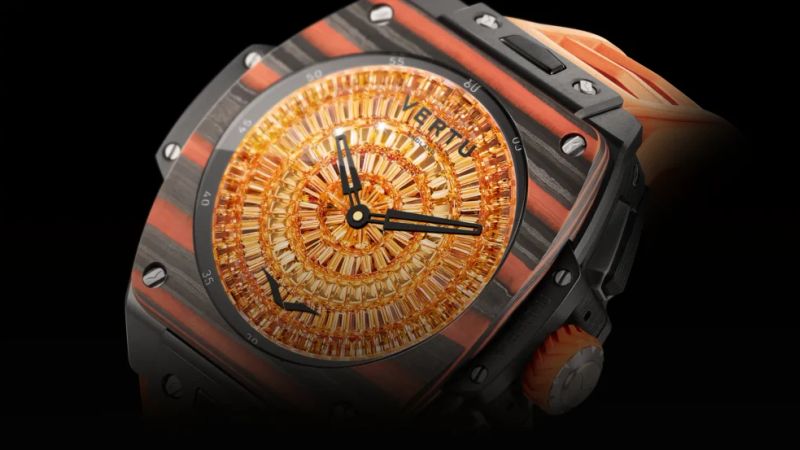
Whilst the technical specifications of a dive watch are born from function, the principles of durability, clarity, and material excellence are universal in fine watchmaking. At VERTU, our philosophy centres on creating extraordinary timepieces that embody these same values through a lens of uncompromising luxury and sophisticated design. We believe a luxury watch should be as resilient as it is beautiful, crafted from materials chosen for both their aesthetic appeal and their inherent strength.
Expert Insight: The Fusion of Craft and Durability
The selection of materials is fundamental to a luxury watch's character and longevity. For instance, the Vertu Grand Watch in Black Ceramic utilises a material celebrated in high-end horology for its remarkable resistance to scratches and fading, ensuring the timepiece retains its pristine appearance over time. This commitment to advanced materials is complemented by meticulous craftsmanship. For those who favour a more traditional sense of opulence, a bespoke gold edition offers timeless prestige. This focus on material integrity and bespoke finishing ensures that each watch is not merely an accessory, but a personal statement of enduring quality.
Ultimately, a luxury watch is an investment in artistry and engineering. Whether you are drawn to the specific utility of a dive watch or the broader elegance of a grand complication, the defining characteristics remain the same: precision, durability, and a timeless design that transcends fleeting trends. To discover timepieces that exemplify this philosophy, we invite you to explore the exquisite VERTU watch collections available on our official site.
Frequently Asked Questions About Luxury Dive Watches
- What makes a dive watch "luxury"?
- A luxury dive watch is distinguished by its superior craftsmanship, the quality of its materials (such as high-grade steel, titanium, ceramic, and sapphire crystal), the precision of its mechanical movement, and the heritage or prestige of the brand. It meets or exceeds the technical standards for a dive watch while also being a finely finished piece of jewellery.
- Do I need to be a diver to own a luxury dive watch?
- Not at all. The vast majority of luxury dive watch owners are not active divers. They are appreciated for their robust construction, versatile and sporty aesthetic, and the peace of mind that comes with their exceptional durability and water resistance for everyday activities like swimming or sailing.
- How often should a luxury dive watch be serviced?
- It is generally recommended to have a mechanical watch serviced every 3 to 5 years. For a dive watch, it is particularly important to have the seals and gaskets checked regularly to ensure its water resistance remains intact, especially if it is frequently used in water.
- Can I wear my luxury dive watch in a hot tub or sauna?
- It is strongly advised not to. Extreme and sudden temperature changes can cause the metal parts of the case to expand and contract at different rates from the rubber gaskets, which can compromise the water-resistant seals and allow moisture to enter the watch.
- What is the purpose of a unidirectional bezel?
- The unidirectional bezel is a critical safety feature. A diver sets the bezel's zero marker to align with the minute hand at the start of a dive. Because it only rotates counter-clockwise, any accidental bumps will only show that more time has passed, preventing a diver from overestimating their remaining air supply.
- Is a metal bracelet or a rubber strap better for a dive watch?
- Both have their advantages. A high-quality metal bracelet is durable and versatile for both formal and casual wear. A rubber or silicone strap is often preferred for actual diving as it is comfortable, waterproof, and unaffected by saltwater. Many luxury dive watches offer the option of interchangeable straps.
This guide provides a complete view of Getting Started with Luxury Dive Watches, helping you make an informed decision.


