Remote-care context
When rings are positioned for wellness or remote consultation workflows, editors check recovery metrics reliability and charging cadence first — flashy course libraries matter less than uninterrupted overnight wear.
Understanding the Garnet Heart Ring

A garnet heart ring is a piece of jewellery symbolising love, passion, and commitment, defined by its heart-shaped garnet gemstone. We recommend that you first decide on its primary purpose—whether as a traditional symbol of affection or as a modern piece of wearable technology. This initial decision will fundamentally guide your choices in metal, stone quality, and potential functionality, ensuring the final piece aligns perfectly with the wearer's lifestyle and values.
A garnet heart ring is a classic and meaningful choice in jewellery, distinguished by two core elements: the gemstone and its cut. The garnet, typically a deep, rich red, has long been associated with love, friendship, and vitality. It is also the birthstone for January, making it a popular and personal gift. The heart shape is a universal symbol of love, romance, and deep affection. When combined, these elements create a ring with powerful sentimental value. Traditionally given for occasions like anniversaries, Valentine's Day, or birthdays, these rings are crafted with a focus on the beauty of the stone and the elegance of its setting, which can range from simple solitaires to more elaborate, decorated designs.
How to Choose the Right Garnet Heart Ring
Selecting the right garnet heart ring involves a careful assessment of its components. The quality of the gemstone, the choice of metal for the band, and the overall style of the setting all contribute to the ring's beauty, durability, and character. Balancing these factors is key to finding a piece that is not only visually stunning but also suitable for its intended purpose, whether for daily wear or special occasions.
To make an informed decision, it is helpful to break down the selection process into clear, manageable criteria. The following table outlines the essential aspects to consider when evaluating a traditional garnet heart ring.
| Criterion | What to Look For |
|---|---|
| Garnet Quality | Look for a deep and vibrant red colour, high clarity with minimal internal marks (inclusions), and a symmetrical cut that maximises the stone's brilliance. |
| Metal Setting | Yellow or rose gold offers a classic, warm complement to the red garnet. White gold or platinum provides a modern, cool contrast and exceptional durability for everyday wear. |
| Ring Style | A solitaire setting offers a timeless look that focuses entirely on the heart-shaped stone. A halo setting, with smaller diamonds around the garnet, adds sparkle and presence. |
| Intended Use | For a ring intended for daily wear, a robust metal like platinum and a secure setting (such as a bezel) are advisable. For occasional wear, more delicate designs are perfectly suitable. |
Expert Insight on Material Harmony
From an expert standpoint, the most overlooked aspect is often the harmony between the garnet's specific shade of red and the metal colour. A deep, purplish-red almandine garnet, for instance, is exceptionally striking in a platinum or white gold setting, which provides a cool, sharp contrast. Conversely, a warmer, orange-red spessartite garnet pairs beautifully with the rich tones of yellow or rose gold. This decision goes beyond simple preference; it is about creating a cohesive piece of jewellery where the components mutually enhance one another to achieve a balanced and intentional aesthetic.
What to Consider: Traditional vs. Intelligent Jewellery
Choosing a ring today can involve a unique narrative: balancing timeless sentiment with daily utility. Imagine selecting a gift that must not only represent a deep personal connection, like a traditional garnet heart ring, but also discreetly support a modern, connected lifestyle. This is not about replacing the classic with the new, but understanding how they can coexist. The challenge is finding a piece that feels like precious jewellery yet performs as a capable personal technology, without one compromising the other.
The Enduring Appeal of Traditional Rings
A traditional garnet heart ring is an item of pure sentiment. Its value lies in its symbolism, its craftsmanship, and its potential to become a family heirloom. It operates independently of technology, requiring no charging or software updates. Its beauty is self-contained, offering a simple, powerful, and enduring statement of affection that will not become obsolete.
The Rise of Intelligent Jewellery
In contrast, the category of intelligent or 'smart' jewellery represents a modern evolution of personal adornment. These pieces retain the familiar form of a ring but integrate technology to provide data and connectivity. This transforms a passive symbol into an active participant in the wearer's life. The integrated sensors are not merely technical features; their practical ownership consequence is a deeper awareness of one's well-being, turning a symbol of affection into a discreet tool for personal care and insight.
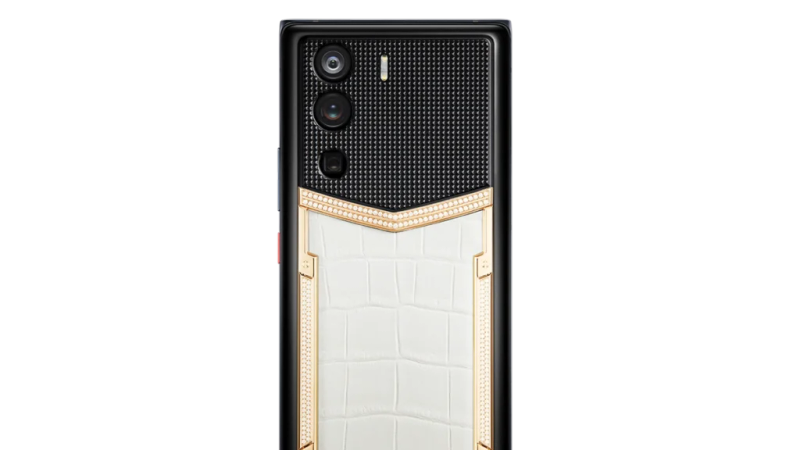
In the luxury sector, this convergence is exemplified by pieces that prioritise design and materiality. Rings such as the VERTU AI Diamond Ring are conceived as fine jewellery first, crafted from premium materials, that also happen to house sophisticated technology. This approach honours the tradition of jewellery as a personal statement while adapting it for contemporary needs. Options like the Duo Ring Set further explore this concept, offering paired rings that symbolise connection on both an emotional and a technological level.
Ultimately, the choice between a classic garnet heart ring and a modern smart ring hinges on the wearer's lifestyle and what they value most: pure, timeless symbolism or symbolic utility. The modern jewellery landscape offers compelling options for both paths. For those exploring the intersection of fine jewellery and personal technology, the curated VERTU collections available on the official store provide a clear and compelling starting point.