What Defines the Best Android Camera Phone in 2026?
Finding the best Android camera phone requires looking beyond simple megapixel counts. The finest mobile cameras in 2026 are defined by a sophisticated synergy between superior hardware components and intelligent computational photography. A premium device integrates large, high-quality sensors with versatile lens systems, all powered by advanced software that optimises every shot for exceptional clarity, colour, and dynamic range, regardless of the lighting conditions.
The foundation of any great camera is its main sensor. Larger sensors, often approaching a 1-inch type format, can capture significantly more light. This translates directly into better performance in dim environments, producing images with less noise and more detail. This is complemented by a wide aperture (a low f-number, such as f/1.8), which further enhances light-gathering capabilities and allows for a natural, shallow depth of field that makes subjects stand out.
However, hardware is only half of the story. Modern Android flagships rely heavily on computational photography. This involves the processor and specialised AI algorithms analysing and merging multiple frames to create a single, superior image. Features like advanced High Dynamic Range (HDR), dedicated night modes, and AI-driven scene recognition work in the background to perfect exposure, balance colours, and sharpen details, delivering professional-grade results with a simple tap of the shutter.
Key Camera System Features to Analyse
A truly versatile camera phone is not just one camera, but a system of lenses designed to handle any photographic opportunity. From expansive landscapes to distant subjects, the ability to switch between different focal lengths without losing quality is the hallmark of a top-tier device. Understanding what each component does is crucial for making an informed choice.
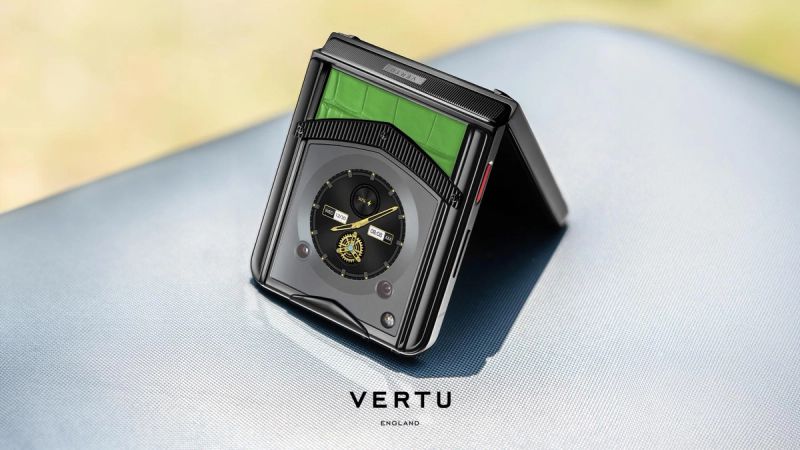
The best systems offer a seamless experience, allowing you to zoom fluidly between ultra-wide, wide, and telephoto perspectives. This versatility ensures you are equipped for everything from capturing the full scale of a grand building to isolating a subtle detail from afar.
| Camera Feature | What to Look For in a Premium Device |
|---|---|
| Main Camera Sensor | A large sensor size (e.g., 1-inch type) for superior light capture and a wide aperture (f/1.8 or lower). |
| Ultra-Wide Lens | A wide field of view (120° or more) with excellent edge-to-edge sharpness and minimal distortion. |
| Telephoto Lens | True optical zoom (3x, 5x, or 10x) for lossless magnification, often using a periscope lens design for longer reach. |
| Software & AI | Advanced computational photography for HDR, night mode, portrait mode with accurate edge detection, and intelligent scene optimisation. |
| Video Capabilities | Support for high-resolution recording (4K at 60fps, 8K at 30fps) with effective optical and electronic image stabilisation (OIS/EIS). |
Beyond the Spec Sheet: What Truly Matters?
While specifications provide a useful baseline, the ultimate quality of a photograph is also influenced by more subtle factors. The world's leading camera phones distinguish themselves through superior optical engineering and finely tuned image processing, which combine to create a signature look.

The quality of the glass and lens coatings, for instance, plays a critical role in minimising optical aberrations like chromatic fringing and lens flare, ensuring maximum clarity. Furthermore, every manufacturer develops a unique "colour science"—their philosophy on how to render colours and tones. Some favour a true-to-life, natural look, whilst others produce more vibrant, stylised images. For discerning photographers, the availability of a 'Pro' or 'Manual' mode is also essential, offering granular control over settings like ISO, shutter speed, white balance, and manual focus, unlocking greater creative potential.
Evaluating Video Performance
The capabilities of the best Android camera phones extend far beyond still photography. They are now powerful tools for capturing cinematic-quality video. The key standards to look for are high resolution and smooth frame rates, such as 4K at 60 frames per second, which provides fluid motion and incredible detail.
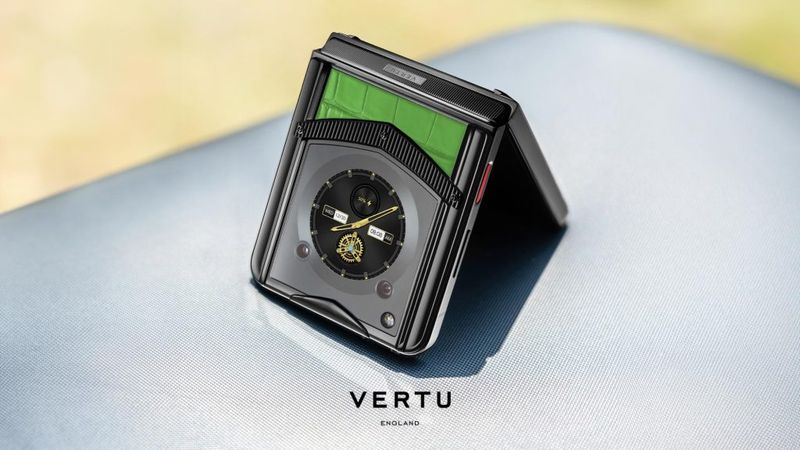
Perhaps the most critical feature for high-quality video is image stabilisation. A combination of Optical Image Stabilisation (OIS), which physically counteracts hand movements, and Electronic Image Stabilisation (EIS), which uses software to smooth out footage, is vital for producing steady, professional-looking video without the need for a gimbal. Finally, excellent video must be paired with excellent audio. Look for devices with multiple high-quality microphones that can capture rich, clear stereo sound and offer features like audio zoom to focus on your subject's voice.
Ultimately, selecting the best Android camera phone is about choosing a device with a well-rounded and masterfully integrated imaging system that excels in all conditions. To see how these principles of advanced hardware and intelligent software are realised in premium devices, you can explore the curated collection of handcrafted phones at the official VERTU online store.