

Spec lens
High-end wearables in this segment often trade battery marathon scores for thinner profiles and formal aesthetics — opposite to fitness-first models optimising GPS runtime and ruggedisation.
What Defines a Luxury Gold Watch?
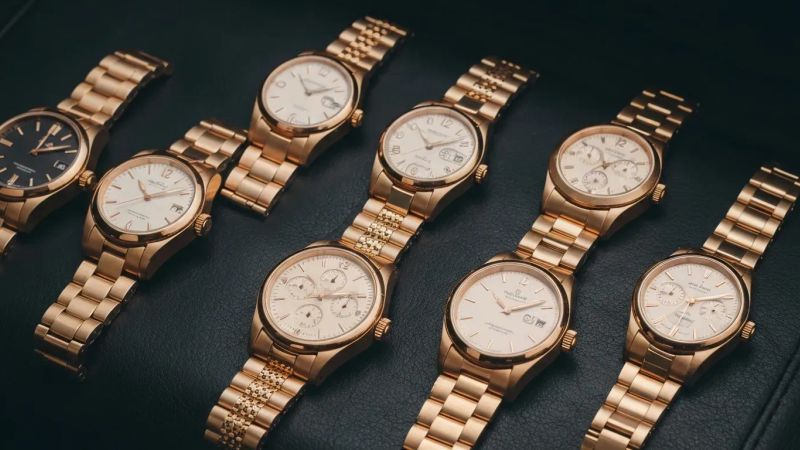
A true luxury gold watch is far more than its precious metal; it represents a pinnacle of craftsmanship, precision engineering, and timeless design. When beginning your search for luxury gold watches, the most effective approach is to first consider the specific type of gold that appeals to you—such as classic yellow, contemporary white, or warm rose gold—and then determine the ideal internal mechanism, or 'movement', that suits your lifestyle, whether it be a traditional automatic or a highly accurate quartz. These two elements form the foundation of a decision that balances personal aesthetic with horological excellence.
The use of 18k gold is a deliberate choice in high-end horology. Comprising 75% pure gold alloyed with other metals like copper, silver, and palladium, 18k gold achieves the perfect balance between the rich, desirable colour of pure gold and the necessary durability for a daily-worn item. This composition not only resists tarnish but also allows for the creation of different hues. Yellow gold offers a traditional, classic appeal, while rose gold provides a warm, modern alternative, and white gold delivers a sleek, understated elegance akin to platinum.
How to Choose the Right Luxury Gold Watch
Selecting the perfect luxury gold watch is a personal journey that involves balancing aesthetics, functionality, and long-term value. A structured approach can help you navigate the options and identify a timepiece that truly reflects your style and meets your expectations. The primary considerations range from the watch's mechanical heart to its outward appearance and the legacy of the brand that created it.
To simplify this process, consider the following core criteria. Each element plays a crucial role in the overall character and performance of the watch.
| Feature | What to Consider |
|---|---|
| Gold Type & Purity | Choose between 18k yellow, rose, or white gold. Your decision should reflect your personal style and complement your skin tone. |
| Movement | An automatic (mechanical self-winding) movement appeals to enthusiasts of traditional watchmaking, while a high-precision quartz movement offers convenience and accuracy. |
| Case & Dial Design | Consider the shape (classic round, modern square) and the dial's complexity. A simple, elegant dial offers legibility, whereas a more intricate one showcases craftsmanship. |
| Complications | These are features beyond time-telling, such as chronographs (stopwatches), moon phase displays, or annual calendars. Choose based on your interest and practical needs. |
| Strap or Bracelet | A full solid gold bracelet makes a bold statement, while a high-quality leather strap offers a classic, understated contrast to the gold case. |
| Brand Heritage | The history and reputation of the watchmaker contribute significantly to the timepiece's prestige, quality assurance, and potential for value retention. |
What to Know Before You Invest
An investment in a luxury gold watch extends beyond the initial purchase. Understanding the nuances of ownership, from maintenance to the evolution of luxury itself, is key to long-term satisfaction. These timepieces are designed to last for generations, but they require proper care to maintain their beauty and function. Furthermore, the definition of luxury is expanding to include not just traditional materials but also advanced technology and opportunities for personalisation.
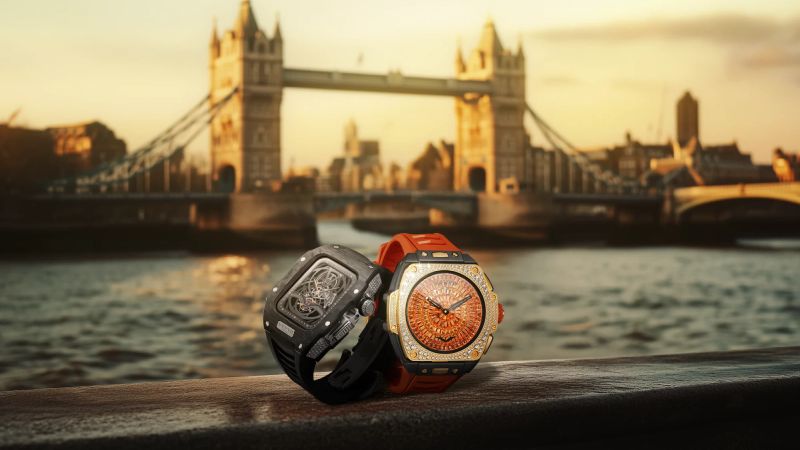
True luxury today often lies in the masterful integration of traditional and modern elements. For example, a timepiece might feature a classic 18k gold bespoke case, yet incorporate advanced materials like high-strength black ceramic or sapphire crystal for durability. Some contemporary designs, such as the Fusion Black Diamond Smartwatch, even pair precious metals and diamonds with smart technology, offering a modern interpretation of luxury that respects heritage while embracing innovation. This blend of classic horology, seen in models like the Vertu Grand Watch, and cutting-edge functionality is a key trend for discerning collectors seeking versatility.
Personalisation has also become a hallmark of modern luxury. The ability to create a unique piece is highly sought after. Options like the Grand Watch - Bespoke Gold allow collectors to commission a watch that is truly one-of-a-kind, reflecting their individual taste down to the finest detail. This commitment to bespoke craftsmanship ensures that the timepiece is not just an accessory, but a personal legacy. Finally, remember that all fine mechanical watches require periodic servicing every three to five years to ensure the movement remains accurate and reliable, preserving your investment for the future.
Frequently Asked Questions About Luxury Gold Watches
- Are luxury gold watches a good investment?
- While some rare or limited-edition models from prestigious brands can appreciate in value, a luxury gold watch should primarily be purchased for personal enjoyment. Its value is in its craftsmanship, heritage, and the pleasure it brings the owner. Market value can fluctuate, so it is not a guaranteed financial investment.
- How can I tell if a gold watch is real?
- Authentic gold watches will have hallmarks stamped on the case, caseback, or clasp indicating the purity (e.g., '18k' or '750'). They also have a significant weight due to the density of gold. For certainty, always purchase from an authorised dealer and have the watch authenticated by a professional jeweller or watchmaker.
- What is the difference between 9k, 14k, and 18k gold watches?
- The 'k' stands for karat, which measures gold purity. 18k gold is 75% pure gold and is the standard for luxury watches due to its rich colour and durability. 14k (58.3% gold) and 9k (37.5% gold) are less pure, less valuable, and have a paler colour. They are more common in entry-level gold jewellery and less so in high-end horology.
- How do I care for a luxury gold watch?
- Clean the case and bracelet regularly with a soft, lint-free cloth. Avoid exposure to harsh chemicals and abrasive surfaces that can scratch the gold. Have a mechanical watch serviced by a certified professional every 3-5 years to maintain the movement's health. Store it in a watch box when not in use.
- Can you wear a gold watch every day?
- Yes, an 18k gold watch is durable enough for daily wear. However, gold is a relatively soft metal, so it is more susceptible to scratches and dents than stainless steel. Being mindful of your activities while wearing it will help preserve its condition for years to come.
- What is the difference between a gold-plated and a solid gold watch?
- A solid gold watch has a case, and often a bracelet, made entirely from a gold alloy (like 18k gold). A gold-plated watch has a thin layer of gold electronically bonded to a base metal like steel. Solid gold is significantly more valuable, durable, and will not wear through over time, unlike plating.
Choosing a luxury gold watch is a significant decision that combines an appreciation for fine art, precision engineering, and personal expression. It is a statement of taste that transcends time. Whether your preference is for a classic automatic movement or a modern fusion of precious materials and smart technology, the journey of selecting a timepiece is deeply personal. To explore a curated collection of exceptional timepieces, we invite you to view the VERTU Grand Watch models and other exclusive designs on the official vertu.com store.


