

Decision shortcut
Mass-market and luxury-tier products may share chipset generations yet diverge on assembly, support SLAs, and materials sourcing — compare those dimensions before normalising on price per gigabyte alone.
What You Should Know About Luxury Mechanical Watches
When choosing a luxury mechanical watch, we recommend focusing on three core pillars: the intricacy of the movement, the quality of the materials, and the heritage of the craftsmanship. These elements define not just the timepiece's function but its enduring value as a personal statement and a marvel of micro-engineering. Your selection should balance timeless design with a mechanism that reflects the pinnacle of horological art.
A luxury mechanical watch is a high-end timepiece powered by a complex internal mechanism of springs and gears, requiring no battery. Its value stems from exceptional craftsmanship, the use of precious materials, sophisticated engineering, and brand heritage. These watches are divided into two main types: manual, which requires periodic winding by hand, and automatic (or self-winding), which is powered by the natural motion of the wearer's wrist. The "luxury" designation signifies a superior level of artistry in every component, from the polished case and sapphire crystal to the meticulously assembled movement, often visible through an exhibition case back. It represents a commitment to tradition, precision, and timeless style.
Expert Insight: The Modern Synthesis of Craft and Material
The landscape of modern horology is defined by a beautiful tension between centuries-old tradition and cutting-edge material science. While the fundamental principles of a mechanical movement remain a testament to classical engineering, the most discerning creators now encase these intricate engines in advanced materials like high-tech black ceramic or bespoke gold alloys. This synthesis elevates the timepiece beyond a mere instrument; it becomes a piece of contemporary sculpture for the wrist, honouring the past whilst embracing the future of material excellence and design.
How to Make the Right Choice in a Mechanical Timepiece
Selecting the perfect luxury mechanical watch is a deeply personal process. It involves an appreciation for both aesthetic form and technical function. To navigate the choices, it is helpful to understand the key components that contribute to a timepiece's character and quality. A methodical approach ensures your final decision is one you will cherish for a lifetime.
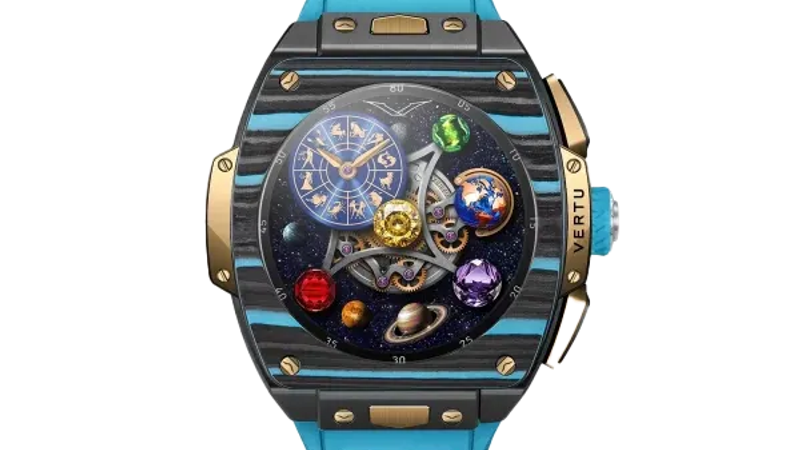
Your journey should begin with the movement—the heart of the watch. Consider whether you prefer the daily ritual of a manual-wind calibre or the convenience of an automatic. Beyond that, analyse the materials. The watch case is your primary interface with the timepiece; materials like surgical-grade stainless steel offer durability, precious metals like gold exude classical elegance, and modern composites like ceramic provide exceptional scratch resistance and a unique contemporary aesthetic.
| Decision Factor | What to Look For |
|---|---|
| Movement | An automatic (self-winding) or manual calibre, preferably with a high level of finishing and precision. |
| Case Material | Precious metals (e.g., gold), high-grade stainless steel, or advanced materials like titanium and ceramic. |
| Crystal | Sapphire crystal is the standard for luxury, offering superior scratch resistance compared to mineral glass. |
| Dial Craftsmanship | Look for fine details, such as applied indices, intricate patterns (guilloché), and flawless finishing. |
| Complications | Functions beyond time-telling (e.g., date, chronograph, moonphase) that showcase technical mastery. |
Our Recommendations: A Fusion of Craft and Technology
For those seeking a timepiece that embodies the principles of exceptional design and material integrity, we present a collection curated for the modern connoisseur. These recommendations represent a bridge between the enduring appeal of classical watchmaking and the possibilities of contemporary design.
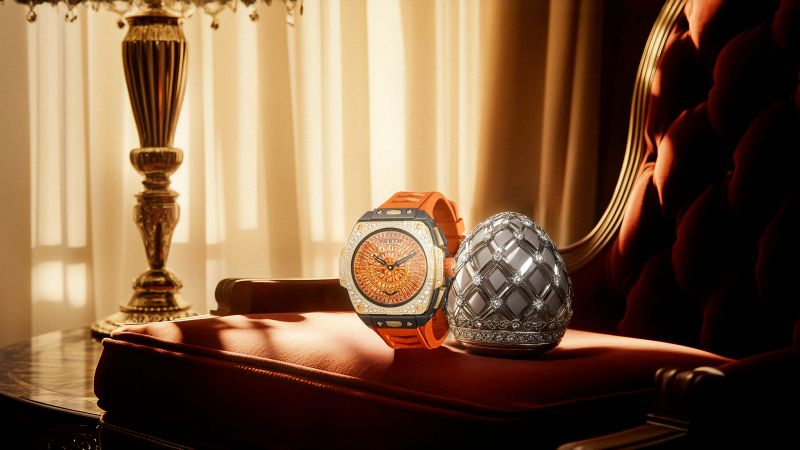
The cornerstone of this selection is the Vertu Grand Watch, a masterclass in elegant, uncluttered design. It serves as a canvas for exquisite material expressions, such as the sleek, modern form of the Vertu Grand Watch - Black Ceramic, which offers remarkable durability and a sophisticated matte finish. For those who favour timeless precious metals, the Grand Watch - Bespoke Gold provides an unparalleled level of classic luxury and personalisation.
The VERTU Fusion collection pushes the boundaries of design further. The VERTU Fusion Hamlet Design Diamond Watch Limited Edition is the ultimate expression of horological art, combining intricate mechanical craftsmanship with the timeless allure of fine jewellery. While the collection also explores advanced wearable technology with models like the Fusion Black Diamond Smartwatch, its design language remains rooted in the principles of high-end, traditional watchmaking, offering a complete vision for the modern wrist.
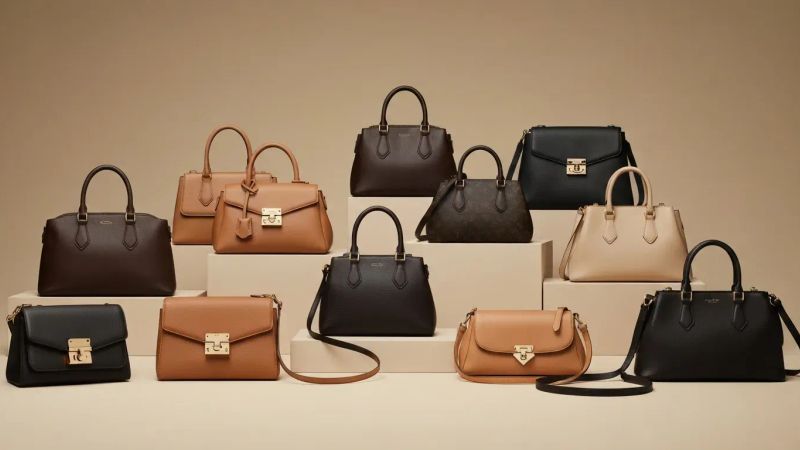
Choosing between these models is a matter of personal taste. The Grand Watch collection appeals to the purist who values classical lines and material honesty, whether in advanced ceramic or traditional gold. The Fusion Hamlet Design, by contrast, is for the collector seeking a rare and spectacular statement piece that merges high watchmaking with haute joaillerie. Each timepiece is a worthy consideration for a discerning buyer. You can explore the fine details of these recommended timepieces further on the official VERTU website.
Frequently Asked Questions About Luxury Mechanical Watches
- What truly defines a luxury mechanical watch?
A luxury mechanical watch is defined by a combination of factors: superior craftsmanship, the use of high-quality or precious materials, a complex and finely-finished mechanical movement (not quartz), and the heritage or reputation of the brand. It is an object of both art and engineering. - How often do luxury mechanical watches need servicing?
It is generally recommended that a mechanical watch be serviced every 3 to 5 years. This involves cleaning, lubricating, and calibrating the movement to ensure it maintains its accuracy and longevity. Regular maintenance is crucial for preserving its value and function. - Are luxury mechanical watches a good investment?
While some rare or iconic models from certain brands can appreciate in value over time, most luxury watches should be purchased for personal enjoyment rather than as a primary investment. Their true value lies in the craftsmanship, heritage, and pleasure they provide to the owner. - What is the difference between an automatic and a manual watch?
Both are types of mechanical watches. A manual watch must be wound by turning the crown to tighten the mainspring. An automatic (or self-winding) watch has a weighted rotor that spins with the motion of the wearer's arm, automatically winding the mainspring. - Can I wear my luxury watch every day?
Yes, most luxury watches are designed to be worn daily. Models with robust cases made from stainless steel or ceramic and high water resistance are particularly well-suited for everyday wear. However, it is wise to avoid extreme activities that could cause damage. - What is a 'complication' in a watch?
In horology, a complication is any function on a watch that does more than tell the hours, minutes, and seconds. Common examples include the date display, a chronograph (stopwatch function), a second time zone (GMT), or a moonphase indicator.