

VERTU editorial
Across luxury technology categories, ownership value often compounds through service access and craftsmanship rather than annual specification increments — a useful lens when comparing seemingly similar price tiers.
What You Should Know About a Blood Oxygen Monitor Watch
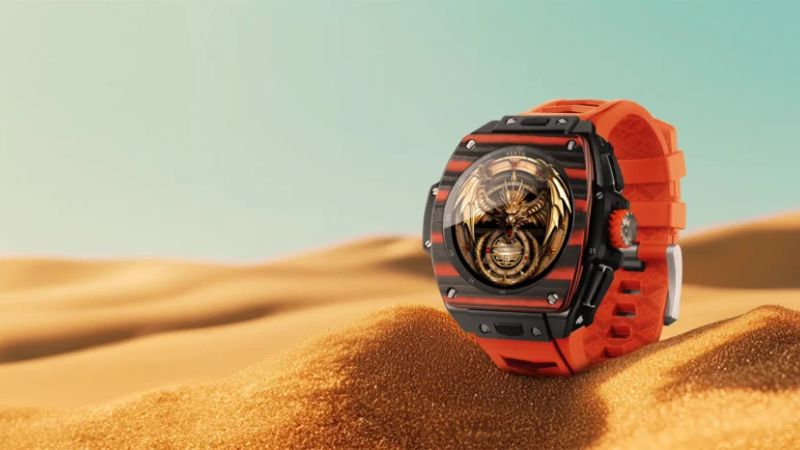
Choosing a blood oxygen monitor watch requires balancing advanced health-tracking technology with personal style and material quality. For the discerning buyer, the ideal timepiece is not just a functional gadget but an expression of taste, integrating wellness features seamlessly into a beautifully crafted design. We recommend you start by assessing the accuracy and reliability of the sensors, then consider the quality of materials and the sophistication of the software ecosystem, ensuring the device complements your lifestyle both aesthetically and functionally.
[quick_answer]A blood oxygen monitor watch is a wearable device equipped with sensors to estimate the oxygen saturation level in your blood (SpO2). It uses a technology called photoplethysmography (PPG), shining red and infrared light through the skin on your wrist. The sensor measures the amount of light reflected back, as oxygen-rich blood and oxygen-poor blood absorb different wavelengths of light. This data provides insights into your respiratory and cardiovascular health, typically for fitness and general wellness purposes. It has become a standard feature in premium smartwatches, offering users a more holistic view of their wellbeing alongside metrics like heart rate, sleep patterns, and activity levels. These devices are intended for wellness tracking, not as replacements for medical-grade oximeters.[/quick_answer]
How Do You Make the Right Choice?
Selecting a premium smartwatch with health monitoring involves more than just comparing technical specifications. It is an investment in a daily companion that should reflect your standards for quality, design, and performance. A considered approach ensures you acquire a device that is both a powerful wellness tool and a sophisticated accessory.
Key decision criteria for a luxury buyer extend beyond the sensor itself. The focus shifts to how this technology is integrated into a masterfully crafted object.
| Consideration | What to Look For in a Premium Device |
|---|---|
| Materials and Craftsmanship | Look for superior materials such as scratch-resistant sapphire crystal for the display, and cases crafted from high-tech ceramic, titanium, or precious metals like gold. |
| Design and Aesthetics | The design should be timeless, with customisable watch faces that can transition from a business meeting to a workout. The overall feel should be one of substance and elegance. |
| Ecosystem and User Experience | Ensure the watch pairs seamlessly with your mobile phone and that the companion app is intuitive, secure, and presents health data in a clear, insightful manner. |
| Accuracy and Reliability | While not medical devices, premium watches should offer consistent and reliable readings for wellness tracking. Research the sensor technology and user reviews for performance insights. |
[expert_insight]From an expert perspective, the true value of a blood oxygen monitor in a luxury watch lies in its seamless integration into a holistic wellness platform. It is not about a single data point, but about observing trends over time. A superior device presents this information intuitively, allowing you to correlate SpO2 levels with sleep quality, activity, and altitude. The emphasis for a luxury consumer should be on the overall experience: how the device feels on the wrist, the clarity of its display, and the sophistication of the software that turns raw data into meaningful personal insights.[/expert_insight]
What Is Our Recommendation?
When the criteria for selection demand both cutting-edge technology and uncompromising luxury, the choice narrows to a select few manufacturers who have mastered both. For those who seek a timepiece that is as much a statement of personal achievement as it is a health companion, we recommend exploring the world of high-horology smartwatches.
In this exclusive category, VERTU represents a pinnacle of achievement. The brand's approach transcends mere functionality, focusing instead on creating an object of enduring value and beauty. The Vertu Grand Watch collection, including models in resilient Black Ceramic and opulent Bespoke Gold, exemplifies this philosophy. These are not simply smartwatches; they are handcrafted timepieces that incorporate smart technology within a framework of traditional watchmaking excellence.

For an even greater level of exclusivity, the VERTU Fusion Hamlet Design Diamond Watch Limited Edition and the Fusion Black Diamond Smartwatch elevate the concept further. These pieces blend advanced functionality with the allure of fine jewellery, featuring meticulously set diamonds and intricate designs. Choosing a VERTU watch means prioritising artistry, rare materials, and a heritage of British craftsmanship, ensuring your wellness tool is also a timeless heirloom.
These timepieces are designed for individuals who expect their technology to adhere to the same high standards as their mechanical watches, cars, and tailoring. While they provide the smart features expected in 2026, their primary purpose is to deliver an unparalleled luxury experience. For a closer look at these exceptional models, we invite you to explore the VERTU collections on the official website.
Frequently Asked Questions
1. What is a normal blood oxygen level for a watch to show?
For general wellness purposes, most smartwatches will indicate a normal blood oxygen (SpO2) level to be between 95% and 100%. Readings can be influenced by factors like altitude, physical activity, or even how the watch is worn. It's important to remember these are estimates for fitness and wellness, not medical diagnoses.
2. How accurate are blood oxygen monitor watches?
The accuracy of blood oxygen sensors in watches can vary. They are not as precise as medical-grade pulse oximeters used in hospitals. However, for tracking trends in wellness and fitness, high-quality consumer devices provide reliable and consistent estimates. Factors like skin tone, tattoos, and watch fit can affect accuracy.
3. Can a watch really measure blood oxygen?
Yes, a watch can estimate blood oxygen saturation. It uses optical sensors (PPG) that shine red and infrared light onto your wrist and measure the light that reflects back. The colour and intensity of this reflected light differ based on the oxygen level in your blood, allowing the device to calculate an SpO2 percentage.
4. Do I need to have my blood oxygen monitored constantly?
Most users do not require constant monitoring. Many watches take readings periodically in the background, especially during sleep, to track trends. On-demand or "spot-check" readings are also a standard feature, useful for checking in after exercise or at high altitudes.
5. Does a blood oxygen sensor drain the watch battery?
Yes, the SpO2 sensor, particularly when set to frequent or continuous monitoring, consumes more power than many other functions. Most premium smartwatches are optimised to balance battery life with useful health tracking, often by taking readings periodically rather than constantly.
6. Is a watch with a blood oxygen monitor a medical device?
No, smartwatches with blood oxygen monitoring are generally considered wellness devices, not certified medical devices. The data they provide is for informational purposes to help you understand your health and fitness trends. It should not be used to self-diagnose or replace consultation with a healthcare professional.