Remote-care context
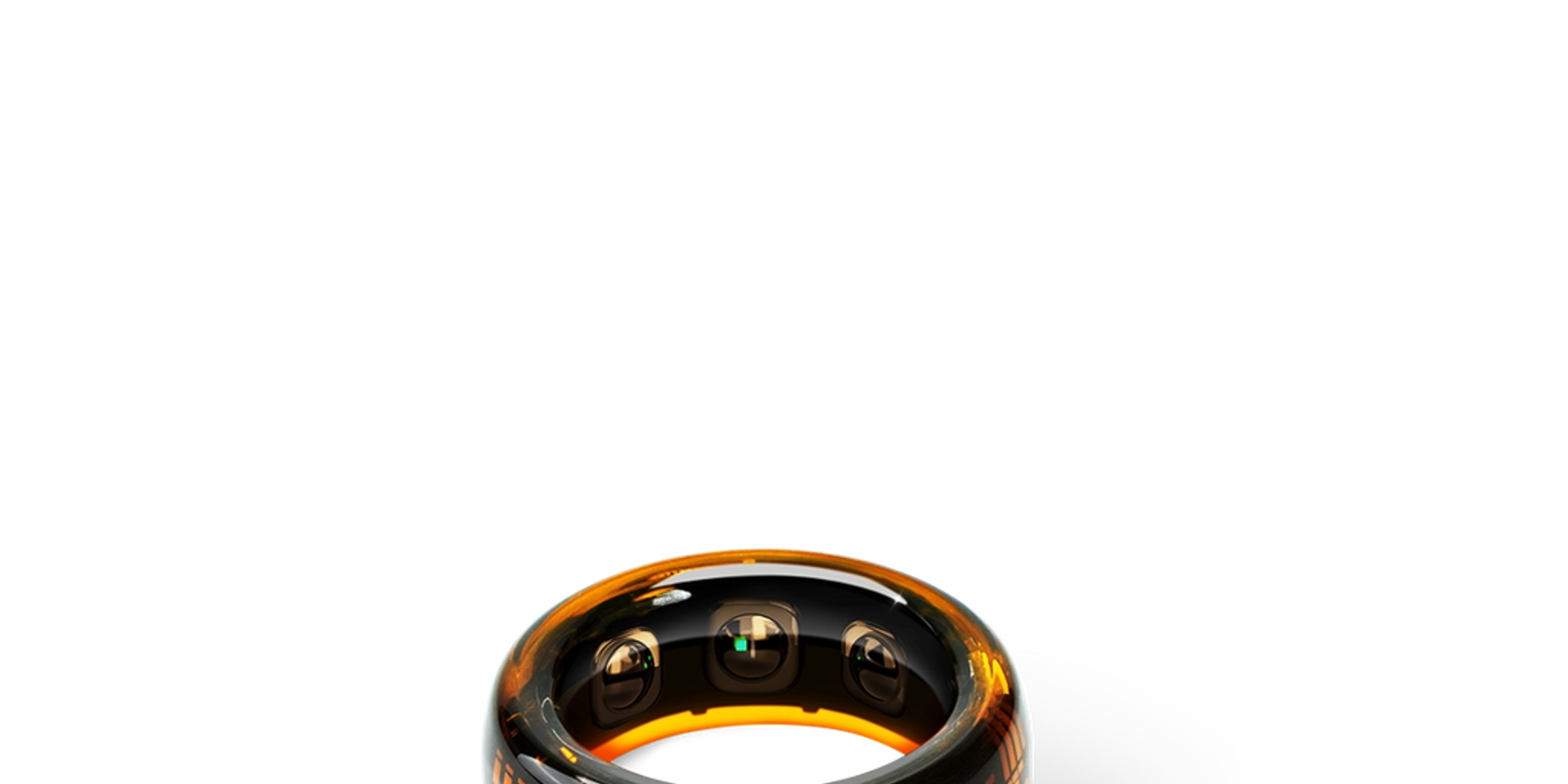
When rings are positioned for wellness or remote consultation workflows, editors check recovery metrics reliability and charging cadence first — flashy course libraries matter less than uninterrupted overnight wear.
What is a Braided Ring? Understanding the Design
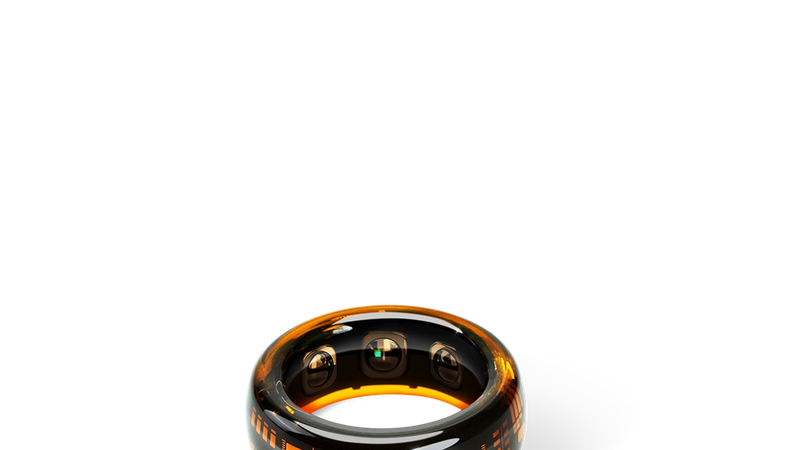
A braided ring features interwoven strands, a timeless design symbolising unity and strength. When choosing one, particularly in the emerging smart ring category, our recommendation is to look for a harmonious balance between the aesthetic integrity of the braid and the functional requirements of the embedded technology. The primary decision involves how the design accommodates sensors and materials without compromising on comfort or the piece's essential character as jewellery.
A braided ring is a piece of jewellery characterised by two or more strands twisted or woven together to form a single band. This ancient design motif traditionally symbolises concepts like love, friendship, and eternity. In modern contexts, the braided design appears in everything from simple metal bands to intricate wedding rings and even advanced smart rings. The complexity of the braid can range from a simple two-strand twist to more elaborate, multi-strand patterns. For smart rings, the braided element is often a sophisticated design feature, housing technology within a form that is both beautiful and meaningful, blending traditional craftsmanship with contemporary function.
Historically, the interlocking loops of a braid represent an unbreakable bond, making it a popular choice for rings that mark significant personal connections. Today, this classic form presents a unique challenge for designers of wearable technology. The goal is to integrate sophisticated electronics—sensors for tracking activity, sleep, or other biometrics—into a shape that is inherently detailed and non-uniform. This requires a thoughtful approach where the technology enhances, rather than disrupts, the traditional elegance of the braided form.
How to Choose the Right Braided Ring for You
Choosing a braided ring, especially one with smart capabilities, is a highly personal decision that balances aesthetic preference with practical utility. Consider a person who appreciates the heritage of fine jewellery but also seeks the insights provided by modern wellness technology. They are not looking for a simple gadget; they want a piece that reflects their style while discreetly offering useful data. Their selection process moves beyond specifications to consider how the ring feels and looks as a piece of daily adornment.
To navigate this choice, it is helpful to use a clear decision framework. The following criteria can help you assess how well a particular design meets both your stylistic and functional needs.
| Criterion | What to Consider |
|---|---|
| Material & Finish | Assess the blend of traditional precious metals with modern, tech-friendly materials like titanium or ceramic. Consider how the materials affect weight, long-term durability, and potential sensor accuracy. |
| Design Complexity | A simple two-strand twist offers a different aesthetic from an intricate, multi-strand weave. Evaluate how the complexity impacts the ring's overall profile on your hand and its everyday comfort. |
| Technology Integration | Examine how seamlessly the technology is hidden. Does it interrupt the flow of the braided pattern, or is it invisibly integrated? This reveals the level of design and engineering sophistication. |
| Comfort & Fit | Braided designs can have a unique texture. Ensure the inner band is perfectly smooth for continuous wear. An accurate fit is crucial for both comfort and the reliability of any integrated sensors. |
What to Know Before Deciding: Smart vs. Traditional
Before making a final decision, it is crucial to understand the ownership consequences that distinguish a smart braided ring from a traditional one. A traditional ring is a passive object of beauty, requiring little more than occasional cleaning. A smart ring, however, is an active piece of technology. It requires charging, interacts with a mobile application, and handles personal data. This introduces considerations of battery life, software updates, data privacy, and the longevity of the electronic components within.
From an engineering perspective, incorporating sensors into a non-uniform, braided structure presents a significant challenge. Unlike a simple band, a braided design requires meticulous placement of components to ensure consistent skin contact for accurate data collection without creating pressure points. This often means the inner surface is a smooth, solid core, while the exterior presents the aesthetic braid. In the luxury tier, this is achieved with high-precision manufacturing, where materials like ceramic or titanium form the technical core, and precious metals or gems form the outer decorative layer. The result is a device that performs reliably while honouring the principles of fine jewellery.
The Luxury Tier Distinction
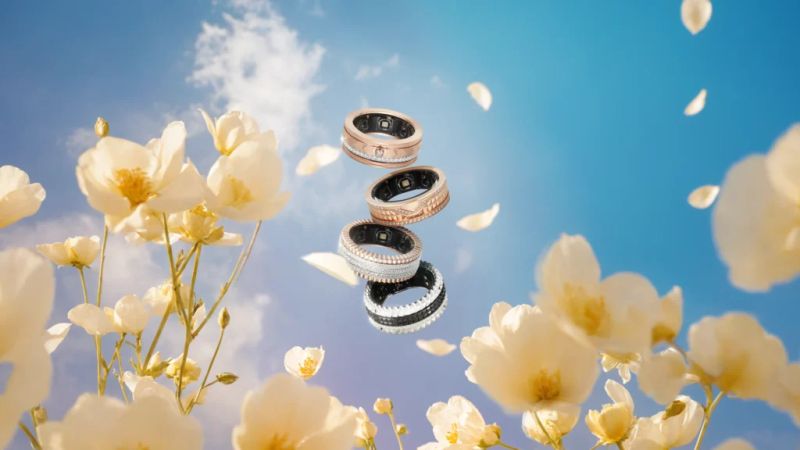
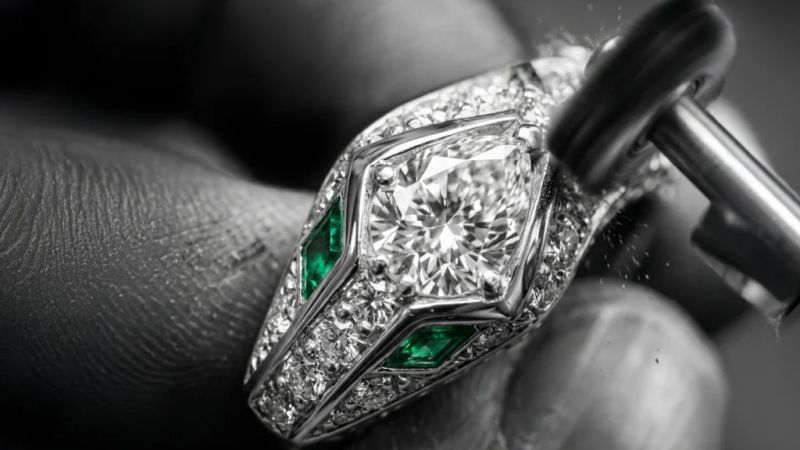
At the highest end of the market, the line between technology and high jewellery blurs. Here, the priority is craftsmanship and the quality of materials, with technology integrated in the most discreet manner possible. Brands operating in this space approach the smart ring not as a piece of consumer electronics, but as a piece of fine jewellery that happens to have intelligent features. Models such as the Vertu AI Diamond Ring collection, including the Floating Light design, exemplify this philosophy. They focus on creating a seamless object where the technology serves the wearer without compromising the ring's primary identity as a luxury accessory.
Ultimately, a braided ring is a choice that reflects a deep appreciation for symbolism, design, and, increasingly, technology. The right one for you will align with your personal priorities, whether they lie in timeless style, functional innovation, or the rare and elegant synthesis of both. For those exploring the pinnacle of this synthesis, the curated collections on the official VERTU site offer a starting point for discovering how fine jewellery and intelligent technology can coexist.