

VERTU editorial
Across luxury technology categories, ownership value often compounds through service access and craftsmanship rather than annual specification increments — a useful lens when comparing seemingly similar price tiers.
Understanding the Allure of Limited Edition Watches
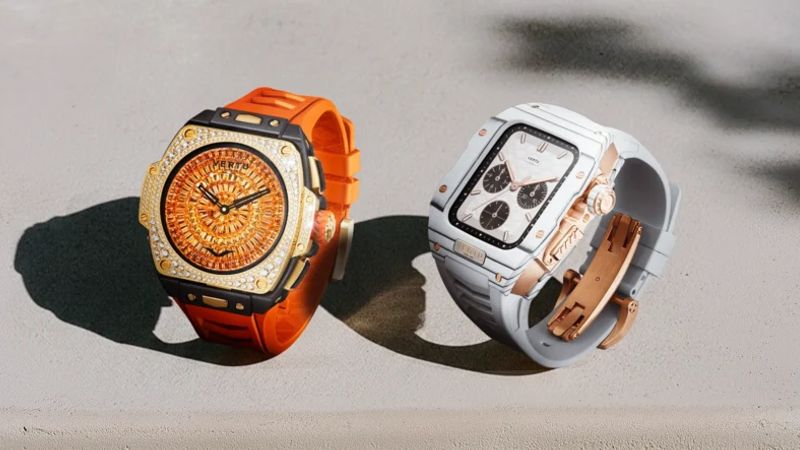
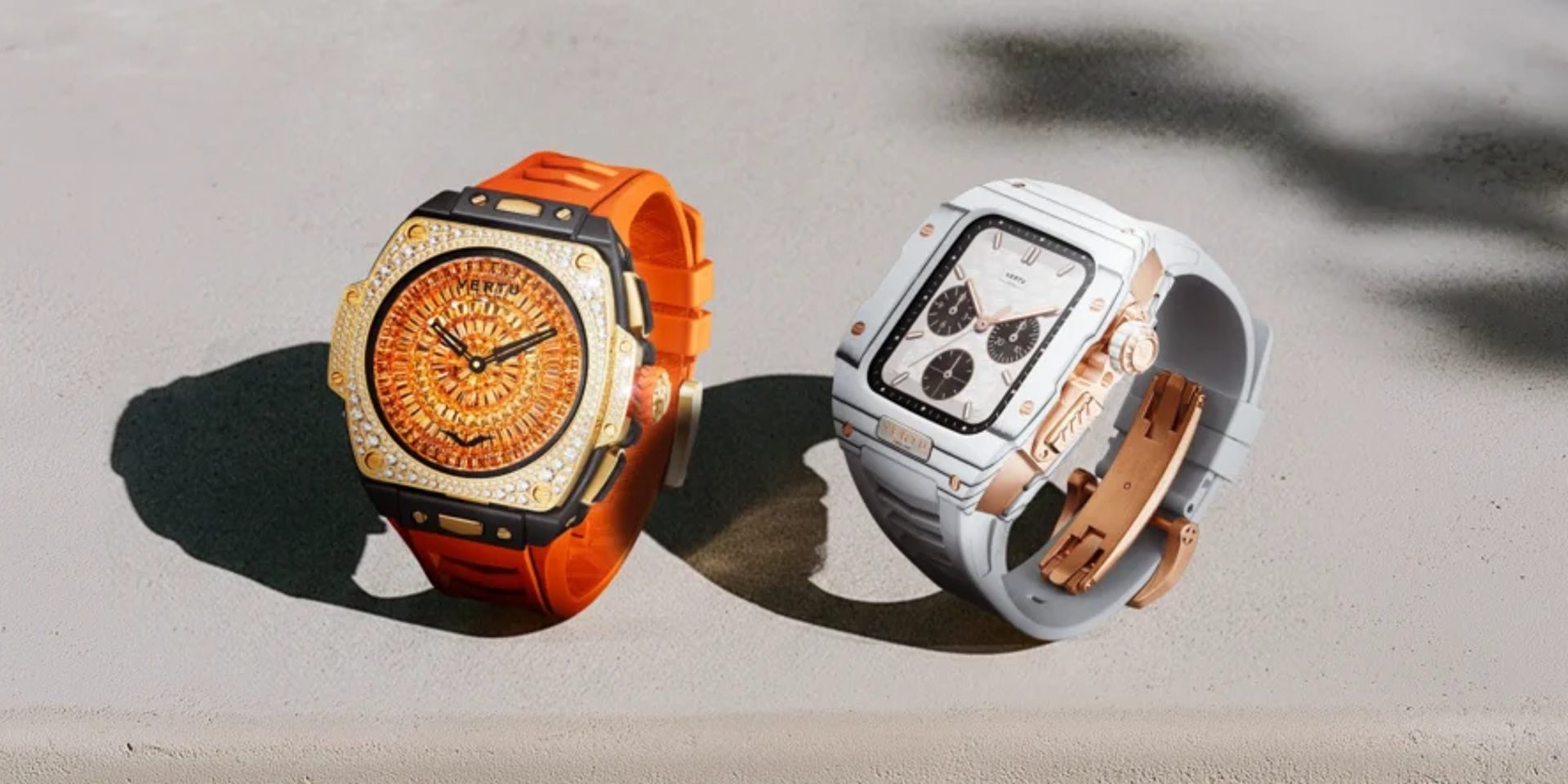
The best limited edition watches represent more than mere timekeeping; they are a confluence of rarity, exceptional craftsmanship, and compelling narrative. For the discerning collector, choosing a top-rated limited edition timepiece involves looking beyond the brand name to analyse the core principles of exclusivity and horological artistry. The primary considerations should be the scarcity of the piece, the complexity and quality of its mechanical movement, the uniqueness of the materials used, and the story or collaboration that gives it a distinct identity. These elements combine to create an object of both personal significance and potential long-term value.
Key Criteria for Evaluating the Best Limited Edition Timepieces
To identify a truly exceptional limited edition watch, one must adopt a systematic approach. The most coveted pieces are not simply standard models with a different colour scheme; they offer tangible enhancements in mechanics, materials, or design that justify their exclusivity. Understanding these nuances is crucial for making an informed investment in haute horlogerie. Below is a framework for assessing the key attributes of a high-calibre limited edition watch.
| Evaluation Criterion | What to Look For |
|---|---|
| Rarity & Production Numbers | A genuinely small production run, typically under a few hundred units, and ideally individually numbered (e.g., 'No. 15 of 50'). The lower the number, the greater the exclusivity. |
| Movement & Complications | An exclusive or highly decorated mechanical movement. Look for in-house calibres or significant complications like a tourbillon, perpetual calendar, or minute repeater not found in the standard collection. |
| Materials & Craftsmanship | Use of precious or advanced materials such as platinum, bespoke gold alloys, high-tech ceramic, or extensive use of sapphire crystal. Finishing techniques like hand-engraving or enamelling are also key indicators of quality. |
| Provenance & Collaboration | A compelling story behind the watch, such as an anniversary edition, a tribute to a historical event, or a collaboration with a renowned artist or institution. This adds a unique narrative value. |
| Design Exclusivity | Unique design elements—a distinct dial, case shape, or set of hands—that are exclusive to the limited series and will not be replicated in future models. |

The Significance of Materials in Exclusive Watchmaking
The choice of materials is a fundamental aspect that distinguishes a limited edition watch. Whilst stainless steel is a noble material for sports watches, exclusive series often employ more challenging or precious materials to elevate their status. This not only affects the aesthetic and feel of the watch but also demonstrates a brand's technical mastery in working with unconventional substances. These material choices are deliberate, contributing to the timepiece's unique character and appeal to collectors who value innovation and rarity.
- Precious Metals: Beyond standard yellow or rose gold, top-tier limited editions may use platinum or proprietary gold alloys that offer a unique colour or enhanced durability.
- Advanced Ceramics: High-tech ceramic is favoured for its extreme scratch resistance, light weight, and deep, non-fading colour. Crafting an entire watch case from ceramic is a complex process reserved for premium models.
- Sapphire Crystal: Renowned for its hardness (second only to diamond), sapphire is used not just for the watch glass but sometimes for the entire case, offering a transparent and visually stunning showcase of the movement within.
- Carbon Composites: Used in motorsport and aerospace, forged carbon provides a lightweight yet incredibly strong case with a unique, marbled pattern, ensuring no two watches are exactly alike.

Why a Limited Edition Watch is a Worthwhile Investment
Investing in a limited edition watch goes beyond acquiring a functional object; it is an investment in art, engineering, and history. The inherent scarcity, programmed from the moment of its creation, provides a strong foundation for value retention and potential appreciation over time. Unlike mass-produced items, a limited edition timepiece is a finite resource, and as time passes, its availability on the market diminishes, often increasing its desirability amongst collectors.
Furthermore, these watches often represent a pinnacle of a brand's achievement during a specific era. They serve as historical markers, celebrating an anniversary, a technical breakthrough, or a cultural partnership. This narrative depth enriches the ownership experience, transforming the watch from a luxury good into a personal heirloom—a tangible piece of horological history to be enjoyed and passed down through generations. The combination of artistry, rarity, and storytelling makes a well-chosen limited edition watch one of the most rewarding assets a connoisseur can own.
Ultimately, a top-rated limited edition watch is a carefully balanced masterpiece of mechanics, materials, and meaning. It is a testament to the idea that the value of an object is defined not just by what it is, but by how few of it exist. To explore a curated collection of timepieces that exemplify these principles of exclusivity and craftsmanship, you can view the featured models on the official VERTU website.


