A collector should insure a luxury watch separately when a standard home policy cannot cover its full value, worldwide use and accidental loss on terms the owner can document and accept.
Luxury watch insurance is not mainly a price question. The expensive mistakes are an inadequate single-item limit, an outdated valuation, a narrow territorial rule or an exclusion discovered only after loss.
This guide compares scheduling a watch on a home policy with specialist cover. It focuses on agreed or replacement value, covered events, exclusions, worldwide use, excess, documentation and claims process. Policy wording and local law always control. Important facts and service terms were checked against content.naic.org, jewelersmutual.com. For Luxury Watch Insurance, prices, policies, product specifications and availability can change, so recheck any material detail before purchase or deployment.
The decision in one table
| Decision factor | Option or risk A | Option or risk B | What to verify |
|---|---|---|---|
| Coverage limit | Home contents policies may impose category and single-item limits. | A scheduled item or specialist policy can state a higher insured amount. | Match the declared value to current replacement evidence. |
| Valuation basis | Market value can move faster than an annual policy review. | Agreed-value or replacement language may reduce uncertainty, depending on wording. | Ask how value is determined at claim time. |
| Covered events | Theft at home may be covered while mysterious disappearance is not. | Specialist cover may include accidental loss or damage, subject to exclusions. | List the exact failure cases that matter to your use. |
| Territory | Some policies limit time or value away from the insured home. | Worldwide cover can be important for a regularly worn watch. | Check travel duration, unattended baggage and hotel-safe rules. |
| Exclusions | Wear, mechanical breakdown, cosmetic damage and unattended property are common areas of dispute. | Specialist wording is not automatically comprehensive. | Read every exclusion and security condition. |
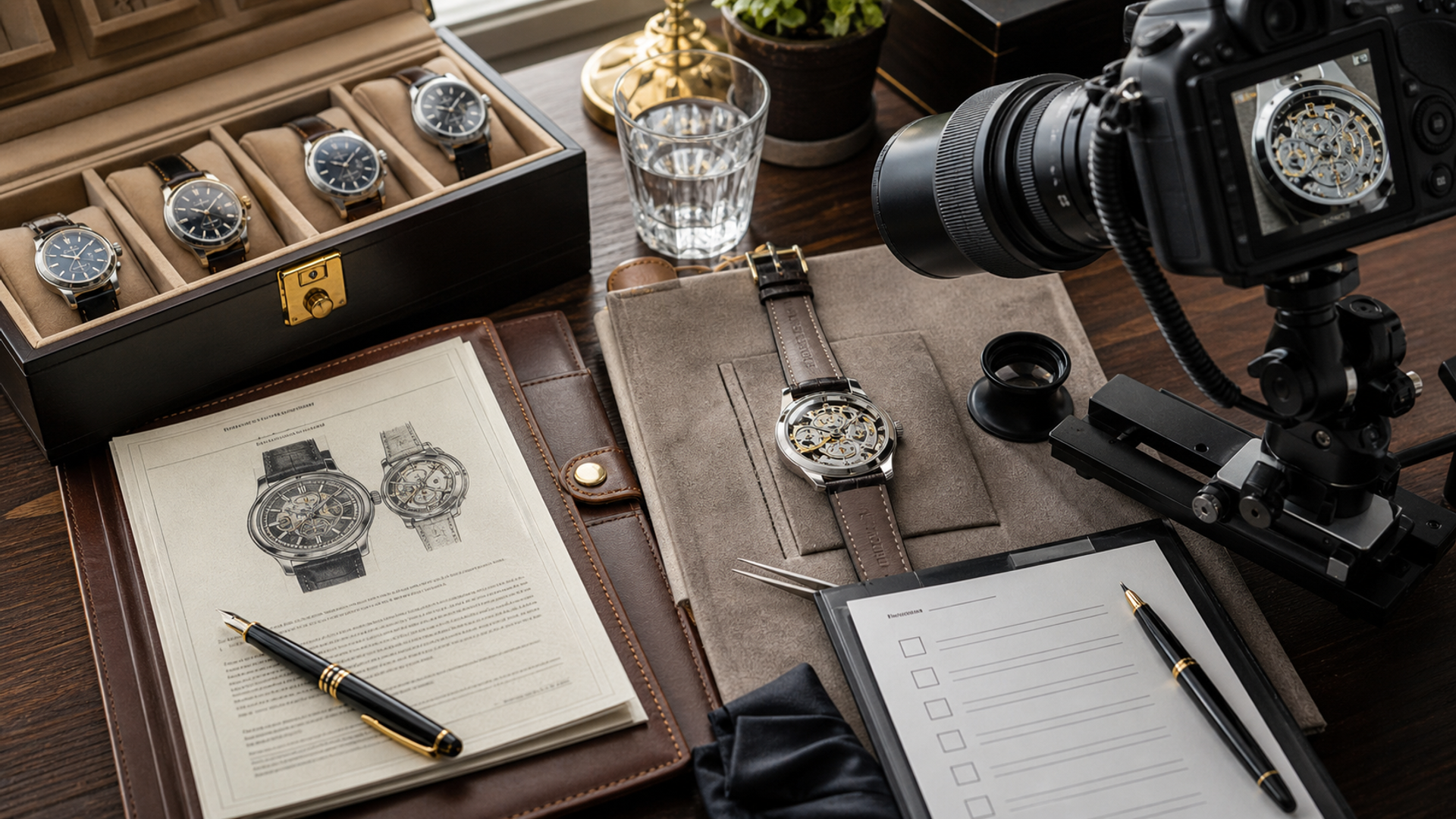
| Documentation | A receipt proves purchase but may not prove current replacement value or identity. | Serial numbers, photographs, service records and valuations strengthen the evidence chain. | Store copies securely away from the watch. |
| Claims and excess | A low premium can hide a high excess or restrictive repair process. | Specialist claims may use approved jewellers or replacement networks. | Understand choice of repairer, cash settlement and effect on future premium. |
The table is designed for action, not prestige. The Luxury Watch Insurance matrix asks whether a choice saves time, reduces risk, improves control, protects an important object or creates a clear owner. A high-end label without a measurable consequence receives no special weight.
How to use this guide
For Luxury Watch Insurance, begin with the exact job to be done and the failure that would matter most. Separate Luxury Watch Insurance facts that are fixed in a policy, specification or contract from preferences that may change. Then write down which provider controls each Luxury Watch Insurance dependency and what evidence would prove that the promised benefit is available.
Next, compare total ownership for Luxury Watch Insurance rather than checkout alone. Time, maintenance, recovery, data exposure, repair access and supplier handoffs can outweigh a visible price difference. Finally, choose the simplest system that protects the important outcome. Complexity is justified only when it removes a larger and more probable risk.
Coverage limit
Home contents policies may impose category and single-item limits. A scheduled item or specialist policy can state a higher insured amount. The practical distinction is not cosmetic. Match the declared value to current replacement evidence.
In this decision, coverage limit is a claim that must be tested against the exact product, service, route, policy or environment. The coverage limit benefit has little operational value when its conditions are not available to the reader, or when another supplier owns the failure. Record the evidence for coverage limit and the person responsible before money, data or authority changes hands.
To test coverage limit, run two cases. The first assumes normal operation. The second assumes delay, damage, missing data, unavailable inventory or a provider change. If the advantage disappears in the second case, value that part of coverage limit as a preference rather than dependable utility.
Valuation basis
Market value can move faster than an annual policy review. Agreed-value or replacement language may reduce uncertainty, depending on wording. This is where a quick comparison often becomes misleading. Ask how value is determined at claim time.
In this decision, valuation basis is a claim that must be tested against the exact product, service, route, policy or environment. The valuation basis benefit has little operational value when its conditions are not available to the reader, or when another supplier owns the failure. Record the evidence for valuation basis and the person responsible before money, data or authority changes hands.
To test valuation basis, run two cases. The first assumes normal operation. The second assumes delay, damage, missing data, unavailable inventory or a provider change. If the advantage disappears in the second case, value that part of valuation basis as a preference rather than dependable utility.
Covered events
Theft at home may be covered while mysterious disappearance is not. Specialist cover may include accidental loss or damage, subject to exclusions. The decision becomes clearer when responsibility is made explicit. List the exact failure cases that matter to your use.
In this decision, covered events is a claim that must be tested against the exact product, service, route, policy or environment. The covered events benefit has little operational value when its conditions are not available to the reader, or when another supplier owns the failure. Record the evidence for covered events and the person responsible before money, data or authority changes hands.
To test covered events, run two cases. The first assumes normal operation. The second assumes delay, damage, missing data, unavailable inventory or a provider change. If the advantage disappears in the second case, value that part of covered events as a preference rather than dependable utility.
Territory
Some policies limit time or value away from the insured home. Worldwide cover can be important for a regularly worn watch. A strong choice should survive an ordinary failure case. Check travel duration, unattended baggage and hotel-safe rules.
In this decision, territory is a claim that must be tested against the exact product, service, route, policy or environment. The territory benefit has little operational value when its conditions are not available to the reader, or when another supplier owns the failure. Record the evidence for territory and the person responsible before money, data or authority changes hands.
To test territory, run two cases. The first assumes normal operation. The second assumes delay, damage, missing data, unavailable inventory or a provider change. If the advantage disappears in the second case, value that part of territory as a preference rather than dependable utility.
Exclusions
Wear, mechanical breakdown, cosmetic damage and unattended property are common areas of dispute. Specialist wording is not automatically comprehensive. The practical distinction is not cosmetic. Read every exclusion and security condition.
In this decision, exclusions is a claim that must be tested against the exact product, service, route, policy or environment. The exclusions benefit has little operational value when its conditions are not available to the reader, or when another supplier owns the failure. Record the evidence for exclusions and the person responsible before money, data or authority changes hands.
To test exclusions, run two cases. The first assumes normal operation. The second assumes delay, damage, missing data, unavailable inventory or a provider change. If the advantage disappears in the second case, value that part of exclusions as a preference rather than dependable utility.
Documentation
A receipt proves purchase but may not prove current replacement value or identity. Serial numbers, photographs, service records and valuations strengthen the evidence chain. This is where a quick comparison often becomes misleading. Store copies securely away from the watch.
In this decision, documentation is a claim that must be tested against the exact product, service, route, policy or environment. The documentation benefit has little operational value when its conditions are not available to the reader, or when another supplier owns the failure. Record the evidence for documentation and the person responsible before money, data or authority changes hands.
To test documentation, run two cases. The first assumes normal operation. The second assumes delay, damage, missing data, unavailable inventory or a provider change. If the advantage disappears in the second case, value that part of documentation as a preference rather than dependable utility.
Claims and excess
A low premium can hide a high excess or restrictive repair process. Specialist claims may use approved jewellers or replacement networks. The decision becomes clearer when responsibility is made explicit. Understand choice of repairer, cash settlement and effect on future premium.
In this decision, claims and excess is a claim that must be tested against the exact product, service, route, policy or environment. The claims and excess benefit has little operational value when its conditions are not available to the reader, or when another supplier owns the failure. Record the evidence for claims and excess and the person responsible before money, data or authority changes hands.
To test claims and excess, run two cases. The first assumes normal operation. The second assumes delay, damage, missing data, unavailable inventory or a provider change. If the advantage disappears in the second case, value that part of claims and excess as a preference rather than dependable utility.
Scenarios that change the answer
One daily-worn watch
Worldwide accidental loss and realistic replacement value matter more than collection-wide administration. Check whether the policy requires specific storage when not worn. In one daily-worn watch, the best answer protects the important outcome without creating a larger recovery problem or hiding responsibility.
A growing collection
Inventory discipline becomes essential. Each acquisition, sale, service and valuation should update the policy and secure record. In a growing collection, the best answer protects the important outcome without creating a larger recovery problem or hiding responsibility.
A watch kept mainly in a safe
Storage may reduce some risk but does not remove transit, service and occasional-wear exposure. Verify the security conditions the insurer expects. In a watch kept mainly in a safe, the best answer protects the important outcome without creating a larger recovery problem or hiding responsibility.
Questions to answer before committing
Record reference, serial number, receipt and clear photographs.
Obtain a current valuation from an accepted source.
Compare single-item and category limits.
Check loss, theft, accidental damage and disappearance separately.
Read worldwide and unattended-property conditions.
Confirm excess and claims valuation method.
Understand repairer and replacement choices.
Review cover after each purchase, sale or market move.
The Luxury Watch Insurance checklist should be completed with current, written evidence. Screenshots, receipts, policy documents, model versions, service confirmations and serial numbers are more useful than memory after a Luxury Watch Insurance failure. When a third party controls Luxury Watch Insurance availability or fulfilment, ask what happens when the preferred option cannot be delivered.
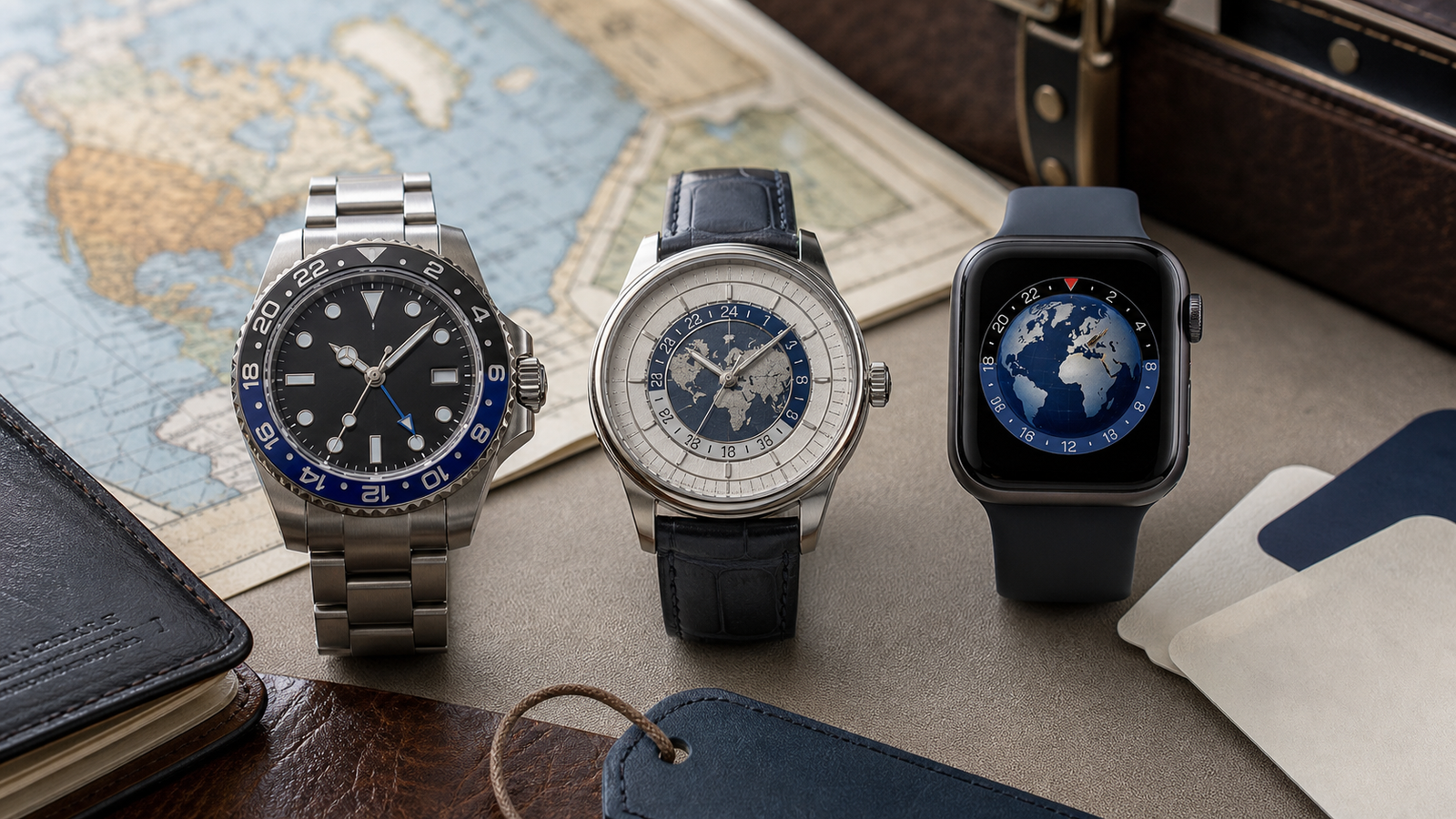
Readers exploring content adjacent to Luxury Watch Insurance can continue with the VERTU guide to men's luxury watch brands. Collectors deciding whether one versatile reference is easier to document, wear and insure can also use the Rolex Submariner vs GMT-Master II one-watch comparison. Those VERTU pages own narrower buying intents; this article stays focused on coverage and claims readiness.
Verdict
A collector should insure a luxury watch separately when a standard home policy cannot cover its full value, worldwide use and accidental loss on terms the owner can document and accept. Use the matrix and checklist to verify the choice against the Luxury Watch Insurance reader's real environment, and keep an explicit recovery path for the assumptions most likely to change.