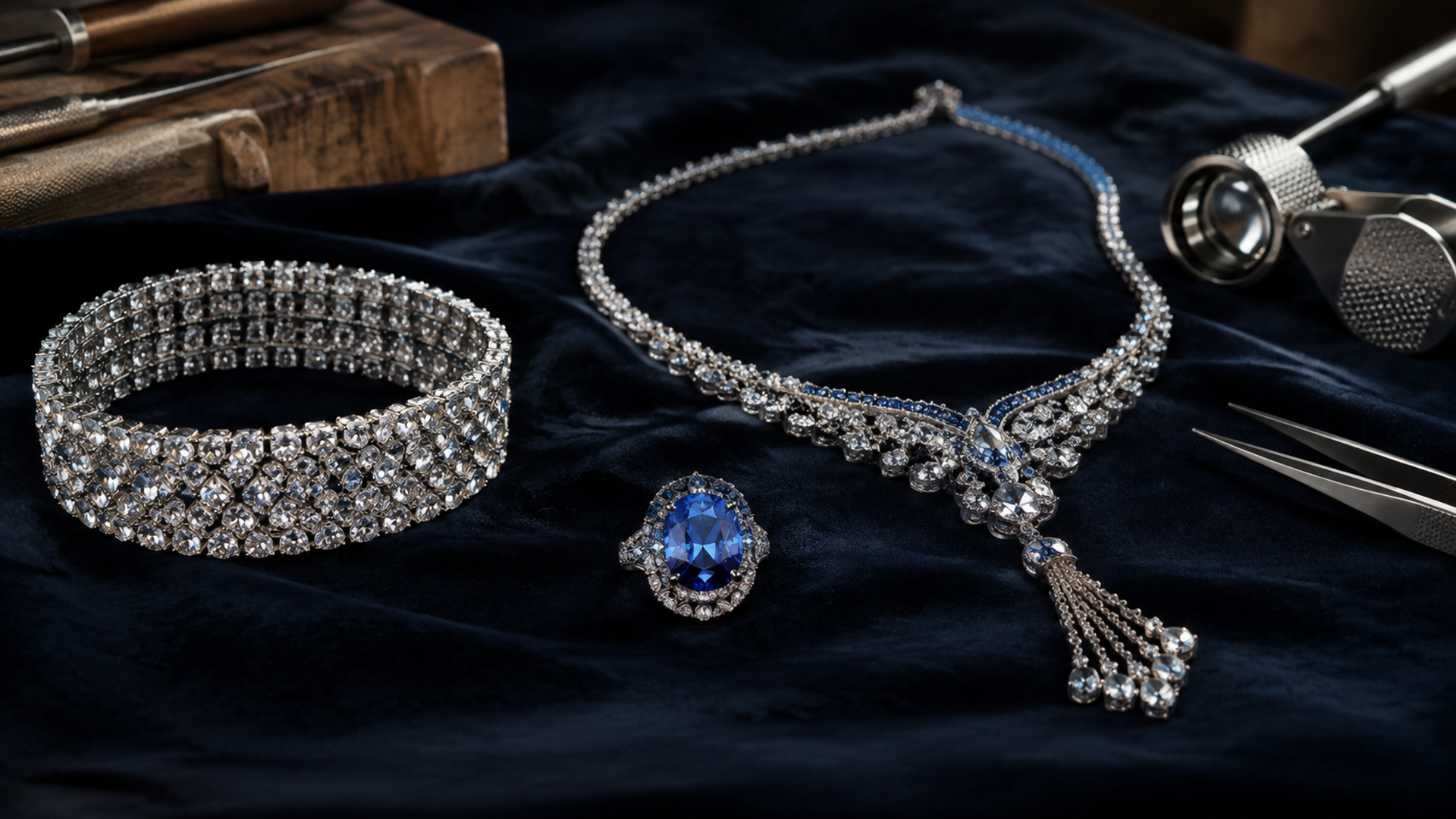
Luxury jewellery retail growth in Watches of Switzerland Group's first half of financial 2027 offers a specific case for the physical showroom: jewellery sales rose 19% at constant currency over the 26 weeks to 1 November 2026, while the group's showroom jewellery sales rose 31%. Those figures describe one retailer, one period and one accounting measure. They do not prove that every luxury category is returning to stores, but they show why high-value purchases still benefit from a room in which buyers can inspect, compare and ask questions.
Key Takeaways
- Watches of Switzerland Group reported 19% constant-currency luxury jewellery growth and 31% showroom jewellery growth for the 26 weeks to 1 November 2026.
- The comparison is within one company's reporting perimeter; it is not a global market growth rate.
- A showroom gives a buyer a chance to check scale, fit, finish, service and the full price before committing.
- Retailers should measure whether store visits improve informed decisions, not just whether they create a memorable atmosphere.
- For a high-ticket phone, the same logic applies to handling the exact model and confirming the current service terms, without assuming the jewellery figures predict phone demand.
What do the 2026 luxury jewellery retail figures actually measure?
The Watches of Switzerland Group H1 FY27 trading update, published 10 November 2026, reports luxury jewellery growth of 19% at constant currency and luxury watch growth of 15% at constant currency. It also highlights 31% growth in jewellery sold through its showrooms. The reporting period is 26 weeks ending 1 November 2026. Constant currency removes the effect of exchange-rate movements from the year-on-year comparison; it is not the same as the sterling amount a shopper pays at a till. The company operates across the UK and US and includes acquisitions and different retail formats, so the result should be read in the context of its own business.
The headline “jewellery grew faster than watches” is true for these reported categories and this period. It does not mean jewellery is a better investment, that every jewellery brand gained share, or that the store itself caused all the growth. Product mix, availability, pricing, customer demand and the retailer's network can all influence the figures. A responsible reading starts with the denominator: the prior comparable 26-week period and the company's defined categories. Before using the figures in a board presentation, check the original release and note whether a number is reported currency, constant currency, organic growth, total revenue or one channel's sales.
Why might a showroom matter for a high-ticket purchase?
A showroom makes several uncertain properties visible at once. A jewellery buyer can see how a stone or metal looks under more than one light, compare pieces at the same scale, feel their weight and ask how they will be sized, maintained and repaired. Photographs and measurements remain useful, but they cannot completely reproduce balance on the wrist or the way a clasp behaves. A sales associate can turn a vague preference into a shortlist by asking about daily wear, occasion, sensitivity to materials and the buyer's maintenance expectations. This is a possible mechanism for store value, not a claim measured by the trading update.
The room also creates an opportunity to slow the decision down. A buyer who is considering a gift may need an accurate sizing route and an exchange policy more than a polished presentation. Someone comparing a watch with a bracelet needs to know the service schedule, resistance to daily knocks and whether repairs can be performed locally. The useful question is whether the visit resolves those uncertainties before payment. If a showroom merely adds theatre and avoids the difficult details, its presence adds little practical value.
What can online research do before a store visit?
Online research should make the in-person visit more efficient. Start with the maker's current product page, not a recycled social post. Record the exact reference, dimensions, materials, included accessories, price in your region and availability. Identify two or three questions that images cannot answer: Does the piece sit comfortably? Is the clasp easy to use? What does the finish look like in daylight? Will the service centre accept this exact model? A good showroom appointment then becomes a verification exercise instead of an open-ended browse.
Request confirmation that the specific finish or size is present before travelling. In a multi-brand retailer, a product displayed online may not be physically available at the branch you plan to visit. Ask whether the item is new, pre-owned or a display piece and whether its condition changes the warranty or return terms. Keep the online listing or written quote so that a later comparison uses the same specification. A price comparison without matching the edition, metal, size and tax position can create a false bargain.
How should a retailer assess the showroom's contribution?
A retailer needs more than a growth figure to decide whether a store format works. Track appointments, qualified visits, products handled, quotes issued and completed purchases by period and product category. Ask whether customers who visited the store had fewer returns or fewer post-purchase service misunderstandings than comparable customers who bought without a visit. Record the cost of staffing, display space, security and inventory tied up in the showroom. The decision is about incremental value after those costs, not the gross sales recorded through a door.
Attribution is difficult. A customer may discover the product on search, compare it on a phone, visit a showroom and buy later through another channel. Crediting only the final transaction to the store understates the visit; crediting the entire sale to the store overstates it. Use a consistent definition for assisted sales and retain the path the customer actually took where privacy permissions allow. If there is no reliable path data, say so. The 31% showroom jewellery growth reported by Watches of Switzerland Group is a channel result, not a controlled experiment on the effectiveness of showrooms.
Does the showroom argument apply to luxury phones?
It can, but the questions change. A phone buyer needs to hold the device, test the hinge or keyboard where relevant, inspect the screen in ordinary light and understand how the chosen model fits their work. The buyer should also confirm the exact configuration, regional network support, software and service arrangement. A photograph can show a finish; it cannot demonstrate typing comfort or the effort required to open a foldable one-handed. Those details are practical reasons for a hands-on visit. They are not a claim that a particular phone will outperform another or that jewellery sales forecast phone sales.
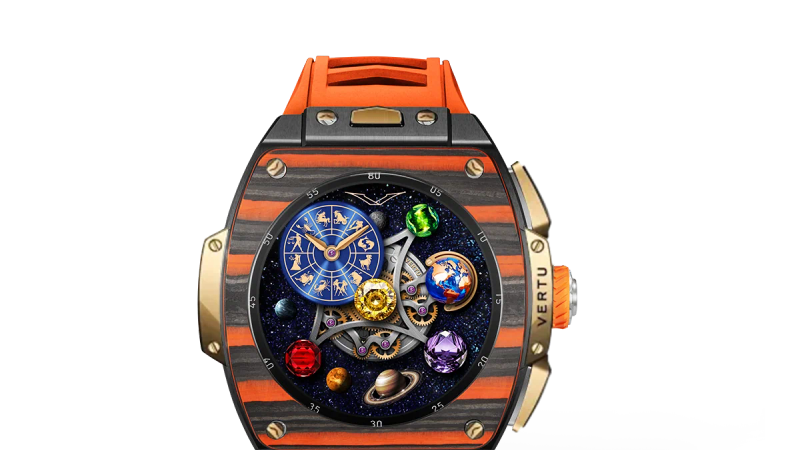
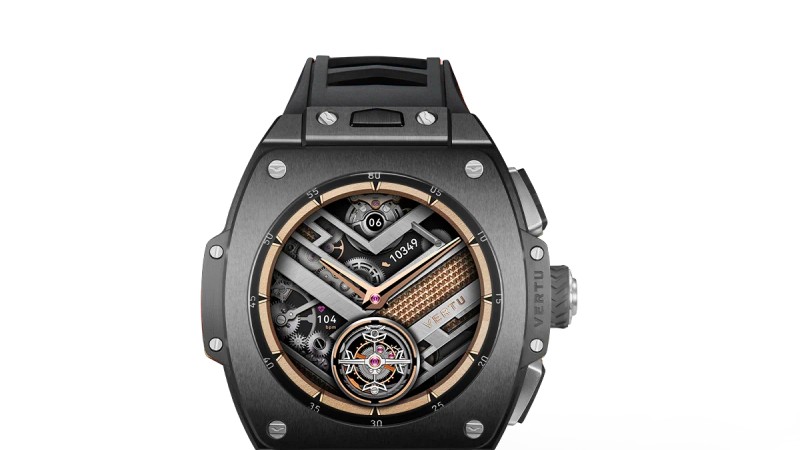
For readers considering VERTU, the most useful next step is to identify the exact current VERTU model and finish, then ask an authorised sales contact which example can be viewed and which regional services are included in writing. Avoid making a purchase decision from a generic family name. Materials, accessories and service terms can vary by configuration and market. The showroom has done its job when the buyer leaves with a precise, documented understanding of the item rather than a general impression of the brand.
What does the growth figure not tell us?
The reported percentages do not disclose every customer's reason for buying, the margin earned on each category, or whether an equivalent online-only campaign would have produced the same sales. They do not establish industry-wide growth because the company is one participant in a much larger market. They also cannot by themselves separate comparable-store performance from network changes or the effect of acquisitions. The original release provides the relevant reporting context; any broader conclusion requires additional evidence from other companies or independent market studies.
Nor should a category-growth statistic be used as a promise of resale value. Jewellery purchases carry making charges, taxes and changing secondary-market demand. A customer's reason for buying may be personal, ceremonial or aesthetic, none of which is captured by a revenue percentage. The stronger editorial lesson is about decision quality: high-value objects invite more questions about fit, authenticity, service and long-term ownership. Those questions are best answered through accurate product information and a way to inspect the actual item.
How can a buyer make the most of one showroom visit?
- Shortlist exact references online and confirm which are available to handle.
- Bring measurements or an existing item that fits well, if relevant.
- Inspect the piece under different light and ask to try the closure or operating mechanism.
- Ask for the written specification, total price, warranty, adjustment and return terms.
- Compare the options away from the counter before deciding; do not let the appointment become a deadline.
This sequence treats the visit as a practical test. A showroom can provide knowledge and reassurance, but only if the buyer asks specific questions and receives specific answers. The same discipline applies across jewellery, watches and phones: match the exact object to the intended use and understand the total ownership arrangement.
Frequently asked questions
Did luxury jewellery grow 19% globally in 2026?
No. The 19% figure is Watches of Switzerland Group's constant-currency luxury jewellery growth for its 26-week H1 FY27 reporting period, not a global industry rate.
What does 31% showroom growth mean?
It is the group's reported growth in luxury jewellery sold through its showrooms for that period. It does not prove that the physical store alone caused the increase.
Should I buy jewellery only in person?
No. Online research can narrow the choice and some purchases can be completed remotely. For costly or unfamiliar pieces, an in-person inspection can resolve fit, finish and service questions before payment.
Do jewellery retail figures predict luxury phone demand?
No. The categories, customers and purchase cycles differ. The figures can inspire a question about the value of hands-on inspection, but they cannot forecast phone sales.
What should I ask at a luxury showroom?
Ask about the exact model, materials, condition, total price, regional warranty, service route and return terms. Leave with those answers in writing when they matter to your decision.