

| App Feature | Signal | Threema | Wickr Me | Wire | Telegram (Secret Chat) | |
|---|---|---|---|---|---|---|
| Cost | Free | Paid | Free | Free/Paid Tiers | Free | Free |
| Registration | Phone Number Required | No Phone Number Required | Phone Number or Email | Email Required | Phone Number Required | Phone Number Required |
| Encryption | End-to-End (Default) | End-to-End (Default) | End-to-End (Default) | End-to-End (Default) | End-to-End (Optional) | End-to-End (Default) |
| Data Collection | Minimal | Minimal | Minimal | Moderate | Moderate (Cloud) | Moderate (Meta) |
| Ephemeral Messages | Yes | Yes | Yes | Yes | Yes | No (View Once Photos/Videos) |
| Open Source | Yes | No | No | Yes | No | No |
In a world where every click and conversation can be monitored, the desire for true privacy has never been more urgent. Are you tired of feeling like your digital life is an open book? It's time to take back control of your personal information and secure your communications against pervasive surveillance.
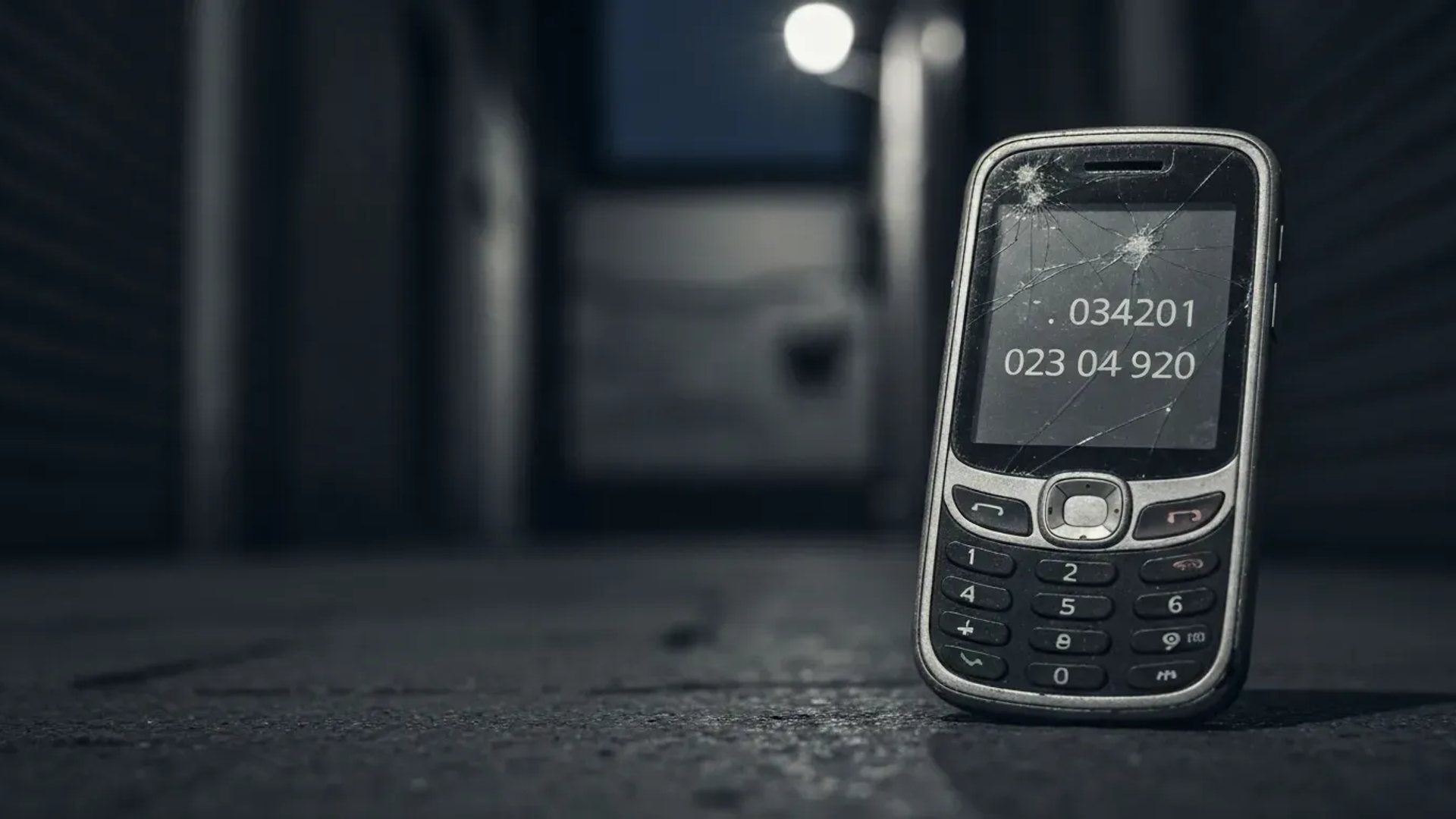
Building your own untrackable phone in 2026 is no longer a far-fetched dream, but a tangible reality for those seeking ultimate privacy. This comprehensive guide will empower you to construct a device that safeguards your digital footprint.
We'll delve into selecting the right hardware, implementing robust security settings, and leveraging anonymous communication tools. Discover how to create your personal digital sanctuary, ensuring your identity and conversations remain yours alone.
Top 7 Best Phone Apps for Ultimate Privacy in 2026
Achieving ultimate untrackability in 2026 requires a strategic approach. It begins with a device that minimizes personal data linkage from the outset. This section explores essential apps that complement a privacy-focused setup, ensuring your digital footprint remains minimal.
1. Anonymous Prepaid Phone (e.g., Moto e)
Acquiring an inexpensive and robust prepaid phone, like the Moto e, offers initial anonymity. Purchase this device with cash. In many locations, this bypasses ID requirements at the point of sale. This allows for initial privacy before setting it up with prepaid plans for voice, text, and data. The primary advantage is acquiring and using the device without directly linking it to your identity. This makes it ideal for temporary or anonymous communication needs.
2. Signal Private Messenger
Signal stands out as a free, open-source messaging app in 2026. It prioritizes privacy and security through robust end-to-end encryption. Its minimal data collection policy and cross-platform compatibility make it a cornerstone for private communication on your untrackable phone. End-to-end encryption ensures only you and the intended recipient read your messages. Its open-source nature allows public scrutiny of its security protocols. Signal collects the least user data among popular secure messaging apps.
3. Threema
For users seeking a paid, highly anonymous messaging solution in 2026, Threema is an excellent choice. It offers strong end-to-end encryption. Threema is designed with anonymity as a core principle. It notably does not require a phone number for registration. Threema's commitment to privacy is evident in its no-phone-number requirement. It focuses on data minimization and supports features like self-destructing messages for added privacy.
4. Wickr Me
Wickr Me is a secure messaging app favored by professionals in 2026. It boasts strong privacy features, including ephemeral messages and end-to-end encryption. It also includes features like screenshot detection to further protect your conversations. The ephemeral messaging feature ensures conversations disappear after a set time. End-to-end encryption secures all communications. Screenshot detection adds an extra layer of security against unauthorized capture.
5. Wire
Wire is a versatile secure collaboration and messaging app in 2026. It provides end-to-end encryption for both personal and business use. Its robust security features and cross-platform availability make it a reliable choice for private communication. Wire offers comprehensive end-to-end encryption, secure file sharing, and allows the creation of secure guest rooms. Its focus on secure collaboration extends its utility for maintaining privacy in various communication scenarios.
6. Telegram (with Secret Chats)
While Telegram is a cloud-based messaging app, its 'secret chats' feature in 2026 offers optional end-to-end encryption. This makes it a viable option for private conversations. It is known for its speed and security features, including support for large group chats and bots. The primary privacy feature is the end-to-end encrypted 'secret chats', which also support self-destructing messages. Standard chats are not end-to-end encrypted by default, but the option for secure communication is present.
7. WhatsApp
WhatsApp is a widely adopted messaging app in 2026. It offers end-to-end encryption by default for all chats and calls. While owned by Meta, its strong encryption implementation makes it a common choice for private communication. End-to-end encryption is a core feature, ensuring messages are secure between sender and receiver. It also supports cross-platform communication, group chats, and voice/video calls.
Choosing the right combination of an untrackable phone and secure applications is vital for digital privacy in 2026. Start with a device that respects your anonymity. Then, layer on encrypted communication tools. This layered approach provides robust protection for your sensitive conversations.
Essential Privacy Settings for Your Untrackable Phone in 2026
Maintaining an untrackable phone in 2026 demands proactive management of device settings. This guide details critical steps to fortify your digital privacy. By implementing these measures, you significantly reduce your exposure to tracking and enhance personal security.
Disabling Location Services
Prevent your device from constantly broadcasting your whereabouts. Disable location services for all non-essential applications. This action directly limits data collection about your movements, a fundamental step for an untrackable phone.
Reviewing App Permissions
Regularly audit app permissions. Grant access only to functions critical for an app's core purpose. Many applications request broad permissions, such as microphone or contact list access, which are not necessary for their primary functions. Limiting these permissions is crucial for digital privacy.
Enabling Encryption
Ensure your phone's operating system and all sensitive applications utilize full disk encryption. This feature protects your data if the device is lost or stolen, providing a vital security layer for your private information.
Using a VPN
A Virtual Private Network (VPN) masks your IP address and encrypts your internet traffic. This adds substantial anonymity to your online activities, making it considerably harder for third parties to trace your digital footprint.
Securing Your Lock Screen
Implement a robust screen lock method. Use a complex passcode, pattern, or biometric security. This basic, yet vital, step prevents unauthorized physical access to your device and its stored data.
By consistently applying these essential privacy settings, you strengthen the security and untrackability of your phone in 2026. This vigilance is key to protecting your digital identity.
FAQ (Frequently Asked Questions)
Q1: Can I truly be untrackable with a phone in 2026?
A1: Complete untrackability is exceptionally difficult due to advanced tracking technologies. However, users can significantly minimize their digital presence and achieve enhanced privacy.
Q2: What is the difference between a privacy phone and a burner phone?
A2: A privacy phone focuses on long-term data security and specialized features. A burner phone is for short-term anonymity and is typically disposable.
| Feature | Privacy Phone | Burner Phone |
|---|---|---|
| Primary Goal | Long-term data security & privacy | Short-term anonymity |
| Hardware | Often enhanced security chips, minimal sensors | Standard smartphone hardware |
| Software | Encrypted OS, app sandboxing, data control | Standard OS, potential for basic encryption |
| Cost | Higher initial investment | Low initial cost, pay-as-you-go |
| Lifespan | Designed for extended use | Disposable, intended for limited use |
Q3: How can I ensure my communications are anonymous?
A3: Use end-to-end encrypted messaging apps like Signal or Threema. Avoid including personal information in your messages to maintain a low profile.
Q4: Do I need to use cash to buy an anonymous phone?
A4: Using cash can enhance initial anonymity for the device purchase. However, SIM card acquisition may still leave traces depending on local regulations and carrier policies.
Q5: What are the risks of using a regular smartphone for privacy?
A5: Regular smartphones collect extensive data, track location, and link to your identity, making them inherently less private. They are more susceptible to tracking than a purpose-built untrackable phone.
Conclusion
Building your untrackable phone in 2026 represents a powerful commitment to reclaiming your digital privacy. By meticulously choosing hardware, employing secure communication, and mastering privacy settings, you actively minimize your digital footprint and boost your anonymity. This proactive approach is essential in today's data-driven world.
Begin your journey now by exploring prepaid phone options, downloading trusted secure messaging applications, and thoroughly reviewing your current device's privacy configurations. Prioritize disabling intrusive tracking features and consider integrating a VPN for an extra layer of robust security. Don't wait to take control of your digital life; empower yourself today. Build your untrackable phone in 2026 and communicate with the ultimate peace of mind and confidence.


![Top 10 Luxury Watches for an African Safari Lodge [Latest]](https://cdn.sanity.io/images/e0gp1l2g/production/00dfa030a876edbe6ea7b146f6b1d8197c7656b0-3840x1860.webp?w=800&h=450&q=82&auto=format&fit=crop)
![Top 10 Luxury Watches for a St Moritz Ski Chalet Weekend [2026 List]](https://cdn.sanity.io/images/e0gp1l2g/production/627abbaf57f9f8012c53d1934a58e74f9ec11066-500x300.jpg?w=800&h=450&q=82&auto=format&fit=crop)