

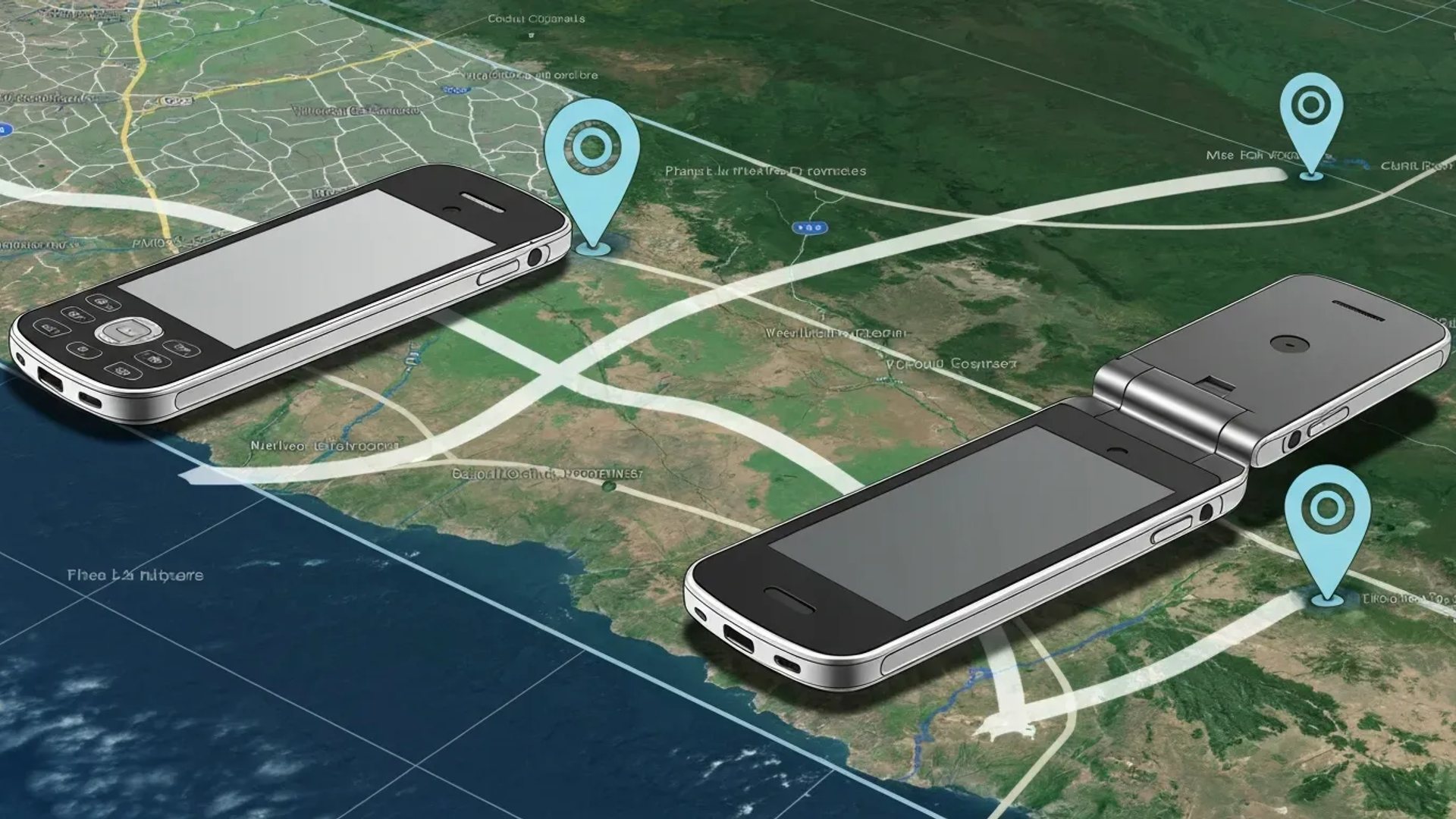
| Feature | Nokia 2780 Flip | Typical Smartphone |
|---|---|---|
| GPS | Yes | Yes |
| App Ecosystem | Limited KaiOS | Extensive Android/iOS |
| Location Sharing | Basic | Advanced |
| Data Collection | Minimal | High Potential |
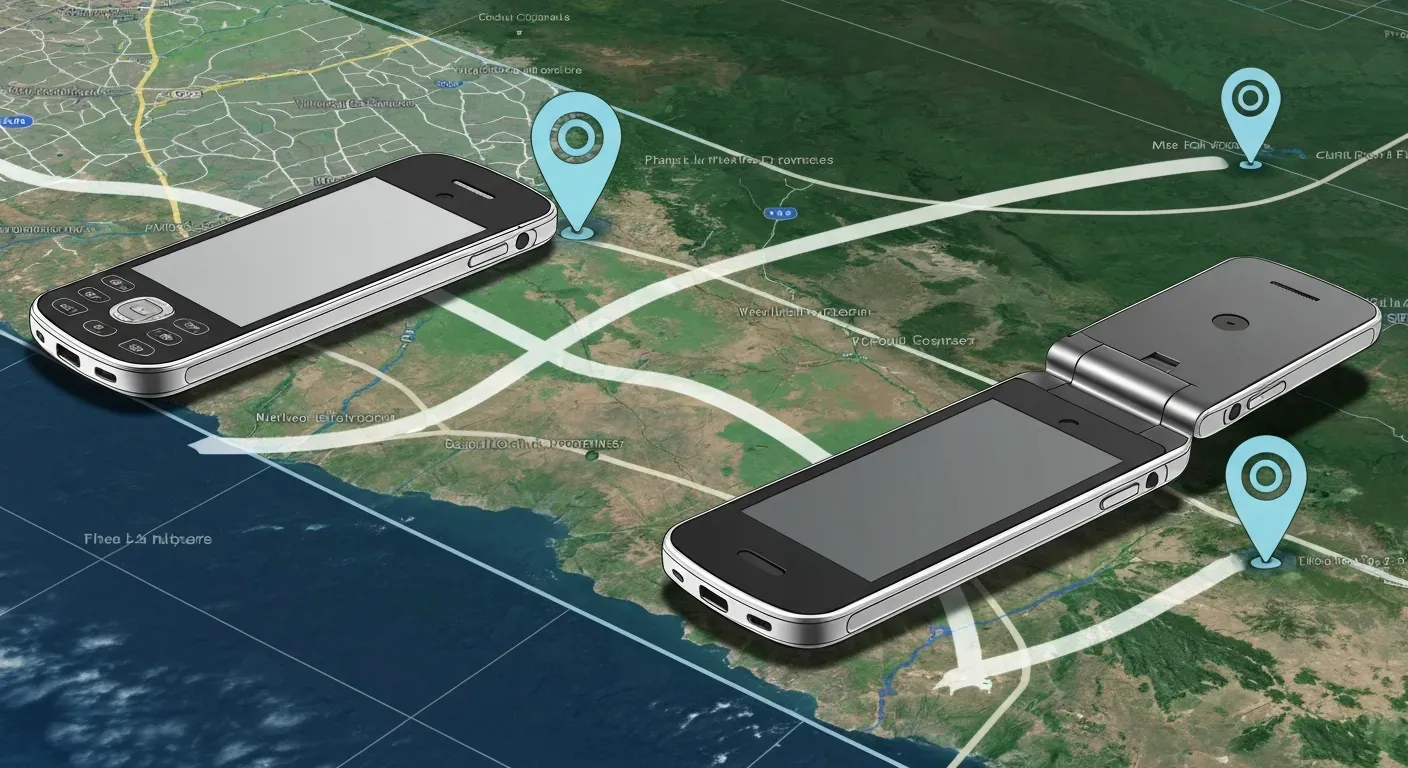
Remember the satisfying snap of a flip phone closing? In a world saturated with complex smartphones, these simpler devices are making a comeback. But as you embrace a more streamlined mobile experience, a vital question might be on your mind: can a flip phone be tracked ?
This isn't just a question for the tech-averse; understanding your device's capabilities is crucial for everyone. We'll delve into the realities of whether a flip phone can be tracked, exploring the various methods that might be used. Our comprehensive guide, updated for 2026, will demystify carrier monitoring, app-based location services, and even advanced surveillance. Discover how to protect your privacy and ensure your peace of mind in this evolving digital landscape.
Understanding Flip Phone Tracking Methods in 2026
In 2026, the question of " can a flip phone be tracked " receives a nuanced answer. While often perceived as simpler devices, flip phones are not immune to tracking. Understanding the methods involved highlights the intersection of network technology, device capabilities, and potential surveillance.
Carrier-Level Tracking: Network Visibility
Mobile carriers possess significant visibility into devices connected to their networks. They employ cell tower triangulation . This method uses the signal strength and timing from multiple cell towers to pinpoint a device's approximate location. Law enforcement agencies often utilize this capability, requiring proper authorization to access such data in 2026.
Practical Implications: Your mobile carrier can always see your general location when your flip phone is on and connected to the network. This is a fundamental aspect of how mobile networks operate.
Actionable Tips:
Be aware that your carrier has access to your location data.
Consider turning off your phone when you need to ensure complete privacy from carrier tracking.
Location Services and Apps on Advanced Flip Phones
Basic flip phone models may offer limited location features. However, more advanced flip phones in 2026 might include pre-installed applications. Users can also download services that leverage GPS or other location technologies. Examples include family tracking applications, allowing authorized individuals to monitor a device's whereabouts.
Practical Implications: If your flip phone has GPS and supports apps, it can be tracked more precisely, similar to a smartphone, especially if you or someone else installs tracking software.
Actionable Tips:
Review any pre-installed apps on your flip phone and disable location services for those you don't trust.
Be cautious about downloading third-party apps, as they can be a significant source of location data sharing.
SIM Card Information: A Digital Fingerprint
The SIM card within any mobile phone, including flip phones, acts as a unique identifier . It holds essential information that connects the device to a specific carrier network. Providers can use this persistent digital fingerprint to track a device's presence and activity on their infrastructure.
Practical Implications: Your SIM card is a direct link to your identity and carrier. It's a persistent identifier that can be used to link your device's activity to you.
Actionable Tips:
When disposing of an old flip phone, remove and destroy the SIM card to prevent its information from being misused.
Be aware that changing SIM cards might not completely anonymize your device if other tracking methods are in place.
Electronic Surveillance and Tracking Devices
Beyond inherent carrier capabilities, advanced electronic surveillance techniques exist. Dedicated tracking devices can also target mobile phones. These methods raise privacy concerns, as they can potentially monitor any mobile device, regardless of its form factor, including flip phones.
Practical Implications: Sophisticated adversaries or law enforcement with warrants can employ advanced tools to track devices, even those with limited built-in features.
Actionable Tips:
For highly sensitive situations, consider using a Faraday bag to block all signals.
Be aware that physical tracking devices can also be used, making signal blocking the most effective countermeasure.
The Role of GPS Tracking and Location Accuracy
The accuracy of GPS tracking on a flip phone varies by model and enabled services. Even simpler flip phones can achieve a level of location accuracy when connected to network services. This connection allows for approximate positioning, complementing other tracking methods.
Practical Implications: While basic flip phones might not have pinpoint GPS accuracy, they can still provide a general location, especially when combined with cell tower data.
Actionable Tips:
Understand that "approximate" location tracking can still be sufficient for many surveillance purposes.
If precise location privacy is critical, ensure all location services are disabled on advanced flip phones.
In conclusion, while flip phones may lack the sophisticated app ecosystems of smartphones, they remain traceable through carrier networks, SIM card data, and potential electronic surveillance. The level of location accuracy depends on the specific device's capabilities in 2026.
Safeguarding Your Privacy: Preventing Flip Phone Tracking in 2026
Understanding how to prevent tracking is crucial in 2026. While flip phones offer a simpler user experience, questions about " can a flip phone be tracked " persist. This section details methods to enhance your privacy and limit unwanted monitoring on these devices.
Utilizing Faraday Bags for Signal Blocking
Faraday bags provide a physical barrier against electronic signals . When a flip phone is fully enclosed, these bags block all incoming and outgoing transmissions. This includes cellular, Wi-Fi, Bluetooth, and GPS signals. A phone inside a sealed Faraday bag becomes effectively untraceable by these means.
Practical Implications: A Faraday bag offers a near-complete solution for preventing electronic tracking by blocking all signals.
Actionable Tips:
Ensure the flip phone is completely sealed within the Faraday bag for maximum effectiveness.
Keep in mind that a phone in a Faraday bag cannot receive calls or messages.
Employing Caller ID Blocking for Outgoing Calls
Many flip phones offer built-in features for managing outgoing call anonymity. Users can often block their number from appearing on the recipient's caller ID. This is achievable through temporary codes dialed before a number. Alternatively, some phone settings allow for permanent caller ID blocking. This provides a basic layer of privacy for your communications.
Practical Implications: Caller ID blocking prevents your phone number from being displayed to the person you're calling, offering a degree of anonymity for your calls.
Actionable Tips:
Check your flip phone's settings for a "Caller ID" or "Show My Caller ID" option.
Learn the specific code (e.g., 67 in the US) for temporary caller ID blocking if your phone doesn't have a persistent setting.
Understanding the Concept of Burner Phones
A burner phone typically refers to a prepaid mobile device . These phones are not usually linked to personal identification during purchase or activation. This detachment from personal information makes them harder to trace back to an individual. Their disposable nature offers a degree of anonymity for sensitive communications.
Practical Implications: Burner phones are designed for temporary, untraceable use, making them ideal for situations where you want to avoid leaving a digital trail.
Actionable Tips:
Purchase prepaid SIM cards and phones with cash to avoid linking them to your bank accounts or credit cards.
Use burner phones only for the specific purpose you intend and dispose of them responsibly afterward.
Implementing Parental Controls and Family Tracking Apps
For concerns about children's device usage, parental controls and family tracking applications offer solutions. These tools provide oversight and location monitoring on smartphones. While flip phones have simpler functionalities, some principles of managed access and location awareness can be applied. This ensures a safer digital environment for younger users.
Practical Implications: If you're concerned about a child's flip phone, parental controls can offer peace of mind by allowing you to monitor their usage and location.
Actionable Tips:
Explore if your flip phone model supports any basic parental control features through its settings.
For advanced tracking, consider a smartphone with robust parental control apps if the flip phone's capabilities are insufficient.
Managing Location History on Your Device
While basic flip phones often lack advanced location services, understanding location history management is vital. On more sophisticated devices, users can control or clear past location data. This is particularly relevant for location services that may be active. Managing this history is a key step in maintaining personal privacy.
Practical Implications: Even on more advanced flip phones, you might have options to manage or delete location data that has been collected.
Actionable Tips:
If your flip phone has GPS and app capabilities, regularly check and clear its location history .
Familiarize yourself with the privacy settings of any apps that might be collecting location data.
By employing these strategies, individuals can significantly enhance their privacy. Faraday bags offer complete signal isolation. Caller ID blocking provides call anonymity. Burner phones offer untraceable communication. Parental controls aid in monitoring. Managing location history further secures personal data. These methods collectively address concerns about " can a flip phone be tracked ."
Flip Phones vs. Smartphones: A 2026 Perspective on Tracking
In 2026, understanding mobile device tracking involves comparing fundamental phones with advanced smartphones. Basic phones offer limited tracking vectors. Smartphones present complex privacy challenges. This section examines these differences, focusing on tracking capabilities and parental considerations. The core question remains: can a flip phone be tracked ?
Basic Phones: Simplicity and Limited Tracking Vectors
Basic phones, or fundamental mobile phones, generally offer fewer built-in features that facilitate tracking compared to smartphones. Their limited operating systems and lack of extensive app ecosystems reduce potential tracking vectors. This inherent simplicity often simplifies privacy concerns for users prioritizing core communication functions.
Practical Implications: The limited functionality of basic flip phones inherently makes them harder to track through app-based or sophisticated software methods.
Actionable Tips:
If your primary concern is minimizing tracking, a basic flip phone is a good choice.
Focus on understanding carrier-level tracking, as this is the most significant vector for basic phones.
Smartphones: Advanced Tracking Capabilities and Privacy Tools
Smartphones, with their extensive app ecosystems and GPS capabilities, present a more complex landscape for privacy. Location services and app permissions require active management. Users can control data sharing through device settings and app-specific controls. However, the potential for data collection remains significantly higher.
Practical Implications: Smartphones offer immense functionality but require diligent management of privacy settings to prevent excessive data collection and tracking.
Actionable Tips:
Regularly audit app permissions , especially location, microphone, and camera access.
Utilize built-in privacy dashboards and settings to understand and control data sharing.
The Nokia 2780 Flip: A Modern Example
The Nokia 2780 Flip exemplifies modern flip phones. It features 4G connectivity and access to apps like Google Maps. Despite these smart functionalities, its core design limits extensive tracking vectors compared to a full-fledged smartphone. Its operating system is less open, restricting third-party data access.
Practical Implications: Even "smarter" flip phones like the Nokia 2780 Flip offer a more controlled environment than full smartphones, though they still possess location capabilities.
Actionable Tips:
If you own a device like the Nokia 2780 Flip, be aware of its GPS and app capabilities and manage them accordingly.
Compare the privacy features of such devices against your specific needs.
Considerations for Children's Phones in 2026
When considering phones for children in 2026, the choice between a basic flip phone and a smartphone involves weighing features against tracking potential. A flip phone offers simpler oversight. A smartphone provides more functionality but demands robust parental controls and education on digital privacy.
Practical Implications: For children, a flip phone can offer a safer entry into mobile technology due to its limited features and easier oversight.
Actionable Tips:
If choosing a flip phone for a child, ensure it has essential safety features like emergency contacts.
If opting for a smartphone, implement strict parental controls and educate your child about online safety and privacy.
Mobile Number Tracking: Possibilities and Limitations
While mobile number tracking is possible through various means, including carrier data and specialized services, its effectiveness and legality vary significantly in 2026. Carrier access typically requires legal authorization. Third-party services often have limitations and may operate in a legal gray area. Ultimately, " can a flip phone be tracked " depends on the specific methods employed.
Practical Implications: Tracking a phone solely by its number is not a simple task for the average person and usually involves official channels or specialized, potentially questionable, services.
Actionable Tips:
Do not rely on easily accessible "track by phone number" services, as they are often scams or ineffective.
Understand that legitimate tracking by phone number requires significant legal or technical access.
FAQ (Frequently Asked Questions)
Q1: Can a flip phone be tracked if it's turned off?
A1: A flip phone generally cannot be tracked through standard electronic means if it is completely powered off . The device lacks an active connection to cellular networks or GPS when shut down.
Q2: Is it possible to track a flip phone using only its phone number?
A2: Tracking a flip phone solely by its phone number is complex. It typically requires carrier cooperation or access to specific databases , often involving legal authorization.
Q3: Does a flip phone have GPS tracking capabilities?
A3: Some modern flip phones may include GPS capabilities, enabling location services. However, this is not a universal feature across all basic phone models.
Q4: How accurate is location tracking on a basic phone?
A4: The accuracy on a basic phone often relies on cell tower triangulation , which estimates location based on signal strength from nearby towers. This provides a broader estimated range.
Q5: Are there apps to track a flip phone?
A5: Dedicated tracking apps are rare on most basic flip phones due to their limited operating systems. Advanced models might support specific family tracking applications.
Conclusion
In 2026, while flip phones provide a streamlined connection, understanding " can a flip phone be tracked " is paramount for safeguarding your privacy. Whether through carrier data or advanced model features, location pinpointing is a reality, making awareness your first line of defense.
To bolster your privacy, actively manage device settings, consider utilizing Faraday bags , and explore the location service options available. For parents, leverage parental controls and family tracking apps to ensure peace of mind regarding children's mobile usage.
Take proactive steps today to secure your digital footprint and ensure your flip phone remains a private gateway. Explore your device's privacy features and implement these strategies to confidently control your personal information.



![Top 10 Luxury Watches for an African Safari Lodge [Latest]](https://cdn.sanity.io/images/e0gp1l2g/production/00dfa030a876edbe6ea7b146f6b1d8197c7656b0-3840x1860.webp?w=800&h=450&q=82&auto=format&fit=crop)
![Top 10 Luxury Watches for a St Moritz Ski Chalet Weekend [2026 List]](https://cdn.sanity.io/images/e0gp1l2g/production/627abbaf57f9f8012c53d1934a58e74f9ec11066-500x300.jpg?w=800&h=450&q=82&auto=format&fit=crop)