A list of famous fine jewellery brands is easy to produce and poor at helping someone buy. Houses differ by design language, stone sourcing, metalwork, setting techniques, production scale, service networks and the depth of their archives. A recognisable motif may hold cultural power while a less visible workshop delivers better construction for the wearer’s exact use. The useful question is which house earns its premium for this object. That requires reference-level evidence: hallmark and material, stone report where relevant, setting inspection, dimensions, service terms and how the piece works with the owner’s life. Prestige can narrow the search; it cannot complete the decision. The same house may justify its premium in an intricate articulated bracelet yet offer little practical advantage in a simple chain. Comparing categories separately prevents a broad reputation from becoming a blank cheque. It also helps the buyer distinguish personal recognition value from measurable material and service differences.
Direct answer: fine jewelry brands
Shortlist brands by the type of piece and design language you want, then compare exact references for metal weight, gemstone documentation, setting quality, comfort, repairability and service access. Separate the house premium from intrinsic materials and from personal design value. Buy only when all three are acceptable without relying on guaranteed resale.
| Decision factor | Evidence to collect | Why it changes the answer | Control before purchase |
|---|---|---|---|
| Design language | archive and current collection show a coherent motif or technique | recognition may matter more than material value | name the visual feature you are paying for |
| Materials | hallmark, weight and stone disclosure are documented | similar-looking pieces can have different intrinsic content | compare exact alloys and reports |
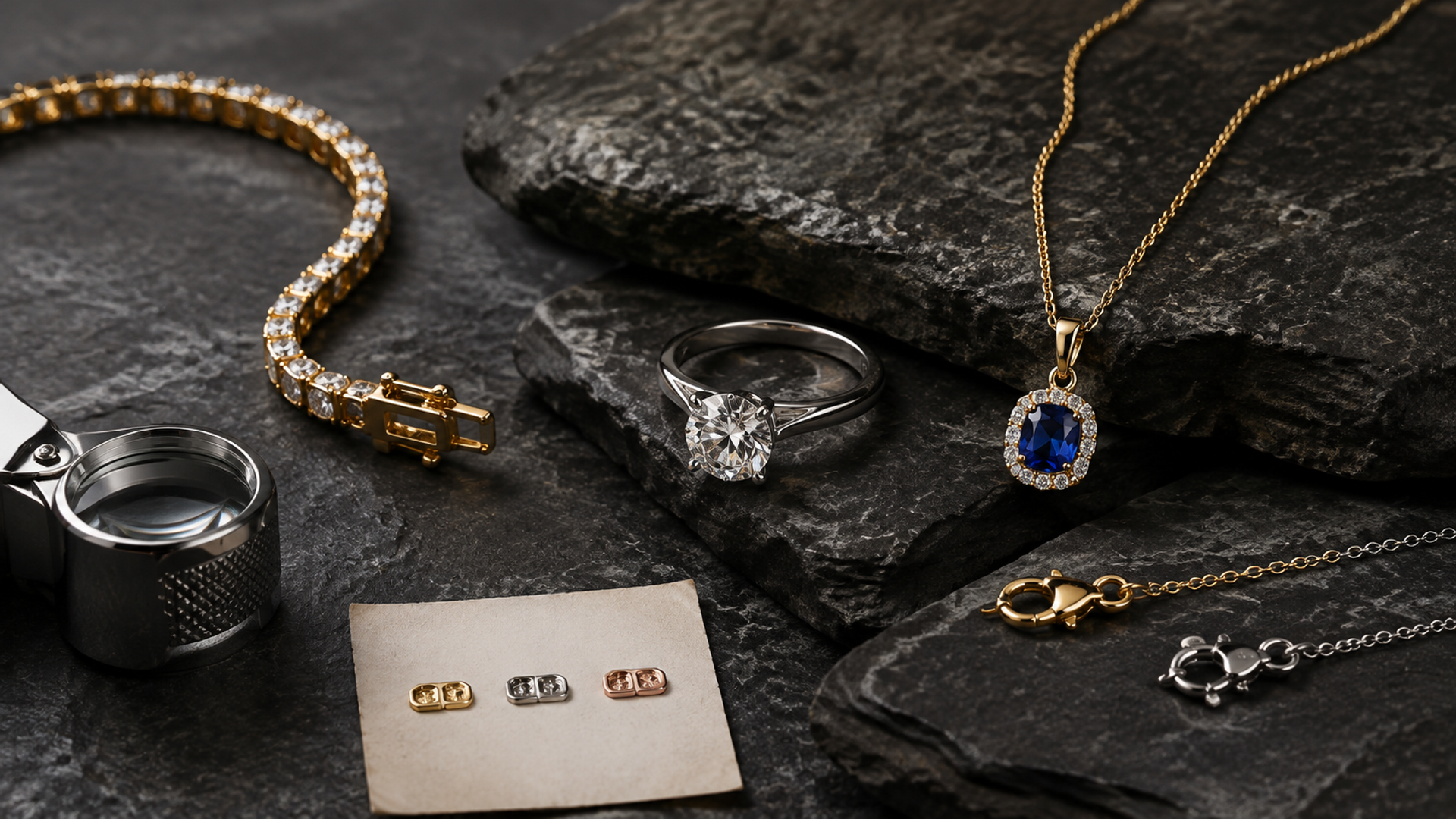
| Setting and finish | loupe inspection checks prongs, pavé, joints and polish | small defects become maintenance risk | inspect under magnification before acceptance |
| Comfort | piece is tried through movement and clothing | a valuable jewel can remain unworn | test clasp, edges, weight and articulation |
| Service | house states cleaning, resizing and repair routes | proprietary construction can limit independent work | price likely service and transport |
| Provenance and resale | invoice, serial and condition support identity | asking prices do not equal net proceeds | treat resale as optional recovery |
This matrix is the article-specific value object for fine jewelry brands. It prevents a famous name, a single specification or one price from silently becoming the recommendation.
Current evidence baseline
Evidence 1. The Responsible Jewellery Council publishes standards addressing responsible business practices across the jewellery supply chain. Source.
Evidence 2. GIA explains how independent gemstone reports identify material and disclose detectable treatments. Source.
Evidence 3. The US Federal Trade Commission jewellery guides address representations about precious metals, gemstones and treatments. Source.
Evidence 4. The World Intellectual Property Organization explains the general requirements and process for protecting industrial designs. Source.
For fine jewelry brands, these sources support only the claims directly attached above. They do not establish permanent availability, universal authenticity, future appreciation or suitability for every owner.
How the decision factors change the result
Design language. Collect evidence showing that archive and current collection show a coherent motif or technique. This changes the decision because recognition may matter more than material value. The practical control is to name the visual feature you are paying for. Record the exact object, date, source and assumption that would reverse the conclusion. If the evidence remains unavailable, mark this factor unknown rather than converting uncertainty into a favourable score.
Materials. Collect evidence showing that hallmark, weight and stone disclosure are documented. This changes the decision because similar-looking pieces can have different intrinsic content. The practical control is to compare exact alloys and reports. Record the exact object, date, source and assumption that would reverse the conclusion. If the evidence remains unavailable, mark this factor unknown rather than converting uncertainty into a favourable score.
Setting and finish. Collect evidence showing that loupe inspection checks prongs, pavé, joints and polish. This changes the decision because small defects become maintenance risk. The practical control is to inspect under magnification before acceptance. Record the exact object, date, source and assumption that would reverse the conclusion. If the evidence remains unavailable, mark this factor unknown rather than converting uncertainty into a favourable score.
Comfort. Collect evidence showing that piece is tried through movement and clothing. This changes the decision because a valuable jewel can remain unworn. The practical control is to test clasp, edges, weight and articulation. Record the exact object, date, source and assumption that would reverse the conclusion. If the evidence remains unavailable, mark this factor unknown rather than converting uncertainty into a favourable score.
Service. Collect evidence showing that house states cleaning, resizing and repair routes. This changes the decision because proprietary construction can limit independent work. The practical control is to price likely service and transport. Record the exact object, date, source and assumption that would reverse the conclusion. If the evidence remains unavailable, mark this factor unknown rather than converting uncertainty into a favourable score.
Provenance and resale. Collect evidence showing that invoice, serial and condition support identity. This changes the decision because asking prices do not equal net proceeds. The practical control is to treat resale as optional recovery. Record the exact object, date, source and assumption that would reverse the conclusion. If the evidence remains unavailable, mark this factor unknown rather than converting uncertainty into a favourable score.
Worked decision scenario
Compare one pendant from three houses at a similar retail price. Record metal alloy and weight, gemstone species and report, dimensions, chain construction, clasp, service terms, design distinctiveness and insured replacement value. Estimate ten-year cleaning, repair and insurance. Then cover the logos in the product images and rank the pieces again. The change reveals how much of the decision is design and construction versus brand recognition.
Choose the object before the house
A maison strong in high jewellery may not make the most suitable everyday chain for one buyer, while a celebrated motif can be exactly the cultural object another wants. Define category, wear frequency, dress code, metal colour and tolerance for visible branding. Then look for houses with real depth in that object. This prevents a general reputation from substituting for reference-level suitability.
Intrinsic value and design value are different
Gold weight and gemstone quality can be measured, but they do not explain the full price of a designed jewel. Pattern, proportion, proprietary technique, archive, distribution and service also matter. Ask for the material facts without demanding that retail price equal melt value. The decision becomes clearer when the buyer states which premium is for materials, which is for craft and which is for identity.
Inspect the points that move
Clasps, jump rings, hinges, prongs and articulated links deserve more attention than a showroom surface. Open and close every mechanism. Look for sharp edges, uneven pavé, thin wear points and solder lines. Earrings should balance; bracelets should not rotate into discomfort; necklaces should sit at the intended length. A loupe is useful, but the piece must also pass a full day’s movement test.
Service can justify or undermine the premium
Ask whether the house can resize, replace a single earring, reproduce a component, repolish without erasing detail and service the piece in the owner’s region. Obtain turnaround and estimate procedures rather than a vague promise of lifetime care. Keep invoices, reports and photographs. For a complex proprietary design, authorised aftercare may preserve integrity even when independent repair is cheaper.
Buy for wear before resale
Certain signed pieces can be liquid in the secondary market, but platform spreads, dealer margins, condition and fashion cycles affect owner proceeds. Compare completed sales only for the exact reference and material. Do not let an optimistic listing justify a purchase that fails comfort or budget. The strongest return is a piece worn frequently, maintained properly and still visually relevant to its owner.
Evidence checklist
[ ] Define exact jewellery category
[ ] Verify metal hallmark
[ ] Review gemstone report
[ ] Inspect settings and clasps
[ ] Test comfort
[ ] Confirm service route
[ ] Document provenance
[ ] Remove resale from base case
For the fine jewelry brands decision, unchecked fields remain unknown and should not be converted into favourable assumptions merely to complete a purchase.
Reader-visible sources and method
The external pages above were checked for this fine jewelry brands analysis. Price, availability, service, tax, regulation and platform terms must be reconfirmed for the buyer's market and date. Ranking pages informed a separate SERP benchmark; their wording and paragraph order were not copied.
Continue with adjacent VERTU editorial research
For fine jewelry brands, these links provide adjacent premium-lifestyle and decision context; they do not replace specialist or official evidence for the exact decision.
Final judgement
Shortlist brands by the type of piece and design language you want, then compare exact references for metal weight, gemstone documentation, setting quality, comfort, repairability and service access. Separate the house premium from intrinsic materials and from personal design value. Buy only when all three are acceptable without relying on guaranteed resale.
The useful standard for fine jewelry brands is not certainty created by confident language. It is a decision whose evidence, downside and next review point are visible to the reader.