| Smartwatch Model | Battery Life (Typical) | Peak Brightness | Key Processor/Chip |
|---|---|---|---|
| Google Pixel Watch 4 | 30-40 Hours | 3,000 nits | Snapdragon W5 Gen 2 |
| Samsung Galaxy Watch 8 | ~40 Hours | 3,000 nits | Exynos W1000 |
| OnePlus Watch 3 | 4-6 Days | 2,200 nits | Snapdragon W5 + BES 2800 |
| Garmin Venu 4 | 10-12 Days | N/A | Garmin Proprietary |
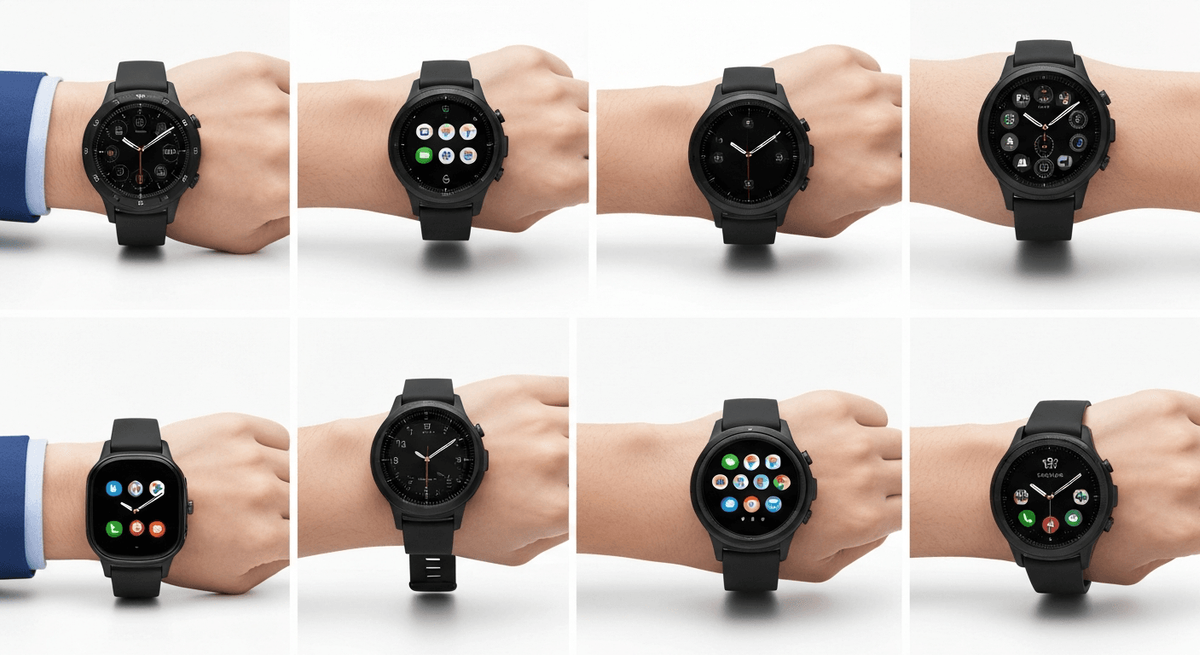
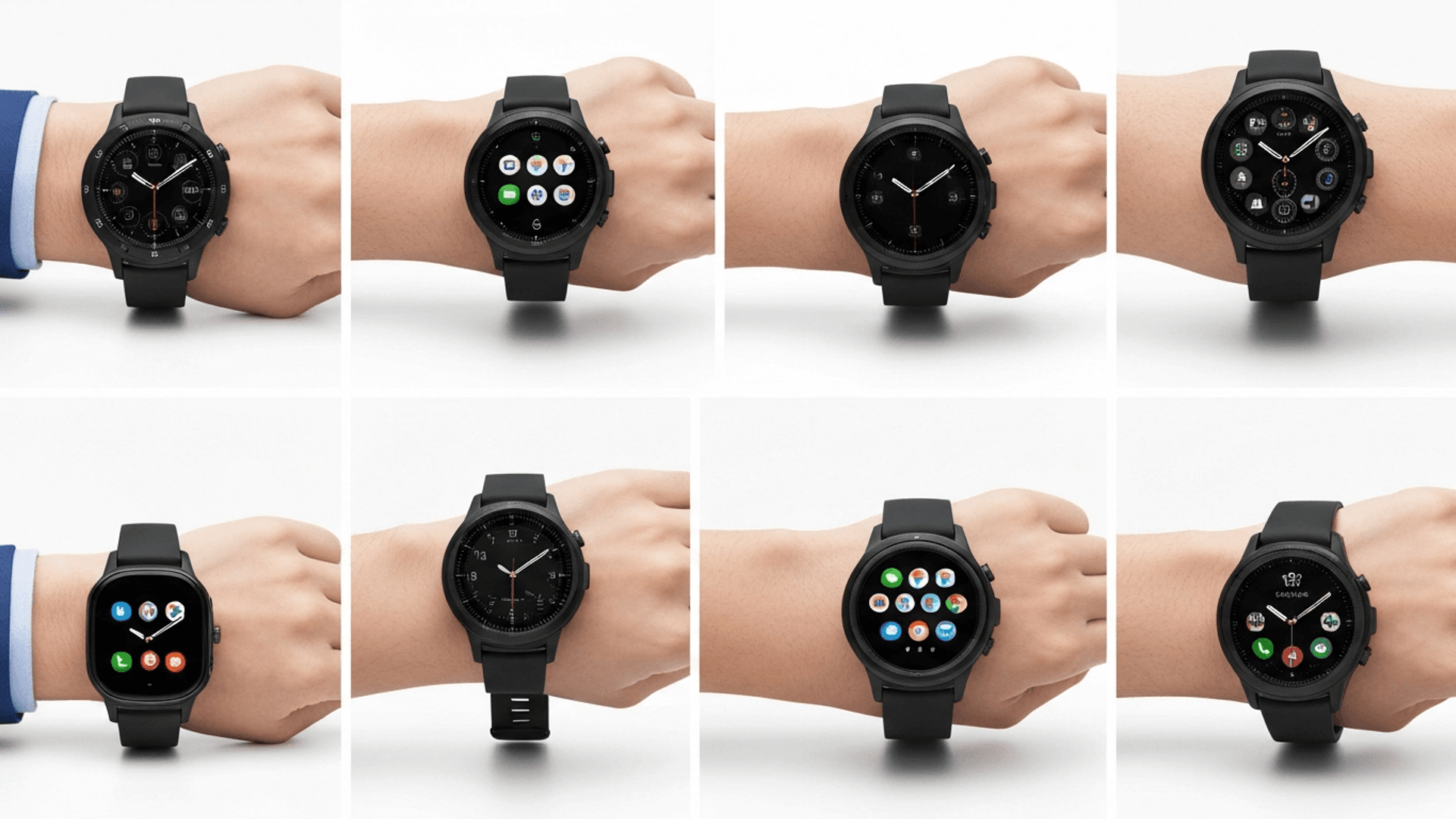
While the Apple Watch continues to dominate tech headlines, it leaves millions of Android users on the sidelines. Fortunately, the landscape of wearable technology has shifted dramatically, offering a vibrant ecosystem that rivals even the biggest competitors. In 2025, finding the best apple watch alternatives for android is no longer about compromising; it is about unlocking a world of diverse designs and cutting-edge features tailored specifically for your smartphone.
This year’s lineup boasts incredible advancements in Wear OS performance and specialized fitness tracking that simply cannot be ignored. In this guide, we will break down the top contenders, including the highly anticipated Google Pixel Watch 4 , Samsung Galaxy Watch 8 , and OnePlus Watch 3 . We will explore everything from robust health metrics to battery longevity, helping you navigate the options to make an informed choice. Whether you need a rugged companion for outdoor adventures or a sleek extension of your phone, read on to find the ideal smartwatch to elevate your lifestyle.
Top 7 Best Apple Watch Alternatives for Android in 2025
As the wearable market matures in 2025, the search for high-quality apple watch alternatives for android has never offered more robust options. Manufacturers have significantly upgraded processing power, display technology, and AI integration, narrowing the gap between ecosystems.
Whether you prioritize multi-day battery life, clinical-grade health metrics, or rugged durability, this year's lineup delivers exceptional performance tailored to diverse user needs.
1. Google Pixel Watch 4
The Google Pixel Watch 4 stands as a refined Wear OS option in 2025, perfectly integrating software and hardware. The experience is centered around a stunning, brighter 3,000 nits display and a revamped UI that feels incredibly fluid. Under the hood, the new Qualcomm Snapdragon W5 Gen 2 processor drives improved battery efficiency, finally offering users a reliable 30-40 hours of life even with the always-on display active.
AI Integration: The standout feature is the deep Gemini integration , allowing for context-aware AI smart replies and complex voice commands directly from the wrist.
Advanced health sensors, including skin temperature tracking and dual-band GPS, make it a comprehensive daily driver for any Android user.
2. Samsung Galaxy Watch 8
Continuing its reign as a reliable choice, the Samsung Galaxy Watch 8 combines fast performance with advanced health tools. Powered by the Samsung Exynos W1000 processor , the interface is snappy, displayed on an ultra-bright 3,000 nits AMOLED screen that remains visible in direct sunlight.
It justifies its premium price with comprehensive sensors like BIA (Body Composition) and ECG , alongside excellent sleep tracking capabilities. With 5ATM water resistance and dual-band GPS, it remains the standard-bearer for the Samsung ecosystem.
3. OnePlus Watch 3
Emerging as a compelling Wear OS smartwatch in 2025, the OnePlus Watch 3 addresses the biggest pain point of modern wearables: endurance. It impresses with exceptional battery life, often lasting 4-6 days , supported by rapid charging technology.
The design features a stylish titanium bezel and a functional crown, giving it a premium feel. Performance is handled by the Snapdragon W5 + BES 2800 processor , ensuring the 2,200 nits LTPO AMOLED display runs smoothly for wellness checks and heart rate monitoring.
4. Garmin Venu 4
For athletes in 2025, the Garmin Venu 4 prioritizes advanced training guidance. It features the accurate Elevate v5 HRM sensor and dual-band GPS for precise tracking. The new Garmin Fitness Coach and multisport workouts provide actionable insights for serious training.
It is a robust fitness tracker boasting an impressive 10–12 days of battery life (4–5 with AOD) and includes convenient hardware additions like a built-in flashlight, making it a top utility choice.
5. Amazfit Balance 2
The Amazfit Balance 2 stands out as a top fitness alternative, boasting a durable build with sapphire glass. It is designed for longevity, with exceptional battery life lasting for weeks rather than days.
Users benefit from offline maps, AI coaching, and support for 170 sports modes . The bright 2,000 nits AMOLED display and 10ATM water resistance make it a versatile tool for adventurers on a budget.
6. Fitbit Sense 2
Prioritizing health tracking, the Fitbit Sense 2 offers a "Wear OS-lite" interface that supports essentials like Google Maps and Wallet. It provides detailed insights into heart rate, SpO2, sleep, and skin temperature.
With over 6 days of battery life and a dedicated cEDA sensor for continuous stress monitoring, it remains a strong contender for the health-conscious user who wants a simpler interface.
7. Withings ScanWatch 2
The Withings ScanWatch 2 offers a unique hybrid approach, blending classic aesthetics with smart tech. Its HealthSense 4 OS delivers data on HRM, SpO2, ECG, and 24/7 skin temperature to the companion app.
With exceptional battery life of up to 35 days , it appeals to those who value traditional design over digital screens and want to avoid daily charging.
Key Factors When Choosing an Alternative to Apple Watch in 2025
As the wearable technology landscape matures in 2025, Android users face a paradox of choice. Unlike the singular path provided by Apple, the market for apple watch alternatives for android is vast, ranging from rugged outdoor companions to sleek, fashion-forward timepieces. Selecting the right device requires a careful analysis of how hardware specifications translate into daily user experience.
1. Smartwatch Compatibility
This is the first and most critical filter. A smartwatch is only as good as its connection to your handset. You must ensure seamless integration with your specific Android phone model.
Ecosystem Optimization: While most modern Wear OS devices offer excellent compatibility, brands like Samsung or Google optimize their watches to work best within their own hardware ecosystem.
Connectivity: Always check for the Bluetooth version and OS support to prevent connectivity dropouts. Verify if proprietary operating systems have specific app requirements to prevent buyer's remorse.
2. Smartwatch Features
Define your non-negotiables. Do you prioritize a wrist-based health clinic or a miniature smartphone?
Health Enthusiasts: Look for comprehensive monitoring features such as ECG , SpO2 , and skin temperature sensors .
Productivity Users: Prioritize cellular support for standalone calls, smart assistant integration, and NFC for contactless payments.
Outdoor Users: Dual-band GPS accuracy is crucial for runners navigating complex environments.
3. Battery Life
Battery performance varies significantly across the spectrum and dictates your relationship with the device.
"The true luxury in modern wearables is not just the display resolution, but the freedom from the charging cable."
Some full-featured smartwatches offer 1-2 days of use, requiring a nightly charging ritual. In contrast, endurance-focused brands like Garmin or Amazfit can last weeks on a single charge. If you travel frequently without a reliable power source, a high-endurance model is superior to a feature-rich daily charger.
4. Display, Design, and Software
Look for bright, readable displays—specifically AMOLED panels with high nit counts—that remain visible outdoors. Design options now range from sporty silicone bands to elegant metal casings that fit formal attire.
Finally, understand the software backbone. Wear OS watches offer deep integration with Google services like Maps and Wallet. Meanwhile, Fitbit and Garmin excel in sports-specific features and recovery metrics. Understanding how each platform syncs data is essential for a cohesive digital experience.
Comparison of Android Smartwatch Categories
| Feature | Full Smartwatch (Wear OS) | Performance Sport (e.g., Garmin) | Budget/Lite (e.g., Amazfit) |
|---|---|---|---|
| Battery Life | 24–48 Hours (Daily charging) | 7–20+ Days (High endurance) | 10–30 Days (Efficient OS) |
| App Ecosystem | Extensive (Google Play Store) | Limited/Proprietary Apps | Minimal/Notification based |
| Health Focus | General Wellness & Connectivity | Advanced Athletics & Recovery | Basic Tracking (Steps/HR) |
| Best For | Smart Assistant & seamless apps | Serious training & outdoors | Value & long battery life |
FAQ (Frequently Asked Questions)
Q1: Can I use a smartwatch with my Android phone if it's not Wear OS?
A1: Yes, absolutely. While Google's Wear OS is a dominant force, you are not limited to it. Many top-tier smartwatches from brands like Garmin and Amazfit utilize their own proprietary operating systems. These devices are designed to offer excellent compatibility with Android phones, ensuring you don't miss out on essential connectivity. Proprietary operating systems often prioritize battery efficiency over the extensive app ecosystems found in Wear OS, offering a different but highly effective user experience.
Q2: What are the best Android wearables for fitness tracking?
A2: In 2025, the "best" device depends largely on your specific fitness goals. For dedicated athletes, Garmin smartwatches remain top-tier due to their advanced metrics and recovery advisors. For multi-sport users, the Amazfit Balance 2 is a strong contender. For holistic health, the Fitbit Sense 2 provides excellent stress management tools, while flagships like the Google Pixel Watch 4 offer robust general fitness capabilities integrated deeply with smartphone apps.
Q3: Do Android smartwatches offer cellular support?
A3: Yes, many premium models offer standalone functionality. Devices such as the Google Pixel Watch 4 and Samsung Galaxy Watch 8 are available in LTE variants. This cellular support transforms the smartwatch experience, allowing users to leave their phones behind during runs or errands. With an active data plan, you can make calls, send texts, and stream music directly from your wrist.
Q4: How do Android smartwatches compare in terms of health tracking?
A4: Health tracking has become a baseline standard, yet significant differences exist between tiers. Most modern Android smartwatches reliably offer 24/7 heart rate monitoring, SpO2 (blood oxygen) tracking, and detailed sleep analysis. However, high-end options like the Samsung Galaxy Watch 8 push the boundaries by including advanced sensors such as ECG (electrocardiogram) for detecting atrial fibrillation and skin temperature sensors , providing comprehensive insights that budget trackers generally cannot match.
Conclusion
As we navigate through 2025, it is abundantly clear that the smartwatch landscape has evolved into a powerhouse of innovation. You no longer need to feel restricted by ecosystem walls because the current array of apple watch alternatives for android is richer and more diverse than ever before. Throughout this article, we have highlighted that high-performance wearables are available across every price point, offering premium features that rival, and often exceed, the competition.
Finding your ideal companion ultimately requires a self-evaluation of your primary needs. Whether you are prioritizing clinical-grade health monitoring, seeking advanced fitness metrics for athletic training, or simply desiring a stylish timepiece with incredible battery life, the perfect device is out there.
Ready to upgrade your wrist game? Do not settle for partial compatibility. Revisit our top recommendations above, compare the specifications that align with your lifestyle goals, and click through to purchase the wearable that best fits your daily needs today. Experience the true freedom of a connected Android ecosystem now.
Powered by OpenSEO.