

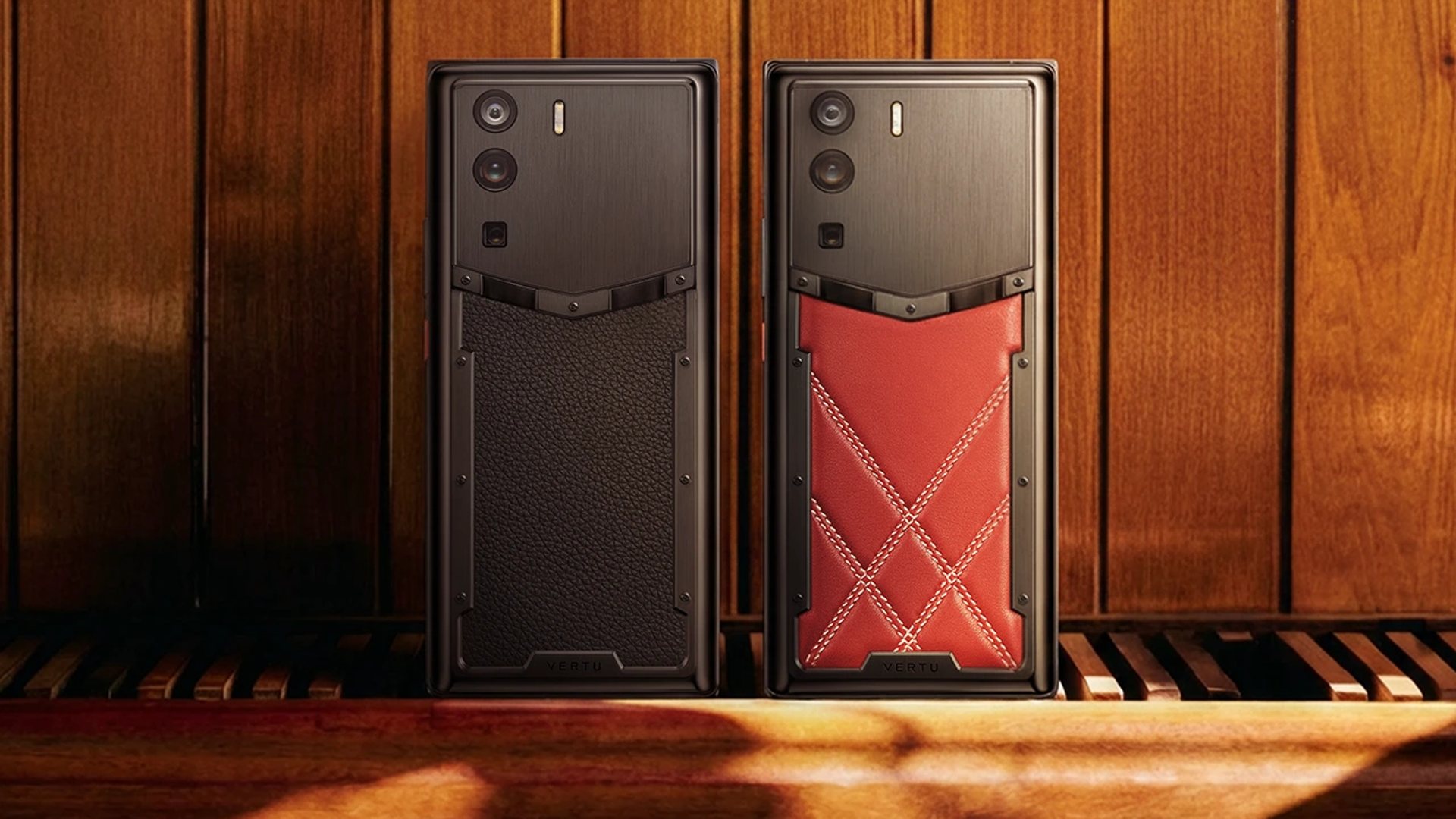
| Security Feature | Metavertu Max | Murena 2 | Purism Librem 5 |
|---|---|---|---|
| Physical Controls | One-Key Data Destruction | Camera/Mic/Connectivity Switches | Modem/Camera/Mic Kill Switches |
| Operating System | Triple-System Architecture | De-Googled /e/OS | Open-Source PureOS |
| Primary Focus | Data Destruction & Luxury | User Privacy & De-Googling | Software Freedom & Control |
Is your smartphone a private diary or a public broadcast? In our hyper-connected world, your personal data is more valuable—and vulnerable—than ever. This constant exposure makes your device a prime target for sophisticated digital threats that can compromise your financial, personal, and professional life.
As we look toward 2026, standard security measures are often not enough to counter these evolving risks. This reality has fueled a critical demand for devices built from the ground up with privacy as their core function. Choosing the most secure mobile phone is no longer a niche concern but a fundamental step in protecting your digital identity.
This guide will help you navigate the complex landscape of digital defense. We will explore the top cybersecurity phones, detailing advanced features from hardware kill switches to robust encryption protocols . Get ready to discover which device offers the ultimate protection you need to secure your personal information.
The 10 Most Secure Mobile Phones for 2026
The need for digital privacy and data protection has never been greater. As threats evolve, so does the technology designed to counter them. This guide details the top contenders for the most secure mobile phone in 2026. Each device offers a unique approach to security, from hardened hardware to encrypted software.
1. Metavertu Max
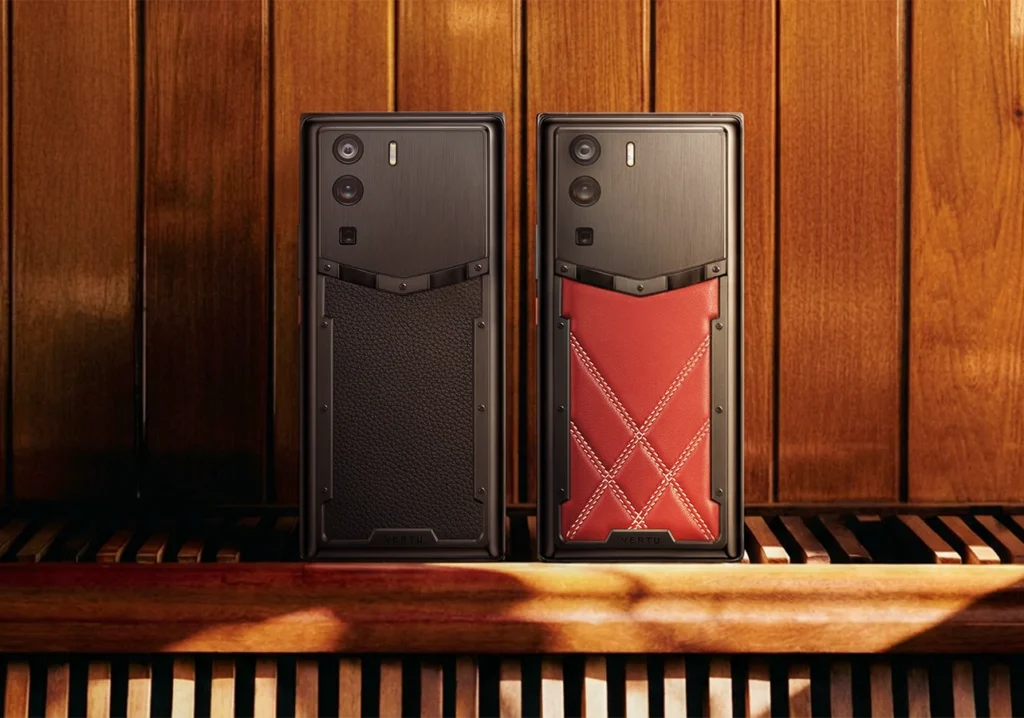
The Metavertu Max delivers elite security through a unique triple-system architecture and a dedicated security chip. Its standout feature is 'One-Key Destruction,' which allows for the instant and irreversible erasure of all data on the device. This function provides a final, powerful layer of protection in critical situations.
Constructed with aerospace-grade 316L stainless steel, a ceramic frame, and a sapphire camera lens, the phone is built for durability. It also features a 1.5K OLED display and offers 10TB of distributed storage, positioning it as a pinnacle of secure mobile devices.
2. Apple iPhone 16 Pro Max
Powered by iOS 18, the Apple iPhone 16 Pro Max integrates comprehensive privacy and security features into a mainstream device. Users can lock individual apps with Face ID or Touch ID , and a built-in password manager secures credentials. Critically, end-to-end encryption protects all communications across Apple's ecosystem.
Apple Intelligence processes data directly on the device. For complex tasks, Private Cloud Compute handles sensitive information securely without storing it. This on-device processing enhances user privacy.
The phone’s security includes a secure boot mechanism to verify software integrity. It also has a secure enclave that isolates biometric data. This makes it a top candidate for the most secure mobile phone.
3. Samsung Galaxy S24 Ultra
The Samsung Galaxy S24 Ultra stands as a leading Android flagship with a strong commitment to security. Samsung guarantees four years of OS and security updates , providing long-term protection against emerging threats. The device also includes Samsung Message Guard, which enhances messaging privacy by sandboxing potentially malicious attachments.
At its core is the Samsung Knox service , which provides multi-layer security from the chip up. A hardware-based trust zone processor protects sensitive operations. This robust combination makes the Galaxy S24 Ultra a highly secure smartphone for personal and professional use.
4. Murena 2
The Murena 2 is a privacy-first smartphone built on /e/OS , a de-Googled version of Android that removes dependencies on Google services. The device features physical switches that let users disable the camera, microphone, and network connectivity at a hardware level, offering tangible control over potential surveillance.
The phone also includes built-in app tracker blocking and hides the user's IP address. With comprehensive data encryption, the Murena 2 provides an excellent, user-friendly secure phone for those seeking digital autonomy without sacrificing modern smartphone functionality.
5. Purism Librem 5
The Purism Librem 5 is a smartphone dedicated to giving users ultimate privacy and control. It runs PureOS , a fully open-source and auditable operating system. The device is famously equipped with hardware kill switches for its cellular modem, Wi-Fi/Bluetooth, cameras, and microphones.
By emphasizing auditable software and robust tracker blocking, the Librem 5 gives users an unparalleled degree of control over their digital footprint. It is a powerful tool for individuals who require verifiable security and complete transparency in their mobile communications.
6. Bittium Tough Mobile 2C
The Bittium Tough Mobile 2C is a rugged smartphone designed for government and enterprise environments. It runs a hardened version of Android 9 with multilayered security, including AES-256 encryption and a secure boot process that meets NATO security standards .
Its dual-boot functionality allows for complete data separation between two distinct operating environments. The firmware is non-rootable to prevent unauthorized modifications. Combined with the Bittium Secure Suite, these features create a formidable cybersecurity phone for high-stakes users.
7. Blackphone PRIVY 2.0
The Blackphone PRIVY 2.0 offers vault-like security with a modified OS and pre-installed PRIVY applications. Its Silent Phone app provides end-to-end encrypted calls, video chats, and text messages. The device also features encrypted databases and secure file transfer protocols.
A core principle of the PRIVY 2.0 is its strict no-log policy , ensuring no call or message data is ever recorded. It is engineered for users who need to protect their conversations and digital assets from any form of interception.
8. K-iPhone
The K-iPhone is a specialized device that modifies a standard iPhone to deliver enhanced, military-grade security. It integrates hardware-level encryption for data at rest and in transit. The phone operates on a secure network and uses a proprietary VoIP app for communications.
Its patented call encryption technology scrambles conversations, making them unintelligible to outsiders. The system is designed so that no record of outgoing communications is ever kept . This device caters to users who require the utmost privacy protection.
9. Fairphone 5
The Fairphone 5 is a business-friendly smartphone that uniquely combines a focus on privacy with sustainability. It supports Linux PostmarketOS , offering an alternative to standard mobile operating systems. The phone is built for durability and modularity, allowing users to easily repair components.
Fairphone pledges at least five generations of software updates , ensuring long-term security. It also features an app privacy rating system and tracker detection. This blend of longevity and mobile security appeals to users who value transparency and long-term support.
10. Agent Q
The Agent Q is a secure phone engineered for users who handle highly sensitive information. It prioritizes confidentiality through hardware-level protection and secure operating environments. Its architecture is built from the ground up to prevent data leakage and ensure complete operational secrecy.
How to Choose Your Secure Mobile Device in 2026
Selecting a secure phone in 2026 requires a careful evaluation of your needs. As digital threats evolve, device protection has become a primary concern. This guide outlines the core security elements to analyze, helping you find a device that protects your data without disrupting your daily routine.
Understanding Core Security Features
The foundation of a secure phone rests on several key elements. Look for devices with hardware kill switches that physically disable the microphone or camera. A secure boot mechanism prevents malicious software from loading, while full-disk encryption protects all stored data.
| Security Feature | Primary Function | Defense Type |
|---|---|---|
| Hardware Kill Switch | Physically disconnects components (mic, camera) | Physical |
| Secure Boot | Verifies OS integrity at startup | Software/Firmware |
| Full-Disk Encryption | Scrambles all data stored on the device | Data-at-Rest |
| Biometric Auth. | Uses unique physical traits for access | Access Control |
Hardware vs. Software Security
Security exists at two levels: hardware and software. While software encryption is crucial, hardware-level security provides a more resilient defense against sophisticated attacks. Devices that integrate a dedicated security chip, or a "secure enclave," offer stronger protection. The most effective phones combine both for comprehensive security.
Balancing User Experience and Security
A secure phone should not be difficult to use. When evaluating a device, consider how it presents its security settings. You should be able to access and manage privacy controls with minimal effort. The best secure phones fit your daily usage without adding complexity.
The Importance of Long-Term Support and Updates
A manufacturer's support policy is a critical security feature. The company must provide regular and timely security updates to patch new vulnerabilities. The most secure mobile phone is one that receives consistent support for multiple years. Before buying, verify the manufacturer's update schedule.
FAQ (Frequently Asked Questions)
Q1: What makes a phone a 'cybersecurity phone'?
A1: A cybersecurity phone has enhanced security beyond standard devices. It often includes a hardened operating system, specialized hardware like kill switches, and advanced encryption to minimize attack surfaces and protect user data.
Q2: Are military-grade secure phones necessary for average users?
A2: For most people, military-grade phones are unnecessary. They are designed for users handling highly sensitive data, like journalists or government officials, who operate in high-risk environments and require maximum protection.
Q3: What is the benefit of a hardware kill switch?
A3: A hardware kill switch physically disconnects components like the camera or microphone. This provides an absolute guarantee against remote surveillance that software-based controls cannot match, offering a powerful layer of physical security.
Q4: How does device encryption protect my data?
A4: Device encryption scrambles all stored data, making it unreadable without your passcode or biometric key. If your phone is lost or stolen, this ensures your personal information, messages, and files remain completely private.
Conclusion
Navigating 2026's mobile security landscape is crucial for protecting your digital life. Choosing the most secure mobile phone shields your data from evolving threats. This guide provides the knowledge needed to make an informed decision for your privacy.
Your digital peace of mind is a worthwhile investment. Evaluate your personal security needs and explore the advanced features discussed in this guide. Choose one of the top secure phones for 2026 to fortify your defenses, reclaim your privacy, and take control of your digital future today.

![Top 10 Luxury Smartwatches for Business Travel [2026]](https://cdn.sanity.io/images/e0gp1l2g/production/8b5e5b21db42a1c5f040e828bd041857353a8eb2-2560x1382.webp?w=800&h=450&q=82&auto=format&fit=crop)