| Device | Primary Hardware Security | OS/Platform | Key Feature |
|---|---|---|---|
| VERTU Agent Q | A5 Encryption Chip | Triple-System Architecture | 10TB Distributed Storage |
| Purism Librem | Physical Kill Switches | PureOS | Hardware Sensor Disconnect |
| Katim R01 | Ruggedized Shield Mode | Secure Boot System | Mic/Cam Disable Mode |
| Sirin Labs Finney | Physical Wallet Switch | Sirin OS | Cold Storage Wallet |
| K-iPhone | Military-Grade Encryption | Custom Secure OS | No Call Records |
In today’s hyper-connected world, your personal digital footprint is significantly more vulnerable than ever before. While most consumers rush toward the latest glossy flagship models, true privacy often lies hidden in less expected places. Safeguarding your sensitive data now requires looking far beyond standard marketing hype to find devices built specifically for protection.
You might believe that only the most expensive handsets offer adequate defense against modern cyber threats, but that is a dangerous misconception. A surprising number of niche manufacturers are now producing phones with high-security architectures that rival or even outperform mainstream giants. These impressive devices prioritize military-grade encryption and total user anonymity without forcing you to break the bank.
This comprehensive guide explores ten exceptional alternatives that deliver advanced data protection and secure communications for the discerning, privacy-conscious user. From physical hardware kill switches to hardened custom operating systems, we will uncover the absolute best tools for keeping your information safe. Get ready to discover exactly how innovation and cybersecurity meet in these robust, non-flagship devices.
Top 10 Devices Beyond Flagships for Unexpectedly Robust Security in 2026
Standard smartphones often trade privacy for convenience. In 2026, users demanding absolute data sovereignty turn to specialized hardware. These phones with high-security architectures utilize physical kill switches, encryption chips, and isolated operating systems to protect sensitive information.
1. VERTU Agent Q
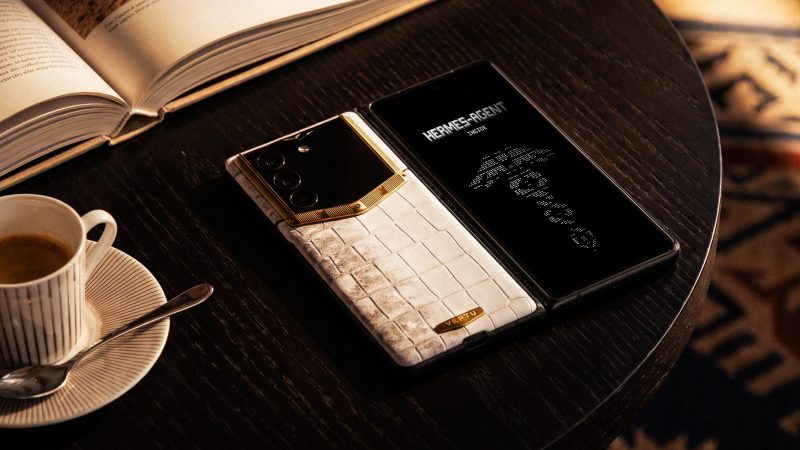
The VERTU Agent Q establishes data sovereignty through a sophisticated 5-layer architecture . It employs hardware-level isolation and sandboxed agents to strictly separate processes. A dedicated A5 hardware encryption chip secures the device against intrusion, ensuring that your keys remain isolated from the main processor.
Note: The device features a triple-system architecture and an encrypted sanctum. Users access 10TB of distributed storage for secure data management.
2. VERTU Quantum Flip
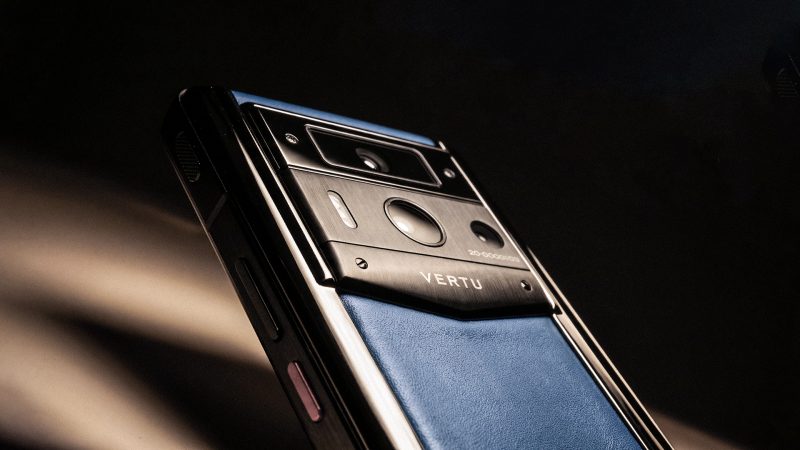
This foldable device uses aerospace-grade titanium alloy for superior durability. It integrates a security encryption chip to aggressively protect user data. The system runs independent environments for work, life, and privacy tasks, preventing cross-contamination of data.
A three-finger biometric system triggers data self-destruction. This feature ensures immediate data erasure during emergencies or physical coercion.
3. Google Pixel Phones
Google Pixel hardware is unique because it supports alternative operating systems with verified boot integrity. Users can install GrapheneOS to replace the standard Android interface. This removes tracking elements while maintaining a user-friendly experience, making Pixels some of the most accessible phones with high-security capabilities.
4. Purism Librem Phone
The Purism Librem prioritizes physical control above all else. Hardware kill switches physically disconnect the camera, GPS, microphone, and speakers. This prevents remote surveillance at the circuit level.
The device runs on PureOS , an open-source platform. This system eliminates proprietary data mining code entirely.
5. Nexus Devices
Older Nexus devices serve as cost-effective security tools for the tech-savvy. Owners flash these phones with custom systems like LineageOS . This software updates the hardware with modern security patches, transforming aged units into private communication tools.
6. Murena 2
The Murena 2 operates on /e/OS , a fully de-Googled operating system. It includes physical switches to cut camera and microphone connectivity instantly. The software blocks app trackers by default and hides IP addresses to prevent location profiling and data aggregation.
7. K-iPhone
Engineers designed the K-iPhone specifically for secure communications. It utilizes military-grade hardware encryption to safeguard voice and text data. Patented call encryption technology prevents interception, and the system ensures no records of outgoing communications remain on the device.
8. Katim R01
The Katim R01 is built to withstand extreme physical conditions and cyber threats. It features a secure boot system and hardware-based encryption. Users can activate 'shield mode' to physically disable microphones and cameras, creating a verified secure environment.
9. Sirin Labs Finney U1
This device targets cryptocurrency users and blockchain enthusiasts. It includes an embedded cold storage wallet for digital assets. A physical security switch activates the wallet protection layer, merging blockchain security protocols with standard mobile data protection.
10. Blackphone PRIVY 2.0
The Blackphone PRIVY 2.0 uses a modified Android OS to function like a digital vault. The Silent Phone app provides end-to-end encryption for calls, video chats, and text messages. This secures communications against interception attempts, making it a staple for enterprise security.
Security Feature Comparison
The following table outlines the primary hardware and software distinctions among these high-security devices.
Selecting the right device depends on specific threat models. Whether requiring physical kill switches or blockchain integration, these phones with high-security features offer protection levels that standard commercial flagships cannot match.
Why Choose Devices Beyond Mainstream Flagships for Security in 2026?
In 2026, mass-market phones prioritize convenience over strict data control. Users seeking phones with high-security often require specialized hardware. Niche manufacturers build these devices with security as the foundation, not an afterthought.
They integrate dedicated hardware encryption chips and secure boot systems. This limits weak points commonly found in standard commercial handsets.
Security Note: Hardware isolation prevents malware from accessing critical components even if the operating system fails.
These devices provide specific privacy controls that mainstream phones lack. Many models feature physical kill switches . These hardware levers cut power to cameras and microphones, stopping remote surveillance instantly.
Furthermore, de-Googled operating systems reduce background data tracking. This allows users to control data transmission rather than relying on default cloud settings.
| Feature | Mainstream Flagship | Specialized Security Device |
|---|---|---|
| Camera/Mic Control | Software Toggle | Physical Circuit Switch |
| Operating System | Standard Android / iOS | Hardened / De-Googled |
| Bootloader | Often Locked | Relockable Custom Support |
| Data Tracking | High / Automatic | Minimal / User Controlled |
Cybersecurity threats evolve constantly. Specialized devices focus on robust data protection and secure communications. Privacy-conscious users can flash custom ROMs like GrapheneOS, allowing specific security configurations tailored to individual needs.
Key Security Features to Look For in 2026
Consumers prioritizing phones with high-security in 2026 demand hardware-based protection. Hardware-Level Encryption uses a dedicated chip to scramble data, isolating keys from the main processor. A Secure Boot System verifies the operating system's integrity during startup, blocking malware before the interface loads.
Communication protocols require strict validation. End-to-End Encrypted Communications guarantee that only the sender and recipient access messages. Multi-Factor Authentication (MFA) strengthens entry barriers, requiring users to provide biometrics or hardware tokens alongside passwords.
Physical assurance offers the highest privacy level. The best phones with high-security integrate Physical Privacy Controls like mechanical switches. Sandboxing techniques isolate applications within virtual containers to prevent cross-contamination.
Security Implementation Comparison
| Feature | Standard Implementation | High-Security Implementation |
|---|---|---|
| Encryption Source | Main Processor (Software) | Dedicated Security Chip |
| Camera/Mic Control | Software Toggles | Physical Circuit Breakers |
| Boot Verification | Basic OS Check | Cryptographic Root of Trust |
| App Isolation | Shared Memory Access | Strict Container Sandboxing |
| Data Erasure | Factory Reset | Remote Cryptographic Wipe |
Making the Right Choice for Your Security Needs in 2026
Selecting phones with high-security requires a strategic approach in 2026. You must first define your specific threat model. Users facing corporate espionage require different tools than those avoiding general ad-tracking.
Prioritize features based on these risks. Hardware encryption and physical isolation switches offer stronger defense than software toggles. Compare your needs against available configurations.
| Feature Category | High-Risk Profile | General Privacy Profile |
|---|---|---|
| OS Preference | GrapheneOS / CalyxOS | Stock Android / iOS |
| Hardware Control | Physical Kill Switches | Software Toggles |
| Authentication | Alphanumeric Passphrase | Biometric / 6-Digit PIN |
| Connectivity | Always-on VPN | Standard Encryption |
Critical Balance: Security often reduces convenience. A device with physically disconnected microphones prevents eavesdropping but hinders voice calls.
Evaluate the ecosystem before you purchase. Check if the manufacturer stores backups on their servers or requires local storage. You must balance this security with usability to ensure the device performs daily tasks efficiently.
Finally, stay informed. Update your OS immediately upon release. The security landscape shifts, and outdated software creates vulnerabilities.
FAQ (Frequently Asked Questions)
Q1: Do these secure phones support standard apps like WhatsApp?
A1: Many secure phones run de-Googled Android, supporting standard apps via compatibility layers. However, devices running pure Linux (like Purism) may have limited app ecosystems. Always check specific OS compatibility before purchasing.
Q2: What is a hardware kill switch?
A2: A hardware kill switch is a physical lever on the device. It physically disconnects power to specific components like cameras or microphones. This ensures hackers cannot access sensors even if they compromise the software.
Q3: Are Google Pixel phones actually secure?
A3: Yes, but primarily when modified. Stock Pixels have good hardware security, but flashing them with GrapheneOS significantly enhances privacy. This combination removes Google tracking while utilizing the Titan M2 security chip.
Q4: Can I use these phones on any carrier?
A4: Most phones with high-security are unlocked and support GSM networks globally. However, some niche devices may lack specific 5G bands used by certain carriers. Verify network frequency compatibility with your local provider first.
Conclusion
Moving beyond standard flagship models reveals a market rich with specialized devices designed for privacy-conscious users. These phones with high-security offer robust alternatives that prioritize digital safety without sacrificing essential functionality. By selecting a device with hardware kill switches and encrypted operating systems, you effectively neutralize modern surveillance threats.
Do not wait for a security breach to occur before taking control of your personal data. Invest in your digital sovereignty today by exploring these top-tier secure smartphones. Embrace a safer future and reclaim your privacy immediately by making the switch to a device built on trust.