| Feature | Traditional Authentication | Blockchain Authentication |
|---|---|---|
| Verification Method | Physical cards/Receipts | Immutable Digital Ledger |
| Traceability | Limited visibility | Full supply chain history |
| Transferability | Difficult to prove | Instant digital transfer |
| Security | Prone to forgery | Cryptographically secure |
Imagine a world where high-end fashion seamlessly merges with hyper-personalized artificial intelligence. As we step into 2026, the boundary between physical opulence and digital innovation has dissolved. You are no longer just buying a product.
You are investing in a sophisticated, tech-driven experience that anticipates your every desire. To maintain prestige, elite brands partner with specialized innovators to revolutionize global connections. Leading luxury tech companies serve as architects behind these immersive digital ecosystems.
They expertly blend heritage craftsmanship with cutting-edge software. This shift is essential for capturing consumer loyalty. It targets the modern, discerning shopper in a crowded marketplace.
In this article, we unveil the pioneers spearheading this digital metamorphosis. You will discover innovative strategies and AI-powered solutions redefining the industry standard. Prepare to meet the visionaries reshaping luxury for the decade ahead.
Top 10 Luxury Tech Companies Driving 2026's Digital Transformation
Luxury tech companies are redefining exclusivity in 2026 by merging heritage with innovation. Brands now prioritize data over intuition to serve high-net-worth individuals effectively. This shift creates hyper-personalized ecosystems where technology is the product.
1. Artificial Intelligence (AI) and Machine Learning
Luxury brands deploy AI to tailor client interactions with unprecedented precision. Algorithms process purchase history to suggest specific items. Predictive analytics identify trends before they peak.
Advanced chatbots handle inquiries 24/7 with high accuracy. This ensures every client receives individual attention at scale.
2. Augmented Reality (AR) and Virtual Reality (VR) Experiences
Customers can now try sneakers and watches via phone screens using AR. Digital showrooms offer 360-degree product inspections . These tools significantly reduce return rates by confirming fit and style digitally.
VR headsets transport users to virtual runways. This effectively bridges the gap between physical boutiques and e-commerce.
3. Blockchain Technology for Traceability and NFTs
Blockchain ledgers are essential for verifying product authenticity. This technology tracks items from raw material sourcing to the final sale. It eliminates counterfeits in the secondary market.
Brands also issue NFTs as digital certificates of ownership.
4. Internet of Things (IoT) and Wearable Technology
Smart jewelry now tracks health metrics like heart rate variability. Connected luggage transmits location data directly to smartphone apps. Luxury tech companies integrate sensors into high-end materials.
This adds vital functionality to daily accessories. It achieves this without compromising on design aesthetics.
5. Big Data and Analytics
Analysts track market shifts in real-time using big data. Large datasets reveal specific spending patterns. This allows brands to adjust marketing budgets based on direct feedback.
Analytics dictate inventory distribution across global regions. This ensures popular items remain in stock exactly where demand exists.
6. Virtual Consultations and Video Shopping
Sales associates host video calls to display products. They use high-resolution cameras to show fabric textures and intricate details. This omnichannel approach maintains personal connections without physical travel.
It replicates the VIP suite experience on a convenient digital platform.
7. Gaming Experiences
Avatars wear branded digital apparel in popular video games. In-game events feature exclusive product drops. This strategy captures younger, digitally native audiences.
Collaborations introduce heritage brands to the massive esports demographic .
8. Sustainable Technologies and Circular Economy Models
Tech platforms track carbon emissions per manufacturing unit. Circular models facilitate verified resale and recycling. Brands use data to source eco-friendly materials.
This aligns production with the growing consumer demand for ethical luxury .
9. Voice Commerce
Smart speakers accept verbal orders for repeat purchases. Systems provide personalized recommendations aloud. Voice assistants manage wishlists hands-free.
This removes friction from the purchasing process for busy clients.
10. 3D Printing
Printers create intricate lattice structures impossible to achieve by hand. Rapid prototyping reduces development time from weeks to hours. On-demand manufacturing eliminates excess inventory waste.
This technology allows for high levels of customization in jewelry and accessories.
The Future of Luxury: Trends and Partnerships in 2026
The landscape for luxury tech companies shifts rapidly as we approach 2026. Brands now prioritize digital integration over traditional exclusivity alone. Success depends on adapting to new consumer behaviors and technological capabilities.
Companies that ignore these shifts risk obsolescence. The focus remains on utility, precision, and personalized access.
Key Tech Trends Shaping Luxury in 2026
Artificial Intelligence now powers personalized shopping assistants. Augmented Reality (AR) allows virtual try-ons with high-fidelity textures. Blockchain verifies provenance for high-value assets, ensuring authenticity.
Internet of Things (IoT) connects wearables to smart home ecosystems. Big data analytics predict consumer desires before purchase. These tools drive growth and maintain relevance in a digital-first world.
| Technology | Primary Application | Business Benefit |
|---|---|---|
| Blockchain | Digital Product Passports | Verifies authenticity and ownership history |
| AR / VR | Immersive Virtual Showrooms | Enables remote product interaction |
| AI | Predictive Styling Algorithms | Increases conversion through personalization |
| IoT | Connected Smart Wearables | Integrates luxury items into daily data flow |
Strategic Partnerships for Innovation
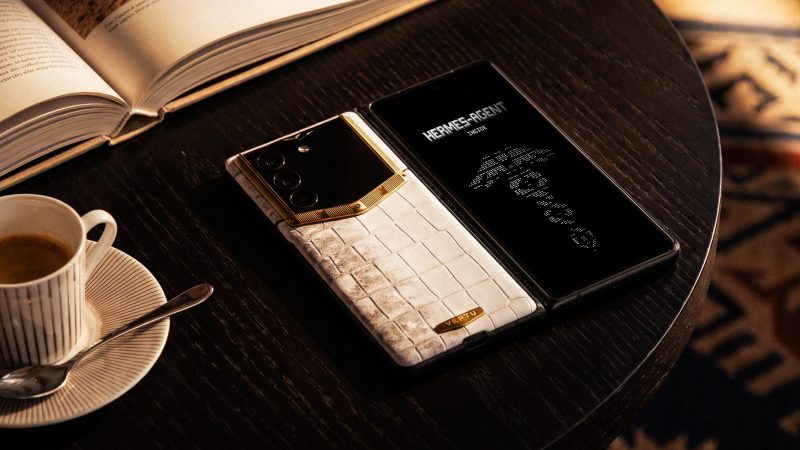
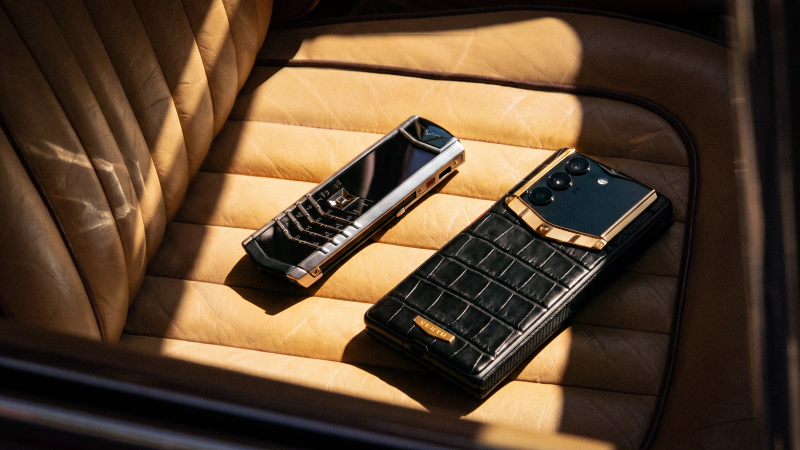
Collaboration defines the 2026 market strategy. Heritage brands partner with hardware manufacturers to build unique digital business models. These alliances combine craftsmanship with advanced circuitry.
Tech innovators provide the infrastructure. Luxury houses supply the design language.
"Strategic partnerships allow brands to co-develop cutting-edge technology without building internal R&D departments from scratch."
This co-development fosters innovation and expands market reach. It bridges the gap between silicon and silk .
Emerging Markets and Future Growth
Luxury tech companies are exploring regions with high digital adoption rates. Markets in Southeast Asia and Africa show increased demand for premium tech integration. Brands leverage mobile-first strategies to tap into these diverse consumer bases.
Long-term growth relies on securing these new audiences through localized digital experiences. Companies adapt their global digital transformation trends to fit specific regional needs.
FAQ (Frequently Asked Questions)
Q1: How are luxury brands using AI in 2026?
A1: Brands use AI for hyper-personalization and tailored product suggestions. Algorithms analyze customer data while chatbots provide 24/7 service. Predictive analytics anticipate needs to streamline automation.
Q2: What role does blockchain play in luxury tech?
A2: Blockchain ensures product authenticity through transparent supply chain tracking. Digital ledgers verify items to eliminate counterfeits. Brands also issue NFTs as immutable proof of ownership.
Q3: Are AR/VR experiences becoming standard in luxury retail?
A3: AR and VR are key differentiators for virtual try-ons and digital showrooms. These tools allow remote access to inventory. High-fidelity visualizations significantly enhance the purchasing journey.
Q4: How do luxury companies leverage Big Data?
A4: Companies use Big Data to analyze consumer behavior and identify market trends. Marketing teams optimize strategies based on these performance metrics. Operational teams utilize data to improve business efficiencies.
Q5: What are the benefits of voice commerce for luxury brands?
A5: Voice commerce provides a hands-free shopping channel using verbal commands. Systems deliver personalized recommendations based on history. This technology simplifies ordering for high-end goods.
Conclusion
As we navigate 2026, high-end retail is shaped by luxury tech companies . Embracing AI, AR/VR, and blockchain defines the new standard of digital excellence. These pioneers prove that integrating technology is essential for transformation.
Brands must prioritize investment in emerging technologies and foster strategic partnerships. Leveraging data-driven insights is crucial for crafting personalized experiences. Leaders must integrate these tools to ensure sustained future growth.
Now is the perfect moment to embrace these advancements. Ensure your brand stays ahead in this rapidly evolving market. Contact us today to explore how luxury tech innovation can elevate your business.