Key Takeaways
- “Continuous” tracking depends on actual wear, sensor contact and charging gaps.
- Ring and bracelet comfort differ by person and activity; neither form factor wins universally.
- Compare the exact functions and app requirements of two models, not just their shape.
- Consumer wellness scores are estimates and should not be used for diagnosis.
A smart ring is often easier to keep on discreetly, while a smart bracelet gives you a different wearing position and visual presence. For continuous tracking, the useful question is which device you can wear correctly and consistently across your normal day and night. A ring removed for weight training or a bracelet removed for sleep creates a gap regardless of its advertised capabilities. Compare actual wear time, fit, charging and model-specific features before choosing.
What “continuous tracking” really requires
A device cannot collect a useful personal trend while it is off the body, out of charge or sitting with poor sensor contact. Marketing language can make a wearable sound uninterrupted, but daily life includes charging, cleaning, travel and activities when removal is sensible. A practical comparison starts with those interruptions. Count when you would take each device off, how long it takes to charge and whether you would remember to put it back on.
Research on wearable selection treats comfort, acceptable burden and data completeness as meaningful factors. A practical guide for choosing monitoring wearables discusses device selection in relation to the setting and user, rather than assuming the most capable sensor package is always the best choice. That is a useful editorial lens for personal wellness devices too, although a consumer purchase is not a clinical study. Repeated short gaps can make a trend harder to interpret, especially if they happen at the same time each day.
The phrase “continuous” should also not be mistaken for a promise that every metric is sampled every second. Different features may use different schedules, estimates and processing methods. Read the current product documentation for each metric and avoid comparing two apps' scores as though they used identical calculations.
Fit and contact: finger versus wrist
A ring needs an appropriate size and stable contact with the finger. Too loose, and it may rotate or sit inconsistently; too tight, and it can become uncomfortable when the finger changes size. A bracelet needs a secure but comfortable position on the wrist, with enough room for ordinary movement. The best fit is model-specific. Follow the maker's sizing instructions, especially if the design contains sensors or a rigid jewellery element.
Think about your routine. A ring may interfere with a particular grip, glove or hand-intensive task. A bracelet may catch a shirt cuff or feel noticeable against a desk. Some people dislike sleeping with anything around the wrist; others find a ring more noticeable at night. These are personal use conditions, not defects inherent to either category. If you can try both safely within the maker's return terms, do so for several ordinary days rather than a few minutes in a showroom.
Cleanliness matters because residue can affect comfort and contact. Follow the specific device's care guidance before using water, soap or a polishing cloth. A jewellery finish and an electronic core may require different handling. Remove the wearable if it causes persistent discomfort or a skin reaction, and seek professional advice for ongoing symptoms.
Charging and the gaps you can plan around
A charging routine that fits your life may matter more than a headline battery figure. Ask where the charger will live, whether you can charge while showering or working, and how easily you will notice a low-battery warning. Do not assume charging during sleep is harmless to your data if sleep trends are the reason you bought the device. A device with longer stated battery life may still be less useful if you forget its occasional charge and leave it off for a full day.
Check real product conditions: settings, feature use, battery age and environment can change runtime. A spare charger may help a frequent traveller, but availability and compatibility must be checked for the exact model. If you use two wearables, plan charging times separately so that you understand when each data stream is absent. More devices do not automatically mean more complete insight.
A review of wearable monitoring challenges identifies comfort and user acceptance among the considerations for sustained use. For an individual buyer, that translates into a simple test: can the charging routine and wearing feel become ordinary parts of the day without effort you are unlikely to maintain?
Which insights do you actually want?
List the questions you hope the wearable will help you explore. Do you want to notice changes in sleep timing, activity, resting patterns or recovery after travel? Then confirm that the exact ring or bracelet offers the relevant general-wellness view in your market and companion app. A model's name or jewellery appearance does not establish every function. Neither does a broad “wellness” label tell you how often a signal is measured or how it is interpreted.
Use personal trends with context. A late flight, illness, unusually hard exercise session or changed sleep schedule can alter readings. A single score cannot tell you why. Compare several days of information with how you feel, and avoid making medical decisions from consumer-wearable estimates. Persistent symptoms belong with a qualified healthcare professional even if the app says the night looked normal.
If two devices report different values, do not assume one must be faulty. They may use different sensors, body locations, time windows and algorithms. Select one primary view for a given trend rather than averaging incompatible scores. The VERTU guide to wearing a smart ring and bracelet together discusses placement and data overlap when someone chooses both.
How VERTU COR RING fits this choice
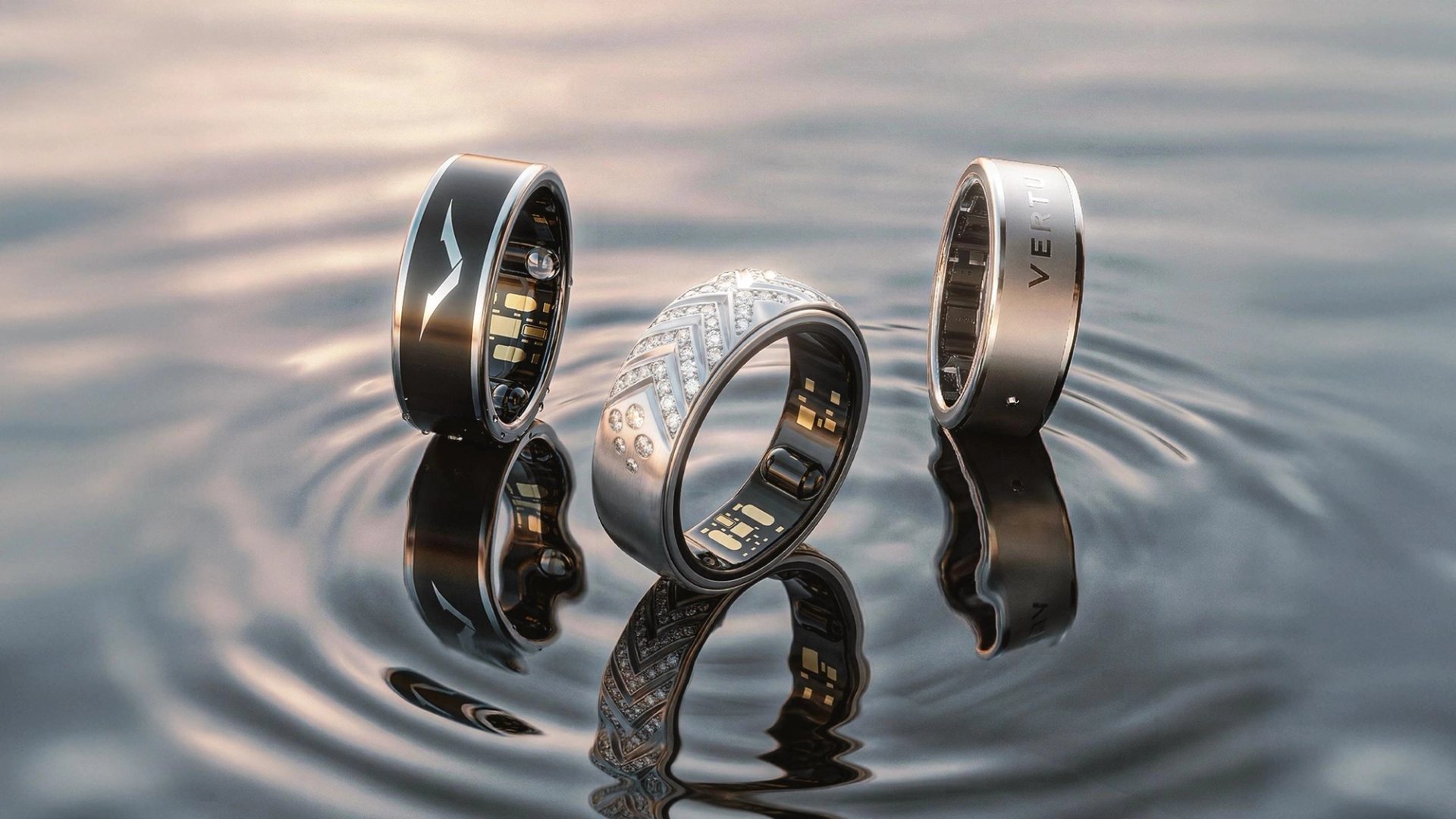
VERTU COR RING is a jewellery-led wearable for general wellness and personal insight. VERTU's current product knowledge base describes views across sleep, recovery, heart rate, heart-rate variability, stress and activity. It says a personal baseline develops with consistent wear, making direction over time more meaningful than one isolated result. That makes regular, comfortable use central to its value.
The same knowledge base states that interpreted metrics are estimates and that features and app functions may vary by model, market, operating system, account and plan. COR RING is not intended to diagnose, treat, cure or prevent disease. It cannot replace professional advice. Before choosing it for a particular tracking goal, confirm the current functions, sizing, compatibility and charging arrangements for the exact configuration.
A VERTU bracelet may suit a reader who prefers a wrist-worn jewellery form, but this article does not attribute COR RING's named measures to every bracelet. The current VERTU LUMINA AI Bracelet fit guide is a useful starting point for checking wrist fit. Review the bracelet's live product details separately for its supported insights and requirements. Comparing form factors is only honest when the specific products are compared on functions they actually share.
A one-week decision test
Before buying, sketch a typical week. Mark the hours you would remove a ring for hand-intensive work, the hours you would remove a bracelet for comfort or dress, and the moments you could charge each. Put sleep, travel and exercise on the same map. This makes the decision visible without inventing a precision score.
During a trial period, note three things each day: whether the device stayed comfortable, whether it remained in the intended position, and whether you remembered to charge and replace it. You do not need to chase a perfect uninterrupted record. You need enough consistent use for the trend you care about. If a device repeatedly disrupts normal activities, another form factor may be a better purchase even if its specification list is shorter.
Frequently asked questions
Is a ring easier to wear overnight than a bracelet?
It depends on the wearer and the fit. Some people prefer no device on the wrist while sleeping; others notice a ring more. Test both for comfort and follow each maker's sizing guidance.
Do I need both a smart ring and a bracelet?
No. One well-chosen, consistently worn device may be more useful than two that are frequently removed. Use both only if their verified functions serve different needs and you understand overlapping estimates.
Can I compare the two devices' recovery scores?
Not as if they were the same measurement. Devices can use different signals and algorithms. Review each score within its own app and over time, with context from your routine.
Can either device diagnose a sleep or health condition?
No. General-wellness wearables provide estimates and trends, not a clinical diagnosis. Seek qualified medical advice for persistent symptoms or health concerns.
Conclusion
For continuous tracking, the better wearable is the one that fits your body, daily tasks and charging habits well enough to be worn consistently. Compare the exact models' functions and limits, then judge their trends with context. A ring and bracelet are different ways to carry a personal-wellness view; neither guarantees complete data or medical certainty.