Key Takeaways
- Find the exact link, clasp or edge causing discomfort before changing bracelet length.
- Both an overly tight bracelet and a sliding, overly loose one can feel uncomfortable.
- Clean and inspect link gaps, then ask a qualified retailer to assess damaged or stiff components.
- Do not remove links from a different watch model based on a generic online diagram.
Yes, a metal watch bracelet can pull arm hair or pinch skin, but the cause is not always its material alone. Hair may catch between moving links, while a clasp edge, damaged link or poor fit may pinch at one point. Identify where and when it happens before removing links. A tighter bracelet can increase pressure, and a loose bracelet can slide and catch hair as it moves.
Locate the source before you adjust anything
Put the watch on in good light and move your wrist through the positions that usually cause discomfort. Note whether the problem sits under the clasp, along a particular link, beside the watch case or throughout the band. If one link catches repeatedly, look for a sharp edge, a gap that opens unusually widely or a part that does not move like its neighbours. Avoid probing with a tool while the bracelet is on your wrist.
Next, observe whether the watch slides freely or leaves a strong mark. A watch that rotates around the wrist may pull hair as links travel over the skin. A watch that feels restrictive when you bend your wrist may be too tight or may have a clasp positioned badly for your anatomy. Wrists can change size through the day; a fit that feels comfortable in the morning may feel different after activity or heat. Check more than once before deciding which adjustment is needed.
Discomfort that is sharp, persistent or associated with broken skin calls for a pause. Remove the watch and inspect it rather than accepting pain as a normal break-in period. If a rash, swelling or continuing skin problem is present, seek appropriate professional advice. A bracelet adjustment cannot diagnose the cause of a skin reaction.
Why metal links can catch hair
A link bracelet has moving joints. Hair can enter a small gap as the bracelet bends, then become trapped as the gap closes. How often this occurs depends on the link design, fit, surface condition and the wearer. A bracelet made from small tightly articulated links may feel different from one with larger links, but no design can be declared universally hair-proof without testing it on a particular wrist.
Dirt and dried perspiration can also change the way links move. The Seiko band-care guidance advises removing moisture, sweat and dirt from a metal bracelet and drying the gaps carefully after cleaning. Its instructions apply to Seiko products; consult the maker of your own watch before putting water near the case or bracelet. A soft cloth and an inspection of the gaps are safer starting points than a solvent or stiff brush.
If a link is bent, rough or unusually loose, cleaning may not solve the problem. A jeweller or authorised watch service can inspect whether a pin, screw, link or clasp needs repair. Do not file an edge or press a link closed at home: removing material or deforming a joint can compromise appearance and retention.
Check fit without over-tightening
A useful fit allows the watch to remain reasonably positioned while leaving room for normal wrist movement. Seiko's bracelet adjustment guidance suggests approximately one finger of space beneath a worn bracelet and recommends retailer adjustment in many cases. This is a reference point, not a universal measurement for every watch, wrist shape or clasp. Judge the fit while walking, bending the wrist and sitting at a desk.
Do not assume that removing a full link is the only way to change fit. Some clasps offer fine adjustment, and some bracelets use half links. These features are model-specific. A small clasp adjustment may change where the bracelet rests without making it restrictive. If the clasp sits against a bony part of the wrist, a retailer may be able to redistribute links so the clasp is more central. The exact arrangement depends on the watch and must be checked before any work is done.
When a bracelet is too loose, it can travel over the arm and tug hair. When it is too tight, it can press hair and skin into the link joints or clasp. The right solution therefore follows the observed mechanism. If discomfort occurs only during movement, test whether reducing sliding helps. If it occurs while the wrist is still, inspect pressure and local pinch points first.
Inspect the clasp and case connection
The clasp has its own folds, buttons and edges. Close it slowly while the watch is off the wrist and check whether each part sits flush. If it snaps unevenly, feels loose or shows damage, stop wearing the watch until it is inspected. A clasp that opens unexpectedly creates a loss risk beyond discomfort.
Also check where the bracelet meets the case. An end link may be designed to move within a limited range, but a visibly loose component or protruding spring bar deserves professional attention. Do not copy an adjustment video for a visually similar watch; small differences in pins and fasteners matter. Keep any removed links and original parts, labelled for the correct watch, if a retailer performs a resize.
For a wearer who alternates between desk work and exercise, observe whether the bracelet remains comfortable in both settings. A fit can be judged only over a realistic day, not from a few seconds at a counter. Tell the retailer where the pinch occurs and when it starts; that detail helps them choose between length adjustment, clasp positioning and component inspection.
Material choice and the VERTU product boundary
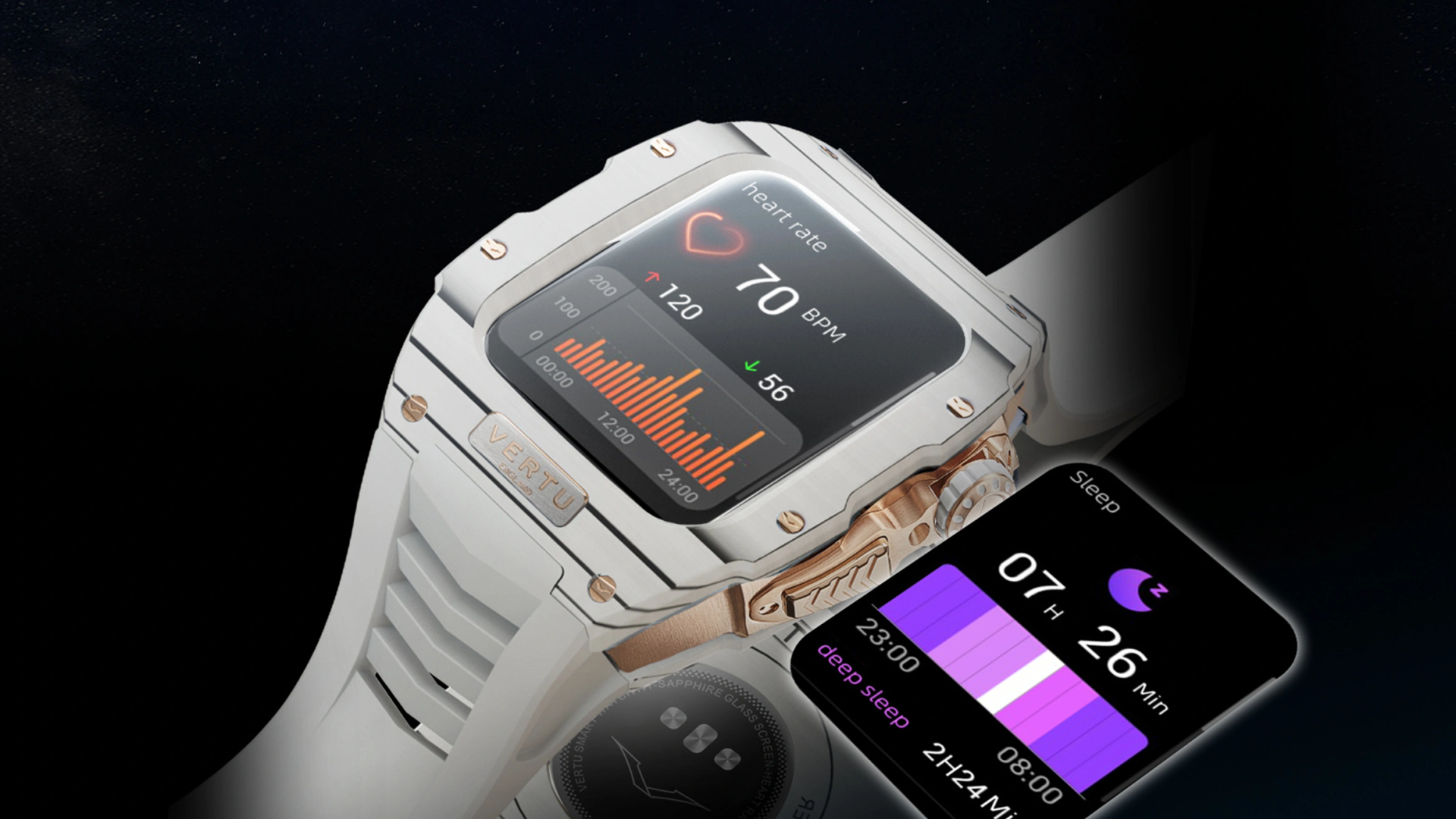
The planned product association for this topic named the VERTU Agent Watch. VERTU's current product knowledge base describes Agent Watch variants with fluoroelastomer straps, not metal link bracelets. It would therefore be inaccurate to use Agent Watch as an example of metal-link hair pulling or link removal. It is relevant only as a different strap construction for a reader considering whether a metal bracelet suits them.
If you are considering another VERTU watch with a metal bracelet, confirm the exact configuration and adjustment method from its current product information before buying or resizing. The VERTU guide to bracelet sizing and link removal explains the importance of identifying the specific bracelet mechanism. It does not turn one model's procedure into a universal instruction for another.
When to seek an adjustment or repair
Ask a qualified retailer or service centre for help when a single link catches repeatedly, the clasp feels insecure, a pin appears to protrude or the bracelet needs more than a simple maker-approved adjustment. Take the watch, spare links and any instructions with you. Describe whether the issue is hair pulling, skin pinching or both. A professional can inspect the part under magnification and confirm whether sizing, cleaning or replacement is appropriate.
After an adjustment, wear the watch long enough to test ordinary movement before accepting the fit. Raise and lower the hand, bend the wrist, type and walk. A bracelet should not need to be painfully tight to stay in place. If a different strap is being considered, verify compatibility with the exact case and attachment system; appearance alone cannot confirm that a strap is safe to fit.
Frequently asked questions
Why does my watch bracelet pull arm hair?
Hair can catch as moving links open and close against the skin. Excess sliding, accumulated dirt or one damaged link may make the problem more noticeable. Locate the point of catching before changing the fit.
Will removing a link stop the pulling?
Not necessarily. Shortening may reduce sliding, but it can also increase pressure and pinching. Check whether the clasp has fine adjustment and ask a retailer to assess the fit before removing a full link.
Can I adjust a metal bracelet myself?
Only if the maker provides a procedure and the correct tools for that exact bracelet. Pins, screws and clasps differ. If the method is unclear, use an authorised retailer or watch service.
Should I keep wearing it until it feels better?
No, persistent pain or a damaged clasp calls for inspection. Remove the watch if it breaks the skin, catches sharply or may open unexpectedly. Seek appropriate professional advice for continuing skin symptoms.
Conclusion
A metal bracelet that pulls hair or pinches deserves diagnosis before resizing. Find the precise catch point, inspect link and clasp condition, and test fit across normal movement. Clean and dry the band according to the maker's guidance, then have a qualified service adjust or repair the specific watch if needed. Comfort should come from a sound fit and intact components, not from tolerating a painful bracelet.