Key Takeaways
Ergonomics Precede Technology: An everyday smart chain fails at the neck or wrist long before its digital sensors become obsolete.
Inspect Physical Construction: Evaluate link joins, wall thickness, and crystal durability rather than relying on promotional metal stamps.
Contextualize Smart Utility: Treat optical health sensors as directional wellness indicators and discount manufacturer battery estimates against real-world usage.
Audit Digital Custody: Prioritize on-device cryptographic key storage, clear privacy policies, and verified over-the-air security patches.
Evaluate Hardware Serviceability: A genuine luxury piece must offer viable paths for strap replacement, battery maintenance, and long-term brand support.
Choosing a smart chain or luxury connected wearable for everyday rotation comes down to five fundamental checkpoints: whether the dimensions match your neck and wrist, how the physical metallurgy holds up to friction and moisture, whether the digital capabilities fit your daily routine, how the platform secures your sensitive data, and what the piece will be worth over years of ownership.
Failing to evaluate any one of these criteria usually leads to an abandoned device or a costly second purchase. This guide walks through each criterion in logical sequence, providing concrete verification points before you invest in high-end connected jewelry.
Prerequisites: Essential Measurements Before Comparing

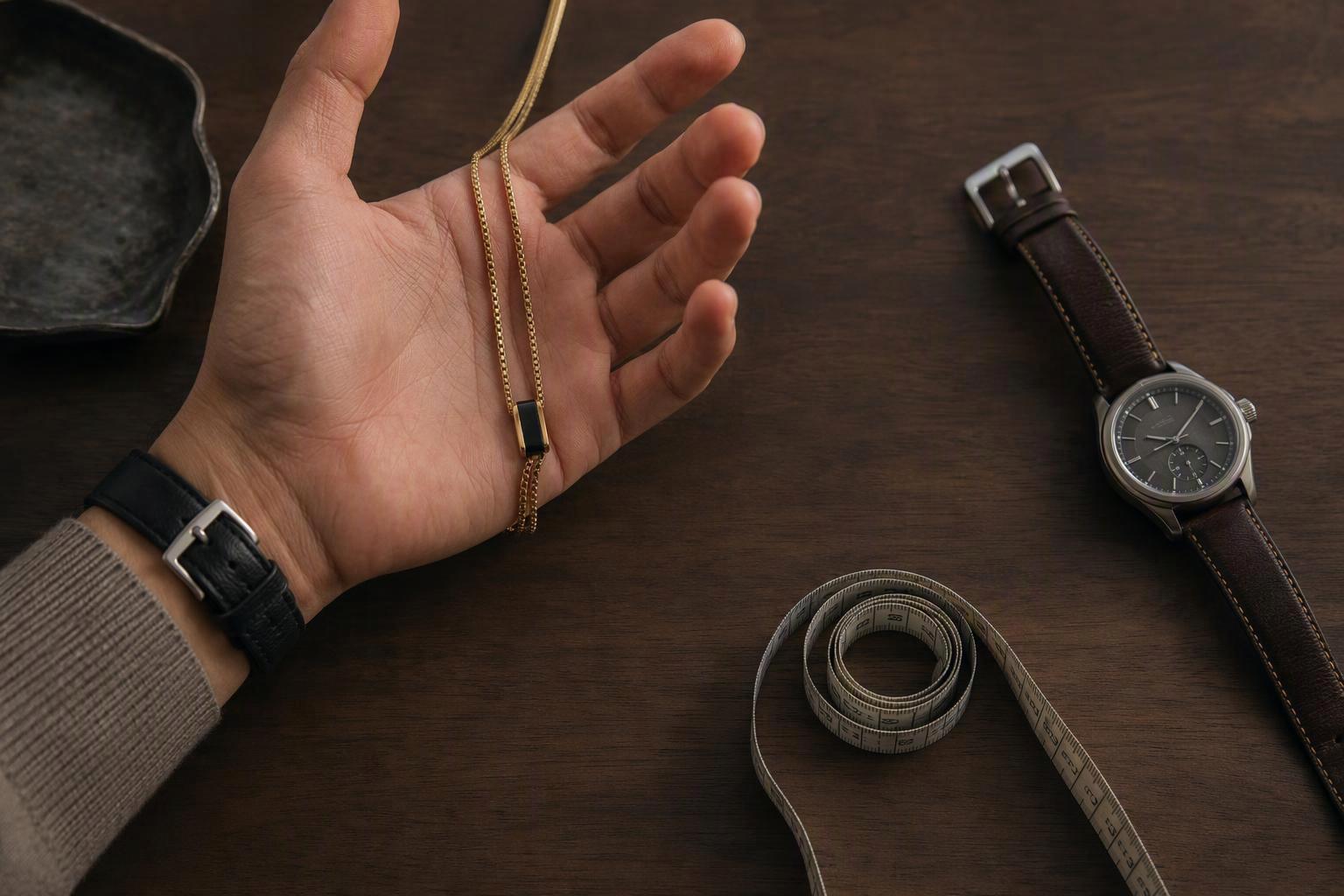
Every sound buying evaluation relies on your individual physical baseline. Gather four primary data points before browsing:
Exact neck circumference measured with a flexible tape at the collarbone.
Narrowest wrist circumference measured flush against the skin.
A realistic audit of your daily wardrobe, identifying collar styles and watch pairings.
A defined long-term budget that factors in maintenance and software access.
In contemporary jewelry styling, everyday chain lengths for women typically sit between 16 and 18 inches, with an 18-inch median providing balanced resting position. The everyday baseline for men generally spans 20 to 22 inches. For wrist-worn modules, lug widths typically range from 14 to 24 mm—with 20 mm standing as the broad industry median—fitting wrist circumferences roughly between 165 and 210 mm(CNS Watch Bands, retrieved 2026-06-10).
Treat these figures as comparative benchmarks. Always let your direct physical measurements guide the selection.
Step 1: Match Chain Proportions to Your Neck and Wrist
Proportion is an aesthetic and functional requirement. A connected chain that feels unbalanced will quickly be relegated to a jewelry box, regardless of its computational capabilities.
Everyday chain widths generally fall into clear structural categories:
Refined Daily Base (1.5 to 1.9 mm): Discreet, lightweight, and ideal for effortless layering.
Balanced Everyday Median (1.7 to 2.5 mm for women; 3.0 to 4.0 mm for men): Substantial enough to sit flat without pulling, providing balanced presence for all-day wear.
Statement Daily Foundation (3.0 to 3.5 mm for women; 4.0 mm and above for men): A deliberate visual centerpiece designed to be worn independently.
When pairing a modular smart chain or connected housing with a timepiece strap, precision is critical. A 20 mm lug case requires an exact 20 mm strap end; mismatched tolerances leave spring bars vulnerable to torsion and failure. A properly proportioned piece settles naturally into your routine, remaining comfortable through morning commutes, desk work, and formal evening gatherings.
Verification Checkpoint: Confirm your ideal chain width in millimeters and verify that your strap lug dimensions match the case tolerances down to the exact millimeter.
Step 2: Inspect Metallurgy, Link Architecture, and Crystals
The metallurgical mark on an item tells only part of the story. Structural integrity depends heavily on internal engineering and assembly techniques.
Solid vs. Hollow Links
A 14K solid, soldered link design will consistently outlast an 18K hollow stamped construction in daily use. Hollow links are essentially thin metallic shells; while light, they are prone to permanent dents under minor impact and are notoriously difficult to repair. Solid links withstand daily friction and retain structural integrity under tension.
Joint Construction
Examine the seam of every link:
Soldered and Welded Joints: Permanently fused seams that resist twisting, snags, and gradual mechanical fatigue.
Pressed or Machine-Folded Seams: Visible mechanical joints that can open under sudden force or long-term wear.
Material Hardness and Display Protection
While 18K gold presents richer natural coloration, 14K gold contains a higher proportion of strengthening alloy metals, making it more resistant to surface scratching. Surgical-grade 316L stainless steel and aerospace titanium deliver exceptional dent resistance.
For hybrid smart pieces featuring interactive displays, synthetic sapphire crystal remains the undisputed luxury standard, effectively repelling the micro-scratches that degrade standard mineral glass.
Verification Checkpoint: Identify whether the link construction is solid or hollow, verify that every joint is permanently soldered, and ensure any display window uses authentic sapphire crystal.
Step 3: Evaluate Smart Capabilities Against Your Real Routine
Evaluate connected capabilities through the lens of what you actually use while moving through your day, rather than the length of an advertising specification sheet.
Sensor Precision and Wellness Context
Consumer optical sensors deliver valuable directional tracking for resting trends and recovery patterns. However, peer-reviewed clinical research published in npj Digital Medicine indicates that optical wrist sensors exhibit a mean absolute error of roughly 7 to 10 beats per minute during active physical exertion, with motion artifacts reducing precision by approximately 30%. View your wrist biometrics as informative daily trends rather than diagnostic medical readings.
Real-World Battery Performance
Battery life dictates whether a smart chain stays on your body or sits on a charging dock. While technical specifications often quote maximum standby durations under factory conditions, practical autonomy decreases once continuous sensor sampling, active displays, and background notifications are engaged. Calculate your weekly charging cycle to ensure it aligns with your sleep-monitoring habits.
Verification Checkpoint: Calculate how many times per week the unit requires charging under your personal usage profile, and confirm that this interval fits seamlessly into your lifestyle.
Step 4: Audit Security Architecture and Data Privacy
When a smart wearable manages encrypted credentials, personal communications, or physical biometric histories, security becomes paramount. Consumer privacy studies by Deloitte highlight that nearly half of connected device users express active concern over how their personal health and device data is collected, stored, and monetized.
Examine four technical points for every candidate piece:
Data Custody: Identify whether health logs reside strictly on-device, sync to a vendor cloud, or allow full personal export and deletion.
Cryptographic Key Storage: If the piece supports Web3 or transaction protocols, verify whether it uses dedicated on-device hardware security elements or off-site third-party custody.
Firmware Integrity: Ensure the device supports secure over-the-air (OTA) updates to patch vulnerabilities without requiring legacy docking hardware.
Regulatory Prudence: Heed regulatory consumer safety guidance from agencies like the FDA, which caution against devices making unsubstantiated claims regarding non-invasive physiological testing.
Verification Checkpoint: Confirm in writing where your historical records are stored, who holds your cryptographic keys, and whether you retain total control to wipe the hardware at end-of-life.
Step 5: Weigh Serviceability, Longevity, and Retained Value
The final consideration separates temporary consumer gadgets from true luxury investments: how the piece performs three to five years after purchase.
Connected technology depreciates at the speed of microprocessors, whereas fine jewelry retains inherent value through metallurgy, craftsmanship, and repairability. Navigating this balance requires treating a smart piece as a fine design investment supported by an active service structure.
Ask three essential service questions before purchasing:
Can the physical strap or chain link be swapped without proprietary tools?
Does the brand offer dedicated battery replacement once cell degradation occurs?
Can the display module or internal chassis be repaired by certified technicians?
A product backed by long-term manufacturer servicing remains wearable for years, whereas unserviceable designs become disposable the moment their battery capacity fades.
Verification Checkpoint: Identify the authorized repair path for the strap, internal power cell, and outer crystal before finalizing your purchase.
Spotlight: The VERTU Fusion Watch Collection
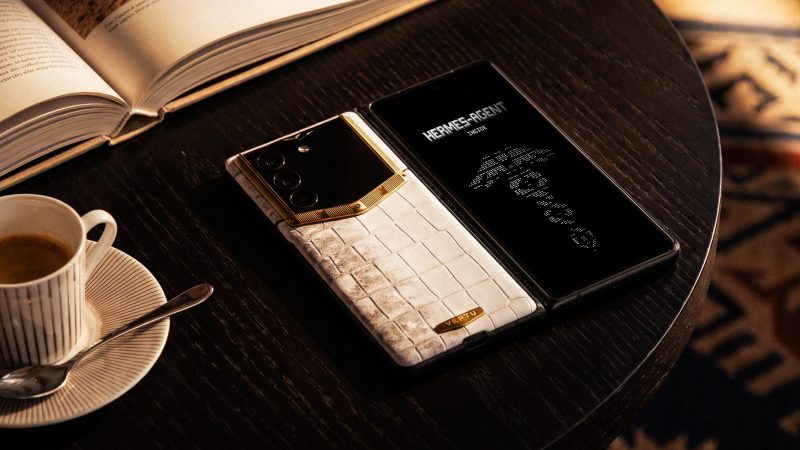
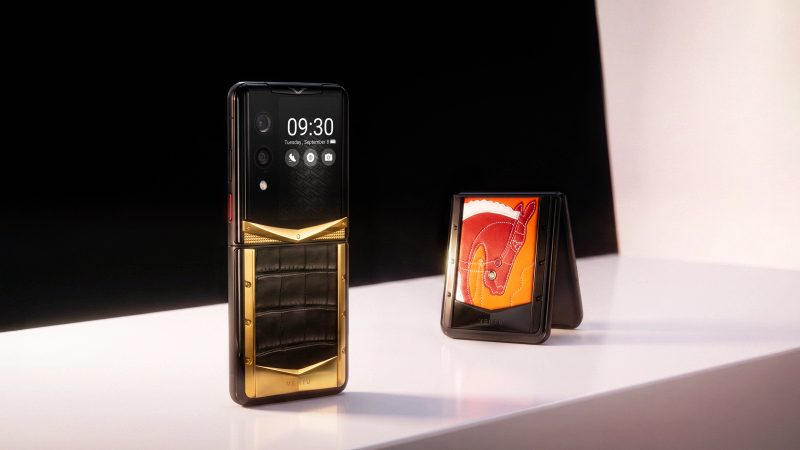
For individuals seeking a seamless synthesis of traditional fine jewelry craftsmanship, durable materials, and advanced digital infrastructure, the VERTU Fusion Watch collection offers a compelling benchmark.
Founded in 1998, VERTU pioneered luxury mobile craftsmanship, utilizing sapphire crystal displays, bespoke exotic leathers, and titanium frames assembled by single master artisans. The Fusion Watch extends this heritage into modern connected horology and smart accessories.
Craftsmanship and Structural Architecture
Resilient Sapphire Crystal: The touchscreen is shielded by high-purity synthetic sapphire crystal, delivering exceptional scratch resistance and crystal-clear optical depth.
Aerospace-Grade Materials: Selected models incorporate forged carbon fiber cases and aerospace-grade alloys, pairing high impact resistance with an ultra-lightweight profile.
Performance FKM Straps: Engineered using fluoroelastomer (FKM) compounds rated for extreme environmental stability across temperature swings from −40 °C to +225 °C, resisting sweat, moisture, and chemical deformation far more reliably than conventional rubber.
Advanced Security and Personal Concierge
Proprietary Web3 Architecture: Powered by a specialized high-performance chip supporting direct Web3 and blockchain asset security, ensuring that decentralized interactions are shielded by hardware-level encryption.
Cable-Free Maintenance: Features seamless over-the-air (OTA) firmware delivery for effortless security updates.
Dedicated 24/7 Concierge: Bridges digital utility with legendary hospitality, granting owners continuous access to personalized global concierge services right from their wrist.
The VERTU Fusion Watch collection serves as a prime example of an everyday smart wearable designed with the permanence, materials, and support network of true luxury goods.
Common Mistakes to Avoid
Selecting Metal solely by Karat Weight: Choosing softer 18K or hollow gold for a high-friction daily chain often results in crushed links and premature structural failure.
Accepting Folded Seams: Purchasing chains with open, mechanically pressed seams invites snagging and catastrophic breaks under ordinary tension.
Relying on Standby Battery Claims: Expecting advertised standby estimates to reflect real-world operation leads to unexpected battery depletion when tracking sensors are active.
Confusing Directional Trends with Clinical Tests: Relying on consumer-grade optical sensors for medical evaluations rather than treating them as helpful wellness baselines.
Connecting Unverified Financial Wallets: Pairing a device to valuable digital assets without confirming whether private keys are stored within a certified on-device secure enclave.
Frequently Asked Questions
How long does an everyday smart chain evaluation take?
A thorough assessment typically requires approximately 90 minutes spread over two sessions. Spend 20 minutes capturing baseline body measurements, 30 minutes verifying metallurgical link construction, 20 minutes evaluating practical digital utility, and 20 minutes auditing data security and long-term service options.
Can a luxury smart chain be worn during swimming or showers?
Water safety depends entirely on engineering certifications rather than retail price. Devices with IP68 ratings provide strong defense against rain, splashes, and accidental immersion. However, pressurized water, steam, and soaps accelerate the breakdown of internal gaskets. Hot showers and deep swimming should be avoided to preserve delicate seals.
Why do lug measurements require such strict precision?
Lug width determines the mechanical interface between the casing and the strap. Installing an undersized strap leaves the spring bar exposed to lateral shearing, while an oversized strap pinches and stresses the mounting pins, risking sudden hardware loss.
Can optical wellness tracking replace professional medical monitoring?
No. While advanced wearables provide excellent visibility into resting wellness patterns, cardiovascular trends, and sleep quality, clinical studies show their performance can fluctuate during high-intensity motion. They are designed for lifestyle optimization rather than clinical diagnosis.
How are luxury smart wearables maintained over multi-year ownership?
Digital maintenance occurs via over-the-air updates, ensuring protocol security without specialized cables. Physical preservation relies on authorized servicing networks; for example, VERTU manages customer repairs, strap refits, and hardware servicing through its dedicated concierge channel.
Conclusion
Selecting a luxury smart chain or connected timepiece for everyday rotation comes down to balancing fine jewelry traditions with modern digital engineering.
When you evaluate fit based on your exact body measurements, insist on solid soldered link construction, treat connected metrics as directional wellness trends, require verifiable data security, and choose designs supported by authentic lifetime servicing, you protect both your personal style and your financial investment.
A true luxury wearable should never feel like a fragile electronic accessory destined for quick obsolescence. By applying these five sequential standards, you can confidently invest in an everyday piece—such as the artisanal, sapphire-shielded VERTU Fusion Watch—that enriches your daily routine with enduring craftsmanship, sophisticated utility, and timeless confidence.