| Feature | WHOOP MG | Oura Ring 4 | Apple Watch Series 11 | Withings ScanWatch 2 |
|---|---|---|---|---|
| Form Factor | Wristband (No Screen) | Ring | Smartwatch | Hybrid Smartwatch |
| Key Medical Feature | Medical-Grade ECG & BP | Symptom Radar & Temp | Hypertension Notifications | Irregular Heart Rate Alerts |
| Battery Life | ~5 Days | ~7 Days | ~24 Hours | ~30 Days |
| Primary Ecosystem | Platform Agnostic | Platform Agnostic | Apple (iOS) | Platform Agnostic |
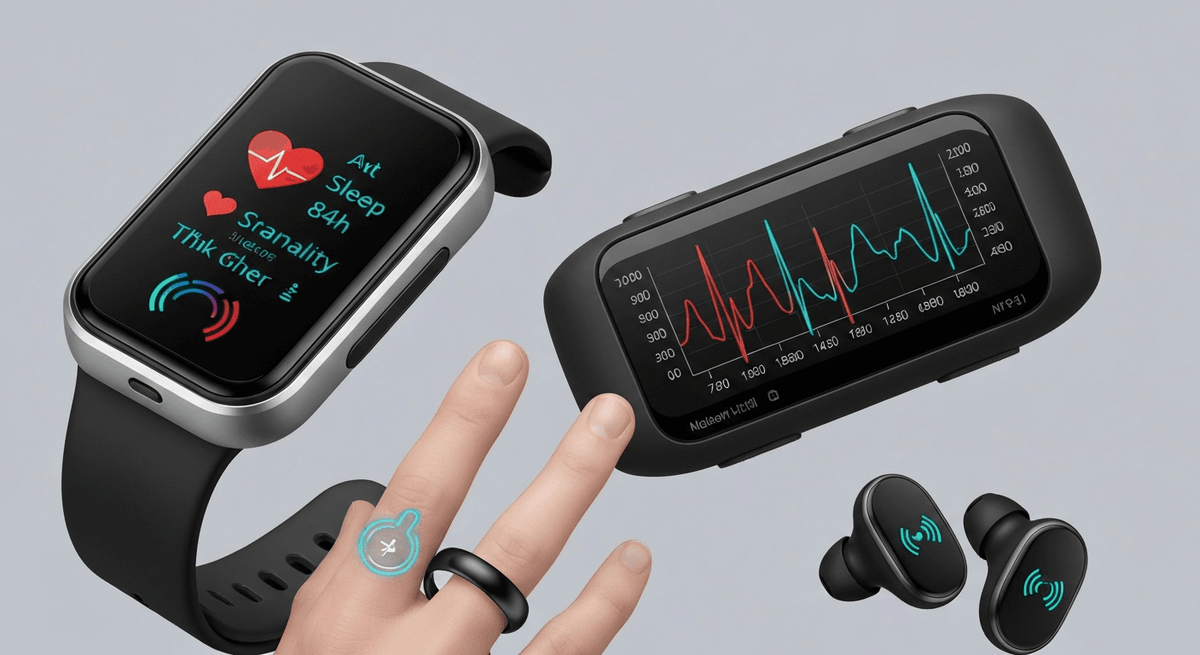
Forget just counting your steps. In 2026, the device on your wrist is a silent guardian, constantly analyzing your body’s subtle signals for a complete picture of your health. It's no longer about fitness alone; it's about predictive, personalized wellness right at your fingertips.
This evolution has transformed personal health technology into a sophisticated command center. It offers insights that were once confined to a doctor's office. Modern wearables monitor diverse health metrics that paint a far more detailed and actionable portrait of your well-being.
This article explores these cutting-edge capabilities. We will uncover how this sophisticated data empowers you to take control of your health. Discover how these devices are revolutionizing personal wellness and patient care in 2026.
Top 7 Wearables Monitoring Diverse Health Metrics in 2026
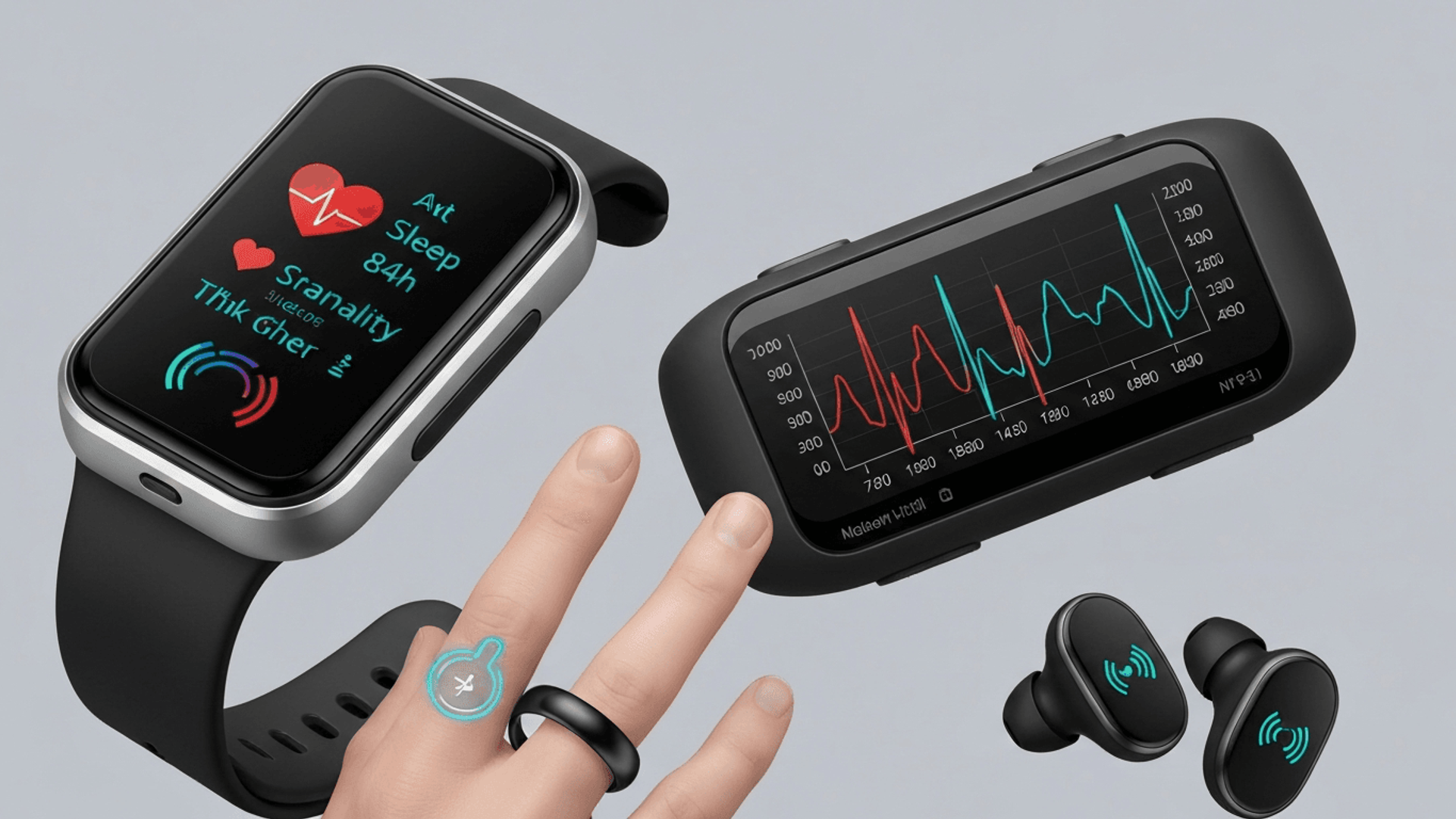
By 2026, the landscape of personal health technology has evolved far beyond simple step counting. The latest generation of wearables monitor diverse health metrics with clinical precision. This offers users unprecedented insights into their well-being.
These devices serve as 24/7 health companions. They translate complex biometric data into actionable guidance for a longer, healthier life. From rings to watches and specialized sensors, here are the top devices leading the charge.
1. WHOOP MG
The WHOOP MG elevates health tracking to a clinical level. It provides a medical-grade ECG, continuous blood pressure monitoring, and AFib detection. This delivers a holistic view by tracking sleep, strain, recovery, and stress.
Its AI coaching synthesizes this data to offer personalized longevity insights. This helps you optimize daily routines for peak performance and long-term health.
2. Oura Ring 4
For those who prefer a more discreet form factor, the Oura Ring 4 packs comprehensive health monitoring into a stylish ring. It tracks heart rate, blood oxygen, body temperature, and detailed sleep stages. Its Symptom Radar can preemptively flag potential illness.
3. Apple Watch Series 11
The Apple Watch Series 11 remains a top choice for iPhone users. With a 24-hour battery life, it reliably monitors advanced sleep metrics and provides hypertension notifications. It also features an ECG for on-demand heart rhythm checks.
4. Google Pixel Watch 4
Designed as the premier health companion for Android users, the Google Pixel Watch 4 leverages the power of Fitbit's ecosystem. It features enhanced sleep monitoring, skin temperature sensing, and dual-frequency GPS. Its AI-enabled Personal Health Coach offers personalized guidance based on your data.
5. Withings ScanWatch 2
The Withings ScanWatch 2 masterfully blends the elegance of a classic analog watch with modern health technology. It specializes in heart rate, temperature, and sleep tracking. Its most compelling feature is an incredible 30-day battery life.
6. Garmin Venu 3S
The Garmin Venu 3S is an all-around powerhouse for fitness enthusiasts. This device features ECG capabilities and tracks sleep, energy levels (Body Battery), and blood oxygen. It also includes thoughtful lifestyle features like onboard music storage.
7. Dexcom Stelo CGM
A game-changer for metabolic health, the Dexcom Stelo CGM offers insights previously limited to diabetics. This device uses a small sensor to send real-time glucose updates to your smartphone. It empowers users to understand how diet and exercise impact energy levels.
The Expanding Spectrum of Health Metrics in 2026
The landscape of personal health has been fundamentally reshaped by wearable technology in 2026. While once limited to tracking steps and basic heart rate, today's devices offer a sophisticated suite of sensors. Modern wearables monitor diverse health metrics , providing a data-rich window into physiology.
These advanced devices now routinely monitor core physiological signals that offer deeper context. Metrics such as body temperature, blood oxygen saturation (SpO2), and heart rate variability (HRV) are now standard. HRV has become a key indicator of the body's stress response and recovery status.
Sophisticated sleep tracking is another cornerstone of modern health monitoring. Wearables now break down sleep into its crucial stages—light, deep, and REM. This granular information helps users correlate lifestyle choices with their sleep quality.
A significant leap is integrating clinical-grade monitoring into consumer devices. Features like on-demand ECG, blood pressure trends, and non-invasive glucose monitoring are now accessible.
These capabilities revolutionize mobile health by democratizing access to vital health information.
| Metric Category | Traditional Wearables (Pre-2020) | Advanced Wearables (2026) |
|---|---|---|
| Activity | Steps, Distance, Calories | Steps, Distance, Active Zone Minutes |
| Cardiovascular | Basic Heart Rate | ECG (for AFib), Blood Pressure Trends, HRV |
| Physiological | None | SpO2, Skin Temperature, Respiration Rate |
| Metabolic | Not Available | Continuous Glucose Monitoring (CGM) Trends |
| Recovery | Basic Sleep Duration | Advanced Sleep Stages (REM, Deep), Sleep Score |
This integration of diverse health metrics fosters a holistic view of an individual's health. It connects cardiovascular function, metabolic health, sleep quality, and stress levels. This comprehensive dataset is the foundation for proactive health monitoring.
Finally, the data exchange between wearables and mobile health apps has become increasingly seamless and secure. This interoperability empowers individuals with actionable insights. It also allows them to share curated data with healthcare providers for enhanced patient care.
Choosing Your 2026 Health Tracker: A Buying Guide
Selecting the right health tracker or smartwatch in 2026 is a highly personal decision. The ideal device seamlessly integrates into your life. It provides actionable insights without being a burden.
First, define your primary health goals. Your goals directly determine which health metrics are most valuable. For cardiovascular health, a device with a certified ECG function is essential.
Practicality is key for continuous health monitoring. Battery life is a crucial factor; a device that’s always charging isn't collecting data. Equally important is the digital ecosystem that syncs effortlessly with your smartphone and health apps.
Finally, comfort and design dictate consistency. A device you don't enjoy wearing won't provide the long-term data needed for meaningful trends. Choose a form factor you'll comfortably wear 24/7.
| Device Style | Primary Focus | Ideal User |
|---|---|---|
| Smartwatch Hybrid | Medical-grade tracking, classic design | User wanting advanced health data in a traditional watch form. |
| Discreet Ring | Sleep, recovery, and temperature tracking | Individual seeking minimalist tech and unobtrusive monitoring. |
| Subscription Band | Performance, strain, and recovery coaching | Athlete or fitness enthusiast focused on optimization. |
Ultimately, the best health tracker for you is one that aligns with your specific health journey. It should match your lifestyle and aesthetic preference. This empowers you with consistent and reliable data.
FAQ (Frequently Asked Questions)
Q1: What new health metrics can wearables track in 2026?
A1: By 2026, wearables track advanced metrics like ECG for AFib detection, blood pressure trends, and continuous glucose levels. They also monitor blood oxygen (SpO2), skin temperature, and detailed sleep stages, offering a comprehensive view of your health.
Q2: Can wearables replace a doctor's visit?
A2: No, wearables are for monitoring and informational purposes only. While they provide valuable health data to share with your doctor, they cannot diagnose conditions. Always consult a healthcare professional for medical advice and diagnosis.
Q3: How do I choose the right wearable for my health goals?
A3: First, define your primary goal, such as fitness, sleep, or heart health. Then consider battery life, comfort, and how well it syncs with your phone. A device with ECG is vital for heart health, while others excel at recovery tracking.
Conclusion
In 2026, wearable technology has revolutionized personal health. Devices now monitor diverse health metrics, moving beyond steps to include ECG, blood pressure, and glucose levels. This provides a deep, actionable understanding of your overall well-being.
Now is the time to take control of your wellness journey. Explore the devices that align with your health goals and start leveraging your personal data for a healthier life. Share these insights with your doctor to build a proactive and personalized care plan today.