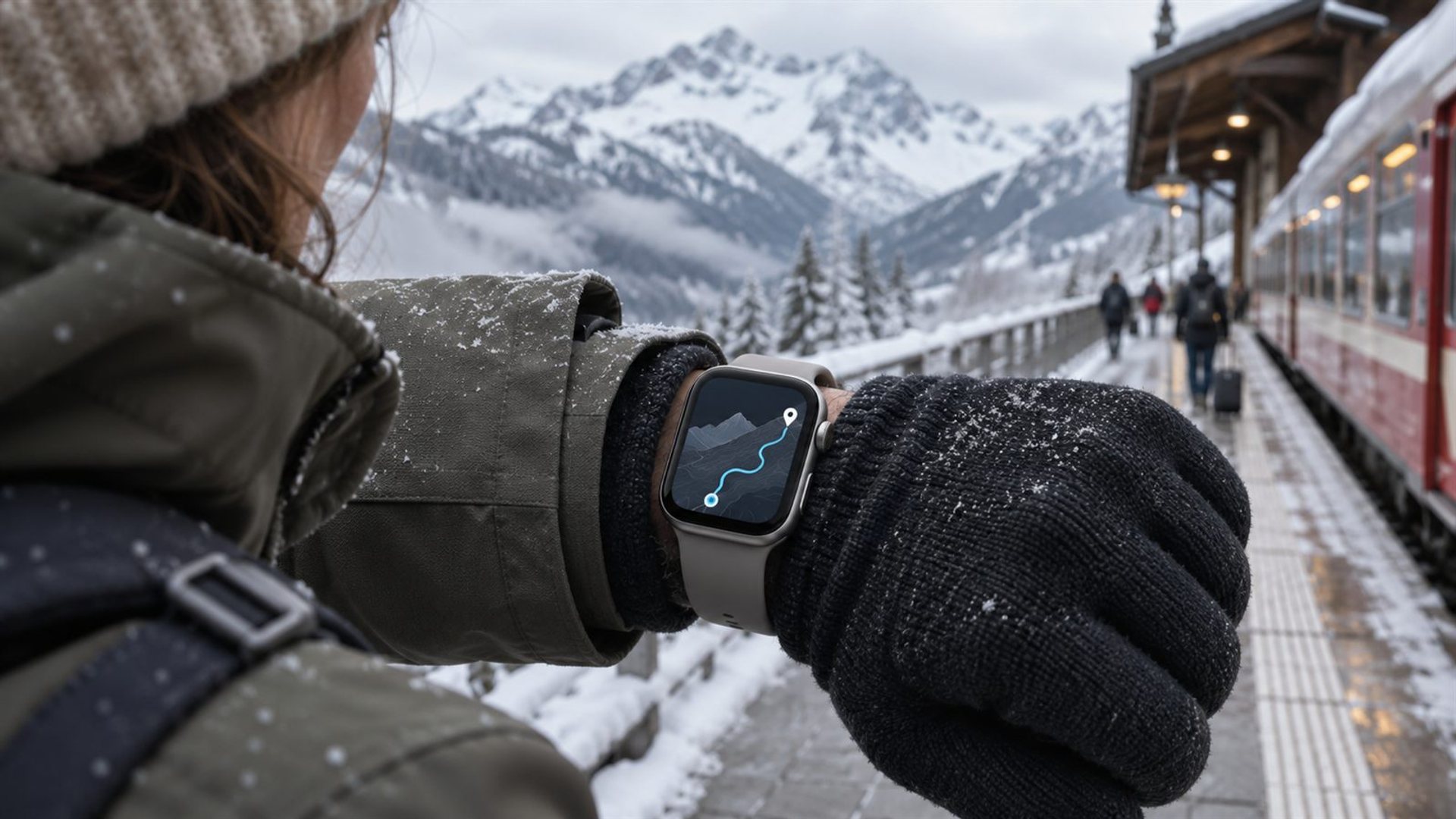
The best smartwatch for cold weather depends on where you will travel and what you expect the watch to do. Start with the exact model's documented operating range. Then compare battery life under your intended GPS and display settings, controls you can use with gloves, strap fit over winter layers, and a realistic charging plan. A high price or rugged appearance is not a temperature rating.
A city commute, a ski holiday and a remote winter route are different assignments. A watch that needs to display a boarding pass indoors is being used differently from one expected to record a long outdoor track. Define the job before comparing models, and carry a separate navigation or communication backup when a missed signal would have serious consequences.
What does an operating temperature range actually tell you?
A manufacturer's published operating range is the first specification to check. It identifies conditions under which the brand recommends using the exact device, but it does not by itself promise a particular battery duration, touchscreen response or measurement quality at the cold end. Read charging and storage limits separately: a watch may tolerate colder conditions while worn than while it is being charged.
For a concrete illustration, Apple's current temperature guidance says Apple Watch Series and SE models work best at ambient temperatures of 0–35°C, while Apple Watch Ultra models have a stated wearing range of −20–55°C. Apple specifies a different 0–35°C range for charging Ultra. These figures apply only to the Apple models named in that document. They are examples of why model-specific documentation matters, not substitute specifications for other brands.
Garmin's Venu 2 owner manual lists an operating range from −20 to 50°C and notes that actual battery life depends on enabled features such as GPS, notifications and sensors. It would be misleading to transfer that range to another Garmin model, let alone a different manufacturer. Look up the manual for the exact watch and edition you are considering.
How should you compare battery life for a winter trip?
Ask which battery figure describes your use. “Smartwatch mode” may assume a different mix of screen activity and GPS from a full day recording a route. Cellular connectivity, frequent notifications, continuous display and navigation can all increase demand. A quoted maximum is a comparison point only when the test conditions are disclosed and match the journey you plan.
Cold can reduce the power available from a battery. Apple warns that Apple Watch battery life may be shorter in cold conditions. Build margin into your plan rather than extrapolating a warm-room brochure figure to an entire day outside. If you need route guidance all afternoon, recharge before departure, know where the next opportunity to charge will be, and retain an offline map or another device as backup.
For a buyer comparing two models, write down the same workload for each: hours outside, hours of route recording, display behaviour, whether the phone is nearby, and expected notification volume. Then seek independent tests or manufacturer figures that use those settings. If the evidence does not permit an equal comparison, say so. A watch with a larger stated battery can still disappoint if the chosen mode draws substantially more power.
Can you use the controls with winter gloves?
Try the actual controls while wearing the gloves you will take. Touchscreens may be difficult to operate through thick fabric; physical buttons, crowns or a simplified screen can make a meaningful difference. Apple notes that a touchscreen may not respond as expected in very low ambient temperatures or when temperature changes rapidly. That does not prove every model behaves the same way, but it gives a specific question to test.
Open the functions you are most likely to need outdoors: time, route, timer, call or emergency contact. Check whether you can read the display without turning brightness up so far that it affects battery use. If you must remove a glove every time, consider whether the watch is actually useful for your intended activity. A glove-compatible claim should be evaluated with your own glove thickness and the watch's control layout.
Will the strap fit under sleeves and over layers?
A watch should remain secure and comfortable under a jacket cuff. The strap must have enough adjustment for a winter wrist while still keeping any optical sensor in the position specified by the manufacturer. A loose watch can shift during walking; an overly tight one becomes uncomfortable when the wrist changes size during the day. Check the clasp with gloves on and confirm that it cannot catch a sleeve easily.
Some travellers prefer to wear a watch over a thin layer for easier viewing. Do not assume that wrist-based heart-rate or other skin-contact readings will work through clothing. If measurements matter, follow the watch maker's placement instructions and treat over-sleeve wearing primarily as a display and control arrangement. Test the strap with the actual base layer before buying an accessory strap.
Material choice is also practical. Feel the strap and clasp indoors and outside, examine whether it dries readily after snow or rain, and follow the maker's cleaning instructions. A comfortable fitting matters more than an abstract claim that one material is “best for winter.”
What navigation and safety features matter?
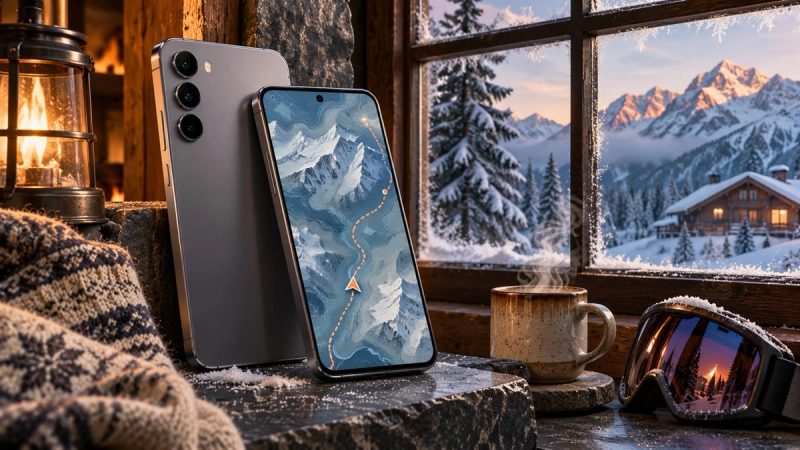
Decide whether you need a watch to show a simple direction, record a route or provide independent communication. These are different capabilities. Verify offline map availability, location-system support, phone dependence and the regional availability of cellular features for the exact model. A watch with satellite positioning is not automatically an emergency communication device.
Before a trip, try starting and ending a route, reading it under a sleeve, and recovering if the watch or paired phone loses power. Download maps and destination details on a separate device when possible. In unfamiliar terrain, use the appropriate dedicated navigation tools and travel procedures rather than treating any consumer watch as a single safety system.
How do VERTU watches fit this decision?
VERTU's Agent Watch is described in the brand knowledge base as having a fluoroelastomer strap, sports tracking and five-system satellite positioning. Those are relevant questions to explore for active travel, but the source does not establish a cold-weather operating range or tested winter battery duration. Ask for model-specific documentation before making either claim.
Grand Watch and Fusion Watch are separate VERTU collections. Their names and collection pages are verified, yet the brief available here does not support a numerical winter comparison among the three families. An informed buyer should compare the exact edition's published specifications, inspect the strap and controls, and test the intended use. A collection name alone is not a promise of outdoor performance.
For a cold-weather trip, rank the requirements in order: documented temperature suitability, ability to operate the watch with gloves, battery margin for the chosen workload, comfortable fit, and a dependable fallback. This framework can identify a good match even when marketing descriptions use very different language.
Frequently asked questions
Does a wider temperature range make a watch best for winter?
No. It is an important eligibility check, but battery use, controls, fit and the specific task also matter. Compare only exact-model documentation and avoid assuming a range guarantees performance at every temperature within it.
Can I charge a smartwatch immediately after it has been outside?
Check its charging range and let an extremely cold watch return gradually to a suitable indoor temperature. Google advises waiting until an exposed Fitbit device reaches room temperature before charging or using it after extreme cold; instructions for other models may differ.
Is GPS battery life the same as everyday battery life?
No. GPS recording can draw substantially more power than ordinary timekeeping and notifications. Use the manufacturer's estimate for the mode you will actually run, and allow for cold-weather uncertainty.
Should I wear a smartwatch over a jacket sleeve?
It can improve visibility if the strap fits securely, but skin-contact sensors may not work as intended through fabric. Follow the model's fitting guidance and test the arrangement before travel.