| Feature | Standard Smartphone | High-Security Device |
|---|---|---|
| Operating System | Manufacturer Stock OS | Hardened/Privacy-Focused OS |
| App Isolation | Basic Permissions | Strict Sandboxing |
| Hardware Access | Software Toggles | Physical Kill Switches |
| Boot Integrity | Standard Boot Loader | Cryptographically Verified Secure Boot |
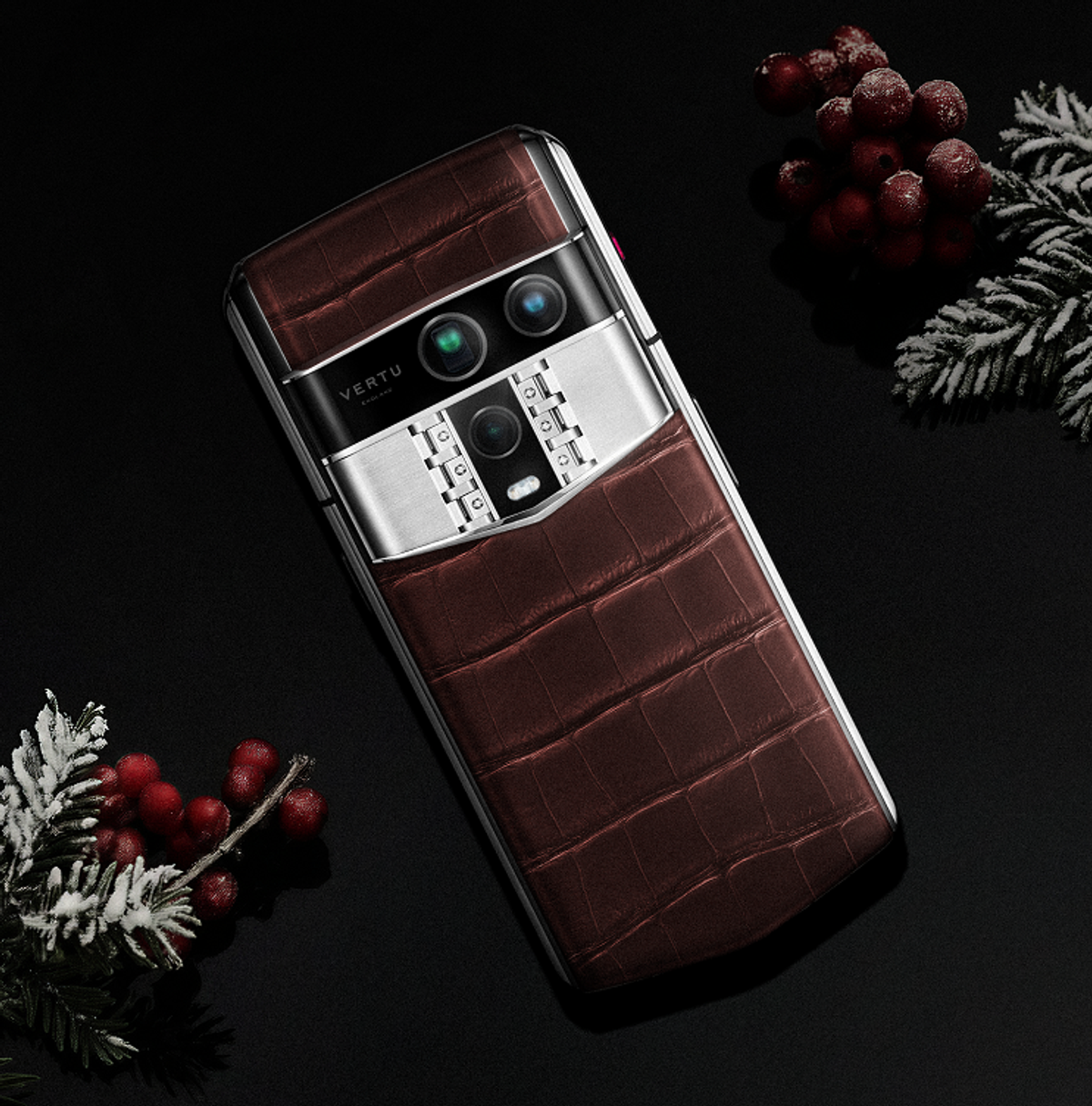
In an era where digital surveillance and cyber threats are escalating at an alarming rate, the security of your personal device has never been more precarious. As we move beyond legacy devices like the Librem 5, the quest to identify the world safest phone has become a top priority for privacy-conscious users across the United States. It is no longer just about locking your screen; it is about systematically protecting your data from sophisticated attacks and invasive tracking. This guide dives deep into the evolving landscape of mobile security, moving past simple hardware encryption to explore what truly defines a privacy-first device today. We will break down the essential security features you need to prioritize and present a detailed comparative analysis of the top contenders available this year. Whether you are a business professional handling sensitive data or a privacy advocate, this article provides the critical insights necessary to make an informed choice for your ultimate digital safety in 2025.
Defining the 'World Safest Phone' in 2025
As cyber threats evolve in sophistication, the criteria for the world safest phone have shifted dramatically. In 2025, security is no longer just a background feature; it is the defining characteristic of the user experience. A truly secure device offers peace of mind, transforming the mobile experience from a potential liability into a verified fortress of digital privacy.
What Does True Mobile Security Entail?
The world safest phone goes beyond simple hardware encryption or a fingerprint scanner. It encompasses a holistic approach involving secure operating systems, robust privacy controls, and a binding commitment to regular security updates to protect against data breaches and surveillance.
Security Insight: True safety requires a device that assumes a "zero-trust" environment , verifying every process from the moment the power button is pressed.
Users of these devices experience a sense of autonomy, knowing their data is shielded by layers of defense that standard consumer electronics often neglect.
Beyond Basic Encryption: OS, Updates, and Privacy Features
Understanding key security terminology like end-to-end encryption , secure boot , and sandboxing is crucial for evaluating a device's safety. While standard phones prioritize convenience, high-security devices prioritize isolation and verification.
Comparison: Standard vs. Secure Mobile Architecture
The US Market's Growing Demand for Secure Devices
The US market shows a clear trend towards increased consumer awareness of data privacy. Following several high-profile data leaks, there is a significantly higher demand for smartphones with enhanced protection against tracking and hacking in 2025. American professionals and privacy advocates are increasingly seeking devices that actively block unauthorized telemetry, ensuring that their digital footprint remains their own property.
Key Security Features to Look For in 2025
In the rapidly evolving landscape of cybersecurity, identifying the world safest phone requires scrutinizing the convergence of hardware and software architectures. By 2025, reliance on standard consumer safeguards is insufficient against sophisticated surveillance and data exfiltration. Users must prioritize devices that offer verifiable privacy through structural engineering rather than just marketing promises.
Hardware Kill Switches and Isolation
The most robust defense against digital intrusion is physical separation. Essential hardware features for 2025 include physical kill switches . Unlike software toggles, which malware or remote hackers can override, these switches physically sever the electrical circuit to critical sensors.
Microphone & Camera: A physical lever ensures that audio and video recording is electrically impossible when not intended.
Connectivity: Dedicated switches for Wi-Fi, Bluetooth, and Cellular modems allow for total "air-gapping" at the flick of a switch.
Furthermore, hardware isolation is critical. A secure device should isolate the baseband modem (which communicates with cell towers) from the main CPU and RAM. This prevents a compromised modem from accessing the phone’s main memory, effectively compartmentalizing potential threats.
The Power of Secure Operating Systems
Hardware is only as secure as the software driving it. When evaluating the operating system, look for open-source options or hardened versions of Android and Linux. These platforms prioritize user control, offering granular permission settings that prevent background data harvesting.
Key Insight: A truly secure OS operates on a "deny by default" principle, sandboxing applications to prevent them from accessing data they do not strictly need.
Comparison: Standard vs. Secure Operating Systems
| Feature | Standard Commercial OS | Hardened Security OS |
|---|---|---|
| Source Code | Closed/Proprietary | Open Source & Auditable |
| Data Telemetry | High (Ad-ID tracking) | Minimized or Disabled |
| Update Frequency | Delayed by Carriers | Rapid Security Patching |
| App Isolation | Limited Sandboxing | Strict Kernel-Level Isolation |
Understanding Encryption Chips and Biometric Authentication
To ensure your device is a true data safe, it must utilize dedicated encryption chips (often called Secure Elements). These distinct processors handle cryptographic keys and sensitive data separately from the main OS. Even if the primary software is compromised, the keys remain hardware-protected.
Robust biometric authentication complements this encryption. In 2025, look for devices utilizing local-only processing for biometrics—meaning your fingerprint or facial data never leaves the encryption chip and is never uploaded to the cloud. This combination of hardware-backed encryption and local authentication creates a formidable barrier against unauthorized physical and remote access.
2025 Top Secure Phones: A Detailed Comparison
In an era where digital privacy is constantly under siege, the search for the world safest phone has moved beyond simple passcodes. For 2025, true security means hardware isolation, hardened operating systems, and resistance to physical tampering. The following devices represent the pinnacle of mobile security, ranging from consumer-friendly options to military-grade encrypted hardware.
Purism Librem 5
The Purism Librem 5 is designed for those who demand absolute control over their hardware. Unlike standard smartphones, it features physical kill switches that sever the electrical circuits for Wi-Fi, mobile data, the camera, and the microphone.
"The Librem 5 ensures no surveillance or data mining by physically separating the cellular modem from the main CPU."
Running on the open-source PureOS , it avoids the "black box" nature of proprietary software. The device prioritizes longevity and user sovereignty with a user-replaceable battery, ensuring that the owner—not the manufacturer—controls the device's lifespan.
Bittium Tough Mobile 2C
Designed for government and enterprise use, the Bittium Tough Mobile 2C offers a unique Dual-OS architecture . Users can switch between a Hardened Android for general use and the proprietary Bittium Secure OS for sensitive communications.
Its physical construction is as robust as its software, boasting IP67 water resistance and MIL-STD-810G certification . Security features include an advanced secure element chip, a tamper-proof design that detects physical intrusion, and a secure offline mode that effectively "air gaps" the device. It provides complete end-to-end encryption for calls and messaging.
Fairphone 5
While famous for sustainability, the Fairphone 5 is a powerhouse for privacy enthusiasts. It promises exceptional longevity with 5+ years of software support . Users can opt for /e/OS , a "deGoogled" version of Android that removes tracking services while maintaining usability.
The device features an App Lounge that rates applications based on privacy. Hardware-wise, it utilizes verified boot and hardware encryption. Uniquely, it supports the Linux Postmarket OS and offers modular spare parts, allowing users to repair their own devices without compromising security through third-party shops.
Google Pixel Phones (with Custom OS)
Standard Google Pixels are secure, but when flashed with a custom OS like GrapheneOS , they become contenders for the title of the world safest phone . This combination offers a user-friendly interface while stripping away invasive tracking.
The Pixel hardware supports strong sandboxing and verified boot processes via the Titan M2 chip . With GrapheneOS, users benefit from rapid security updates and granular permission controls that far exceed standard Android capabilities, making it the preferred choice for privacy-conscious users who still need modern app compatibility.
Apple iPhone (Latest Models)
For the mainstream user, the latest Apple iPhone models remain a top-tier choice due to their integrated hardware-software ecosystem. Apple utilizes a Secure Enclave —a dedicated hardware coprocessor—to store confidential information like FaceID data and encryption keys.
Apple ensures end-to-end encryption for iMessage and FaceTime. Recent updates have introduced robust anti-spyware capabilities, such as Lockdown Mode , and a secure boot mechanism that prevents unauthorized software from loading during startup.
Unplugged UP Phone
The Unplugged UP Phone takes a radical approach to disconnecting. Its standout feature is a physical battery kill switch , ensuring the phone is completely unpowered and untrackable when necessary. It runs on LibertOS , a hardened Android variant designed to block trackers and provide real-time malware protection. It is built specifically to operate without Google services, ensuring secure browsing and data privacy.
Sony Xperia 10 III / C2
The Sony Xperia 10 III (specifically the C2 variant or when flashed) offers a distinct alternative by utilizing a Linux-based system . This device strikes a good balance between daily functionality and the security benefits of a non-Android Linux environment, reducing the attack surface significantly compared to mainstream operating systems.
Security Feature Comparison
| Device | Operating System | Key Hardware Feature | Best For |
|---|---|---|---|
| Purism Librem 5 | PureOS (Linux) | 3 Physical Kill Switches | Hardware Control Purists |
| Bittium Tough Mobile 2C | Dual-OS (Hardened Android + Secure OS) | Tamper-proof chassis & Secure Element | Government/Enterprise |
| Fairphone 5 | /e/OS (Optional) | Modular Repair & Verified Boot | Eco-conscious Privacy |
| Google Pixel | GrapheneOS (Custom) | Titan M2 Security Chip | Usability + Privacy |
| Unplugged UP Phone | LibertOS | Physical Battery Kill Switch | Disconnecting Completely |
Making the Informed Choice: Balancing Security and Usability in 2025
In the complex digital landscape of 2025, identifying the world safest phone requires more than just purchasing high-end hardware; it demands a strategic balance between impenetrable defense and daily functionality. A truly secure device is an ecosystem of choices, not just a product.
Considering Your Personal Threat Model
Your personal threat model—specifically, who you are protecting yourself from—is the cornerstone of choosing the right device. A high-profile journalist working in hostile environments faces vastly different risks than a corporate executive protecting intellectual property or a privacy enthusiast avoiding data brokers.
"Security is not a binary state; it is a spectrum based on your specific adversaries."
If your threat model involves state-level surveillance, you require hardware kill switches and a custom, locked-down operating system. If your goal is simply minimizing corporate tracking, a de-Googled operating system may suffice.
Usability Trade-offs: What to Expect
Highly secure devices inevitably involve trade-offs. To achieve maximum privacy, the candidates for the world safest phone often restrict the seamless convenience found in mainstream technology. You must evaluate what is essential for your workflow versus what is a potential vulnerability.
| Feature | Mainstream Flagship | Hardened Secure Phone |
|---|---|---|
| App Ecosystem | Full Google/Apple Store access | Sandboxed, F-Droid, or Web Apps |
| Connectivity | Always-on GPS/Bluetooth | Hardware kill switches for isolation |
| Biometrics | Cloud-synced Face/Fingerprint | Local-only storage or PIN preferred |
| Convenience | Predictive AI & background sync | Manual permissions & strict isolation |
The Role of VPNs and Encrypted Messaging Apps
Hardware is the foundation, but software provides the necessary layers of defense. Regardless of the phone you choose, you must supplement it with reputable VPNs to mask network traffic and use end-to-end encrypted messaging apps like Signal or Threema . These tools ensure that even if physical security is challenged, your communication remains unreadable. Layered security is the only true security.
FAQ (Frequently Asked Questions)
Q1: What makes a phone the "world safest phone" in 2025?
A1: The world safest phone in 2025 is defined by a combination of robust hardware security features like physical kill switches and secure enclaves, alongside a hardened or privacy-focused operating system that minimizes data telemetry and offers strong app sandboxing. It prioritizes user control, verifiable security, and frequent, timely security updates over convenience.
Q2: Are there any phones that offer complete immunity from hacking?
A2: No, no phone can offer complete immunity from hacking, as cybersecurity is an ongoing arms race. However, devices designed as the world safest phone significantly raise the bar for attackers, making them extremely difficult and costly to compromise, especially for sophisticated threats.
Q3: Is it possible to have both high security and modern app compatibility?
A3: It's a significant challenge, but some devices aim for this balance. Hardened Android systems like GrapheneOS on Google Pixel hardware offer a strong security posture while allowing access to many modern apps through careful configuration and app store choices. However, there will always be some trade-offs compared to mainstream devices.
Q4: How important are physical kill switches for a secure phone?
A4: Physical kill switches are critically important for the highest level of security. They provide a hardware-level guarantee that components like the microphone, camera, or cellular modem are electrically disconnected, rendering them unusable even if the software is compromised. This is a key differentiator for devices aiming to be the world safest phone .
Q5: Should I switch to a secure phone if I'm just an average user?
A5: If your primary concern is avoiding targeted surveillance or protecting highly sensitive personal or business data, then yes, considering a more secure phone is advisable. For average users primarily concerned with general online safety and avoiding common malware, ensuring your current phone is updated, using strong passwords, and being cautious about downloads can provide a good baseline of security. However, if you want to minimize data collection by tech giants, a secure phone is a worthwhile consideration.
Conclusion
As we navigate the sophisticated digital landscape of 2025, the search for the world safest phone has evolved beyond simple hardware switches to encompass a holistic ecosystem of secure operating systems and absolute user sovereignty. Whether you are drawn to the extreme, granular control of the Librem 5 or the modern, fortified convenience of a hardened Pixel device, the takeaway is clear: true security is not a one-size-fits-all solution, but a personalized choice based on robust architecture and privacy-first design.
To make the best decision for your digital life, start by honestly assessing your personal threat model. Ask yourself if you require state-level protection or simply wish to avoid corporate data harvesting. Carefully review the key features of the top contenders we’ve discussed, weighing the necessary security protocols against the usability trade-offs required for your daily routine.
Once you have selected your device, remember that buying the phone is just the beginning. Actively enhance your protection by implementing strong device settings, utilizing encrypted communication apps, and employing additional security tools like trusted VPNs to create an impenetrable digital fortress.
Ready to take control of your digital privacy and secure your communications? Explore the devices discussed in this guide and choose the phone that best aligns with your security needs. Visit the official websites of Purism, Bittium, Fairphone, Google Pixel, and Unplugged to learn more and make an informed purchase today. Your digital safety is paramount – invest in it wisely.