If you’re buying a phone as an entrepreneur in 2026, you’re not really buying a camera.
You’re buying a pocket command center that has to do five things at once: signal taste without shouting, protect sensitive conversations, move work forward quickly, travel well, and come with service that treats downtime like an emergency.
This is a decision-stage shortlist for people who already know the basics and want a clean answer.
If you searched for best luxury phones for entrepreneurs 2026, this is the version you actually needed: criteria first, then a shortlist you can act on.
Quick picks: the shortlist most founders actually need
Pick | Best for | Why it makes the shortlist |
|---|---|---|
ALPHAFOLD | Entrepreneurs who want an executive foldable with private-workflow positioning | Designed around productivity + privacy-first framing, with white-glove ownership expectations. |
VERTU Agent Q | Founders who value concierge access as part of the phone experience | Built around the idea of a concierge smartphone, not a mass-market flagship. |
VERTU Quantum Flip | Executives who want luxury scarcity in a smaller foldable form | Foldable luxury positioning plus a purchase process that matches high-end buying behavior. |
iPhone Pro (current generation) | Entrepreneurs who want predictable ecosystem + long support | The “default safe choice” if your team and clients live in Apple workflows. |
Samsung Galaxy Ultra (current generation) | Entrepreneurs who want a secure Android flagship with enterprise tooling | Strong enterprise security ecosystem and management options. |
Note: The mainstream flagships are here as reference points. The luxury picks win on ownership experience, identity, and service model. Not raw benchmarks.
What makes a phone “luxury” for an entrepreneur
A true executive phone isn’t defined by titanium alone. It’s defined by what happens after you buy it.
Identity: Does it look and feel like your personal standard, not a commodity?
Efficiency: Can you get decisions made faster, with fewer app-hops?
Security: Can you run sensitive work on the road without gambling with your reputation?
Service: When something breaks or you travel, do you get help instantly?
Scarcity: Is it genuinely rare, with provenance and a controlled buying experience?
The 2026 decision framework: five questions to ask before you buy
1) Does it match your identity without creating new risk?
Luxury is only useful if it’s discreet.
For founders and investors, the best luxury phone is one that reads as intentional up close, but doesn’t beg for attention across a boardroom table. Materials and finishing matter, but so does restraint.
Collector’s note: If the design makes you hesitate to take it into a meeting, it’s not executive luxury. It’s a toy.
And one more: don’t confuse a secure-looking chassis with a secure program. NIST’s enterprise guide on mobile device security makes the point that protection is about how devices are managed across the lifecycle, not just what they’re made of.
2) Will it make you faster in the work you actually do?
The phone that “wins” for entrepreneurs is usually the one that reduces context switching.
That means: handling scheduling, travel logistics, approvals, document review, and secure comms without turning your day into a tap-and-swipe marathon.
If a device promises agentic workflows, your question isn’t “is it smart?” It’s “does it remove steps safely?”
3) Is the security model strong enough for your threat level?
If you travel frequently, negotiate deals, or carry privileged credentials, your phone is part of your security perimeter.
At a minimum, treat executive smartphone security as a lifecycle discipline, not a setting. NIST’s enterprise guidance on mobile-device security (published 2023) frames mobile security around deployment, use, and disposal, including centralized management and endpoint protection practices in organizations.
The takeaway from NIST’s SP 800-124 Rev. 2 is straightforward: manage and secure mobile devices using real controls across the full device lifecycle.
From a buyer’s perspective, that translates into a simple rule: if the vendor can’t speak clearly about updates, device management, and how sensitive work is protected, you’re buying vibes.
For practical security criteria, TechRadar’s guide to secure smartphones is a useful scan of what tends to matter: encryption, secure boot, MFA support, reducing attack surface, and a credible update story.
4) Do you get service that matches the price tag?
Here’s the uncomfortable truth: concierge is only a luxury if the workflow is clean.
If you’re relying on a service for bookings, sourcing, or urgent fixes, you want transparency: confirmation, tracking, and a payment process that feels like a private bank, not a favor.
In Connor Jewiss’ month-long concierge smartphone review for Stuff (2026), the key lesson is simple: the concierge can be fast and helpful, but the ownership experience depends on how the service handles real-world purchasing, payments, and handoffs.
How to verify: Ask for an example of a typical concierge request end-to-end. Who pays whom? How do you get confirmations? What happens if a booking changes mid-trip?
5) Is the scarcity real (and provable)?
In the luxury segment, scarcity is part of the value. But it must be provable.
If a seller can’t provide provenance, serial/edition documentation (when applicable), and a clear purchase channel, walk away.
Counterfeits and gray-market devices don’t just waste money. They introduce security risk.
The best luxury phones for entrepreneurs: 2026 picks
1) ALPHAFOLD
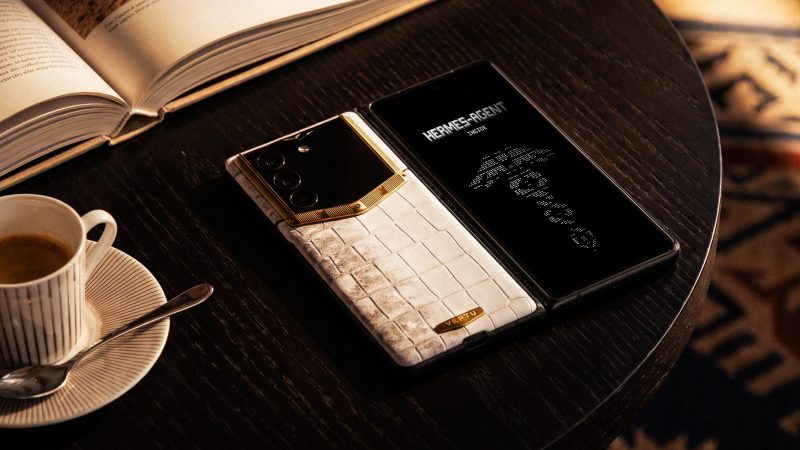
If you want a foldable executive phone where productivity is the point, start with ALPHAFOLD.
The case for ALPHAFOLD is simple: foldables can be the best “executive phone” form factor when you live in documents, deal rooms, and travel days. The extra screen is not for entertainment. It’s for running your day.
If your workflow also relies on privacy-first behavior, read how Vertu frames the on-device agent story in the Hermes Agent inside ALPHAFOLD guide before you buy. Not for hype. For vocabulary. You want to understand what the phone claims it can do, and what permissions and boundaries you can control.
Who it’s for
You run high-stakes work from your phone.
You want a larger canvas without carrying a tablet.
You care about ownership experience and discretion.
What to ask before you commit
What is the long-term software support policy?
What are the privacy controls for any AI/agent features?
What happens if the hinge, screen, or battery needs service while you’re traveling?
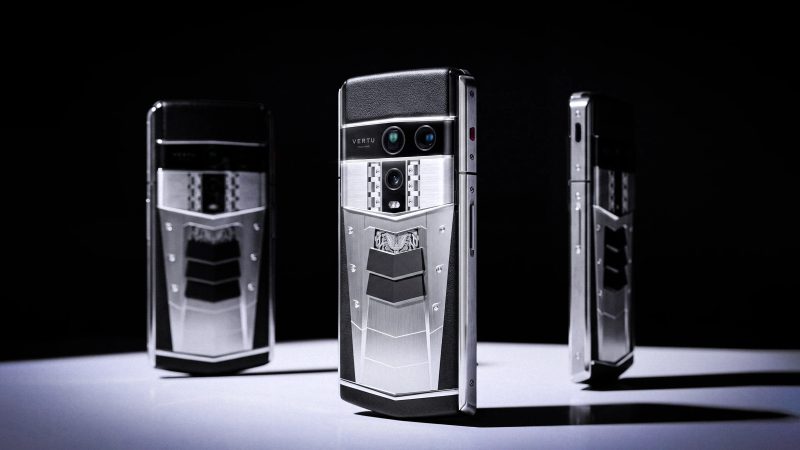
2) VERTU Agent Q
If you’re evaluating luxury phones for entrepreneurs, Agent Q belongs on the list because it’s explicitly positioned around the “concierge smartphone” idea.
Start with the official collection page: VERTU Agent Q luxury AI-powered phones.
The reason to consider Agent Q isn’t that it out-benchmarks mainstream flagships. It’s that the ownership experience is meant to be different.
The caution is also straightforward: concierge value depends on execution. As the Stuff concierge smartphone review (2026) makes clear, you should verify how requests, payments, confirmations, and accountability work in practice.
Who it’s for
You want high-touch service in the package.
You like distinctive design, but still want a daily driver.
You’re buying the experience as much as the device.
Decision tip Treat the concierge as a capability you audit, not a promise you assume.
3) VERTU Quantum Flip
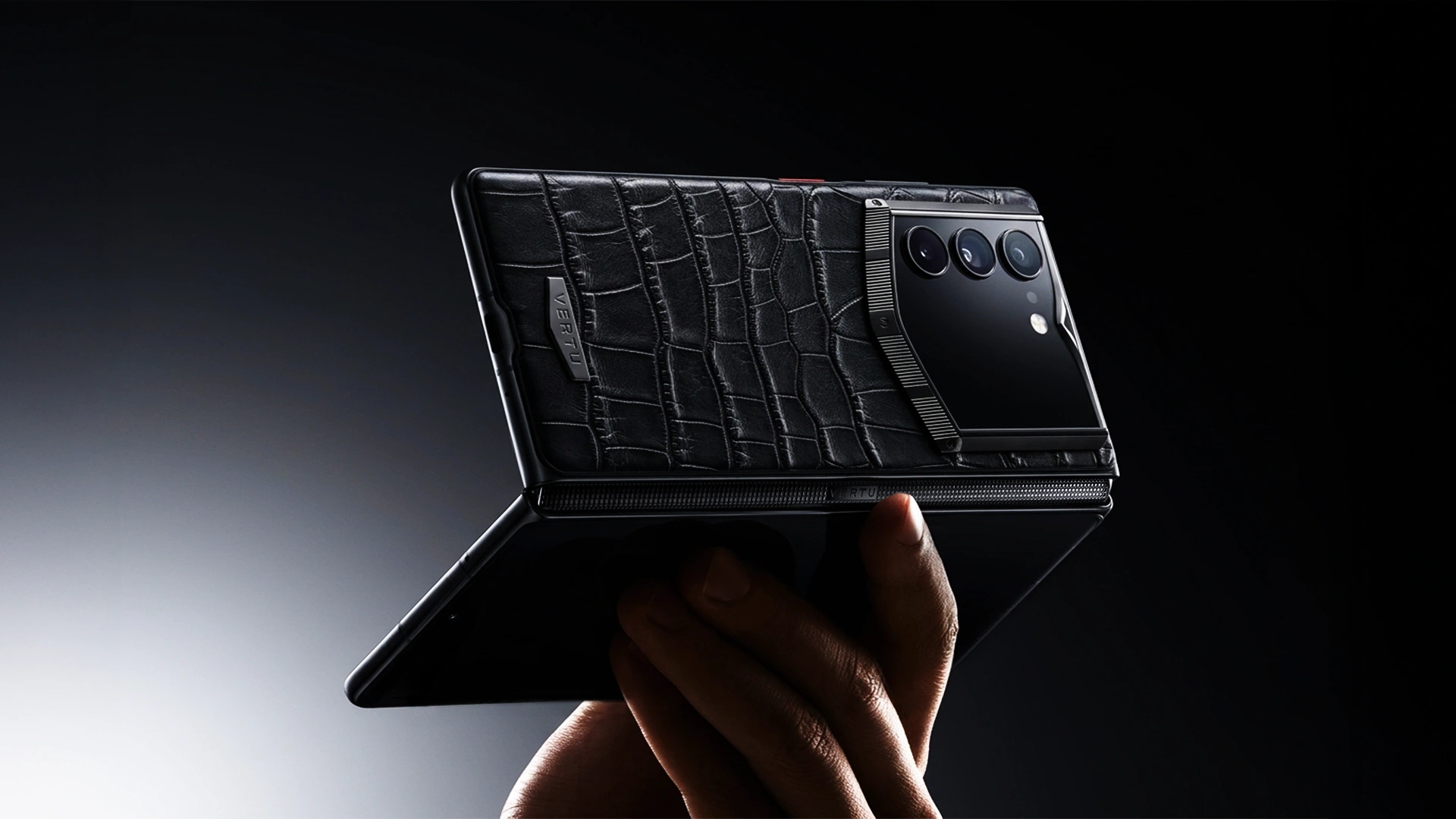
If you want a smaller foldable with luxury scarcity cues, Quantum Flip is the obvious contender.
The most pragmatic page to start with is the official buying guidance: How to pre-order the Vertu Quantum Flip.
This matters because in luxury, the buying process is part of the product. Provenance, authorized channels, and after-sales clarity are part of your risk model.
Who it’s for
You prefer a compact form factor.
You care about limited availability and controlled distribution.
You want a foldable that still reads as a luxury object.
4) iPhone Pro (current generation)
This is the “boring” pick, and that’s why it’s here.
If your business runs on iMessage/FaceTime, Apple IDs, and a team that expects AirDrop and shared albums to “just work,” the iPhone Pro is still the safest executive phone option in most real companies.
You don’t buy it for scarcity. You buy it for predictability.
Use it as your baseline. If a luxury phone can’t match the basics you rely on (sync, updates, app stability, enterprise controls), your purchase becomes a hobby.
5) Samsung Galaxy Ultra (current generation)
If you prefer Android, want a top-tier display and productivity features, and care about enterprise management ecosystems, Samsung’s Ultra line is the reference point.
How to choose the best luxury phone 2026: a tight checklist
Use this when you’re down to two options.
Threat level: What’s the worst-case if this phone is compromised?
Update reality: Can the vendor articulate patch cadence and support horizon?
Concierge workflow: Can you test the service with a real request before you travel?
Provenance: Can you prove where it came from and what you’re entitled to?
Day-one migration: Who helps you move numbers, apps, secure messaging, and accounts?
Pro Tip: Put your PA or security lead on the call. Their questions will be better than yours.
Key takeaways
The best luxury phones for entrepreneurs in 2026 win on service model, privacy posture, and ownership experience, not just specs.
If you travel and handle sensitive work, follow a lifecycle mindset like NIST’s SP 800-124 Rev. 2 (2023), not a “turn on a setting” mindset.
Concierge is only valuable if you can verify end-to-end workflows, not just availability.
Scarcity should be provable (authorized channels, documentation, clear support terms).
Next steps
If you’re leaning toward a foldable executive workflow, start with ALPHAFOLD and compare it against your current device using the checklist above.
If you’re concierge-first, read Vertu’s own overview of the service model, then test it with one real request before you commit: the ultimate guide to the VERTU Concierge Service.
Disclosure: This article references VERTU pages. Editorial judgment remains the priority.