

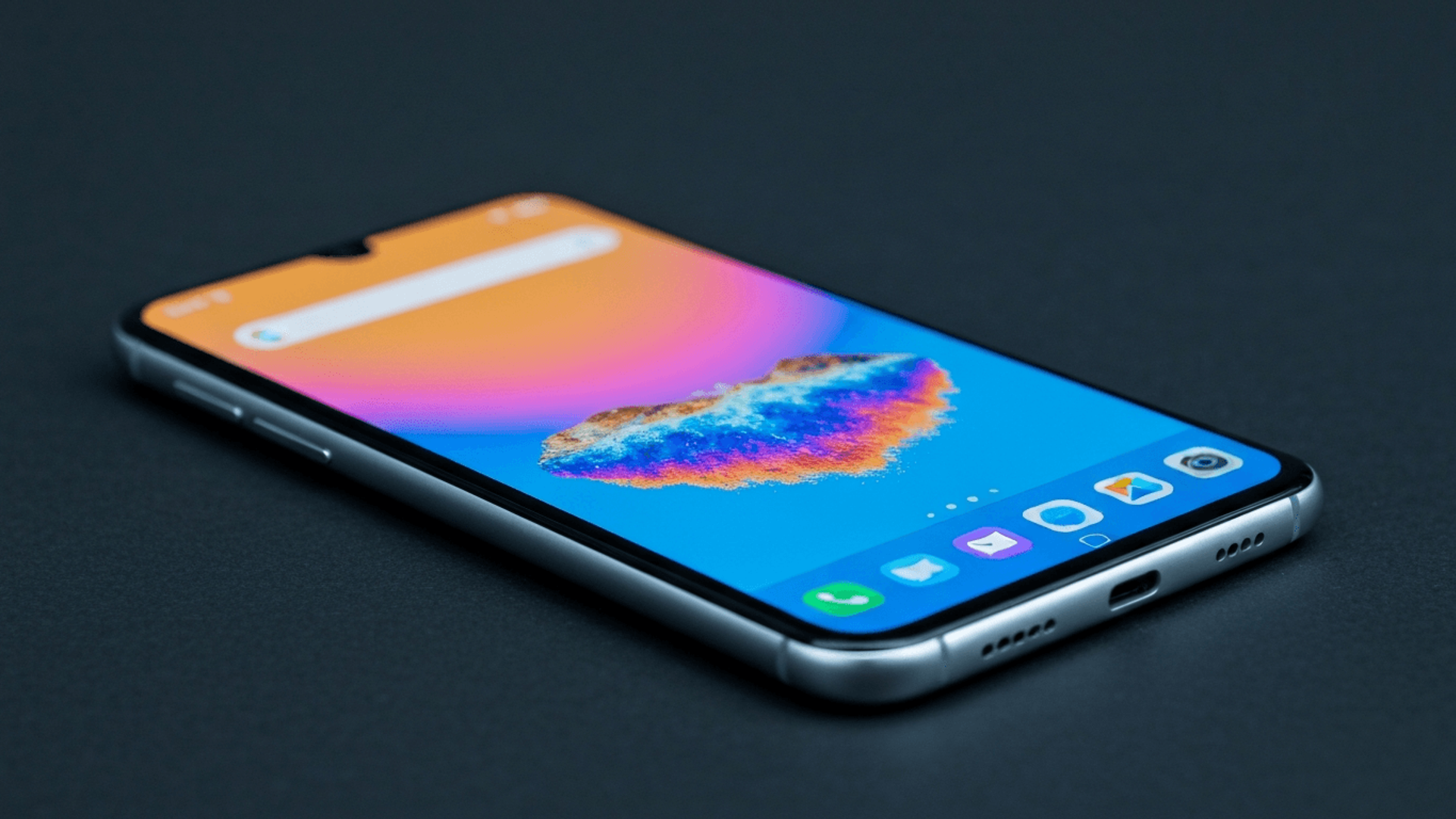
| Spec/Feature | Samsung Galaxy S25 Ultra | Google Pixel 10 Pro | OnePlus 13 |
|---|---|---|---|
| Processor | Snapdragon 8 Elite for Galaxy | Google Tensor G5 | Snapdragon 8 Elite |
| Main Camera | 200MP Wide | 50MP Wide | 50MP Wide |
| Telephoto | 10MP (3x) & 50MP (5x) | 48MP (5x) | 50MP (3x) |
| Key Feature | Integrated S Pen | Gemini AI Integration | 6,000 mAh Battery |
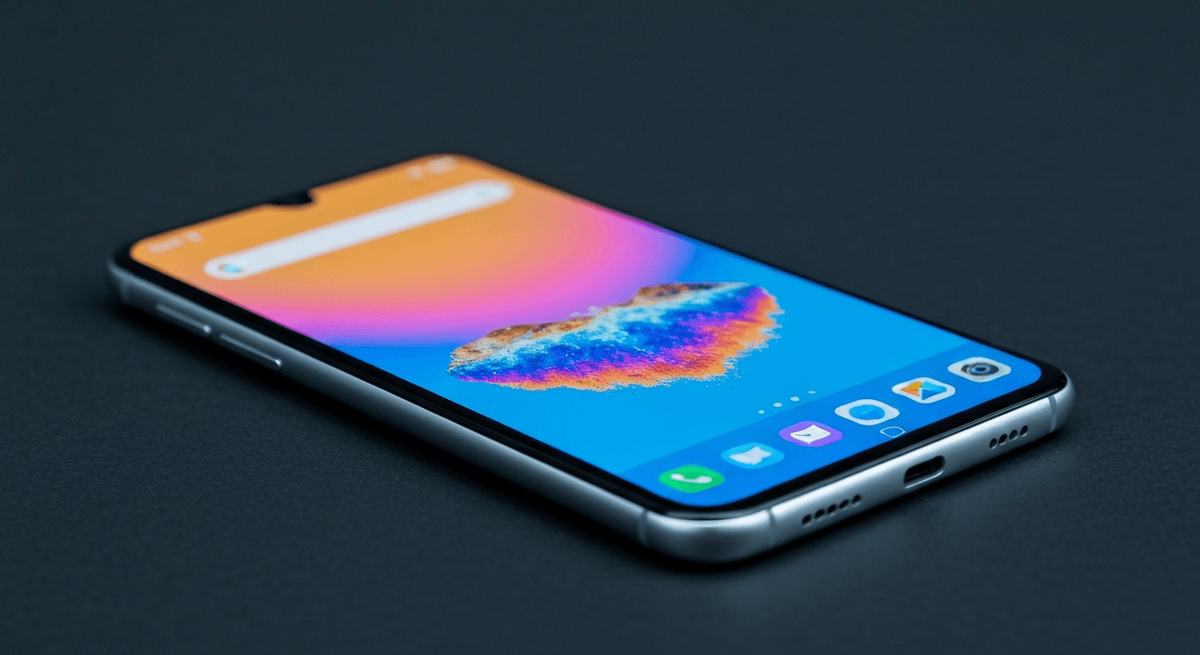
Imagine capturing cinema-grade footage or DSLR-quality portraits with a device that simply fits in your pocket. By 2026, the technological gap between professional cameras and smartphones has almost vanished, ushering in a new era of visual storytelling. Mobile photography has undergone a massive evolution, and finding the perfect high-end Android phone is now the key to unlocking your true creative potential.
Manufacturers are currently pushing boundaries with AI-driven sensors, variable aperture lenses, and computational photography that effortlessly transforms night into day. Whether you are a professional content creator, a budding filmmaker, or a photography enthusiast, the current market is brimming with powerful options designed to elevate your images.
However, with so many flagship models available, making the right choice can feel overwhelming. In this comprehensive guide, we will navigate through the ten best devices available this year. We will break down their cutting-edge camera specifications, processing power, and unique features to help you decide which flagship device deserves a spot in your pocket. Get ready to explore the absolute pinnacle of mobile imaging technology.
Top 10 High-End Android Phones for Stunning 2026 Photography
In 2026, mobile photography has reached unprecedented heights, blending massive sensor resolution with on-device AI to deliver professional-grade imaging. For enthusiasts and professionals alike, choosing the right high-end Android phone means looking beyond just megapixel counts to processing power and intelligent software features.
The following devices represent the pinnacle of photographic capability this year.
1. Samsung Galaxy S25 Ultra
The Samsung Galaxy S25 Ultra cements its status as a premier choice for mobile photography in 2026. It features a staggering 200MP main sensor paired with a 50MP ultra-wide and dual-telephoto lenses (10MP 3x and 50MP 5x), covering every focal length imaginable.
Experience: The premium titanium design feels substantial yet refined, while the integrated S Pen allows for precise photo editing on the go. Powered by the Qualcomm Snapdragon 8 Elite for Galaxy , the advanced AI editing tools enable users to manipulate images effortlessly, making it one of the best camera phones available.
2. Google Pixel 10 Pro and Pixel 10 Pro XL
Google continues to dominate intelligent photography with the Pixel 10 Pro series. These devices utilize a triple camera system featuring a 50MP main sensor and a 48MP 5x telephoto lens. The real magic lies in the Google Tensor G5 chip, which powers exclusive AI tools like enhanced Call Screening and deep Google Gemini integration.
Reviewing shots on the vibrant Super Actua Display offers true-to-life colors, ensuring that what you capture is exactly what you see.
3. OnePlus 13
The OnePlus 13 has emerged as an all-around exceptional high-end Android phone for 2026 photography. It boasts a versatile setup: a 50MP main, 50MP 3x zoom, and 50MP ultra-wide camera.
Beyond optics, it delivers top-tier performance via the Qualcomm Snapdragon 8 Elite . With a massive 6,000 mAh battery and IP69 water resistance, photographers can shoot in challenging environments without fear of running out of power or damaging the device.
4. Samsung Galaxy S25 Plus
For those seeking a premium Android experience focused on performance and battery life, the Galaxy S25 Plus is a stellar option. Sharing the powerful Snapdragon 8 Elite for Galaxy processor with the Ultra, it handles image processing with ease.
The camera system includes a capable 50MP wide, 12MP ultra-wide, and 10MP 3x telephoto lens. All of this is viewed on a sharp 6.7-inch display, which is ideal for framing shots and reviewing content.
5. Google Pixel 10
The standard Google Pixel 10 is an excellent choice for impressive everyday photography. Surprisingly versatile, its triple-camera setup includes a 5x telephoto lens , a feature often reserved for "Pro" models.
Running on the Google Tensor G5 chipset, it benefits from helpful AI tools like Google Gemini integration. With 7 years of OS updates , it offers a long-lasting and intelligent mobile photography experience.
6. Samsung Galaxy Z Fold 7
As the best folding phone running Android in 2026, the Samsung Galaxy Z Fold 7 offers a unique creative canvas. It integrates the powerful Snapdragon 8 Elite chipset, ensuring that its top-tier foldable status is matched by a high-quality camera system capable of stunning shots.
Running Android 16, it provides a modern, multitasking-friendly software experience perfect for editing photos on a large, tablet-sized screen.
7. Pixel 9a
The Pixel 9a remains a smart choice for budget-conscious photographers who prioritize photo quality over flashy extras. This mid-range phone is lauded for its great camera quality, delivering the signature "Pixel look."
It also offers an impressive seven years of Android updates , ensuring a reliable and supported device for capturing memories for years to come.
8. Xiaomi 15 Pro
The Xiaomi 15 Pro is a powerhouse in 2026, featuring a next-generation Snapdragon processor and an advanced camera system designed for professional-grade photography. Its focus on cutting-edge hardware makes it a strong contender for the title of best camera phone, appealing to users who demand raw performance and optical excellence.
9. Asus ROG Phone 9
While primarily gaming-focused, the Asus ROG Phone 9 includes surprisingly capable camera hardware. For users who demand top-tier performance for gaming and also want good photography options, this flagship Android phone offers a unique combination. It leverages its robust processing power to handle computational photography tasks swiftly.
10. Sony Xperia 1 VI
The Sony Xperia 1 VI continues the tradition of providing pro-level camera controls. With an emphasis on advanced imaging technology and hardware, it stands as a dedicated photography phone for enthusiasts. Users will appreciate the granular control over ISO, shutter speed, and focus, mimicking the experience of a dedicated Sony Alpha camera .
Choosing Your 2026 Photography Phone: A Buyer's Guide
Selecting the ideal device for photography in 2026 requires navigating a landscape where computational magic meets optical physics. It is no longer enough to simply glance at a spec sheet; buyers must understand how hardware and software synergize to create the final image.
Understanding Camera Specifications
When evaluating the best camera phones, look beyond the marketing hype of high megapixel counts. The physical dimensions of the sensor are far more critical; a larger sensor captures more light, reducing noise and improving dynamic range.
Aperture (f-number): A lower number (e.g., f/1.7) allows better low-light performance and natural background blur (bokeh).
Optical Zoom: Look for periscope telephoto lenses that offer 5x or 10x optical zoom without quality loss, distinct from digital cropping.
Stabilization: Optical Image Stabilization (OIS) is non-negotiable for sharp handheld shots and smooth video.
The Role of AI in Smartphone Photography
AI now plays a crucial role in modern smartphone photography, bridging the gap between professional gear and mobile convenience. In 2026, advancements in computational photography allow for real-time scene recognition and automatic HDR processing that balances distinct lighting conditions instantly.
"Features like low-light enhancement (Night Mode) and portrait effects are often powered by AI, transforming difficult shots into stunning images."
Google's Pixel line remains renowned for its AI-powered image processing, utilizing deep learning to fix blur and adjust lighting. Meanwhile, Samsung integrates advanced AI editing tools directly into the user interface, empowering users to manipulate objects and expand backgrounds post-capture.
Beyond the Camera: Performance and Display
A high-end Android phone is essential for smooth camera operation. Processing massive RAW files and handling complex AI tasks requires immense computational power. Look for devices equipped with the latest flagship processors, such as the Snapdragon 8 Elite , which provides the throughput necessary for zero-shutter-lag experiences and fast image processing.
Additionally, a high-quality display with accurate color reproduction is vital for reviewing and editing photos reliably. Battery life is also paramount; extensive photo shoots utilizing AI processing and high-brightness screens will deplete resources quickly.
Android vs iPhone Considerations for Photographers
While iPhones are celebrated for video consistency and interface simplicity, top-tier Android devices in 2026 offer comparable, and often superior, photographic capabilities regarding hardware innovation.
| Feature | High-End Android Flagships | Apple iPhone |
|---|---|---|
| Hardware Variety | Extensive (Variable aperture, 1-inch sensors) | Consistent, iterative updates |
| Customization | Deep manual controls (ISO, Shutter) | Simplified, user-friendly interface |
| Ecosystem | Open file management & diverse accessories | Tightly integrated, restrictive transfer |
| Innovation Cycle | Rapid adoption of new tech (e.g., Foldables) | Slower, polished implementation |
Ultimately, Android provides greater hardware variety, allowing photographers to choose a device that specifically fits their shooting style, whether that involves extreme zoom or macro capabilities. The choice often comes down to ecosystem preference and specific feature priorities.
FAQ (Frequently Asked Questions)
Q1: What defines a 'photography phone' in 2026?
A1: In 2026, a 'photography phone' is defined by a sophisticated camera system featuring large sensors , versatile lenses (ultra-wide to telephoto), and advanced AI-driven image processing. Beyond mere megapixels, these devices offer granular manual controls. Top high-end Android phone models excel in these areas, bridging the gap between mobile and professional gear.
Q2: Is the S Pen stylus useful for photography on the Samsung Galaxy S25 Ultra?
A2: Yes, the S Pen is incredibly useful for photography. It allows for precise remote shutter control and self-timer activation, eliminating camera shake during long exposures. Additionally, it facilitates detailed photo editing, significantly enhancing the creative workflow for users prioritizing camera quality.
Q3: Which is the best budget-friendly phone for great photos in 2026?
A3: For budget-conscious users, the Pixel 9a is a standout option. It provides impressive results through Google's superior software optimization and AI, offering a high-quality experience without the premium price tag.
Q4: Can flagship Android phones truly compete with DSLRs in 2026?
A4: While DSLRs still offer advantages in sensor size and lens versatility, flagship Android phones in 2026 deliver astonishing image quality. Through advanced computational photography and powerful hardware, top-tier Android devices have become more than capable for everyday and even many professional needs, challenging the dominance of traditional cameras.
Conclusion
As we navigate the vibrant technological landscape of 2026, it is evident that the era of professional-grade mobile photography has truly arrived. Throughout this guide, we have explored how a high-end Android phone is no longer merely a communication tool, but a sophisticated, pocket-sized creative studio capable of rivaling traditional cameras.
Whether you are captivated by the versatile productivity of the Samsung Galaxy S25 Ultra with its precision S Pen or the groundbreaking computational wizardry defined by the AI-powered Google Pixel line, these devices are consistently pushing the boundaries of what is possible. From breathtaking low-light portraits to cinematic video stabilization, the hardware advancements this year are truly transformative.
Selecting the ultimate device to document your life requires a personalized approach. We strongly recommend balancing your specific photography needs against your available budget and preferred software ecosystem. Whether you prioritize raw megapixel count, zoom capabilities, or intelligent editing features, taking the time to compare detailed specifications will ensure you find the perfect fit.
Ready to upgrade your gear? Do not let these technological marvels pass you by. There has never been a more exciting time to unleash your full artistic potential. Explore the latest exclusive deals on these top-tier Android devices today and start capturing your stunning 2026 moments with the absolute clarity and brilliance they deserve.

![Top 10 Luxury Smartwatches for Business Travel [2026]](https://cdn.sanity.io/images/e0gp1l2g/production/8b5e5b21db42a1c5f040e828bd041857353a8eb2-2560x1382.webp?w=800&h=450&q=82&auto=format&fit=crop)