| Tool | Primary Focus | Key Feature |
|---|---|---|
| TestFit | Residential Planning | Zoning research & automated renders |
| Spacemaker AI | Schematic Design | Energy efficiency & cost estimation |
| Meshy.AI | Creative Assets | Text-to-3D & AI texturing |
| AutoCAD | Precision Drafting | Markup Import & Assist |
| Maket.ai | Early Ideation | Regulatory Assistant & massing models |
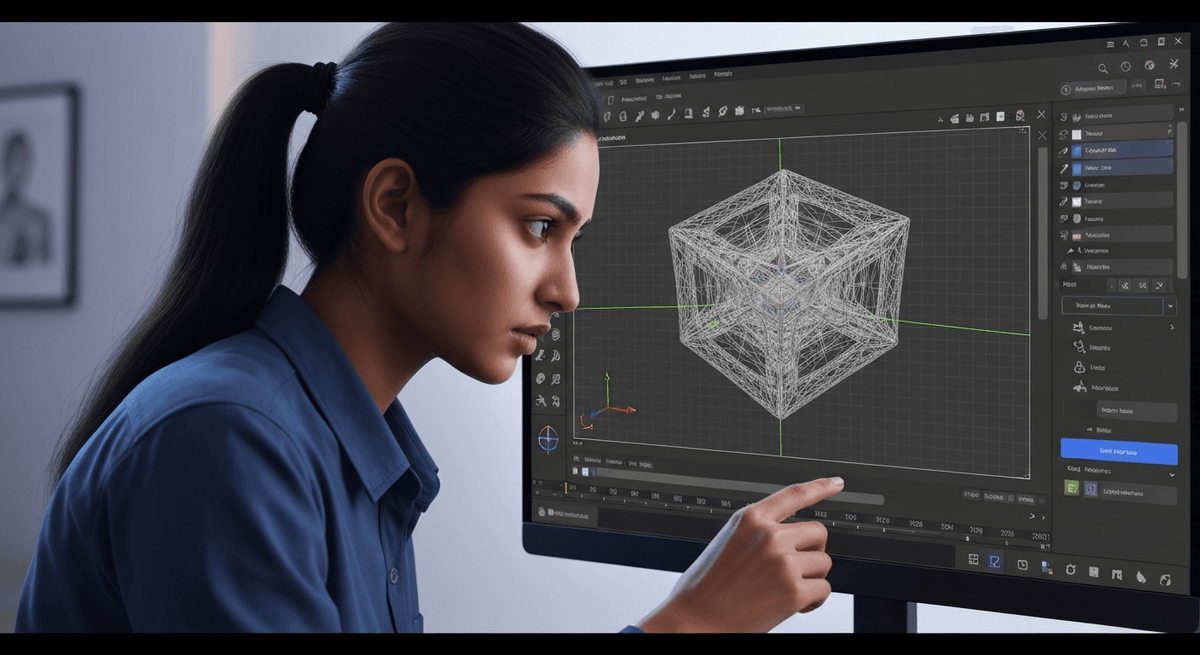
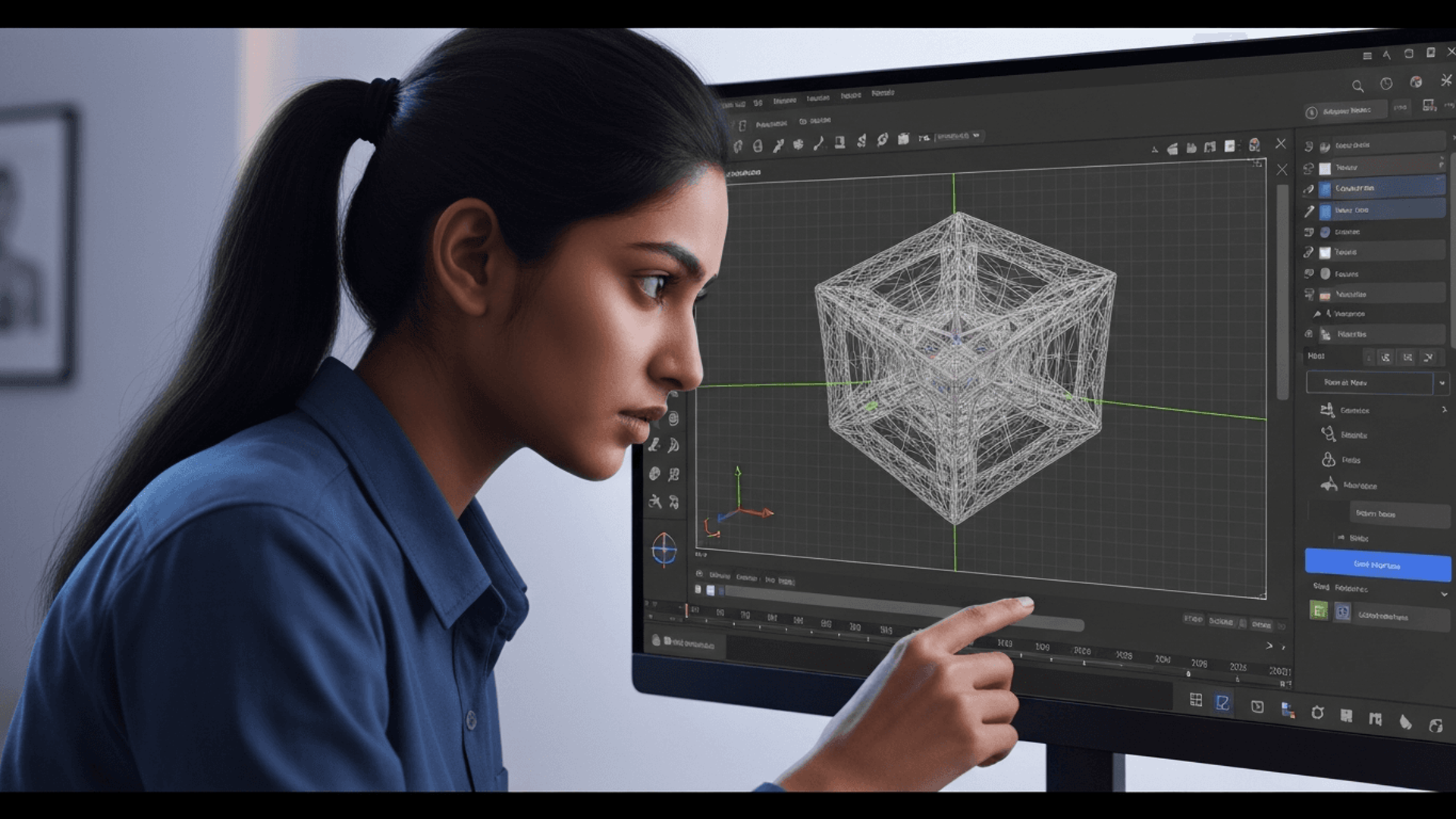
Imagine creating complex geometries and photorealistic environments in seconds rather than days. As we step further into 2026, the boundaries of digital creation are expanding faster than ever before. The traditional manual grind of sculpting and texturing is being replaced by intelligent, automated workflows.
At the heart of this transformation lies the modern AI 3D model editor , a tool designed to revolutionize generative design. These platforms are no longer just experimental novelties; they are essential powerhouses for professionals. By leveraging advanced algorithms, they allow you to iterate concepts with unprecedented speed.
But with so many options flooding the market, how do you choose the right one? In this guide, we explore the leading software of 2026, comparing their strengths in AI modeling and rendering. Let’s dive in and find the perfect tool to elevate your next 3D project.
Top 10 AI 3D Model Editors for Generative Design in 2026
The landscape of architectural and creative design has been revolutionized by the evolution of the AI 3D model editor . In 2026, these tools are essential for streamlining workflows, from initial zoning research to final texturing. The following platforms represent the pinnacle of generative design technology.
1. TestFit
TestFit stands out as a specialized generative design tool tailored for residential planning . It automates the creation of floor plans and 3D renders from single text prompts. This significantly reduces manual drafting time for architects.
Beyond visualization, TestFit streamlines zoning research and ensures strict regulatory adherence. This makes it indispensable for developers who need quick, compliant feasibility studies. It removes the manual overhead typically associated with early planning.
2. Spacemaker AI
Spacemaker AI is a powerful platform designed for architectural schematic design. It generates optimized building designs while simultaneously providing detailed analysis. Key insights include space utilization and energy efficiency .
"Spacemaker AI features smart 3D rendering and automated cost estimation to enhance decision-making."
3. Archistar
Archistar serves as an AI-driven property research platform. It excels at identifying suitable project sites and assessing feasibility before any concept designs are generated. This tool aids significantly in early project development stages through deep AI augmentation .
4. Hypar
Hypar offers a real-time AI platform focused on generating site solutions. It facilitates faster iterations in site planning by taking specific user input parameters. This allows users to efficiently explore various site development possibilities.
5. Evolo
Evolo is an AI-powered building design platform that excels in creating optimal building designs in real-time. It enhances feasibility analysis and provides regulatory confidence. This ensures that efficient designs remain compliant with local standards.
6. Maket.ai
Maket.ai is a free AI 3D model editor designed specifically for architects and designers. It generates schematic floor plans, massing models, and zoning-aware designs. It is ideal for early-stage ideation, featuring a unique Regulatory Assistant to navigate complex codes.
7. Meshy.AI
Meshy.AI is a versatile AI tool capable of transforming text and images into 3D assets. It produces realistic models with fast generation speeds. It utilizes advanced text-to-3D and image-to-3D capabilities for rapid asset creation.
8. 3D AI Studio
3D AI Studio is a comprehensive tool for creating 3D models and textures from text prompts. It distinguishes itself by offering an interface familiar to users of traditional 3D software. This effectively bridges the gap between AI generation and manual control.
9. LumaLabs Genie
LumaLabs Genie is a free AI tool that excels in text-to-3D model generation . It is widely known for its creative output, capable of generating fantastical creatures and standard objects. It offers a flexible option for diverse generative design needs.
10. AutoCAD
AutoCAD continues to lead by integrating AI-powered tools for generative design. It offers precise 2D/3D drafting and modeling. Features like Markup Import and Markup Assist automate tasks to improve workflows significantly.
In conclusion, selecting the right AI 3D model editor depends on your project goals. Tools like TestFit and Spacemaker AI dominate architectural feasibility. Meanwhile, Meshy.AI and LumaLabs Genie offer unmatched creative freedom for asset generation.
How to Choose the Best AI 3D Model Editor in 2026
Selecting the right AI 3D model editor in 2026 requires navigating a crowded market. Whether you are an architect or a game developer, aligning software capabilities with your goals is vital. This is the first step toward maximizing efficiency and design quality.
Define Your Project Needs
Clearly define your primary use case to avoid feature mismatch. For architectural planning, tools like TestFit and Spacemaker AI are industry standards. Conversely, for general 3D asset creation, Meshy.AI offers superior generation tools.
If your goal is enhancing existing drawings, utilizing AutoCAD is often the most strategic choice. This allows you to leverage AI within established CAD workflows. Understanding these distinctions is crucial for selecting the right editor.
Evaluate Generative Capabilities
Look for tools offering robust generative AI 3D features, specifically text-to-3D and image-to-3D AI . These capabilities allow for automated design exploration. The effectiveness of the AI-assisted 3D modeling aspects will determine your speed of iteration.
Consider Integration and Workflow
Seamless workflow integration is key to leveraging AI effectively. Ensure the chosen AI 3D model editor connects smoothly with your current software ecosystem. Disconnected tools can create bottlenecks that negate the speed advantages of AI.
Assess Ease of Use and Learning Curve
Assess the user interface and learning curve associated with each tool. While powerful, some AI 3D generators require a significant investment in time to master. A steep learning curve can negatively impact the adoption rate for your team.
Budget and Licensing Options
Compare the pricing models of various AI rendering software. Free options like Maket.ai are great for exploration and rapid prototyping. However, professional tools typically require tiered subscriptions for full feature access.
| Tool | Primary Use Case | Key Feature | Pricing Model |
|---|---|---|---|
| TestFit | Architectural Planning | Spatial Optimization | Professional License |
| Meshy.AI | General Asset Creation | Text-to-3D / Image-to-3D | Tiered Subscription |
| Maket.ai | Design Exploration | Rapid Prototyping | Free Options Available |
| AutoCAD | CAD Enhancement | Workflow Integration | Subscription |
| LumaLabs Genie | Creative Assets | Generative Speed | Free / Tiered |
The Future of AI in 3D Design and Modeling
By 2026, the capabilities of an AI 3D model editor are poised to unlock new levels of creativity. Designers will leverage these tools to explore a vast array of possibilities rapidly. This moves the industry far beyond the limitations of early generative technologies.
Enhanced Creativity and Exploration
The focus is shifting from manual labor to pure ideation. An AI 3D model editor enables designers to iterate through concepts instantly. This allows for the exploration of complex geometries that were previously too time-consuming.
Democratization of 3D Creation
Sophisticated 3D model generation AI is becoming increasingly accessible. Platforms like Meshy.AI are significantly lowering the barrier to entry. This shift empowers aspiring designers to create professional-grade assets without years of training.
Integration with Real-time Rendering
The synergy between modeling and rendering is tightening. Future workflows will enable photorealistic visualizations generated directly from simple prompts. This bridges the gap between geometry and final output.
| Feature | Traditional Workflow | AI-Enhanced Future |
|---|---|---|
| Iteration Speed | Hours/Days per asset | Minutes via AI 3D model editor |
| Visualization | Separate rendering process | Integrated real-time AI rendering |
| Skill Requirement | High technical expertise | Focus on creative direction |
AI's Role in Complex Simulations
Beyond visual generation, AI will increasingly assist in complex tasks within CAD software. Technologies will automate structural analysis and material optimization. This pushes the technical boundaries of what is possible in engineering and design.
FAQ (Frequently Asked Questions)
Q1: What is the best AI 3D model editor for architects?
A1: TestFit and Spacemaker AI are top choices for architects. They specialize in zoning research, floor plan automation, and feasibility studies. These tools ensure regulatory compliance while optimizing space utilization efficiently.
Q2: Can AI generate 3D models from text?
A2: Yes, tools like Meshy.AI and LumaLabs Genie excel at text-to-3D generation. You simply input a descriptive prompt, and the AI creates a textured 3D asset. This is ideal for rapid prototyping and game asset creation.
Q3: Is there free AI software for 3D modeling?
A3: Maket.ai and LumaLabs Genie offer robust free versions. These allow users to explore generative design features without upfront costs. However, professional features usually require a paid subscription.
Q4: How does AI improve 3D rendering workflows?
A4: AI accelerates rendering by automating lighting, texturing, and noise reduction. It allows for real-time visualization of changes, significantly reducing the time spent waiting for final renders. This enables faster design iterations.
Conclusion
As we navigate 2026, the right AI 3D model editor has evolved into an indispensable creative partner. These powerful platforms are fundamentally reshaping industries by streamlining complex architectural planning. They accelerate digital asset creation and optimize production workflows.
To harness this potential, start by evaluating your specific project requirements. Integrating advanced AI 3D modeling and AI rendering software into your pipeline will immediately enhance efficiency. Staying informed about algorithmic advancements is crucial to maintaining a competitive edge.
Do not wait to modernize your creative capabilities. Explore the leading AI 3D model editors today to unlock unprecedented possibilities. Your journey toward mastering the next generation of generative design starts now.