Key Takeaways
- Sapphire, precious metals and hand finishing are material and craft choices, not specifications found on every luxury phone.
- Synthetic sapphire is valued for scratch resistance and optical clarity, while its cost reflects crystal growth, cutting, polishing and precise assembly.
- Precious-metal accents and hand finishing add material, labour and quality-control steps; their presence varies by model.
- Compare the exact VERTU model’s published materials and construction before treating any feature as universal.
Luxury phone materials answer different questions. Sapphire crystal can protect a display or camera cover; precious metals add distinctive surfaces and weight; hand finishing shapes edges, polish and assembly. Each choice brings trade-offs in cost, manufacturing effort and everyday care. The details vary by model, so evaluate the published specification of the exact phone rather than assuming every premium device uses the same materials.
Why sapphire crystal is used in phones
Sapphire used in consumer products is typically synthetic crystalline aluminium oxide. Its high hardness makes it more resistant to scratching than many common display-cover materials, while its optical properties allow light to pass through. Hardness alone does not mean it cannot crack: impact resistance depends on thickness, geometry, mounting and the rest of the device. A sapphire component should therefore be understood as one part of an engineered assembly, not an indestructible screen.
Producing a clear, flat component requires growing or sourcing suitable crystal, cutting it, grinding and polishing it, and controlling defects and dimensions. Sapphire is difficult to machine, so the manufacturing process and yield can add cost. Shape and finish also matter: a small camera cover, a watch crystal and a large phone display have different requirements.
Hardness, clarity and practical limits
For owners, scratch resistance can help a surface retain a clean appearance during ordinary handling. It does not remove the need to protect a device from drops, grit, keys or concentrated impact. A very hard surface may still chip or fracture under an unfavourable strike. The phone’s construction, edge protection and repair route remain relevant.
What precious metals contribute
Gold and other precious metals are selected for appearance, rarity and the character of their finish. On a phone, they may appear as accents or components rather than as the entire structural frame. The exact alloy, component, plating or solid-metal construction must be checked against the model’s official specification; colour alone does not establish material composition.
Metal finishing can involve forming, polishing, brushing, coating or assembling multiple materials. Each process affects reflectivity, surface feel and how marks appear over time. A polished surface catches light strongly but may show fingerprints; a brushed surface diffuses reflections and can make small marks less conspicuous. These are design trade-offs, not a universal hierarchy of quality.
What hand finishing means in practice
Hand finishing describes skilled human work applied to selected stages of production, such as aligning parts, refining a surface or checking an assembly. It can require trained labour, specialised tools and inspection at multiple points. The phrase should not be read as proof that an entire phone is made by hand, or that each unit is identical. A manufacturer’s documentation is the right source for a specific model’s production claims.
Precision matters where dissimilar materials meet. A metal body, glass or sapphire element, leather panel and mechanical control may expand, wear or feel different. Fit, adhesive choice, tolerances and quality checks help the parts work together. More materials and finishing steps can add complexity and cost, while also creating more interfaces that need careful engineering.
How material choices affect ownership
Material selection influences weight, grip, reflectivity, scratch visibility and care. It can also affect repair complexity and replacement-part cost. Before purchase, check what the manufacturer says about cleaning, exposure to liquids, impact protection and service. Do not infer water resistance, scratch-proof performance or repair coverage solely from a material name.
When comparing two phones, examine the component list, not just headline materials. Ask which surfaces use sapphire, whether a metal element is solid or coated, and which parts receive hand finishing. Also compare warranty terms and the available service process in your market. If documentation does not answer a question, treat the point as unconfirmed.
How to assess a VERTU model accurately
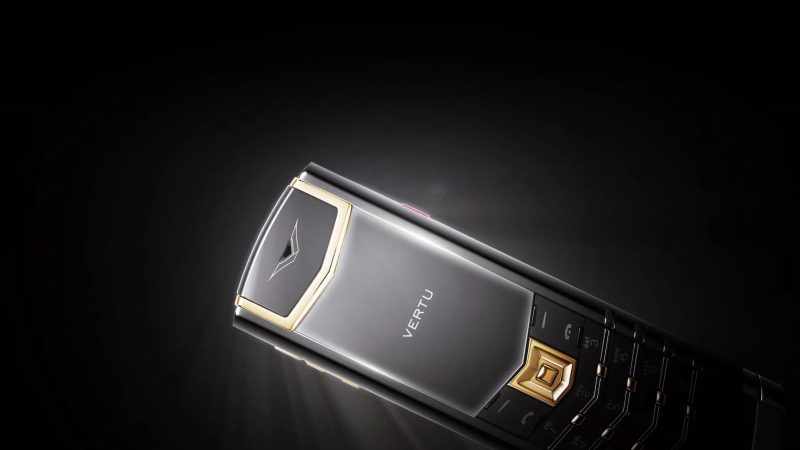
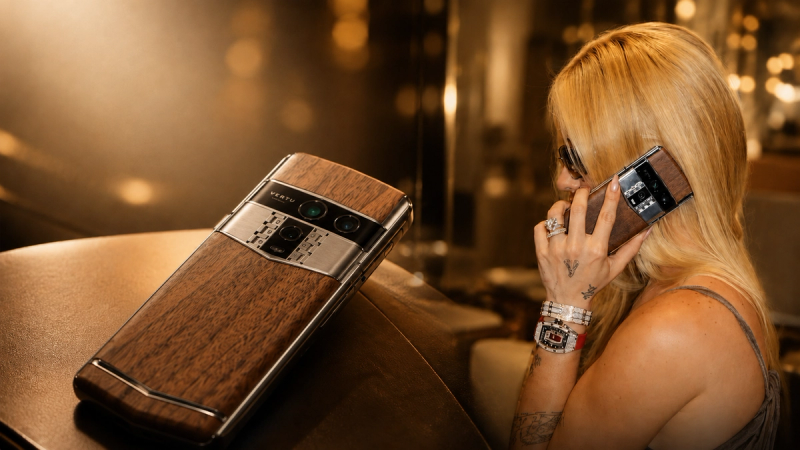
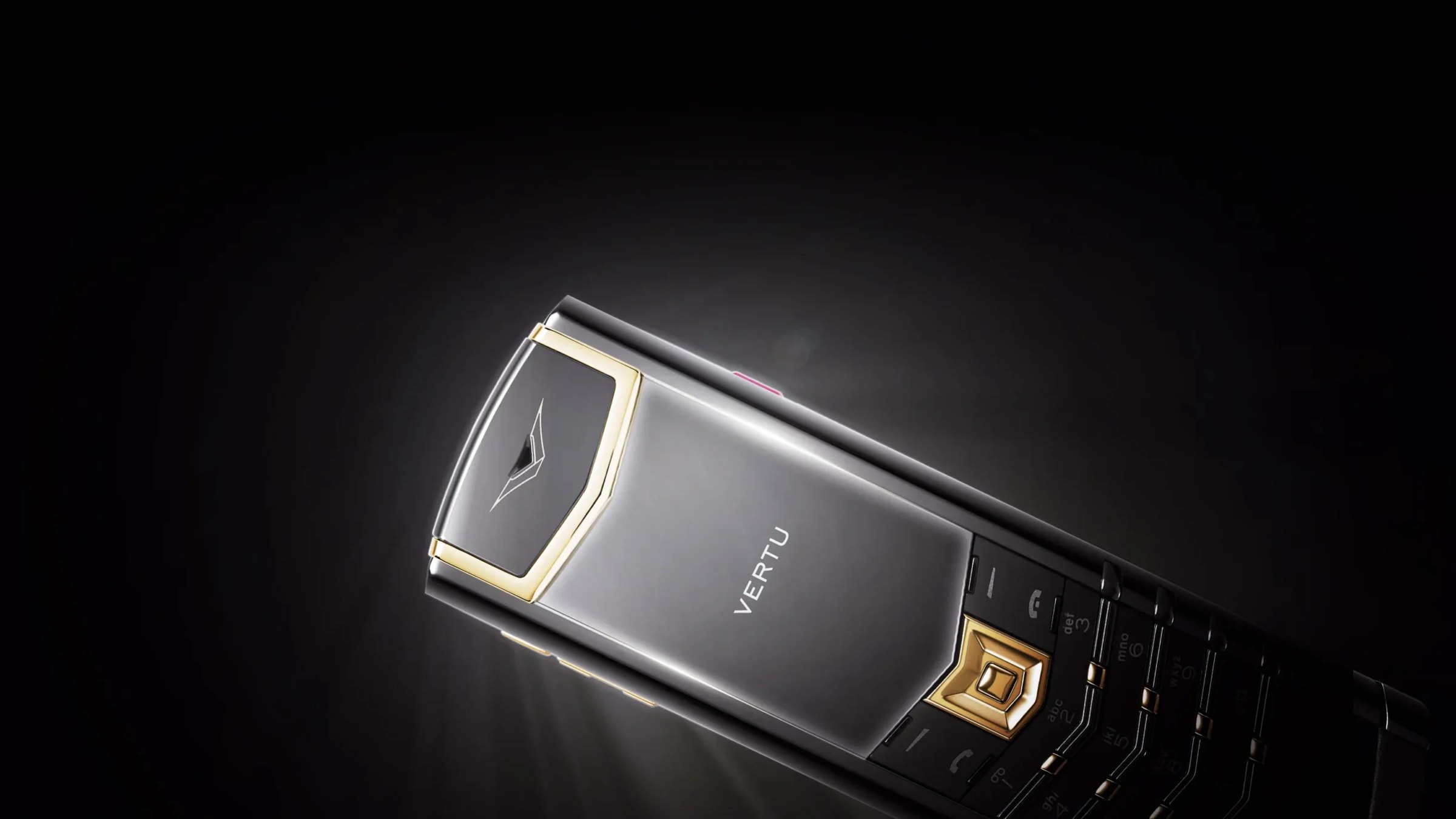
VERTU has presented selected phones using combinations of premium materials and detailed finishing, but construction differs across models and editions. Use the current product page for the specific model, then confirm any material or service detail that affects your buying decision. A product image can illustrate appearance; it cannot verify an alloy, crystal type or manufacturing process by itself.
The official VERTU phone collection provides a starting point for comparing current models. For a particular device, record the named material, the component it applies to, the source page and any remaining question. This makes comparisons more useful than treating “luxury materials” as a single specification.
Material comparison: property, process and cost
| Material or process | Relevant property | Ownership or cost question |
|---|---|---|
| Sapphire crystal | High scratch resistance; can still chip or fracture under impact | Is it the cover, display layer or another part, and what is replacement cost? |
| Stainless steel | Durable metal with finish-dependent scratch visibility | Can the exact finish be refinished locally? |
| Gold plating | Surface treatment over a base material | What is the stated plating construction and repair route? |
| Solid precious metal | Material content depends on documented alloy and hallmark | What is the verified alloy, weight and market-specific price? |
Mohs hardness describes relative scratch resistance, not drop survival. A generic cost ranking would ignore part size, machining, finish, yield and repair route. Ask for the exact model's bill of materials or official specification and a current service quote before treating a material name as a price explanation.
What hand finishing can involve
- Prepare and shape the component to specification.
- Inspect edges and surfaces before decorative work.
- Apply the maker's verified finishing process, such as polishing or fitting a material panel.
- Check fit, alignment and visible defects at assembly.
- Document the final quality check and future service path.
This is a process framework, not a claim that every VERTU component passes through every listed operation. Current VERTU product pages should be used to verify which material and finishing claims apply to an exact model.
Frequently asked questions
Is sapphire crystal scratch-proof?
No. It is highly scratch-resistant relative to many common materials, but it can still be damaged, particularly by impact or abrasive particles. Construction and care matter.
Does every luxury phone use precious metals?
No. Materials vary by model. Verify the exact components and construction in the manufacturer’s specifications.
Does hand-finished mean the whole phone is handmade?
Not necessarily. The term can refer to selected production or finishing steps. Ask what work is performed by hand and what is machine-produced.
Do premium materials make a phone easier to repair?
Not automatically. Materials may affect disassembly, replacement parts and repair cost. Check the model’s service information and local support route.
Questions to ask before buying
Use a short, model-specific checklist: What is the crystal material and which component does it cover? Which parts are made from precious metal, and are they solid, plated or decorative? Which stages are hand-finished? What cleaning and impact guidance applies? What repair and replacement options are available in the buyer’s region? Request answers from current official documentation or an authorised seller, and keep the model and edition name with the evidence.
These questions also make price comparisons fairer. Two phones may both mention sapphire or metal while using those materials in different areas, quantities and finishes. Compare like with like, including the component, construction, warranty and service route. A material name is a starting point for investigation, not a complete measure of quality or longevity.
The evidence base for this article is limited to currently available official product and brand information. Historical corporate milestones beyond the founding date are not asserted without a dated primary source; consult the exact model listing for material and service details.
Conclusion
Sapphire, precious metals and hand finishing can add useful surface properties, distinctive appearance and production complexity, but none makes a phone invulnerable or defines every model. Compare the exact materials, components, care guidance and service terms for the phone you are considering. Explore the VERTU collection to see current models and their published details.
Previous article
Marketplace or Your Own Store? Selling Luxury Phones Without Relying on Discounts
TOP-Rated Vertu Products
Alphafold
ALPHAFOLD is the world’s first Hermes Agent phone, combining AI assistance and mobile ERP for smarter task execution, workflow control, and business management.
Explore moreAgent Q
World’s first AI agent phone: A paradigm shift from Apps to Agents. It thinks, plans, and executes, all while securing your privacy.
Explore moreMetavertu Max
Metavertu Max: Luxury tech with Second Brain AI and a triple system for 4x WhatsApp. Opulence meets intelligence.
Explore more