Key Takeaways
- A high-value retail CRM workflow should turn a client’s stated request into one clear, owned next action.
- Record only information needed for the service purpose, and distinguish what the client said from staff interpretation.
- Set a responsible owner, due point and approved communication route for each follow-up or hand-off.
- This is a general clienteling process, not a claim that VERTU supplies a particular CRM tool or requires one universal workflow.
A disciplined luxury retail CRM workflow gives each relevant client interaction a clear purpose, a concise record and an accountable next step. A team can use it to record what a client asked for, assign follow-up, transfer open requests and close the loop without collecting unnecessary personal details. It builds on the distinction between a client’s stated needs and a retailer’s assumptions, explored in this needs-led client segmentation framework.
What CRM discipline means in high-value retail
A customer relationship management system is only useful when the team has a consistent way to use it. In a considered retail environment, clienteling is the human service: listening, remembering relevant preferences and offering a suitable next step. The CRM record supports that service by helping the right colleague understand what has been requested and what remains to be done.
The workflow is therefore more than entering a name after a conversation. It connects a permitted record to an action, an owner and a closure point. It should also make it easy to see when no further contact is appropriate. A client expressing interest in a product is not, by itself, permission for every kind of future marketing communication.
This is an operating framework, not legal advice. Before recording or reusing personal information, confirm the requirements and company policy that apply in each market.
A six-step clienteling workflow from conversation to closure
Use the same sequence whether the interaction starts in a boutique, a shop-in-shop, a private appointment or an approved digital channel. Adapt each step to the retailer’s systems and responsibilities.
| Step | Team action | What the record should make clear |
|---|---|---|
| 1. Confirm the purpose | Identify the question or service the client has actually raised, and establish what they expect next. | The date and context, the client’s stated request, and any relevant communication preference or permission according to policy. |
| 2. Record only what is useful | Capture concise facts that help answer the request or continue the service. | Keep the client’s words or observable facts separate from staff interpretation. Avoid details that do not support the agreed service purpose. |
| 3. Assign one next action | Turn the request into a specific task with one accountable owner and a due point. | State what will happen, who owns it and when it is due. If another team must confirm information, make that dependency visible. |
| 4. Check before contacting | Review the current record, the client’s preferred channel and the approved information before sending a reply. | Record the relevant response or next step, not an unapproved promise about availability, service or commercial terms. |
| 5. Hand off deliberately | Transfer an open request to the colleague or team responsible for the next step. | Name the receiving owner, summarise what has already been communicated and note what the client is waiting for. |
| 6. Close or refresh the record | Document the outcome, update the task status and correct or remove details that are no longer relevant under the business’s retention process. | Make it clear whether the request is complete, still open or awaiting another action, and who is responsible if it remains open. |
The sequence links each useful record to an action and owner, without collecting details simply because a field is available.
Use a minimum useful client record
A small, well-maintained record is often more actionable than a long narrative. A retailer can start with a short set of fields and add more only when the service purpose requires them:
- Interaction: date, channel and a brief description of the request.
- Stated need: the question, use case or product information the client asked to receive.
- Communication: the preferred route and any applicable permission or restriction recorded according to policy.
- Next action: the specific response or service step promised or agreed.
- Ownership: one named role or colleague responsible, with a due point.
- Status: open, waiting, handed off or complete, using the team’s approved terms.
Do not turn an inference into a fact. “Asked for a demonstration of the available options” describes an interaction. “Likely to purchase soon” is a prediction. If an interpretation is genuinely useful to plan service, label it as an interpretation, keep it limited and review whether it remains relevant. Avoid recording assumptions about wealth, occupation, family, lifestyle or willingness to spend when they are not needed for the service.
Use the retailer’s approved CRM or record-keeping process rather than personal accounts or informal spreadsheets. Apply role-appropriate access; shared access should not mean every colleague sees every detail.
Make follow-up relevant rather than automatic
A premium customer follow-up workflow should answer the client’s request through their stated preference and applicable policy. There is no universal timetable: set a realistic due point when the client is waiting, honour requests not to be contacted through the approved preference process, and do not send repeated messages just to clear a task queue.
A useful message is specific and modest: “You asked us to check [request]. We have confirmed [verified information]. Would you prefer [relevant next step]?” The team should replace each bracket with accurate information and the client’s requested next step. If the answer is not yet confirmed, say that the team is checking rather than presenting an assumption as fact.
Verify product, availability, warranty and service claims against an approved source for the relevant market. A CRM note does not prove that an earlier answer is still current.
Keep hand-offs clear for the client
A hand-off is complete when the receiving owner knows what they need to do and the client understands what happens next. The transferring colleague should pass only the context needed for that action: the request, any verified information already shared, the next owner and the expected follow-up point. Avoid forwarding unrelated profile details or internal speculation.
For example, a client may ask a store team to confirm a product or service detail that requires another team’s input. The associate can record the question, identify the approved source or owner for confirmation, and tell the client that the information is being checked. The receiving team can then provide the verified answer, after which the associate records the response and closes or updates the task. This is an illustrative workflow, not a real customer case or a statement about a VERTU service commitment.
When the request concerns repairs, returns or other after-sales matters, the workflow should route the question to the agreed owner without implying a specific outcome. The after-sales partner checklist covers how businesses can clarify responsibilities and case routing for their own partnership and market.
Review process quality without confusing it with sales
Managers can review whether each open record has an owner, a due action and a clear hand-off. These checks expose process gaps; they do not prove that more messages produce sales or justify pressuring clients.
The article on premium retail performance metrics explains how to define and compare measures. This guide covers the workflow those measures may observe: record a request, assign an owner, follow up appropriately and close the loop.
Add a field only if it can change a service decision. Review records under the retailer’s approved retention process, correct inaccurate details and remove information no longer needed under applicable requirements.
How this applies to a VERTU partnership
VERTU’s public partner profile refers to relevant clienteling, retail, distribution or service experience, but does not set a universal CRM workflow. This general guidance does not describe VERTU VPS or claim VERTU supplies a CRM platform. Confirm tools and responsibilities for the specific partnership format and agreement.
FAQ
What should a luxury retail CRM record include?
Start with the interaction date and context, the client’s stated request, any relevant communication preference, the agreed next action, its owner and due point, and the current status. Add other information only when it is necessary for the service purpose and handled under the business’s approved process.
How often should a retailer follow up with a high-value client?
Use the client’s request, preferred channel and the business’s applicable communication rules to decide. Set a realistic internal due point when the client is waiting for an answer; do not adopt a fixed cadence or send repeated messages simply because a CRM suggests one.
Does VERTU provide a CRM system for retail partners?
VERTU’s public partner information does not establish a universal CRM platform or workflow for every partner. This article is general operating guidance. Confirm any specific tools, support and responsibilities for the proposed partnership format and market.
How can a small retail team use clienteling without a new platform?
Use the business’s existing approved record-keeping process, assign a clear owner to each agreed next step and keep notes concise. Avoid personal accounts or informal records that the business cannot govern appropriately.
Conclusion
CRM discipline in high-value retail comes from connecting a relevant client request to a minimal, accurate record, a clear owner and a suitable next action. Keep follow-up permission-aware, make hand-offs explicit and close or refresh records when the work is complete. Treat this workflow as a starting point to adapt to your systems, market and partnership responsibilities.
To explore retail and distribution partnership opportunities, visit VERTU Partners.

Previous article
Measuring Premium Retail Performance Beyond Unit Sales
TOP-Rated Vertu Products
Alphafold
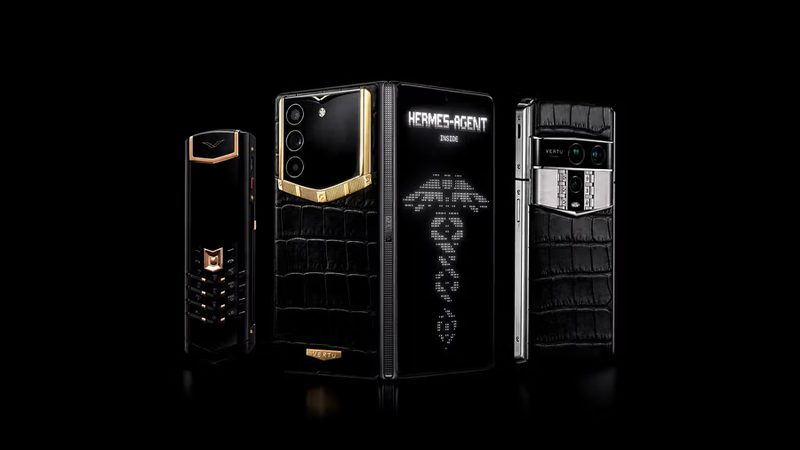
ALPHAFOLD is the world’s first Hermes Agent phone, combining AI assistance and mobile ERP for smarter task execution, workflow control, and business management.
Explore moreAgent Q
World’s first AI agent phone: A paradigm shift from Apps to Agents. It thinks, plans, and executes, all while securing your privacy.
Explore moreMetavertu Max
Metavertu Max: Luxury tech with Second Brain AI and a triple system for 4x WhatsApp. Opulence meets intelligence.
Explore more