


Before entering a commercial discussion or purchasing luxury mobile devices, a retailer should verify who it is contracting with, what any claimed brand authorisation actually covers, where the products come from, how payment and delivery work, and who is responsible for warranty and after-sales matters. It should also identify which market-specific compliance questions need authoritative answers. This is a general procurement due-diligence framework—not legal advice, a VERTU certification or an endorsement of any supplier.
Start with the Contracting Entity
Begin with the legal entity that would appear on the contract and receive payment. A trading name, website or social-media profile may not be the same as the contracting company. Ask the prospective supplier to identify its full legal name, registered address, place of registration and the person authorised to enter into the proposed agreement.
Check that the contract, invoice, payment instructions and business communications identify the same entity—or that any difference is explained in writing and independently verified. If the supplier uses an agent, distributor or another intermediary, establish which organisation is responsible for each part of the transaction and which entity would be your contractual counterparty.
- Does the legal name on the proposed agreement match the entity you have independently checked?
- Is the signatory authorised to represent that entity?
- Does the proposed payment beneficiary match the contract or have a verifiable, documented role?
- Are any intermediaries clearly identified, with their responsibilities stated?
These are screening questions, not a substitute for checking company records or obtaining professional advice where needed. A polished website, product catalogue or business card does not by itself establish a company’s legal identity or authority.
Verify Any Claimed Brand Authorisation Directly
A supplier’s statement that it is “authorised”, “official” or connected to a brand should be treated as a claim to verify—not as an established fact. Ask what relationship is being claimed, who granted it, which products and activities it covers, and whether it applies to the market and sales channel relevant to your proposal.
Then contact the brand rights holder through a contact route published on the brand’s own official website. Ask for written confirmation that identifies the relevant legal entity and clarifies the scope and current status of the claimed relationship. If the supplier relies on a letter, certificate or agreement, verify it independently with the issuing party rather than relying only on the copy provided by the supplier.
Be precise about what the evidence does and does not establish. A relationship in one country may not apply in another; permission to resell may not establish permission to appoint sub-distributors; and a historic document may not confirm current status. Do not describe a supplier as authorised unless the relevant rights holder has confirmed that specific claim.
This article does not confirm or deny the authorisation of any third party. Anyone seeking to discuss a VERTU partnership should contact VERTU directly through the official Partners page, rather than treating this general checklist or a supplier’s own claims as verification.
Review Product Origin and Transaction Documents
Before purchase, ask what documentation will accompany the products and how the supplier can explain their source. Depending on the proposed transaction and market, relevant records may include a sales contract, commercial invoice, packing list, shipping documentation and records that connect the products supplied to the transaction. The appropriate documents depend on the arrangement; this list is a set of questions to discuss, not a universal document requirement.
Check that product descriptions, quantities and identifiers are consistent across the documents you receive. If a supplier offers a way to verify a device or product identifier, confirm the process through the brand’s official channels where available. Do not assume that a photograph, box, serial number or supplier-issued certificate alone proves a product’s source, status or authorisation.
- Can the supplier explain the product source and its role in the supply chain?
- Do the products, quantities and identifiers correspond with the written offer and transaction documents?
- Who issues each document, and can its authenticity be checked with the issuing party?
- What records will be retained if a discrepancy or product question arises later?
Where the source, product identifiers or paperwork do not align, resolve the discrepancy before proceeding. A verbal explanation may be helpful, but material clarifications should be recorded in writing and checked with the party responsible for the relevant record.
Clarify Payment and Logistics Before Committing
Payment terms and delivery arrangements should be clear before funds are transferred. The retailer should understand the amount and currency due, payment milestones, the named beneficiary, the expected shipment route and what happens if delivery is delayed, incomplete or damaged. The written agreement should make responsibilities understandable to both parties.
Check whether the shipping and insurance arrangements match the proposal. Confirm who books transport, who provides tracking information, who handles a delivery exception and what evidence is needed to raise a claim. If import charges or other costs may apply, establish which party is expected to address them and verify the applicable treatment for the destination market.
Changes to bank details, last-minute payment requests or beneficiary names that differ from the contract warrant independent confirmation through a previously verified contact route. Do not use new contact information supplied in the same payment-change message as the only means of verification.
Put Warranty and After-Sales Responsibilities in Writing
Before signing, identify who is responsible if a customer reports a fault, requests a return or needs product support. The proposed agreement should make clear which party receives the enquiry, who decides what action is available, and how the retailer should communicate the applicable terms to its own customers.
Ask whether the warranty terms are documented for the relevant products and market, who provides any applicable service, and how the retailer should direct a customer when an issue arises. Clarify how returns, replacements, repairs or other remedies are handled under the proposed arrangement rather than assuming that a supplier’s general statement describes the actual process.
Keep supplier obligations distinct from brand obligations. A reseller’s promise is not automatically a commitment by the brand, and a supplier’s claimed relationship with a brand does not by itself establish that the brand will provide after-sales support for that transaction. Confirm responsibility with the party that would actually provide the relevant service, and retain the written terms.
Identify Compliance Questions for the Relevant Market
Product and commercial requirements can depend on the countries involved, the products, the parties and the route to market. Before a transaction, list the questions that may require local verification, such as import procedures, product requirements, labelling, tax treatment and obligations in the intended sales channel.
This article does not state what rules apply in any particular country. Once the origin, destination and transaction structure are known, verify requirements using relevant official government, customs or tax sources and qualified local advisers where appropriate. Do not transfer a conclusion from one jurisdiction to another without checking that it applies.
Keep a record of what was checked, which source was used and when. If the supplier says a requirement does not apply, ask for the basis of that statement and confirm it independently when the issue is material. A supplier’s assurance is not a substitute for the retailer’s own market-specific verification.
Pause When Important Details Do Not Match
Due diligence is not only a document-gathering exercise; it is also a consistency check. The legal entity, claimed brand relationship, products, documents, payment details, shipping plan and after-sales responsibilities should form a coherent account of the proposed transaction.
If a key detail changes during discussions, ask why and verify the new information through an independent channel. If the supplier cannot explain a material inconsistency, the retailer may choose to pause the transaction until the issue is resolved. That is a general risk-management consideration, not a conclusion about a particular supplier.
For an internal review, record each question, the answer received, the evidence checked, the source of verification and any point still unresolved. This gives the purchasing team a clear basis for deciding whether to continue discussions, seek further clarification or obtain professional advice.
Frequently Asked Questions
Does a supplier’s claim of authorisation prove that it is authorised?
No. Treat the statement as a claim until the brand rights holder confirms it through an independently verified official contact route. Confirm the legal entity, scope, market and current status, and retain written confirmation.
Do invoices or product identifiers prove a product’s source?
Not by themselves. Compare identifiers and descriptions across available transaction records, establish who issued each document, and verify relevant records with the issuing party or brand channels where available.
What should a retailer check before paying a supplier?
Confirm the contracting entity, written payment terms, beneficiary details and delivery responsibilities. Independently verify any material change to payment instructions, particularly if the beneficiary differs from the contract or invoice.
Who is responsible for warranty and after-sales service?
The responsible party depends on the transaction and written terms. Confirm who handles customer issues and what process applies before purchase; do not assume a supplier’s claim creates a commitment by the brand.
Does this checklist verify any VERTU supplier or reseller?
No. It is a general retail procurement framework and does not certify or endorse any third party. To discuss VERTU partnership routes, contact VERTU directly through its official Partners page.
Conclusion
Before buying luxury mobile devices, retailers should verify the contracting entity, independently check any claimed brand authorisation, review product-origin records, clarify payment and logistics, and document warranty, after-sales and compliance responsibilities. The appropriate checks depend on the transaction and target market, so unresolved legal or regulatory questions should be confirmed using authoritative local sources.
This article is a general due-diligence framework, not a VERTU certification or endorsement of any supplier. To discuss VERTU partnership models directly and submit an enquiry, visit VERTU Partners.

Previous article
Luxury Mobile Market Entry: Questions to Validate Before Exploring a Partnership Territory
TOP-Rated Vertu Products
Alphafold
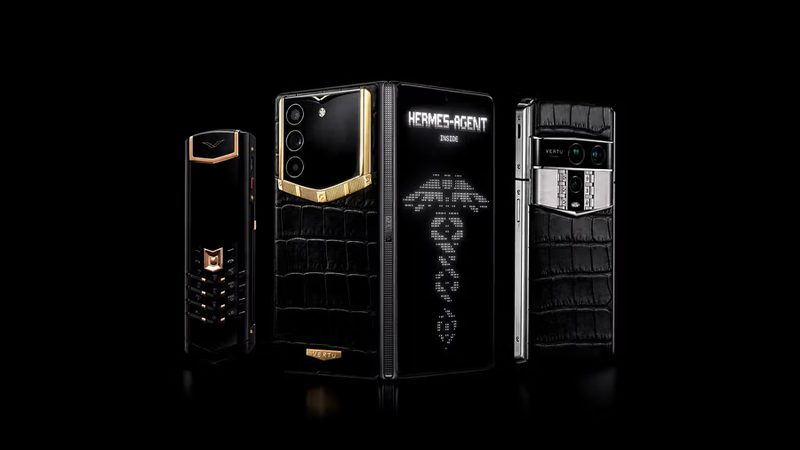
ALPHAFOLD is the world’s first Hermes Agent phone, combining AI assistance and mobile ERP for smarter task execution, workflow control, and business management.
Explore moreAgent Q
World’s first AI agent phone: A paradigm shift from Apps to Agents. It thinks, plans, and executes, all while securing your privacy.
Explore moreMetavertu Max
Metavertu Max: Luxury tech with Second Brain AI and a triple system for 4x WhatsApp. Opulence meets intelligence.
Explore moreNews
Inventory Planning for High-Value Products: A Retailer’s Pre-Launch Checklist
Published on Oct 22, 2026
Luxury Mobile Market Entry: Questions to Validate Before Exploring a Partnership Territory
Published on Oct 20, 2026
How to Assess a Luxury Retail Team’s Readiness for a VERTU Partnership
Published on Oct 19, 2026